
Running a business in Minnesota means facing countless potential risks every single day. One customer slip on icy steps outside your St. Cloud office, one product defect discovered in Mankato, or one professional mistake in Rochester could trigger a devastating lawsuit that threatens everything you've built. Insurance liability insurance exists specifically to protect your business assets, reputation, and financial future when someone claims your business caused them harm. Whether you operate a small consulting firm in Albany, manage a retail store in Freeport, or run a manufacturing operation anywhere across Minnesota, understanding how insurance liability insurance works isn't just smart business planning-it's essential for your survival in today's litigious environment.
What Insurance Liability Insurance Actually Covers
Insurance liability insurance serves as your financial shield against claims alleging that your business caused bodily injury, property damage, or other specified harms to third parties. This protection extends far beyond simply paying settlements or court judgments.
The three primary coverage components include:
- Legal defense costs covering attorney fees, court costs, and expert witness expenses regardless of fault
- Settlement payments when your business agrees to resolve claims before trial
- Judgment amounts awarded by courts up to your policy limits
When a customer slips on your property in Duluth or a client in Bloomington claims your advice caused financial harm, your insurance liability insurance kicks in immediately. The insurer assigns legal counsel, investigates the claim, and handles negotiations while you focus on running your business.
According to the Insurance Information Institute, liability coverage forms the foundation of most business insurance programs because lawsuits can easily exceed millions of dollars in costs and damages.
Coverage Triggers and Response Mechanisms
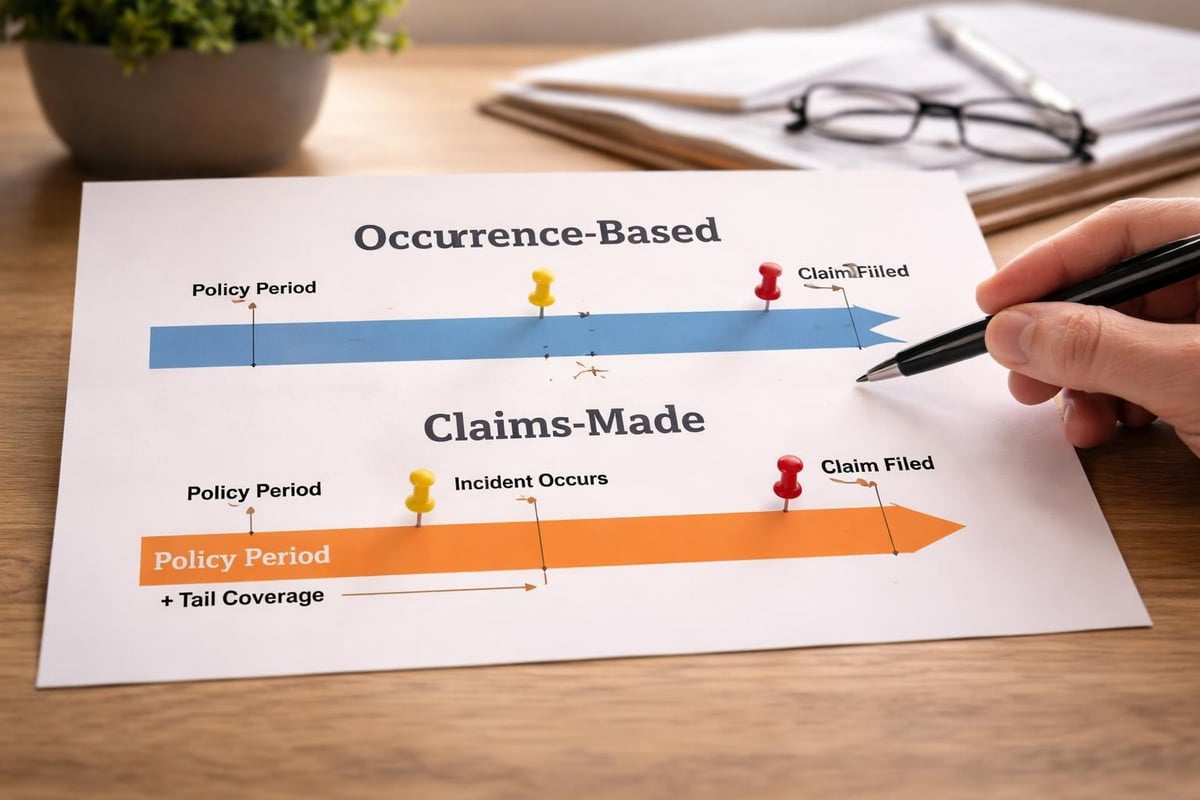
Modern insurance liability insurance typically operates on an "occurrence" or "claims-made" basis, determining when coverage applies.
Occurrence policies provide coverage for incidents happening during the policy period, regardless of when claims are filed. If someone trips in your Minneapolis store in 2026 but doesn't file a lawsuit until 2028, your 2026 policy responds.
Claims-made policies cover claims filed during the active policy period for incidents occurring after your retroactive date. These policies require careful management when switching insurers to avoid coverage gaps.
The response mechanism begins the moment you report a potential claim. Your insurer evaluates whether the claim falls within policy terms, assigns adjusters and attorneys, and begins building your defense strategy. This immediate response often prevents small issues from escalating into major financial disasters.
Types of Insurance Liability Insurance for Minnesota Businesses
Different business operations require specifically tailored insurance liability insurance products designed for unique risk profiles.
| Coverage Type | Best For | Primary Protection |
|---|---|---|
| General Liability | Retail, offices, contractors | Bodily injury, property damage, advertising injury |
| Professional Liability | Consultants, advisors, professionals | Errors, omissions, negligent advice |
| Product Liability | Manufacturers, distributors, retailers | Defective products causing harm |
| Cyber Liability | Any business with digital data | Data breaches, cyber attacks, privacy violations |
General Liability Insurance
General liability insurance represents the most fundamental form of insurance liability insurance that virtually every Minnesota business needs. This coverage protects against common risks like customer injuries on your premises, damage your employees cause to client property, and advertising injury claims.
A landscaping company in Brainerd accidentally damages a client's irrigation system. A restaurant patron in Winona slips on a wet floor. A marketing agency in Edina faces accusations of copyright infringement in their advertising materials. General liability coverage addresses all these scenarios.
Standard exclusions you should understand:
- Intentional acts and criminal behavior
- Professional services and advice (requires separate coverage)
- Employee injuries (covered under workers' compensation)
- Pollution and environmental damage
- Auto accidents (requires commercial auto insurance)
Professional Liability Protection
Professional liability insurance, also called errors and omissions (E&O) coverage, protects businesses providing advice, expertise, or professional services. Minnesota consultants, accountants, architects, engineers, and technology professionals face unique risks that general liability policies don't cover.
When an accounting firm in St. Paul makes a calculation error costing a client thousands in tax penalties, or a software developer in Moorhead delivers code with critical bugs causing business interruption, professional liability insurance responds. The Property & Liability Resource Bureau provides extensive resources on how professional liability claims differ from general liability matters.
Determining Your Insurance Liability Insurance Needs
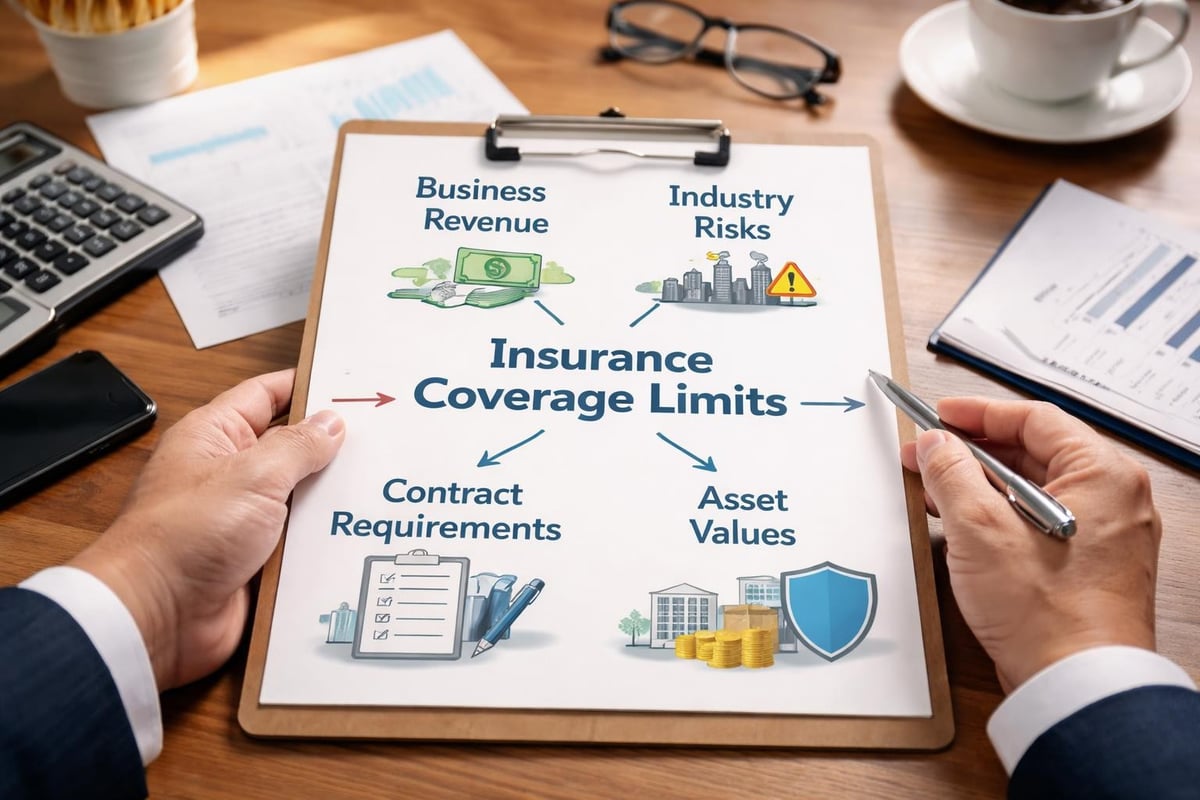
Calculating appropriate coverage limits requires analyzing your specific risk exposure, industry standards, and contractual obligations.
Start by evaluating these critical factors:
- Annual revenue as a baseline for potential exposure
- Customer interaction frequency and premises visitor volume
- Contract requirements from clients, landlords, or lenders
- Industry-specific risks unique to your business operations
- Asset protection needs including real estate, equipment, and savings
Minnesota businesses should consider their geographic location when assessing risks. Harsh winters create slip-and-fall hazards. Agricultural operations face unique product liability concerns. Manufacturing facilities in cities like Rochester or Mankato carry different exposures than service businesses in smaller communities like Albany or Freeport.
Common Coverage Limit Ranges
Most small to medium Minnesota businesses select insurance liability insurance limits between $1 million and $2 million per occurrence with $2 million to $3 million aggregate limits. However, your specific needs may vary dramatically.
| Business Size | Typical Per-Occurrence Limit | Typical Aggregate Limit |
|---|---|---|
| Small (1-10 employees) | $1M – $2M | $2M – $3M |
| Medium (11-50 employees) | $2M – $5M | $3M – $10M |
| Large (50+ employees) | $5M – $10M+ | $10M – $20M+ |
Construction contractors often require higher limits due to project values and injury severity potential. Professional service firms might need substantial coverage despite lower premises liability. Commercial insurance needs vary significantly across industries and business models.
Umbrella Policies: Extending Your Insurance Liability Insurance
When standard policy limits prove insufficient for your risk exposure, umbrella or excess liability policies provide additional protection layers above your primary insurance liability insurance.
These policies activate only after underlying coverage exhausts its limits. If your general liability policy carries $2 million limits and a judgment reaches $4 million, your umbrella policy covers the additional $2 million (subject to umbrella policy limits).
Umbrella coverage advantages include:
- Cost-effective protection providing substantial additional limits for relatively modest premiums
- Broader coverage sometimes filling gaps in underlying policies
- Peace of mind protecting personal assets for business owners
- Competitive positioning meeting large contract requirements
Minnesota businesses facing high-value contracts or significant public interaction should seriously consider umbrella coverage. A single serious accident in a Minneapolis retail location could easily generate claims exceeding standard policy limits.
Insurance Liability Insurance Costs and Premium Factors
Premium calculations for insurance liability insurance involve complex actuarial formulas considering dozens of variables specific to your business.
The most significant cost drivers include:
- Industry classification with some sectors carrying substantially higher base rates
- Claims history as past losses predict future risk
- Coverage limits and deductibles with higher limits increasing premiums
- Revenue and payroll serving as exposure measures
- Location factors including Minnesota-specific considerations like weather liability
A consulting firm in Duluth with $500,000 revenue and no claims history might pay $800-$1,500 annually for $1 million/$2 million general liability coverage. A manufacturing operation in St. Cloud with $5 million revenue and previous claims could pay $5,000-$15,000 or more for similar limits.
Professional liability premiums often exceed general liability costs due to higher claim severity. Technology companies and healthcare providers typically face the steepest professional liability rates.
Strategies for Reducing Insurance Liability Insurance Costs
Smart risk management doesn't just protect your business-it directly reduces your insurance premiums.
- Implement comprehensive safety programs reducing accident frequency
- Document risk management procedures demonstrating proactive loss prevention
- Maintain claims-free history qualifying for experience modification credits
- Bundle coverage combining multiple policies with one insurer
- Accept higher deductibles when your cash flow supports greater retention
- Review coverage annually ensuring you're not over-insured as risks change
Working with an independent broker gives you access to multiple insurers competing for your business. Guardian Insurance Services MN represents over 35 insurance companies, allowing comprehensive market comparison for optimal pricing and coverage.
Claims Process: How Insurance Liability Insurance Works in Action
Understanding how to properly handle claims ensures you receive full policy benefits when you need them most.
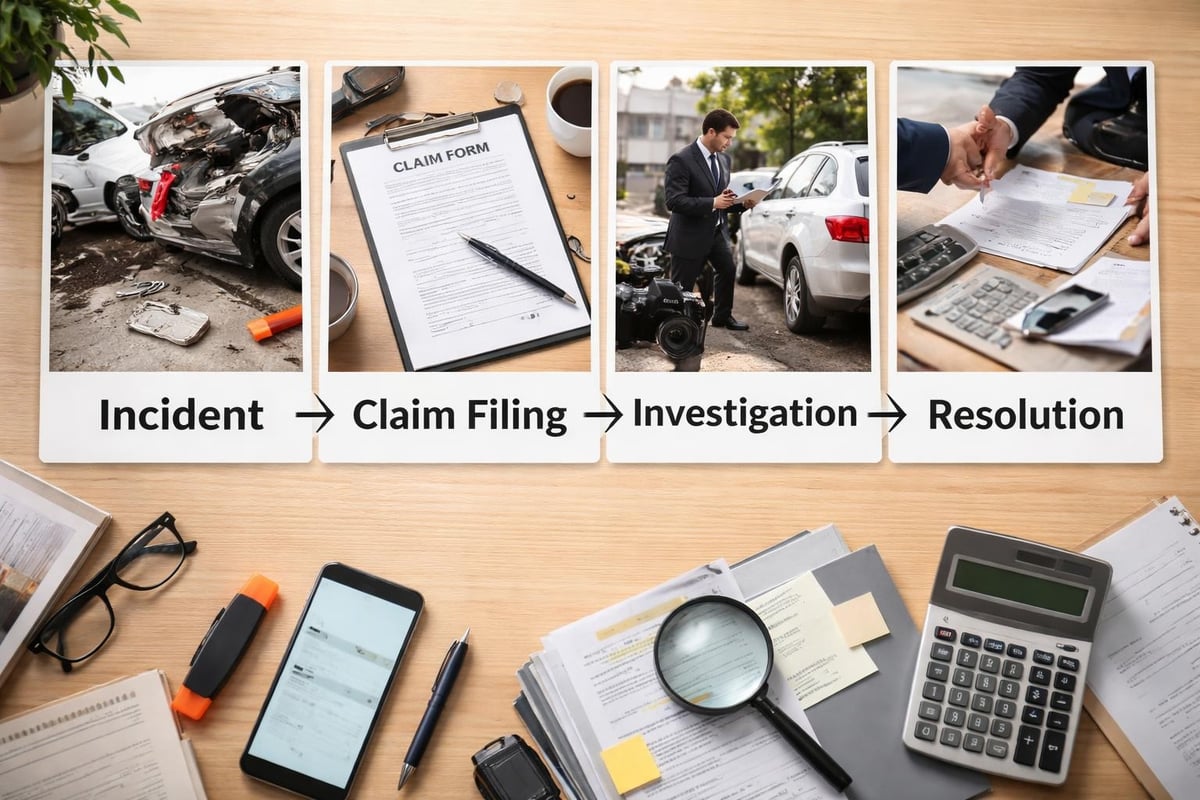
The standard claims process follows these steps:
- Immediate notification to your insurer upon becoming aware of any potential claim
- Initial investigation where the insurer gathers facts and documents
- Coverage determination confirming the claim falls within policy terms
- Defense strategy development with assigned legal counsel
- Negotiation or litigation working toward claim resolution
- Settlement or judgment payment within policy limits
Time sensitivity matters critically in insurance liability insurance claims. Minnesota businesses must report potential claims promptly, typically within days of discovery. Delayed reporting can jeopardize coverage even for legitimate claims.
Your Responsibilities During the Claims Process
Policy terms require specific actions from insured businesses beyond simple notification.
You must:
- Preserve all evidence related to the incident
- Avoid admitting fault or discussing settlement without insurer approval
- Cooperate fully with investigators and legal counsel
- Provide requested documentation promptly
- Attend depositions, hearings, and trials as needed
- Follow insurer instructions regarding communications with claimants
Failure to meet these obligations can result in coverage denial even for otherwise valid claims. The American Law Institute’s analysis of liability insurance law addresses these cooperation requirements in detail.
Industry-Specific Insurance Liability Insurance Considerations
Minnesota's diverse business landscape requires customized insurance liability insurance approaches across different sectors.
Agriculture and Farm Operations
Minnesota's robust agricultural sector faces unique liability exposures from agritourism, equipment operations, and product sales. Farm insurance programs must address livestock liability, pollution risks from fertilizers and pesticides, and premises liability for farm visitors.
Farmers markets, u-pick operations, and corn mazes create substantial public interaction increasing slip-and-fall risks. Product liability matters when selling meat, produce, or processed foods. Specialized agricultural insurance liability insurance addresses these farming-specific concerns.
Construction and Contracting
Construction operations from small remodelers to major commercial builders require comprehensive insurance liability insurance protecting against property damage, completed operations claims, and subcontractor liability.
Minnesota contractors must secure commercial general liability insurance meeting contract requirements before breaking ground on projects. Completed operations coverage remains crucial because defects might not emerge until years after project completion.
Technology and Cyber Risks
Digital businesses face rapidly evolving liability exposures requiring specialized coverage beyond traditional policies. Cyber insurance addresses data breach liability, network security failures, and privacy violations increasingly common in connected business environments.
Minnesota technology companies, healthcare providers, and any business storing customer data need cyber liability protection. Traditional insurance liability insurance policies explicitly exclude these digital risks.
Selecting the Right Insurance Liability Insurance Provider
Choosing your insurance liability insurance partner ranks among your most important business decisions, directly impacting your protection quality and claims experience.
Evaluate potential insurers on these criteria:
- Financial strength ratings from AM Best, Moody's, or Standard & Poor's
- Claims handling reputation through industry reviews and references
- Industry expertise understanding your specific business risks
- Coverage breadth offering comprehensive protection options
- Service quality providing responsive, knowledgeable support
Independent brokers like those at Guardian Insurance Services MN offer distinct advantages over captive agents representing single insurers. Access to multiple carriers ensures competitive pricing and optimal coverage matching your unique needs.
Questions to Ask When Comparing Insurance Liability Insurance Policies
Don't simply compare premium quotes-dig deeper into policy terms and coverage quality.
| Question | Why It Matters |
|---|---|
| What specific exclusions apply? | Identifies coverage gaps requiring additional policies |
| How are defense costs treated? | Some policies count defense costs against limits |
| What is the claims-made retroactive date? | Affects which prior incidents receive coverage |
| Are newly acquired subsidiaries automatically covered? | Critical for growing businesses |
| What enhanced coverage options exist? | Optional endorsements can fill important gaps |
Resources from Boston College Law Library and Georgetown Law Library provide deeper analysis of policy language and coverage interpretation for those seeking comprehensive understanding.
Legal and Regulatory Considerations for Minnesota Businesses
Minnesota businesses must navigate both state-specific regulations and broader legal frameworks governing insurance liability insurance.
Certain professions require minimum liability coverage by state law or professional licensing boards. Medical professionals, attorneys, architects, and other licensed practitioners face mandatory insurance liability insurance requirements ensuring they can compensate harmed clients.
Minnesota statutes regulate insurance policy forms, claims handling practices, and insurer solvency requirements protecting policyholders. Understanding these protections helps you recognize when insurers fail to meet their obligations.
Contract-Driven Insurance Requirements
Beyond legal mandates, contractual relationships often dictate insurance liability insurance needs.
Common scenarios requiring specific coverage include:
- Commercial leases requiring tenant liability insurance with landlord additional insured endorsements
- Client contracts specifying minimum limits and coverage types
- Franchise agreements mandating comprehensive protection
- Vendor agreements for events or projects requiring certificates of insurance
Failing to maintain contractually required insurance liability insurance can constitute breach of contract, exposing you to additional liability beyond the underlying claim. Review all contracts carefully and discuss requirements with your insurance broker before signing.
Emerging Trends in Insurance Liability Insurance
The insurance liability insurance landscape continues evolving as new risks emerge and coverage responds to changing business realities.
Key developments shaping 2026 and beyond:
- Cyber liability integration as digital risks permeate all business operations
- Employment practices liability addressing discrimination, harassment, and wrongful termination claims
- Social inflation driving higher jury awards and settlement demands
- Climate-related liability from extreme weather and environmental concerns
- Pandemic and communicable disease exclusions reshaping coverage after COVID-19
Minnesota businesses must stay informed about these trends affecting their insurance liability insurance needs. What proved adequate coverage in 2020 may leave dangerous gaps in 2026's risk environment.
Technology's Impact on Liability and Insurance
Artificial intelligence, automation, and interconnected systems create unprecedented liability questions without clear legal precedents.
Who bears responsibility when autonomous delivery vehicles cause accidents? How does insurance liability insurance respond to AI-generated content infringing copyrights? What coverage applies to supply chain disruptions from ransomware attacks?
According to IRMI’s analysis, traditional liability insurance definitions struggle to address these emerging technology risks, requiring specialized endorsements and evolving policy language.
Risk Management Beyond Insurance Liability Insurance
While comprehensive insurance liability insurance provides essential financial protection, effective risk management requires proactive loss prevention strategies reducing the likelihood of claims occurring.
Implement these foundational practices:
- Regular safety training for all employees addressing common hazards
- Documented standard operating procedures minimizing errors
- Quality control systems catching defects before products reach customers
- Regular premises inspections identifying and correcting hazards
- Contract review processes ensuring appropriate indemnification and insurance requirements
- Incident reporting systems capturing near-misses for prevention analysis
Minnesota's seasonal challenges require specific attention to weather-related risks. Ice management protocols, roof load monitoring during heavy snow, and spring flooding preparations prevent many common liability claims.
Employee Training and Safety Culture
Your employees represent both your greatest asset and your highest liability risk. Comprehensive training programs directly reduce accidents, errors, and resulting claims.
Manufacturing facilities in cities like St. Cloud or Mankato should implement formal safety programs addressing machinery operation, hazardous materials handling, and emergency response. Service businesses must train customer-facing staff on proper techniques preventing injuries and addressing complaints before they escalate.
Documented training programs also demonstrate due diligence during litigation, potentially reducing damages even when claims succeed. Insurance liability insurance costs decrease as your claims history improves through effective risk management.
Certificate of Insurance: Proving Your Coverage
Certificates of insurance serve as proof of your insurance liability insurance when required by contracts, clients, or regulatory bodies.
These standardized forms (typically ACORD 25 certificates) summarize your coverage types, limits, policy numbers, and effective dates. They also can designate additional insureds and provide evidence of required endorsements.
Common situations requiring certificates include:
- Lease agreements before occupying commercial space
- Client contracts before commencing projects
- Vendor applications for events or trade shows
- Permit applications for construction projects
- Franchise or licensing agreements
Request certificates from your insurance broker well in advance of deadlines. Processing can take several business days, and last-minute requests during evenings or weekends may prove impossible to fulfill.
Additional Insured Endorsements
Contracts frequently require adding parties as additional insureds to your insurance liability insurance policy, extending coverage benefits to protect them from claims arising from your operations.
Your commercial landlord in Freeport might require additional insured status so your liability policy responds if someone injured on your leased premises sues both you and the property owner. General contractors typically require subcontractors to name them as additional insureds protecting against claims arising from the subcontractor's work.
These endorsements typically cost $25-$100 per additional insured depending on the relationship and policy terms. Budget for these expenses when quoting projects requiring such coverage.
Working with Independent Insurance Brokers
Independent insurance brokers provide distinct advantages over captive agents when securing insurance liability insurance for your Minnesota business.
While captive agents represent single insurance companies and can only offer their employer's products, independent brokers access dozens of insurers, comparing coverage and pricing across the market to find optimal solutions.
This market access proves particularly valuable for businesses with complex risks, claims history, or unique operations that some insurers decline to cover. When one carrier denies coverage or quotes prohibitive premiums, independent brokers present alternatives from their extensive carrier relationships.
Additional independent broker benefits:
- Objective advice unbiased by single-company quotas or incentives
- Ongoing policy reviews as your business evolves
- Claims advocacy helping navigate disputes with insurers
- Risk management consultation beyond simple policy sales
- Local expertise understanding Minnesota-specific business risks
Resources from Widener Law Library provide valuable background on insurance law principles helpful when evaluating coverage options with your broker.
Insurance liability insurance represents non-negotiable protection for Minnesota businesses facing today's complex liability landscape, shielding your assets from potentially catastrophic claims while allowing you to focus on growth and operations. Whether you're operating in Albany, Freeport, or anywhere across Minnesota, selecting appropriate coverage requires understanding your unique risks, comparing options across multiple carriers, and partnering with knowledgeable professionals who prioritize your protection. Guardian Insurance Services MN brings over 35 insurance companies to your coverage decisions, delivering the personalized service and comprehensive market access that independent brokers uniquely provide, ensuring you secure optimal insurance liability insurance protection at competitive rates tailored to your specific business needs.