
Understanding automobile insurance coverage is essential for every driver in Minnesota, whether you're commuting through Minneapolis, hauling farm equipment near Albany, or running a business fleet in Freeport. The right coverage protects your financial future and ensures compliance with state laws while giving you peace of mind on the road. With over 35 insurance companies offering different policy structures and pricing, navigating your options requires knowledge of what each coverage type actually does and which combinations make sense for your specific situation. This comprehensive guide breaks down the critical components of automobile insurance coverage so you can make informed decisions that protect both your assets and your family.
Essential Liability Coverage Components
Liability protection forms the foundation of any automobile insurance coverage policy. Minnesota law requires all drivers to carry minimum liability limits, but understanding what these numbers mean makes all the difference when you're selecting appropriate protection levels.
Bodily injury liability covers medical expenses, lost wages, and legal fees when you're responsible for injuring someone in an accident. The Connecticut Insurance Department provides comprehensive information on auto insurance fundamentals, including liability concepts that apply nationwide.
Property damage liability pays for repairs to other vehicles, buildings, fences, or structures you damage in an at-fault accident. Minnesota's minimum requirements represent baseline protection, but many drivers in areas like St. Cloud or Rochester choose higher limits to protect their savings and assets.
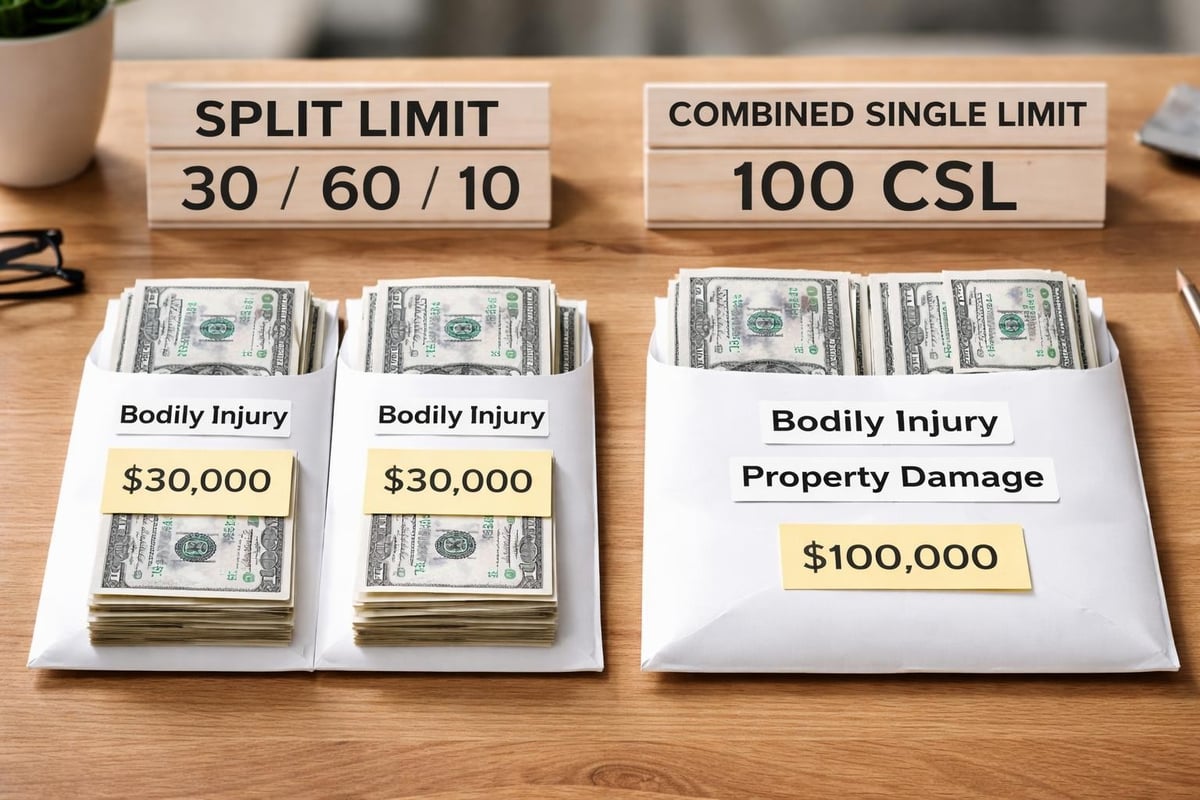
Understanding Split Limits vs Combined Single Limits
| Coverage Type | Split Limit Example | Combined Single Limit Example |
|---|---|---|
| Structure | 30/60/10 | 100 CSL |
| Per Person Injury | $30,000 | $100,000 total pool |
| Per Accident Injury | $60,000 | $100,000 total pool |
| Property Damage | $10,000 | $100,000 total pool |
Split limits designate specific amounts for each category, while combined single limits provide one total amount that can be applied flexibly across all liability claims from a single accident. Both structures offer valid protection, though combined limits often provide more versatility when claims exceed certain thresholds.
Physical Damage Protection Options
While liability covers others, physical damage coverage protects your own vehicle. These optional coverages become essential when you're financing a vehicle or want to protect a significant investment.
Collision Coverage Explained
Collision coverage pays for damage to your vehicle regardless of fault when you hit another car, object, or roll over. This protection applies whether you're sideswiped on Highway 10 near Elk River or back into a pole in a Duluth parking lot. Guardian Insurance Services MN works with multiple carriers to find collision coverage that fits your budget and vehicle value.
Your deductible determines how much you pay out-of-pocket before insurance kicks in. Common deductible options include:
- $250 (higher premiums, lower out-of-pocket)
- $500 (balanced approach)
- $1,000 (lower premiums, higher out-of-pocket)
- $2,500 (significantly reduced premiums)
Comprehensive Coverage Benefits
Comprehensive automobile insurance coverage handles non-collision damage including theft, vandalism, weather events, falling objects, and animal strikes. Minnesota drivers face unique risks like deer collisions in rural areas around Willmar and Brainerd, plus severe hail storms that can total vehicles in minutes.
This coverage also pays for broken windshields, which Minnesota experiences frequently due to gravel roads and winter road treatment. Many policies offer glass coverage with reduced or waived deductibles, making comprehensive protection particularly valuable for state residents.
Personal Injury Protection and Medical Payments
Personal injury protection (PIP) represents an important component of automobile insurance coverage that covers medical expenses, lost wages, and essential services regardless of who caused the accident. While Minnesota doesn't mandate PIP, this coverage eliminates the need to wait for fault determination before receiving compensation for medical bills.
Medical payments coverage (MedPay) works similarly but typically covers only medical expenses without the wage replacement and service benefits. Both coverages pay in addition to your health insurance, covering deductibles, copays, and services your health plan might exclude.
| Coverage Feature | Personal Injury Protection | Medical Payments |
|---|---|---|
| Medical expenses | Yes | Yes |
| Lost wages | Yes | No |
| Essential services | Yes | No |
| Funeral expenses | Yes | Sometimes |
| Coverage limits | Higher options available | Lower maximum limits |
Understanding no-fault insurance systems helps clarify how these coverages work in different states, though Minnesota operates under a traditional tort system where fault determines liability.
Uninsured and Underinsured Motorist Protection
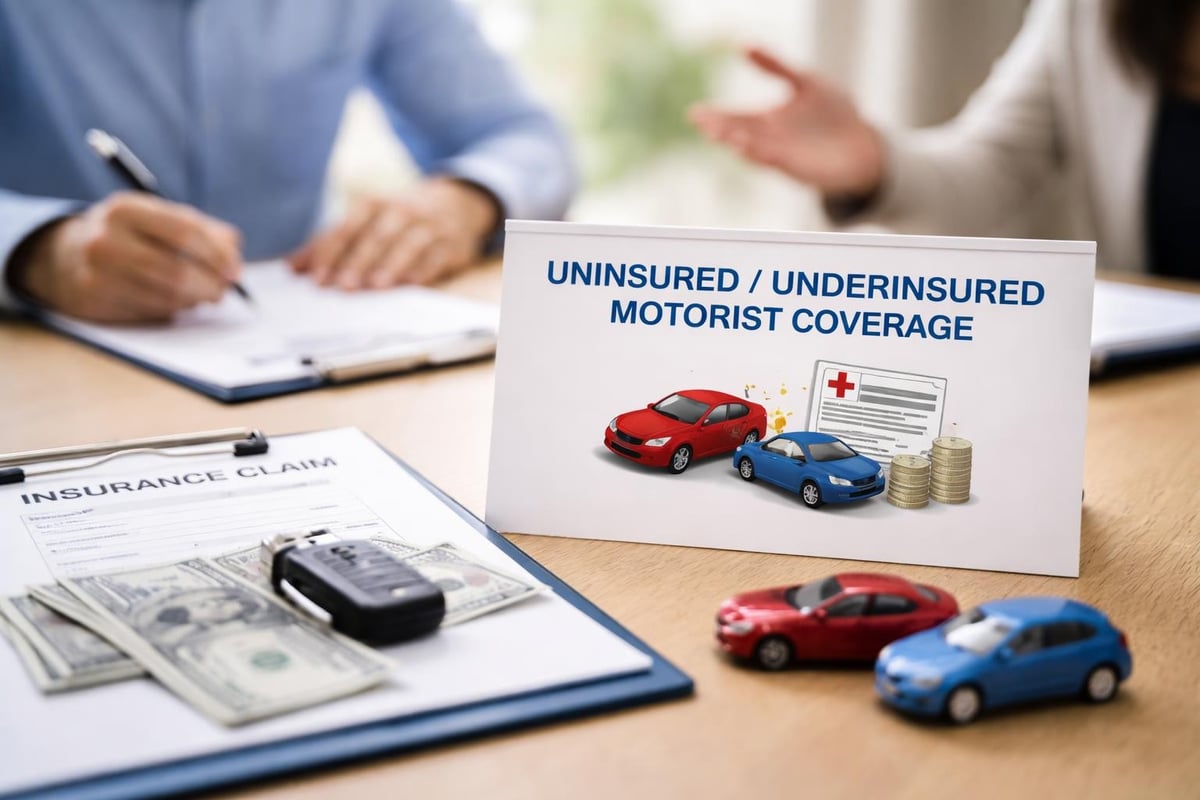
Despite legal requirements, many Minnesota drivers operate vehicles without adequate insurance. Uninsured motorist (UM) and underinsured motorist (UIM) coverage protects you when at-fault drivers can't pay for the damages they cause.
Uninsured motorist bodily injury covers your medical expenses, lost income, and pain and suffering when an uninsured driver injures you. This protection extends to hit-and-run accidents where the responsible party flees the scene, a common occurrence in urban areas like Minneapolis and St. Paul.
Underinsured motorist coverage activates when the at-fault driver carries insurance but their limits don't cover your full damages. If someone with minimum 30/60/10 limits causes $100,000 in medical expenses, UIM coverage bridges the gap between their $60,000 maximum and your actual costs.
Minnesota law requires insurers to offer UM/UIM coverage equal to your liability limits, though you can reject it in writing. For comprehensive protection insights, learn more about uninsured and underinsured motorist coverage and why most experts recommend accepting these important safeguards.
Additional Coverage Enhancements
Standard automobile insurance coverage provides essential protection, but several endorsements and add-ons deliver enhanced security for specific situations Minnesota drivers commonly face.
Rental Reimbursement Coverage
When your vehicle requires repairs after a covered claim, rental reimbursement pays for a temporary replacement vehicle. This coverage typically offers daily limits ($30-$75) and maximum timeframes (30-45 days), ensuring you maintain mobility while your car sits in the shop.
Roadside Assistance and Towing
Roadside assistance covers:
- Towing to the nearest repair facility
- Jump-starts for dead batteries
- Fuel delivery when you run out of gas
- Tire changes for flats
- Lockout service when keys are locked inside
Winter breakdowns present serious safety concerns in Minnesota, making roadside coverage particularly valuable during harsh months when temperatures plummet below zero around Bemidji and International Falls.
Gap Insurance for Financed Vehicles
Gap coverage addresses the difference between your vehicle's actual cash value and your remaining loan balance. New vehicles depreciate rapidly, and standard automobile insurance coverage only pays current market value after a total loss, potentially leaving you owing thousands on a car you no longer own.
Commercial Automobile Insurance Coverage
Business vehicles require specialized protection beyond personal auto policies. Commercial auto insurance addresses unique exposures including higher liability limits, multiple drivers, and business-specific uses.
Commercial policies accommodate:
- Company cars assigned to specific employees
- Fleet vehicles for delivery, service, or sales operations
- Heavy trucks requiring specialized liability coverage
- Contractor equipment hauled on trailers
- Farm equipment moving between fields and properties
The Office of Public Insurance Counsel in Texas offers a shopping guide with valuable comparisons that help business owners understand commercial versus personal coverage distinctions.
Businesses operating near Albany or Freeport with agricultural operations should explore farm insurance options that bundle vehicle coverage with property and liability protection for comprehensive agricultural protection.
Factors That Influence Your Premiums
Insurance companies evaluate dozens of factors when calculating automobile insurance coverage premiums. Understanding these elements helps you identify opportunities to reduce costs while maintaining appropriate protection.
Driving record carries tremendous weight, with accidents and violations increasing rates significantly for three to five years. A single at-fault accident can raise premiums 20-40%, while DUI convictions often double or triple costs.
Credit-based insurance scores factor into pricing in Minnesota, with stronger credit histories correlating to lower premiums. This controversial practice reflects statistical data showing connections between financial responsibility and claims frequency.
Vehicle characteristics including make, model, year, safety features, theft rates, and repair costs all influence pricing. The Georgia Office of Insurance provides information on auto insurance factors that apply across most states.
Common Premium Reduction Strategies
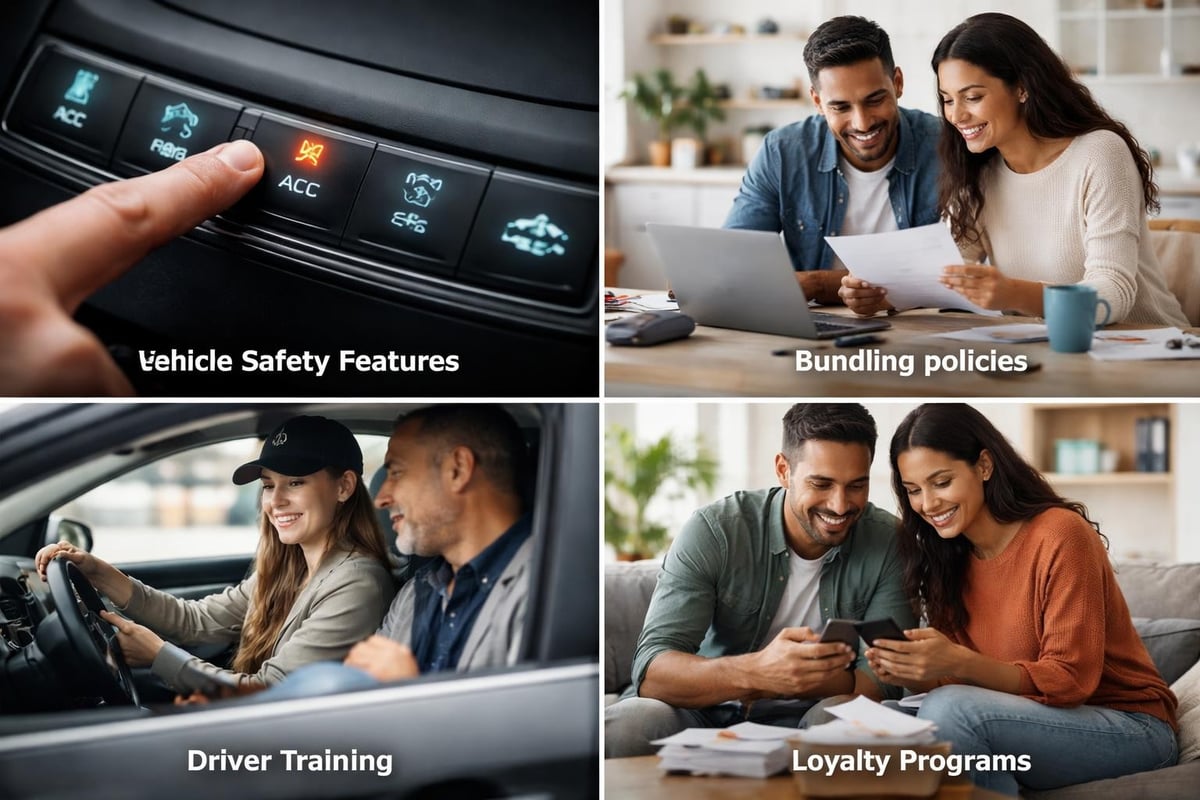
- Bundle automobile insurance coverage with home or business policies
- Increase deductibles on comprehensive and collision
- Ask about low-mileage discounts for remote workers
- Install anti-theft devices and dashboard cameras
- Complete defensive driving courses
- Maintain continuous coverage without lapses
- Review coverage annually and shop multiple carriers
Coverage Considerations for Different Life Stages
Your automobile insurance coverage needs evolve as life circumstances change. Tailoring protection to your current situation ensures you're neither overpaying for unnecessary coverage nor leaving dangerous gaps in protection.
Young Drivers and New Licenses
Teen drivers and young adults face the highest premiums due to inexperience and statistically higher accident rates. Families in Moorhead, St. Cloud, or Mankato adding young drivers should consider:
- Good student discounts (typically 3.0+ GPA)
- Driver training program credits
- Usage-based insurance monitoring safe habits
- Older, safer vehicles without collision coverage
- Higher liability limits to protect family assets
Growing Families
New parents and expanding households require increased protection. Higher liability limits safeguard your family's financial future, while adequate medical payments or PIP coverage ensures children receive immediate care after accidents without insurance delays.
Retirees and Reduced Mileage
Retirement often brings reduced driving, creating opportunities for significant savings. Retirees can explore pay-per-mile programs, low-mileage discounts, and reduced coverage on older vehicles with minimal value.
Comparing Policies and Coverage Adequacy
The Office of Public Insurance Counsel provides a tool to compare auto insurance policies, helping consumers evaluate options systematically. When reviewing automobile insurance coverage proposals, examine these critical elements:
| Policy Component | Questions to Ask |
|---|---|
| Liability limits | Do they adequately protect my assets? |
| Deductibles | Can I afford the out-of-pocket expense? |
| Coverage exclusions | What situations aren't covered? |
| Discount eligibility | Am I receiving all applicable reductions? |
| Company reputation | How do they handle claims? |
Independent brokers like those serving Minnesota communities provide access to multiple carriers simultaneously, streamlining comparisons and ensuring you see diverse options rather than being limited to one company's products.
Special Situations Requiring Enhanced Coverage
Certain circumstances demand automobile insurance coverage beyond standard policies. Recognizing these situations prevents costly surprises when claims occur.
Rideshare and Delivery Driving
Personal auto policies exclude coverage during commercial activities. Uber, Lyft, DoorDash, and similar services require either rideshare endorsements or commercial policies. Understanding commercial insurance for business helps gig economy workers secure proper protection.
Classic and Collector Vehicles
Antique cars require specialized agreed value policies that account for appreciation rather than depreciation. Standard automobile insurance coverage pays actual cash value, which drastically undervalues restored classics.
Modified Vehicles
Custom parts, performance modifications, and aftermarket accessories often aren't covered under standard policies. Declared equipment endorsements document and insure these valuable additions.
Business Use of Personal Vehicles
Using your personal car for work-related driving beyond commuting may require business use coverage. Sales representatives, home healthcare workers, and consultants transporting equipment face coverage gaps without proper endorsements.
Claims Process and Documentation
Understanding how to file claims efficiently ensures faster resolution and proper compensation. When accidents occur on Highway 52 near Rochester or County Road 10 near Anoka, follow these critical steps:
- Ensure safety and call emergency services if anyone is injured
- Document the scene with photos of damage, positions, road conditions, and surroundings
- Exchange information including names, contact details, insurance information, and license numbers
- Report promptly to your insurance company, typically within 24 hours
- Cooperate fully with adjusters and provide requested documentation
- Understand your rights regarding repair shops and settlement offers
The State of Michigan offers consumer guides on auto insurance including helpful claims advice applicable across states.
Keep detailed records of all accident-related expenses, medical treatments, missed work days, and communication with insurance companies. This documentation becomes invaluable if disputes arise regarding coverage or settlement amounts.
Policy Review and Update Best Practices
Your automobile insurance coverage should evolve with your changing circumstances. Annual reviews ensure continued adequacy and identify opportunities for savings or necessary adjustments.
Schedule regular reviews each year before renewal, examining:
- Changes in vehicle values affecting collision/comprehensive needs
- New drivers added or removed from the household
- Mileage changes due to job switches or retirement
- Asset growth requiring higher liability limits
- Life events like marriage, divorce, or children
- Address changes affecting risk ratings
Trigger immediate updates when you:
- Purchase or sell vehicles
- Move to new locations
- Experience major accidents or violations
- Start or stop business vehicle use
- Add teenage drivers to your policy
Working with experienced professionals who understand Minnesota's unique insurance landscape ensures you maintain optimal coverage as circumstances change throughout life.
Understanding Policy Declarations and Documents
Your automobile insurance coverage declarations page summarizes all policy details in one document. Understanding this critical paperwork prevents confusion during claims and ensures accuracy.
Key declaration page elements include:
- Policy number and effective dates
- Named insureds and covered drivers
- Listed vehicles with VIN numbers
- Coverage types and limit amounts
- Deductibles for each coverage
- Premium breakdowns by coverage
- Applicable discounts
- Lienholder information
Review declarations carefully when you receive new policies or renewals. Errors regarding coverage amounts, deductibles, or listed drivers can cause serious problems during claims, potentially resulting in denied coverage for preventable mistakes.
The South Carolina Department of Insurance offers insights into auto insurance basics that help consumers understand policy language and documentation requirements.
The Value of Independent Insurance Brokers
Independent brokers offer distinct advantages when selecting automobile insurance coverage. Unlike captive agents representing single companies, independent brokers access multiple carriers simultaneously, providing genuine choice and competitive leverage.
Benefits of working with independent brokers include:
- Access to 35+ insurance companies and hundreds of policy variations
- Objective advice without company loyalty conflicts
- Personalized service from local professionals who understand Minnesota risks
- Ongoing support for claims, policy changes, and coverage questions
- Time savings from consolidated shopping and comparison
- Long-term relationships that adapt to your evolving needs
Local expertise matters significantly in insurance. Brokers familiar with Minnesota weather patterns, road conditions, deer collision frequencies, and regional risk factors provide insights that out-of-state call centers simply cannot match.
For drivers seeking comprehensive personal insurance solutions or businesses needing commercial coverage, independent brokers deliver the expertise and access that simplifies complex decisions.
Selecting appropriate automobile insurance coverage requires balancing adequate protection with affordable premiums while understanding how different policy components work together to safeguard your financial security. Whether you're insuring a single vehicle, protecting a growing family, or covering a business fleet operating throughout Minnesota, the right combination of liability, physical damage, medical, and supplemental coverages provides essential peace of mind. Guardian Insurance Services MN brings over 35 insurance carriers to your fingertips, combining the personalized service of a locally owned broker with the competitive options of a major marketplace. Contact their Albany or Freeport locations today to review your current coverage, explore money-saving opportunities, and ensure your automobile insurance protection matches your actual needs and risks.