
Minnesota's growing wine industry faces unique challenges that demand specialized protection. From the sprawling vineyards near Alexandria to boutique tasting rooms in the Twin Cities, winery operations combine agricultural production, manufacturing, hospitality, and retail under one roof. This complex business model creates exposure to risks that standard commercial policies simply cannot address. Whether you're cultivating cold-hardy grape varieties or operating a thriving tasting room, understanding insurance for wineries ensures your investment remains protected against the unexpected events that could otherwise devastate years of careful cultivation and business development.
Understanding the Unique Insurance Needs of Winery Operations
The wine business differs fundamentally from traditional manufacturing or hospitality ventures. Your operation involves growing crops susceptible to weather damage, processing those crops into valuable inventory, storing aging products that appreciate over time, and hosting guests who sample your products. Each of these activities creates distinct liability exposures.
When evaluating what is winery vineyard insurance, you'll discover that comprehensive coverage requires multiple policy components working together. A vineyard fire could destroy growing grapes, processing equipment, barrel storage, and bottled inventory simultaneously. Standard commercial policies typically exclude many agriculture-specific perils or cap coverage at levels inadequate for replacing specialized equipment.
Minnesota winery owners face additional challenges related to our climate. Late spring frosts, hail storms, and harsh winters can devastate grape harvests. The state's wine trail tourism also brings higher visitor volumes during peak seasons, increasing premises liability exposure significantly.
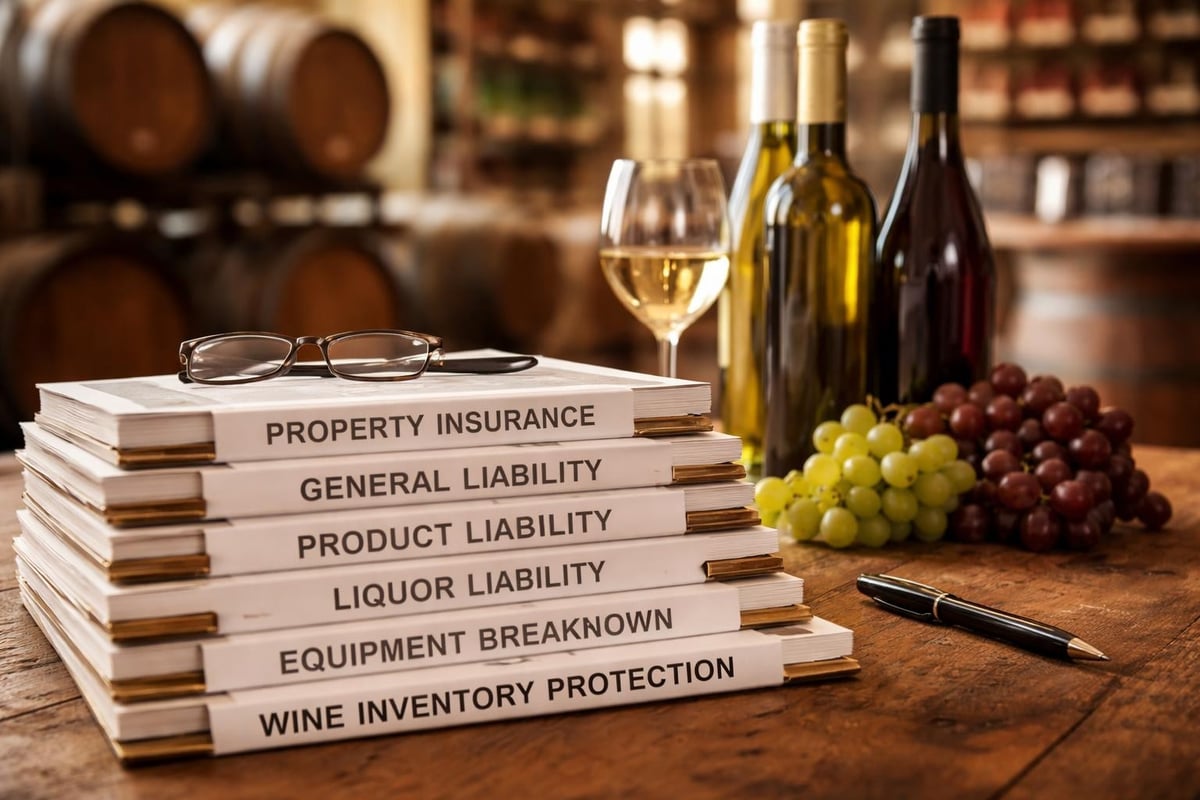
Core Coverage Components Every Winery Requires
Building comprehensive insurance for wineries starts with identifying essential coverage types:
- Commercial Property Insurance protects buildings, processing facilities, tasting rooms, and storage structures
- General Liability Coverage addresses slip-and-fall accidents, visitor injuries, and third-party property damage
- Product Liability Insurance covers claims arising from contaminated or defective wine products
- Liquor Liability Protection specifically addresses alcohol-related incidents involving intoxicated guests
- Equipment Breakdown Coverage protects expensive fermentation tanks, bottling lines, and cooling systems
- Wine Inventory Coverage insures aging wine and finished products against spoilage, leakage, and contamination
Understanding commercial general liability insurance coverage provides essential foundation knowledge, but winery operations demand specialized endorsements beyond standard policies.
Property Coverage for Vineyard and Production Facilities
Your winery represents a substantial fixed-asset investment. From vineyard land improvements to climate-controlled storage facilities, protecting these physical assets requires carefully structured property coverage. Many winery owners underestimate the replacement cost of specialized structures like barrel rooms with precise temperature and humidity controls.
Minnesota wineries should specifically address these property exposures:
- Vineyard Infrastructure: Trellising systems, irrigation networks, and frost protection equipment represent significant capital investments vulnerable to storm damage
- Production Equipment: Crushers, destemmers, presses, fermentation vessels, and bottling equipment require specialized replacement cost coverage
- Buildings and Structures: Tasting rooms, production facilities, barrel storage, and retail spaces need appropriate valuation
- Wine Inventory: Both aging wine in barrels and finished bottled products require specific coverage limits
According to Travelers Insurance, many standard policies exclude or limit coverage for wine inventory, making specialized endorsements critical. A single contamination event could render an entire vintage worthless, representing years of lost revenue and investment.
Valuing Your Winery Property Accurately
| Asset Category | Valuation Method | Common Pitfall |
|---|---|---|
| Vineyard Land | Agricultural appraisal plus improvements | Excluding trellising and irrigation systems |
| Production Equipment | Replacement cost for specialized machinery | Using depreciated book value instead |
| Wine Inventory | Replacement cost of grapes, production, aging | Only insuring bottle value, not production investment |
| Buildings | Reconstruction cost with current codes | Using purchase price from years ago |
Working with an independent broker who has access to insurance for building specialists ensures proper valuation. Minnesota building codes have evolved significantly, and reconstruction costs typically exceed original construction expenses.
Liability Protection for Tasting Rooms and Events
Minnesota's wine country attracts thousands of visitors annually, creating substantial liability exposure. Your tasting room isn't just retail space-it's a venue where guests consume alcohol, potentially becoming impaired before driving home. This combination of premises liability and liquor liability demands comprehensive protection strategies.
Insurance for wineries must address these liability scenarios:
- Guests injured in slip-and-fall accidents in tasting rooms or on vineyard tours
- Vehicle accidents involving intoxicated patrons who left your establishment
- Food poisoning or allergic reactions from tasting room offerings
- Property damage during weddings or special events
- Legal defense costs from frivolous lawsuits
Liquor liability coverage operates separately from general liability insurance, specifically addressing alcohol-related incidents. Minnesota dram shop laws can hold wineries liable for damages caused by intoxicated patrons, making adequate limits essential.
Event Coverage Considerations
Many Minnesota wineries supplement tasting room revenue by hosting weddings, corporate events, and wine dinners. These activities create additional exposure:
- Increased visitor volumes during compressed timeframes
- Third-party vendor activities on your property
- Potential for larger liability claims from serious injuries
- Contract requirements from event clients demanding specific coverage
Your liability insurance should include event-specific endorsements or special event policies for major gatherings. Some insurers offer flexible coverage that automatically extends to occasional events while requiring scheduled coverage for regular event business.
Specialized Coverage for Wine Production and Storage
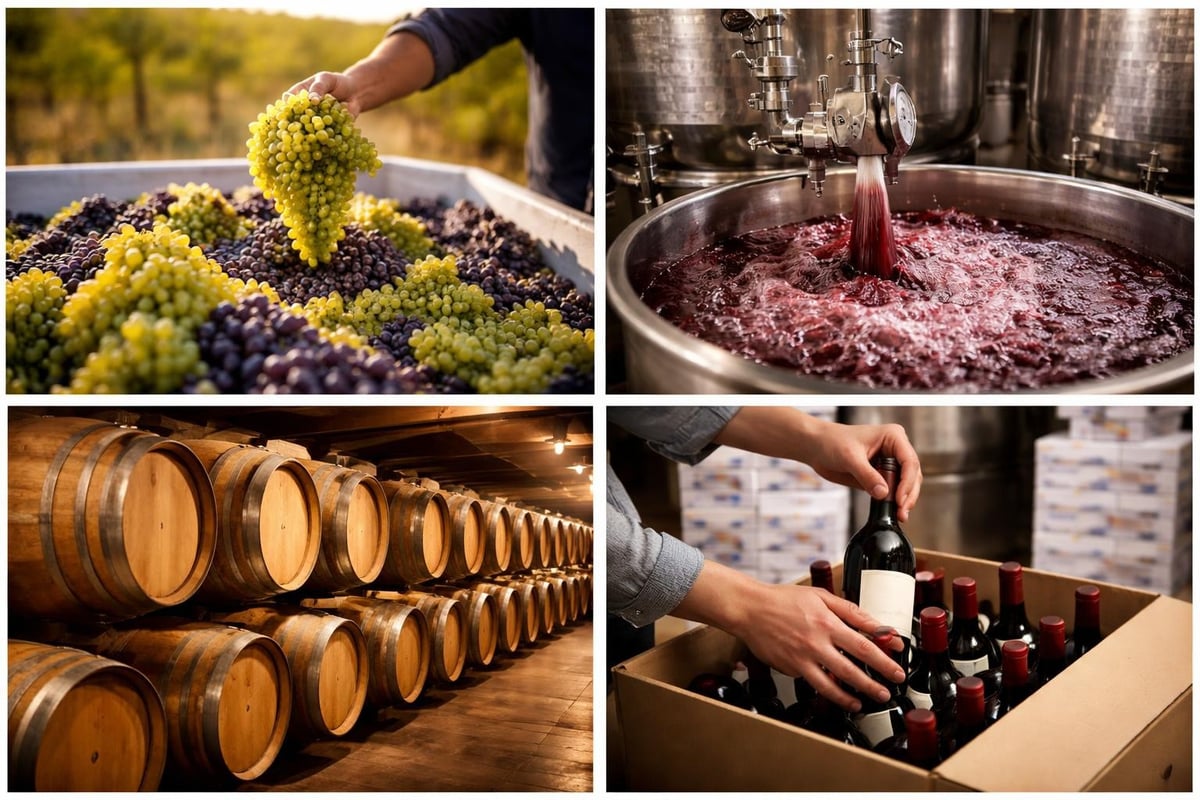
The transformation from grapes to finished wine involves multiple stages where specialized risks emerge. A contamination event during fermentation could destroy an entire vintage, representing not just the grape cost but years of anticipated revenue. Insurance for wineries must specifically address these production-related perils.
Critical Production Exposures
Temperature control failures during fermentation or aging can ruin wine quality. Power outages, equipment malfunctions, or extreme weather events in Minnesota can all trigger such failures. Equipment breakdown coverage addresses mechanical failures, but may exclude spoilage losses unless specifically endorsed.
Wine leakage and contamination coverage protects against:
- Cork taint affecting entire batches
- Barrel defects causing oxidation or contamination
- Bottling line failures introducing foreign substances
- Storage incidents like broken bottles contaminating surrounding inventory
- Refrigeration failures during aging or storage
According to Chubb’s winery insurance solutions, specialized policies address these unique exposures with coverage specifically designed for wine production processes. Standard commercial property policies typically exclude or severely limit spoilage and contamination coverage.
Workers Compensation and Employee-Related Coverage
Minnesota wineries face seasonal employment patterns creating unique workers compensation challenges. Harvest season demands temporary labor for picking, processing, and production activities, while tasting rooms require year-round hospitality staff. This employment mix requires careful attention to classification codes and coverage adequacy.
Key employee coverage considerations include:
- Seasonal agricultural workers during harvest periods
- Production facility employees operating machinery
- Tasting room staff with customer service duties
- Delivery drivers transporting products
- Vineyard maintenance personnel
Workers comp insurance coverage premiums vary significantly based on job classification. Properly categorizing employees ensures accurate pricing while maintaining compliance with Minnesota requirements. Misclassification can result in substantial premium adjustments during audits.
Managing Seasonal Employment Risks
| Employment Period | Primary Risks | Coverage Strategy |
|---|---|---|
| Spring (Planting/Pruning) | Repetitive motion injuries, equipment accidents | Ensure proper classification for agricultural workers |
| Summer (Maintenance) | Heat-related illness, machinery injuries | Verify seasonal worker coverage adequacy |
| Fall (Harvest) | Maximum injury exposure, temporary labor | Consider scheduled coverage for peak periods |
| Winter (Production/Tasting) | Slip-and-fall, production equipment injuries | Maintain year-round coverage for core staff |
Minnesota's agricultural employment regulations add complexity to workers compensation requirements. Partnering with an independent broker familiar with commercial insurance for business in the agricultural sector ensures compliance and appropriate coverage.
Business Interruption and Loss of Income Protection
Imagine a warehouse fire destroys your entire bottled inventory three weeks before peak holiday sales season. Beyond replacing the wine itself, your business loses months of anticipated revenue while rebuilding inventory through rushed production or emergency purchases. Business interruption coverage addresses this critical exposure that property insurance alone cannot resolve.
Insurance for wineries should include business interruption provisions covering:
- Lost revenue during facility repairs or reconstruction
- Extra expenses for temporary production facilities or emergency product sourcing
- Extended periods reflecting wine production timelines (aging cannot be rushed)
- Payroll continuation maintaining key employees during recovery
According to Risk Strategies’ winery insurance programs, standard business interruption periods prove inadequate for wineries because product replacement involves lengthy aging processes. A three-year-old Cabernet cannot be replaced in weeks.
Calculating Adequate Business Interruption Limits
Most policies limit business interruption coverage to 12-24 months. However, wineries require extended coverage periods reflecting:
- Time to replant damaged vineyards (2-3 years until productive harvest)
- Aging requirements for premium wines (1-5 years depending on variety)
- Time to rebuild customer relationships and distribution channels
- Seasonal revenue patterns concentrated in specific periods
Your coverage limits should reflect annual revenue plus extraordinary expenses during recovery. Minnesota wineries dependent on summer tourism and holiday sales face concentrated revenue periods where interruptions create disproportionate impact.
Product Recall and Contamination Coverage
Wine production involves biological processes where contamination risks remain present despite careful quality controls. A single contaminated bottle discovered in distribution can trigger voluntary recalls affecting thousands of cases, creating substantial financial losses beyond the product value itself. Product recall coverage addresses these exposures inadequately covered by standard product liability policies.
Recall-related expenses include:
- Product retrieval and destruction costs
- Public relations and crisis management
- Lost revenue from recalled products
- Brand rehabilitation expenses
- Regulatory compliance and investigation costs
First Underwriters Insurance Brokers emphasize that product recall coverage operates separately from product liability insurance. Liability policies address claims from individuals harmed by defective products, while recall coverage addresses the business expense of voluntarily removing products from distribution before claims occur.
Contamination Scenarios Requiring Specialized Coverage
Minnesota wineries face various contamination risks:
- Microbial contamination from bacteria or wild yeast affecting fermentation
- Chemical contamination from cleaning agents or pesticides
- Physical contamination from glass, cork, or foreign materials
- Allergen concerns from fining agents or cross-contamination in shared facilities
- Mislabeling issues affecting allergen warnings or alcohol content declarations
Working with an insurance broker who understands food and beverage industry requirements ensures your coverage addresses these specialized exposures adequately.
Vehicle and Transportation Coverage
Product distribution, supplier pickups, and customer deliveries require commercial auto coverage tailored to winery operations. Your personal auto policy won't cover business use of vehicles, and standard commercial auto policies may exclude certain winery-specific activities. Insurance for wineries should address all vehicle-related exposures comprehensively.
Critical auto coverage components include:
- Owned vehicles for deliveries and operations
- Non-owned vehicles when employees use personal cars for business
- Hired vehicles for temporary rentals during peak periods
- Cargo coverage protecting wine shipments against damage or theft
- Refrigerated trailer coverage if transporting temperature-sensitive products
Minnesota's climate creates additional vehicle risks. Winter driving conditions increase accident probability, while summer tourism season brings increased delivery volumes. Fleet insurance options may benefit wineries operating multiple vehicles.
Distribution and Transportation Risks
| Transportation Activity | Primary Risk | Required Coverage |
|---|---|---|
| Direct-to-consumer deliveries | Cargo damage, traffic accidents | Commercial auto with cargo endorsement |
| Distributor shipments | Spoilage during transport, rejected loads | Refrigerated cargo, business interruption |
| Event transportation | Equipment damage, liability at venues | Inland marine, event coverage |
| Employee vehicle use | Accidents during business errands | Non-owned auto liability |
Cyber Liability for Modern Winery Operations
Today's wineries maintain substantial digital presences through e-commerce platforms, customer databases, and payment processing systems. A data breach exposing customer credit card information creates both regulatory obligations and reputational damage that could devastate your business. Cyber insurance addresses these modern risks inadequately covered by traditional policies.
Cyber coverage addresses:
- Data breach notification costs and credit monitoring services
- Regulatory fines and penalties from privacy law violations
- Business interruption from ransomware or system failures
- Cyber extortion payments and negotiation expenses
- Reputation management and public relations costs
Cyber insurance companies offer policies specifically designed for businesses processing customer data. Minnesota wineries selling online or maintaining wine club memberships need this protection.
E-commerce and Wine Club Considerations
Direct-to-consumer sales through online platforms create valuable revenue streams but introduce cyber vulnerabilities:
- Payment processing systems storing credit card information
- Customer databases containing personal and purchasing data
- Wine club memberships with recurring billing information
- Email marketing platforms with subscriber details
- Shipping information including home addresses
According to Insureon’s winery insurance overview, many winery owners overlook cyber coverage because they don't perceive themselves as technology businesses. However, any business collecting customer data faces cyber liability exposure.
Risk Management Strategies to Reduce Premiums
Insurance for wineries becomes more affordable when paired with proactive risk management demonstrating your commitment to loss prevention. Insurers reward wineries that implement documented safety programs, quality controls, and emergency preparedness plans with lower premiums and better coverage terms.
Effective risk management strategies include:
- Safety training programs for all employees covering equipment operation, chemical handling, and emergency procedures
- Quality control protocols documenting production processes and contamination prevention measures
- Visitor management systems including responsible alcohol service training and designated driver programs
- Property maintenance schedules addressing fire hazards, electrical systems, and mechanical equipment
- Emergency response plans covering fires, natural disasters, contamination events, and cyber incidents
Documentation That Reduces Insurance Costs
| Risk Management Program | Insurance Impact | Implementation Steps |
|---|---|---|
| Written safety procedures | 5-15% workers comp discount | Document all safety protocols, conduct regular training |
| Fire suppression systems | Lower property premiums | Install sprinklers, fire extinguishers, and monitoring systems |
| Security systems | Reduced theft claims | Implement cameras, alarms, and access controls |
| Quality control documentation | Lower product liability rates | Maintain production logs, testing records, and traceability |
| Cyber security measures | Improved cyber coverage terms | Use encryption, multi-factor authentication, and regular backups |
Working with general insurance agencies that specialize in agricultural and hospitality risks helps identify which risk management investments provide the best return through premium reductions.
Selecting the Right Insurance Partner for Your Winery
Choosing an insurance provider for your Minnesota winery requires more than comparing premiums. The right partner understands wine industry risks, offers access to specialized coverage options, and provides responsive service when claims occur. Insurance for wineries demands expertise that general commercial agents may lack.
Evaluate potential insurance partners based on:
- Industry experience with vineyard and winery operations
- Carrier access to insurers offering specialized wine industry coverage
- Coverage comprehensiveness including all exposures discussed in this article
- Claims handling reputation and responsiveness during difficult situations
- Risk management support helping identify and mitigate exposures
Independent insurance brokers offer advantages over single-company agents by accessing multiple carriers and comparing coverage options. According to Van Beurden Insurance Services, working with brokers familiar with wine industry nuances ensures proper coverage without gaps or unnecessary overlaps.
Questions to Ask Potential Insurance Providers
Before selecting your insurance partner, ask these critical questions:
- How many wineries do you currently insure in Minnesota?
- Which carriers in your portfolio offer wine-specific endorsements?
- Can you provide references from other winery clients?
- How do you handle claims involving wine inventory losses?
- What risk management resources do you provide to reduce our premiums?
The answers reveal whether the provider truly understands insurance for wineries or merely offers generic commercial coverage with inadequate protection for your unique exposures.
Coverage Costs and Budgeting for Winery Insurance
Premium costs for comprehensive winery coverage vary dramatically based on your operation's size, visitor volume, production capacity, and claims history. Small boutique wineries might invest $5,000-$15,000 annually in insurance, while larger operations with extensive tasting room traffic and high production volumes could require $50,000-$100,000 or more.
Factors affecting your insurance costs include:
- Annual revenue and production volume
- Tasting room visitor counts and event frequency
- Employee headcount and payroll amounts
- Property values including buildings, equipment, and inventory
- Wine inventory values both in production and finished goods
- Claims history from previous insurance years
- Risk management programs demonstrating proactive loss prevention
Budget adequately by requesting quotes that include all necessary coverage components rather than selecting the cheapest option that leaves dangerous gaps. The cost difference between inadequate and comprehensive insurance for wineries often measures only thousands of dollars annually-minimal compared to potential uninsured losses.
Annual Insurance Review Requirements
Your winery's insurance needs evolve as your business grows:
- Spring: Review property values before peak visitor season begins
- Fall: Update inventory values after harvest and before holiday sales
- Annually: Reassess employee counts, revenue projections, and coverage adequacy
- After major changes: Obtain coverage adjustments for expansions, new products, or operational changes
Maintaining better coverage requires ongoing communication with your insurance provider, not simply renewing the same policy year after year without updates.
Protecting your Minnesota winery requires specialized insurance solutions addressing the unique combination of agricultural, manufacturing, hospitality, and retail risks inherent in wine production and sales. From vineyard property coverage to cyber liability protection, comprehensive insurance for wineries ensures your investment remains secure against the diverse exposures that could otherwise threaten your operation. Guardian Insurance Services MN brings independent broker advantages to Minnesota winery owners, offering access to over 35 insurance companies and the specialized expertise needed to build complete coverage programs. Whether you're operating an established winery near Alexandria or launching a new venture in the Twin Cities area, our locally owned team in Albany and Freeport delivers the personalized service and industry knowledge you need to protect your business effectively.