
Planning an event in Minnesota brings excitement and opportunity, but it also carries significant financial risk. Whether you're organizing a wedding reception in St. Paul, a music festival in Duluth, or a corporate gathering in Minneapolis, one accident or injury could cost you thousands of dollars. Event public liability insurance provides the critical financial protection that every event organizer needs to host gatherings with confidence and peace of mind.
What Event Public Liability Insurance Actually Covers
Event public liability insurance protects you against claims arising from third-party bodily injury or property damage during your event. This specialized coverage extends beyond standard business insurance policies to address the unique risks associated with gatherings, performances, and celebrations.
Financial Protection Against Attendee Injuries
When someone gets injured at your event, you could face substantial medical bills and legal expenses. Event public liability insurance covers situations like:
- Guests slipping on wet floors at your Rochester banquet hall
- Attendees tripping over equipment at your Bloomington trade show
- Children injured on event equipment at your St. Cloud festival
- Vendors hurt while setting up at your Minneapolis corporate event
The average personal injury claim costs between $15,000 and $50,000, but severe injuries can result in lawsuits exceeding $500,000. This coverage ensures you're not personally responsible for these devastating expenses.
Property Damage Coverage You Can't Ignore
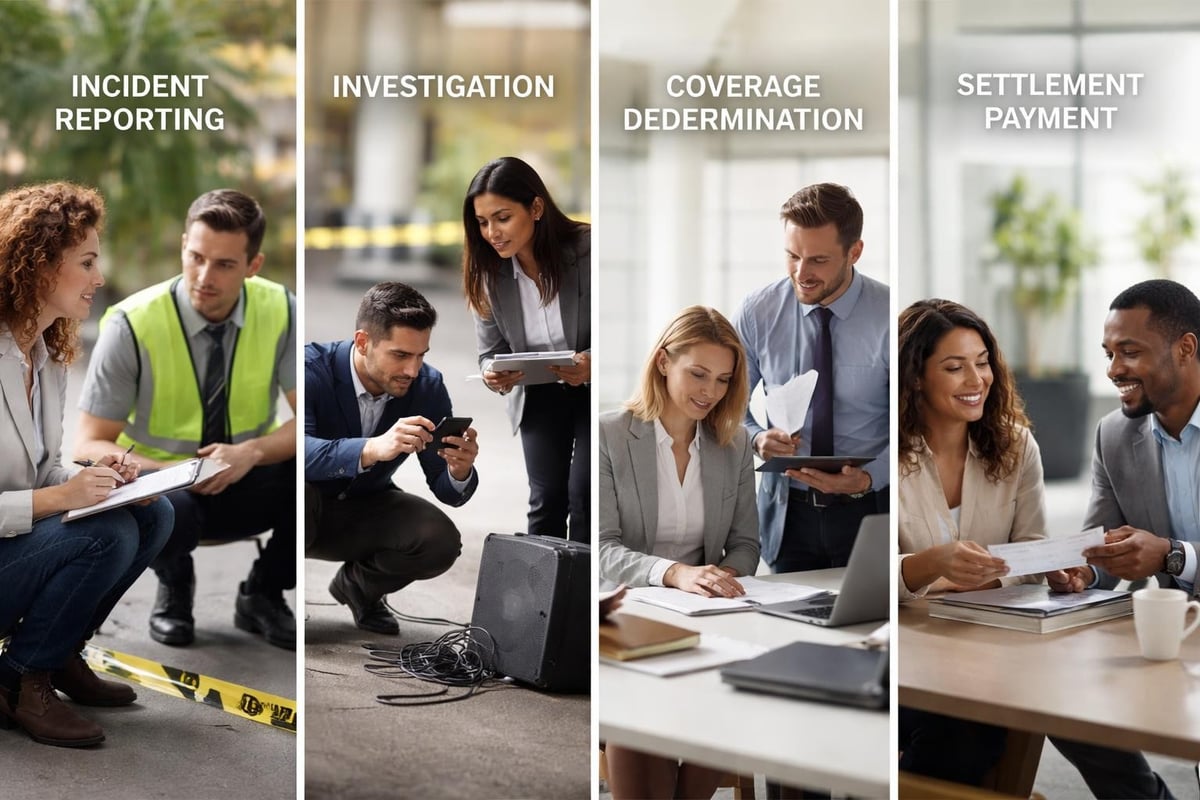
Events often take place in rented venues, and damage to third-party property represents a serious financial threat. Your coverage responds when your event causes:
- Damage to venue walls from decorations in Mankato event spaces
- Broken fixtures at your Winona wedding venue
- Fire damage from equipment at your Duluth concert venue
- Water damage from catering mishaps at Minneapolis conference centers
Understanding liability insurance is essential for anyone hosting events, as standard policies may not provide adequate coverage for event-specific scenarios.
Why Minnesota Event Organizers Need This Coverage
Minnesota's vibrant event scene includes everything from agricultural fairs to urban festivals, each carrying distinct liability exposures. The state's legal environment and weather conditions create unique challenges for event organizers.
Legal Requirements and Venue Mandates
Most professional venues in Minneapolis, St. Paul, and throughout Minnesota require proof of event public liability insurance before you can book their space. These requirements typically include:
| Venue Type | Minimum Coverage | Certificate Deadline |
|---|---|---|
| Hotels & Banquet Halls | $1-2 million | 30 days before event |
| Parks & Outdoor Spaces | $1 million | 14-30 days before |
| Conference Centers | $2 million | 45 days before event |
| Historic Venues | $2-5 million | 60 days before event |
Without proper coverage, venues will cancel your booking, potentially forcing you to forfeit deposits and scramble for alternative locations. According to industry experts, venue requirements have become increasingly strict as litigation costs rise.
Weather-Related Risks in Minnesota
Minnesota's unpredictable weather creates additional liability concerns. Spring and fall events face rain-related slip hazards, while winter gatherings deal with ice and snow accumulation. Event public liability insurance protects you when weather conditions contribute to accidents at your Moorhead outdoor festival or your Stillwater holiday market.
Summer storms can damage property and injure guests. When severe weather struck a Rochester outdoor wedding in summer 2025, the organizer's liability coverage paid over $85,000 in claims for guest injuries and venue damage.
Types of Events That Require Public Liability Coverage
Different event types present varying risk profiles, and understanding your specific exposure helps you secure appropriate coverage limits.
Private Celebrations and Social Gatherings
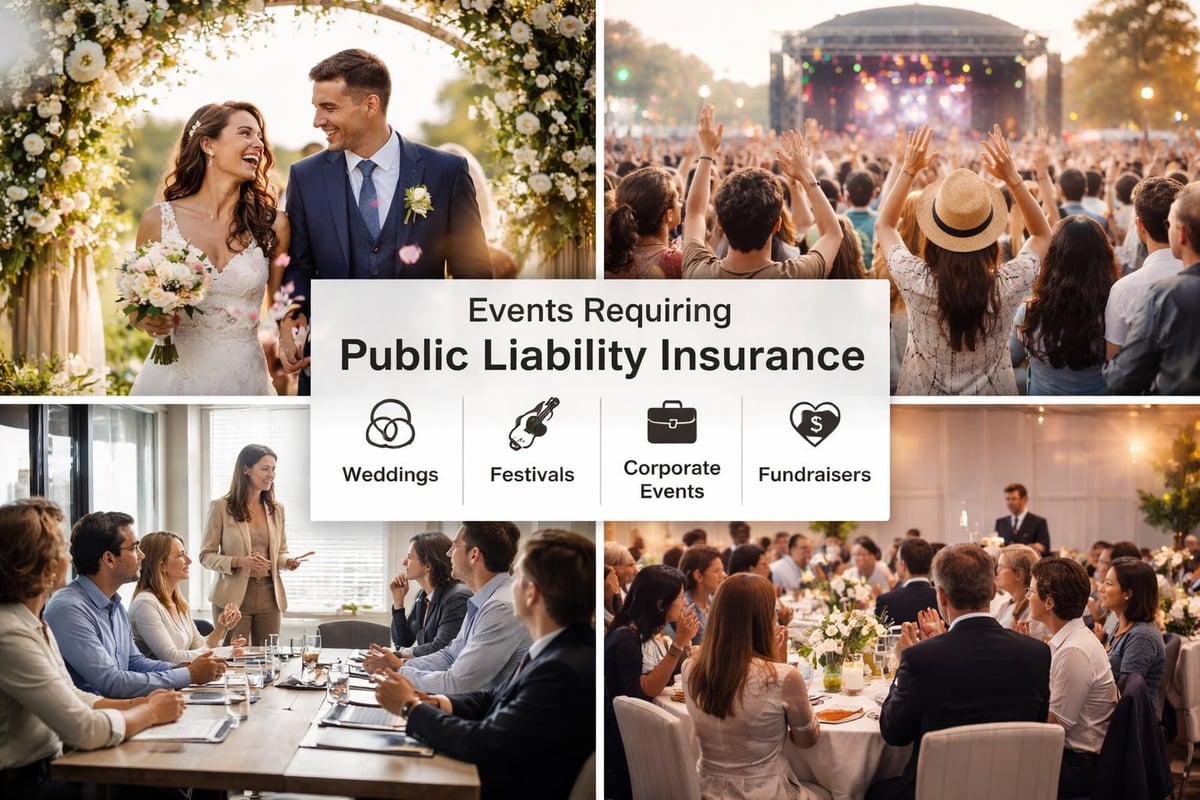
Weddings represent one of the most common events requiring liability insurance. With average guest counts exceeding 150 people and alcohol service, Minnesota weddings in venues from Brainerd to Albert Lea carry substantial risk exposure.
Birthday parties and anniversaries at rented venues also need protection. A child's injury at a Minneapolis bounce house party resulted in a $120,000 claim in 2025, highlighting why even small celebrations need coverage.
Reunions and graduations at parks or community centers throughout Minnesota should secure liability protection, especially when activities include sports, games, or water features.
Corporate and Business Events
Minnesota businesses hosting conferences, trade shows, and networking events face unique liability challenges. Commercial liability insurance coverage may not extend to special events, requiring separate event-specific policies.
Product launches at venues like Mall of America or downtown Minneapolis hotels need coverage for large crowds and product demonstrations. Team-building activities at outdoor venues in Ely or Grand Marais create exposure through physical activities and recreational equipment.
Training seminars and workshops held at Edina or Burnsville facilities should secure coverage for slip-and-fall accidents and other common liability claims.
Coverage Limits and Cost Considerations
Selecting appropriate coverage limits requires balancing adequate protection against budget constraints. Understanding the factors that influence pricing helps you make informed decisions.
Determining the Right Coverage Amount
Most event organizers in Minnesota purchase between $1 million and $2 million in coverage. Consider these factors when selecting limits:
- Event size: Gatherings over 500 people typically need higher limits
- Activity type: High-risk activities like concerts or sports require increased coverage
- Venue requirements: Match or exceed mandatory minimums
- Alcohol service: Events serving alcohol need 25-50% higher limits
- Contract obligations: Vendor agreements may specify minimum coverage
Single events rarely need more than $2 million unless contract requirements dictate higher amounts. Multi-day festivals or concerts with thousands of attendees may require $5 million or more.
What You'll Actually Pay for Coverage
Event public liability insurance costs vary significantly based on risk factors, but most Minnesota organizers pay between $150 and $500 for single-event coverage. Here's what influences your premium:
- Number of attendees: More guests increase risk and cost
- Event duration: Multi-day events cost more than single-day gatherings
- Location: Indoor venues typically cost less than outdoor spaces
- Alcohol availability: Licensed bars increase premiums by 30-50%
- Activities offered: Live entertainment, sports, or children's activities raise costs
A 200-person wedding at a Minneapolis venue with bar service typically costs $275-$375 for $1 million in coverage. A 5,000-person music festival in Duluth might pay $2,500-$5,000 for comprehensive protection.
Resources on event liability coverage provide additional insights into cost factors and coverage selection strategies.
What Event Public Liability Insurance Doesn't Cover
Understanding policy exclusions prevents unwelcome surprises when you file a claim. Standard event public liability insurance has important limitations that require additional coverage.
Common Policy Exclusions
Professional liability claims aren't covered under event policies. If your event planning advice causes financial harm, you need separate errors and omissions insurance. Minnesota event planners should maintain both coverages.
Property you own or rent isn't protected by liability insurance. If you damage the St. Paul venue you rented, that falls under tenant's or renter's insurance, not liability coverage.
Employee injuries require workers' compensation insurance instead of liability coverage. When you hire bartenders or security staff for your Edina corporate event, workers compensation coverage becomes essential.
Intentional acts are never covered. If security personnel intentionally harm a guest, liability insurance won't respond to resulting claims.
When You Need Additional Coverage
Certain event elements require supplementary insurance products:
- Cancellation insurance protects against lost deposits when weather or illness forces postponement
- Liquor liability provides additional protection for events with substantial alcohol service
- Equipment insurance covers rented sound systems, lighting, and staging
- Prize indemnity insurance protects against unexpected contest payouts
How to Purchase Event Public Liability Insurance in Minnesota
Securing coverage requires advance planning and documentation. Following a systematic approach ensures you obtain appropriate protection at competitive rates.
Timeline for Purchasing Coverage
Start 90 days before your event if possible. While you can purchase coverage closer to your event date, early planning provides better options and pricing. Large festivals and multi-day events should begin the insurance process 120-180 days in advance.
Finalize coverage 30-45 days before your event to meet venue certificate deadlines. Most Minnesota venues require proof of insurance at least 30 days prior to your event date.
Documentation You'll Need to Provide
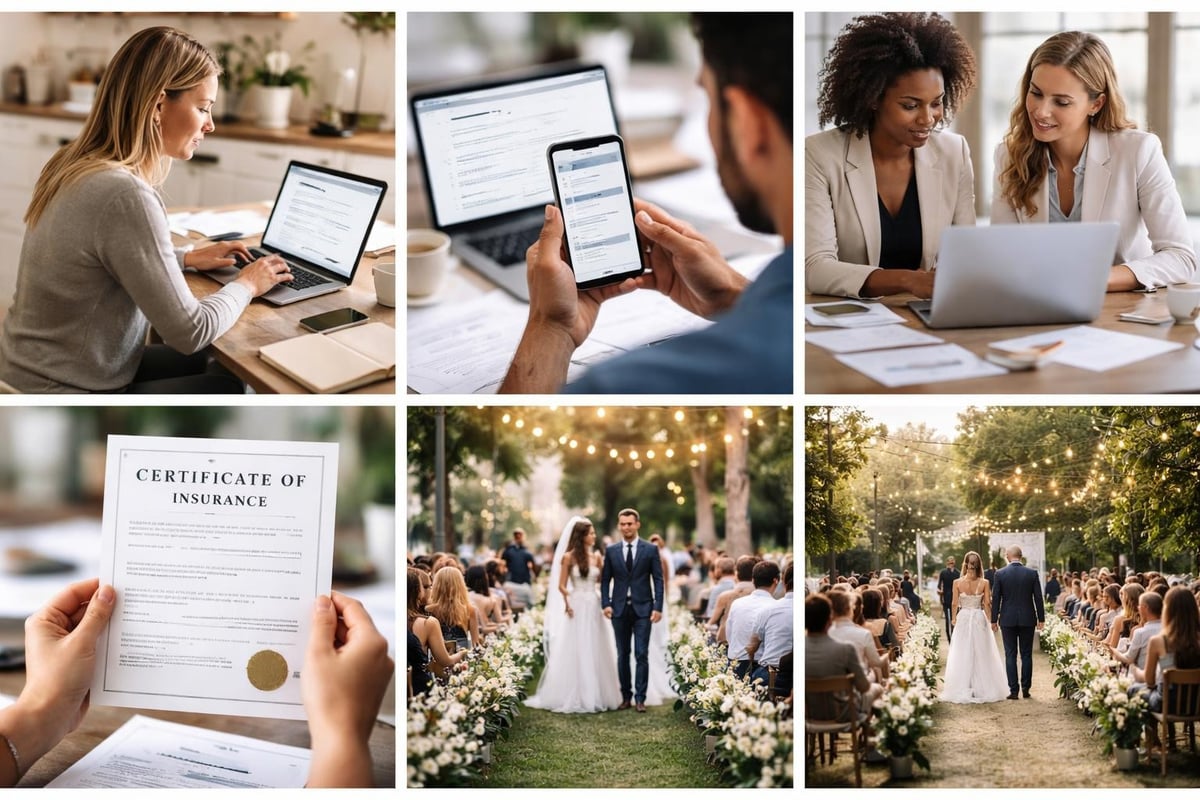
Insurers require specific information to quote and bind event public liability insurance:
- Event date, time, and location details
- Expected attendance numbers
- Detailed description of activities
- Vendor and contractor information
- Alcohol service plans
- Security arrangements
- Previous loss history
Working with an experienced insurance broker streamlines the process and ensures you provide complete information upfront.
Special Considerations for Outdoor Events in Minnesota
Minnesota's outdoor event season runs from late spring through early fall, creating concentrated risk periods that require careful planning and adequate insurance protection.
Weather-Related Challenges and Solutions
Outdoor events face unpredictable Minnesota weather from severe thunderstorms to unexpected cold snaps. Event public liability insurance covers weather-related accidents but doesn't replace lost revenue from cancellations.
Ground conditions at parks and fairgrounds create slip-and-fall hazards. Events at venues like Como Park in St. Paul or Lake Harriet in Minneapolis should include comprehensive liability protection for uneven terrain and weather-damaged surfaces.
Temperature extremes cause heat exhaustion in summer and cold-related injuries in spring and fall. Your liability coverage responds to medical claims from weather-related health emergencies.
Permitting and Insurance Requirements
Minnesota cities require permits for public events, and most mandate proof of liability insurance. Requirements vary by location:
- Minneapolis: $1 million minimum for park events
- St. Paul: $1-2 million depending on event size
- Duluth: $1 million for most outdoor gatherings
- Rochester: $1 million standard requirement
Smaller communities like Albany and Freeport may have different requirements, so verify local regulations early in your planning process. Understanding one-off event coverage helps you navigate these varying requirements effectively.
Risk Management Strategies Beyond Insurance
Event public liability insurance provides financial protection, but proactive risk management reduces the likelihood of claims occurring in the first place.
Pre-Event Safety Measures
Venue inspections identify hazards before guests arrive. Walk through your Bloomington conference center or Mankato banquet hall looking for:
- Uneven flooring or torn carpeting
- Inadequate lighting in walkways
- Obstructed emergency exits
- Slippery surfaces near entrances
Document hazards and work with venue management to address issues before your event begins.
Vendor credentials matter significantly. Verify that caterers, entertainers, and equipment rental companies carry their own liability insurance and provide certificates of insurance. This transfers certain risks away from you as the event organizer.
During-Event Safety Protocols
Assign staff or volunteers to monitor safety throughout your event. Key responsibilities include:
- Watching for spills and addressing them immediately
- Managing crowd flow to prevent overcrowding
- Monitoring intoxicated guests when alcohol is served
- Responding quickly to incidents and documenting them
- Maintaining clear emergency exit access
Minnesota events serving alcohol should hire professional security or off-duty police officers, especially for gatherings exceeding 200 people. This reduces liability exposure and often lowers insurance costs.
Annual Policies vs. Single-Event Coverage
Event organizers who host multiple gatherings throughout the year should evaluate whether annual event public liability insurance provides better value than purchasing separate policies for each occasion.
When Annual Coverage Makes Financial Sense
If you organize four or more events annually, an annual policy typically costs less than individual event policies. Minnesota wedding planners, festival organizers, and corporate event coordinators benefit from year-round coverage.
Annual policies provide:
- Continuous coverage without gaps
- Simplified administration and paperwork
- Often higher coverage limits
- Automatic coverage for small, informal gatherings
A Minneapolis event planner hosting 12 weddings annually might pay $1,800 for an annual policy versus $3,600 for separate event policies.
Single-Event Coverage Advantages
Organizations hosting one or two events per year save money with single-event policies. A Freeport business hosting only an annual client appreciation event should purchase standalone coverage rather than maintaining year-round protection.
Single-event policies offer:
- Lower upfront costs for occasional organizers
- Coverage customized to specific event needs
- No annual premium commitment
- Flexibility to skip coverage in years without events
Working with Insurance Professionals
Navigating event public liability insurance complexity benefits from professional guidance. Independent insurance brokers provide access to multiple carriers and expertise in coverage selection.
Benefits of Independent Insurance Brokers
Independent brokers represent multiple insurance companies rather than a single carrier. This means they can:
- Compare quotes from 10-35 different insurers
- Find specialized coverage for unique event types
- Negotiate better terms and pricing
- Provide ongoing support if claims arise
- Understand Minnesota-specific requirements and risks
General insurance agencies offer broader perspectives on how event coverage integrates with your other insurance needs, creating comprehensive protection strategies.
Questions to Ask Your Insurance Advisor
Before purchasing event public liability insurance, discuss these critical questions with your advisor:
- What specific exclusions apply to this policy?
- How quickly can you provide certificates of insurance?
- What happens if I need to change event details after purchasing coverage?
- Are there coverage extensions available for unique risks?
- How does this integrate with my existing business or personal insurance?
Industry-Specific Event Insurance Considerations
Different event categories present unique liability exposures that require specialized coverage approaches and risk management strategies.
Festivals and Fairs
Minnesota's festival season includes everything from small-town celebrations to major metropolitan events. Liability concerns for festivals include:
Carnival rides and inflatables create significant injury potential. Some insurers exclude these activities, while others charge substantial premiums for coverage. Verify that your policy specifically covers mechanical rides.
Food vendors introduce food poisoning risks. While vendor liability typically covers foodborne illness, organizers face claims if they negligently selected or supervised vendors. Documentation supporting insurance claims demonstrates due diligence in vendor selection.
Crowd control incidents at popular festivals like those in Duluth or Rochester require adequate security and clearly marked boundaries. Insurance covers resulting injuries but can't prevent the reputational damage from poorly managed events.
Charity and Fundraising Events
Nonprofit organizations throughout Minnesota host fundraising events that require liability protection. Common challenges include:
- Volunteer workers: Unlike paid employees, volunteers aren't covered by workers' compensation, creating gaps in protection
- Donated items: Prize giveaways and auction items may create product liability exposure
- Activity-based fundraisers: Walks, runs, and sports competitions increase injury likelihood
Most event public liability insurance policies cover charity events, but verify coverage before assuming protection exists.
Protecting your Minnesota event with comprehensive liability insurance ensures that one unexpected accident doesn't derail your plans or finances. From understanding coverage options and exclusions to selecting appropriate limits and implementing risk management strategies, informed decisions create the foundation for successful gatherings. Whether you're planning a wedding in Albany, a corporate retreat in Freeport, or a festival anywhere across Minnesota, Guardian Insurance Services MN brings decades of local expertise and access to over 35 top insurance carriers to help you secure the right protection at competitive rates.