
Running a retail business in Minnesota requires more than just great products and customer service. Whether you operate a boutique in Minneapolis, a hardware store in St. Cloud, or a specialty shop in Rochester, protecting your business from unexpected events is critical to long-term success. Retail insurance provides the comprehensive safety net that keeps your doors open when accidents, theft, lawsuits, or natural disasters strike. Understanding which coverages matter most and how to structure your protection strategy can mean the difference between a temporary setback and permanent closure.
Understanding the Fundamentals of Retail Insurance
Retail insurance encompasses a specialized set of coverage types designed specifically for businesses that sell products directly to consumers. Unlike generic commercial policies, these insurance products address the unique exposures faced by store owners, from slip-and-fall accidents to inventory theft.
The core components typically include:
- Property coverage for buildings, fixtures, and inventory
- General liability protection against customer injuries
- Business interruption insurance for lost income
- Employee-related coverages including workers compensation
- Product liability for items sold to customers
- Cyber liability for payment processing and data protection
Minnesota retailers face specific challenges that make comprehensive coverage essential. Harsh winter weather can damage storefronts and disrupt business operations. The state's active legal environment means liability claims require robust protection. Additionally, commercial insurance for business in Minnesota must account for seasonal fluctuations that affect many retail operations.
Why Standard Business Insurance Falls Short
Many retail entrepreneurs mistakenly believe that basic commercial policies provide adequate protection. This assumption creates dangerous gaps. Standard business owner's policies often exclude critical retail-specific risks or provide insufficient coverage limits for inventory-heavy operations.
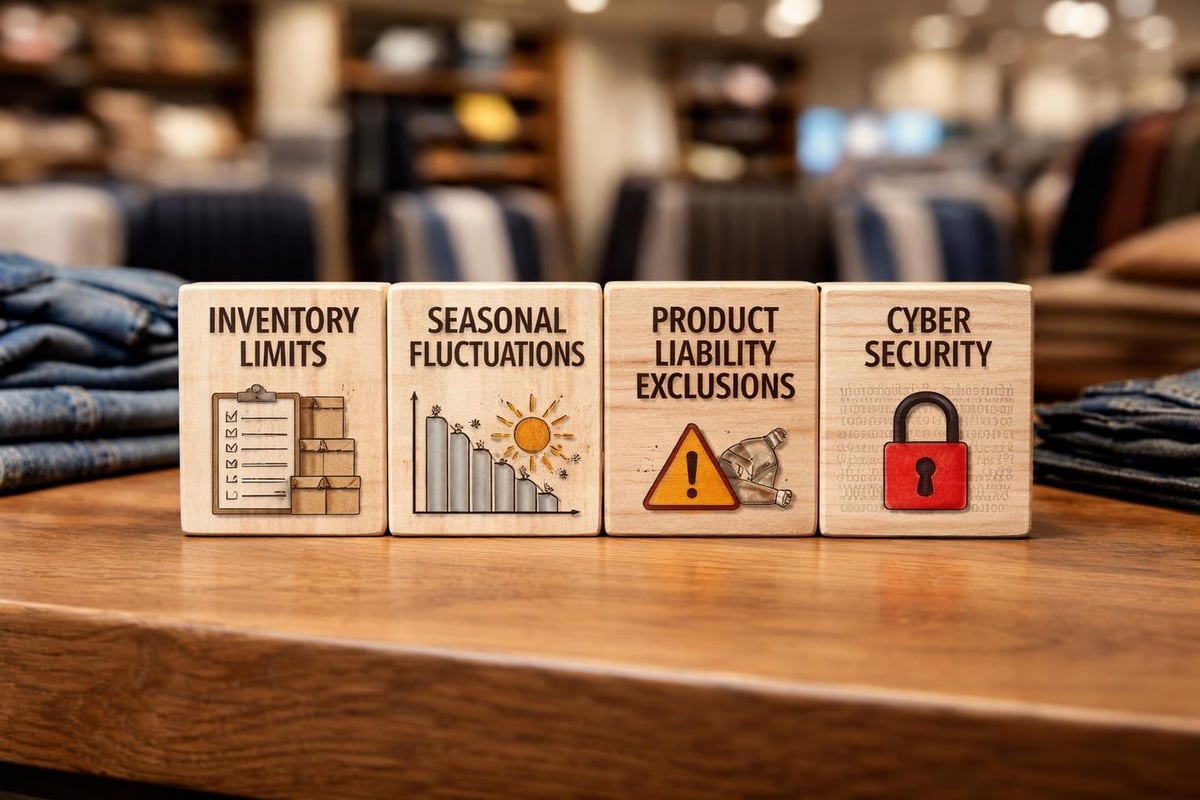
Consider the St. Paul retailer who discovered their general business policy capped inventory coverage at $50,000, despite carrying $200,000 in seasonal merchandise. When a pipe burst during a February cold snap, the resulting water damage left them drastically underinsured. Proper retail insurance would have provided appropriate inventory limits and seasonal adjustment provisions.
Critical Coverage Types Every Retailer Needs
Building a comprehensive retail insurance program requires understanding each coverage component and how they work together. General liability insurance forms the foundation, but retailers need multiple layers of protection.
Property and Inventory Protection
Your physical assets represent substantial investment. Commercial property insurance protects buildings, equipment, furniture, and fixtures, but inventory coverage deserves special attention.
Key considerations for inventory coverage include:
- Replacement cost versus actual cash value: Replacement cost policies rebuild your inventory at current prices, while actual cash value accounts for depreciation
- Seasonal adjustment endorsements: Allow coverage limits to increase during high-inventory periods
- Off-premises coverage: Protects goods in transit or at trade shows
- Refrigeration breakdown: Critical for food retailers and restaurants
| Coverage Type | What It Protects | Why Retailers Need It |
|---|---|---|
| Building Property | Structure, permanent fixtures | Protects owned or leased space investment |
| Business Personal Property | Inventory, equipment, furniture | Covers stock and operational assets |
| Business Income | Lost profits during closure | Maintains cash flow after covered losses |
| Extra Expense | Costs to continue operations | Funds temporary relocation or overtime |
According to NerdWallet’s retail business insurance guide, retailers should reassess property coverage limits quarterly to account for inventory fluctuations.
Liability Coverage That Matches Retail Risks
Retail businesses face unique liability exposures that demand tailored protection. General liability insurance addresses customer injuries on your premises, but product liability becomes equally important when you sell physical goods.
Minnesota retailers serving communities from Duluth to Mankato must prepare for diverse liability scenarios. Winter ice creates slip hazards. Product defects trigger lawsuits. Even advertising mistakes can result in claims. Comprehensive liability coverage should include:
- Premises liability for customer injuries
- Product liability for items sold
- Completed operations coverage
- Personal and advertising injury protection
- Medical payments regardless of fault
Workers Compensation and Employee Benefits
Minnesota law requires most businesses with employees to carry workers compensation insurance. Retail environments present specific employee injury risks, from repetitive motion injuries at checkout stations to back strains from stocking shelves.
Beyond basic workers comp, consider:
- Employment practices liability insurance
- Employee dishonesty coverage
- Group health insurance options
- Disability coverage for key personnel
The retail sector experiences higher-than-average workers compensation claims due to physical demands and customer interaction stressors. Proper coverage protects both your employees and your bottom line.
Emerging Risks in Modern Retail Operations
The retail landscape has transformed dramatically. Even traditional brick-and-mortar stores in Bloomington or Brainerd now maintain online presences, accept digital payments, and collect customer data. These modern operations introduce new vulnerabilities that traditional retail insurance policies never anticipated.
Cyber Security and Data Breach Protection
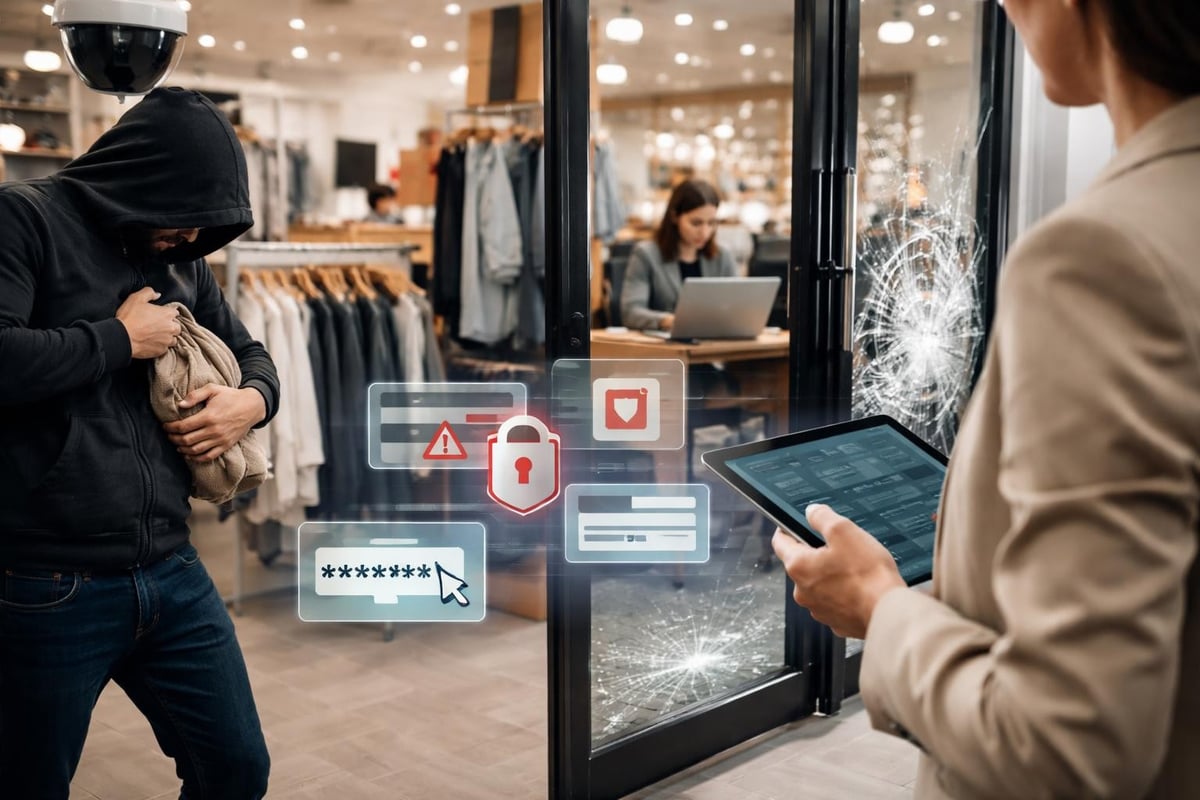
Payment card data theft represents a catastrophic risk for retailers. A single breach can result in notification costs, legal fees, regulatory fines, and reputation damage. The average retail data breach costs exceed $200,000 when accounting for all expenses.
Cyber insurance companies now offer retail-specific policies covering:
- Payment card industry (PCI) fines and penalties
- Customer notification and credit monitoring
- Public relations crisis management
- Business interruption from network outages
- Cyber extortion and ransomware attacks
Minnesota retailers processing credit cards must maintain PCI compliance and carry adequate cyber liability coverage. Don't assume your general liability policy covers data breaches. Most explicitly exclude cyber-related claims.
Business Interruption in the Digital Age
Traditional business interruption insurance covered physical damage that forced temporary closure. Modern retail operations face interruption from sources that never damage physical property.
Contemporary business interruption triggers include:
- Utility service interruptions affecting point-of-sale systems
- Supplier failures disrupting inventory availability
- Cyber attacks preventing online sales
- Civil authority orders closing businesses
- Communicable disease outbreaks
The COVID-19 pandemic revealed how many retailers carried inadequate business interruption coverage. Civil authority provisions, contingent business interruption, and pandemic coverage now warrant serious consideration for Minnesota retail operations.
Specialized Retail Sectors and Unique Needs
Not all retail businesses face identical risks. A jewelry store in Rochester confronts vastly different exposures than a garden center in Willmar. Understanding sector-specific needs ensures appropriate coverage selection.
High-Value Merchandise Retailers
Jewelry stores, electronics retailers, and luxury goods boutiques require enhanced property limits and specialized theft coverage. Standard commercial property policies cap coverage for certain high-value items.
Enhanced protection options include:
- Scheduled property endorsements for individual items
- Broader theft coverage including mysterious disappearance
- Inventory in transit coverage
- Armed robbery insurance
- Safe burglary coverage
Food and Beverage Retail
Grocery stores, specialty food shops, and restaurants face contamination risks, spoilage concerns, and food-borne illness liability. Types of retail insurance specifically designed for food retailers address these unique exposures.
| Risk Category | Coverage Solution | Why It Matters |
|---|---|---|
| Spoilage | Equipment breakdown, refrigeration coverage | Protects perishable inventory value |
| Contamination | Product recall, product liability | Funds recall costs and legal defense |
| Foodborne Illness | Product liability, general liability | Covers customer illness claims |
| Liquor Sales | Liquor liability endorsement | Protects against alcohol-related incidents |
Minnesota food retailers must also consider seasonal variations. Ice fishing season drives beverage sales, while summer produce demands shift inventory composition substantially.
E-Commerce and Hybrid Retailers
Pure online retailers and traditional stores with e-commerce components need coverage addressing both physical and digital operations. E-commerce insurance considerations include shipping damage, inventory in multiple locations, and expanded product liability.
Risk Management Strategies That Lower Premiums
Insurance premiums reflect the risk you present to carriers. Implementing effective risk management not only protects your business but also demonstrates to insurers that you're a preferred risk worthy of better rates.
Loss Control Measures That Matter
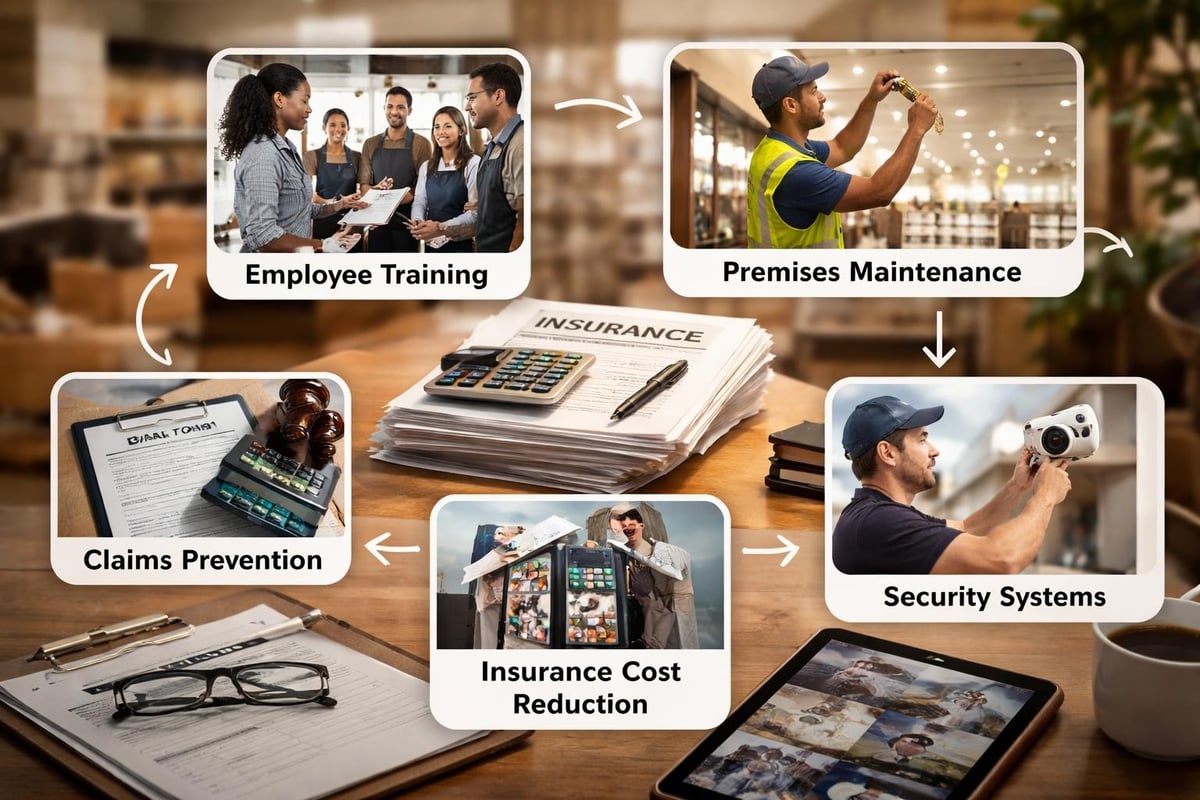
Proven strategies for reducing retail insurance costs:
- Install modern security systems with video surveillance
- Implement employee theft prevention protocols
- Maintain premises with regular safety inspections
- Train staff in customer service and conflict de-escalation
- Use proper lifting techniques and ergonomic equipment
- Establish formal hiring and termination procedures
- Create written safety policies and emergency procedures
A Mankato retailer reduced their general liability premium by 15% after installing slip-resistant flooring, improving lighting, and implementing quarterly safety training. These investments paid for themselves within eighteen months through premium savings alone.
Claims History Management
Your loss history directly impacts insurance costs. Even small claims can trigger premium increases lasting three to five years. Strategic claims management involves:
- Setting appropriate deductibles to avoid small claims
- Addressing minor losses internally when cost-effective
- Investigating incidents thoroughly before filing claims
- Implementing corrective actions after losses
- Documenting risk improvements to insurers
Working With Insurance Professionals
Navigating retail insurance complexity requires expert guidance. Independent insurance brokers access multiple carriers, allowing them to compare coverage options and pricing across the market. General insurance agencies representing single carriers cannot offer this breadth of choice.
Questions to Ask Your Insurance Broker
Before purchasing retail insurance, obtain clear answers to:
- What specific exclusions apply to my policy?
- How are inventory limits calculated and adjusted?
- Does the policy cover my e-commerce operations?
- What endorsements would strengthen my coverage?
- How does the claims process work?
- What risk management resources do you provide?
- How frequently should we review coverage?
Minnesota retailers in Albany, Freeport, and surrounding communities benefit from working with local brokers who understand regional risks, from tornado exposure to winter freeze damage patterns.
The Value of Annual Insurance Reviews
Your business evolves constantly. New product lines, additional locations, increased inventory, and changing revenue all impact insurance needs. Annual reviews ensure:
- Coverage limits match current business values
- New exposures receive appropriate protection
- Premium costs remain competitive
- Policy terms reflect current operations
- Emerging risks get addressed proactively
According to Nationwide’s retail business insurance resources, businesses that conduct annual insurance reviews identify coverage gaps three times more frequently than those using "set and forget" approaches.
Structuring Your Retail Insurance Program
Building an effective insurance program requires balancing comprehensive protection with budget constraints. Most retailers benefit from a layered approach combining standard coverages with specialized endorsements.
The Business Owner's Policy Foundation
Business Owner's Policies (BOPs) bundle property, liability, and business interruption coverage at attractive pricing. BOPs work well for:
- Retailers with straightforward operations
- Businesses occupying under 100,000 square feet
- Operations with inventory values under $1 million
- Low to moderate liability exposures
However, BOPs include limitations that may not suit all retailers. High-value inventory, multiple locations, or unique exposures often require customized commercial package policies instead.
Building Blocks for Comprehensive Coverage
| Coverage Layer | Protection Provided | Typical Retail Cost |
|---|---|---|
| BOP or Commercial Package | Property, liability, business income | $2,500 – $8,000 annually |
| Workers Compensation | Employee injury claims | $0.50 – $3.00 per $100 payroll |
| Cyber Liability | Data breach, network damage | $1,000 – $4,000 annually |
| Commercial Auto | Vehicle accidents, cargo | $1,200 – $2,500 per vehicle |
| Umbrella Liability | Excess liability limits | $500 – $1,500 annually |
Costs vary significantly based on location, revenue, inventory values, employee count, and claims history. Minnesota retailers should budget approximately 1-3% of gross revenue for comprehensive insurance coverage.
Endorsements That Close Coverage Gaps
Standard policies contain exclusions that endorsements can eliminate or reduce. Common retail endorsements include:
- Equipment breakdown for HVAC, refrigeration, and computer systems
- Outdoor sign coverage for freestanding signage
- Employee dishonesty for theft by staff
- Accounts receivable coverage for credit sales records
- Electronic data processing for computer systems
- Valuable papers and records protection
Working with knowledgeable brokers helps identify which endorsements provide value versus those adding unnecessary cost.
Minnesota-Specific Considerations
Retail insurance needs vary by location. Minnesota's climate, economy, and regulatory environment create specific considerations for retailers throughout the state.
Weather-Related Exposures
Minnesota experiences extreme weather variations creating unique property risks. Winter freeze damage, spring flooding, summer hail, and tornado activity all threaten retail operations. Coverage considerations include:
- Adequate windstorm and hail protection
- Flood insurance for properties in FEMA flood zones
- Ice dam damage coverage
- Backup of sewer and drain protection
Many Minnesota communities, from St. Paul to smaller towns like Albany and Freeport, sit in areas requiring flood insurance for comprehensive protection. Standard commercial property policies exclude flood damage entirely.
Seasonal Business Fluctuations
Minnesota's seasonal economy impacts many retail operations. Tourism peaks during summer lake season and winter recreation periods. Agricultural retailers experience fall harvest rushes. Address seasonal patterns through:
- Seasonal inventory adjustment endorsements
- Variable business interruption coverage
- Flexible employment practices liability
- Peak season property limit increases
Understanding how Program Business retail insurance programs address seasonal variations helps Minnesota retailers maintain adequate year-round protection without overpaying during slow periods.
Making Informed Coverage Decisions
Retail insurance represents a significant business expense requiring thoughtful decision-making. Effective coverage selection balances:
- Comprehensive protection against financial risk
- Affordable premiums fitting business budgets
- Appropriate deductibles managing cash flow impact
- Policy terms matching operational realities
- Insurer financial strength ensuring claims payment
The temptation to select minimal coverage or the cheapest premium often proves costly. Underinsurance leaves businesses vulnerable to catastrophic losses, while inadequate insurers may dispute legitimate claims or delay payments when you need them most.
Understanding Policy Terms and Conditions
Insurance policies contain complex legal language that dramatically impacts coverage. Critical policy provisions include:
- Coverage territory: Where protection applies
- Policy period: When coverage is active
- Deductibles: Your out-of-pocket costs per claim
- Coinsurance: Penalties for underinsuring property
- Exclusions: What the policy doesn't cover
- Conditions: Requirements for maintaining coverage
Never assume you understand coverage based on marketing materials or verbal explanations. Read actual policy documents or have your broker explain specific provisions affecting your retail operation.
Protecting your retail business requires more than just purchasing insurance – it demands a comprehensive strategy addressing your specific risks, operations, and budget. From property and liability coverage to cyber protection and business interruption insurance, each component plays a critical role in your financial security. Minnesota retailers benefit from working with experienced independent brokers who understand regional challenges and can access multiple carriers for optimal coverage at competitive prices. Guardian Insurance Services MN serves Albany, Freeport, and surrounding communities with personalized retail insurance solutions backed by over 35 top-rated insurance companies, helping you find the right protection for your unique business needs.