
Every business owner in Minnesota faces potential risks that could derail years of hard work in an instant. A customer slips on your premises, your employee accidentally damages client property, or someone claims your advertising harmed their reputation. These scenarios happen more frequently than most entrepreneurs anticipate, and without proper protection, they can lead to devastating financial consequences. Understanding general liability insurance business coverage isn't just about compliance-it's about safeguarding your livelihood and ensuring your company can weather unexpected storms while continuing to serve your community.
Why General Liability Insurance Business Coverage Matters for Minnesota Companies
Minnesota businesses face unique challenges that make comprehensive insurance coverage essential. From harsh winter conditions that increase slip-and-fall incidents to competitive markets where advertising disputes can arise, the risks are real and constant.
General liability insurance business protection serves as your first line of defense against third-party claims. This coverage specifically addresses situations where your business operations cause bodily injury, property damage, or personal injury to others. Without it, a single lawsuit could drain your savings, force you to sell assets, or even close your doors permanently.
Consider these compelling reasons why this protection is non-negotiable:
- Legal defense costs alone can exceed $50,000 before a case even goes to trial
- Medical expenses from on-premises injuries average $15,000 to $30,000
- Property damage claims often reach six figures for significant incidents
- Reputation damage from lawsuits can devastate customer trust and future revenue
The Minnesota business landscape includes countless industries that require this fundamental protection, from retail shops in Minneapolis to agricultural operations in rural areas like Albany and Freeport.
Real-World Scenarios That Demand Protection
Minnesota business owners encounter liability situations daily. A restaurant patron trips over an electrical cord and breaks their wrist. A painting contractor accidentally spills paint on a client's expensive hardwood flooring. A retail store's promotional materials inadvertently use copyrighted images without permission.
Each scenario represents thousands of dollars in potential liability. Understanding general liability insurance helps business owners recognize these vulnerabilities before they become financial catastrophes.

What General Liability Insurance Business Policies Actually Cover
Understanding your coverage details makes the difference between adequate protection and costly gaps. A comprehensive general liability insurance business policy addresses three primary coverage areas that work together to protect your operations.
Bodily Injury and Medical Payments
When someone gets hurt on your business premises or due to your operations, this coverage responds immediately. Whether a vendor trips on your delivery dock or a client's child gets injured in your waiting area, the policy handles:
- Emergency medical treatment and ambulance services
- Hospital stays and surgical procedures
- Physical therapy and rehabilitation costs
- Legal defense if the injured party files a lawsuit
- Settlement payments or court-ordered judgments
Medical payments coverage provides immediate relief without requiring proof of fault, often preventing minor incidents from escalating into major lawsuits. This no-fault coverage typically ranges from $5,000 to $10,000 per incident.
Property Damage Coverage
Your business operations interact with customer property, leased spaces, and third-party assets constantly. Property damage protection covers situations where your business activities cause damage to belongings that don't belong to you.
Common property damage scenarios include:
- Accidental damage during service delivery (contractor breaks a client's window)
- Damage to leased or rented premises (fire starts in your retail space)
- Equipment malfunction affecting customer property (your machinery damages client materials)
- Vehicle-related property damage during business operations
| Coverage Component | What It Protects | Typical Limit Range |
|---|---|---|
| Premises liability | Injuries occurring at your location | $500,000-$2,000,000 |
| Products liability | Harm caused by products you sell | $1,000,000-$3,000,000 |
| Completed operations | Issues arising after service completion | $1,000,000-$2,000,000 |
| Personal injury | Defamation, slander, copyright infringement | $100,000-$500,000 |
Personal and Advertising Injury Protection
This often-overlooked component of general liability insurance business coverage protects against non-physical harms. Minnesota businesses increasingly face claims related to marketing activities, social media content, and competitive practices.
Personal injury coverage addresses libel, slander, defamation, wrongful eviction, false arrest, and violation of privacy rights. In our digital age, a poorly worded social media post or customer review response can trigger claims.
Advertising injury coverage protects when your promotional materials infringe on copyrights, use someone's likeness without permission, or make false statements about competitors. For businesses investing heavily in marketing, this protection proves invaluable.
Working with experienced insurance brokers helps ensure you understand exactly what situations trigger each coverage component and where additional protection might be necessary.
Determining the Right Coverage Limits for Your Minnesota Business
Coverage limits represent the maximum amount your insurer will pay for covered claims. Selecting appropriate limits requires balancing adequate protection against premium costs-a calculation that varies dramatically based on your specific business profile.
Factors That Influence Your Coverage Needs
Minnesota businesses should consider multiple factors when determining their general liability insurance business coverage limits. Your industry, location, revenue, and operational risks all play crucial roles in this decision.
Industry-specific risks significantly impact required coverage levels. A construction company in Minneapolis faces different liability exposures than a consulting firm in St. Cloud. Manufacturing operations require higher limits than professional services businesses.
Revenue and business size directly correlate with appropriate coverage limits. Larger companies with higher revenues typically need more substantial protection because they present more attractive targets for litigation and have more assets at risk.
- Annual revenue under $500,000: Consider $1 million per occurrence
- Revenue between $500,000 and $2 million: Evaluate $1-2 million limits
- Revenue exceeding $2 million: Assess $2-5 million or umbrella policies
- High-risk industries: Explore limits starting at $3 million
Common Coverage Limit Structures
Most general liability insurance business policies follow standard limit structures. Understanding these frameworks helps you communicate effectively with insurers and make informed decisions.
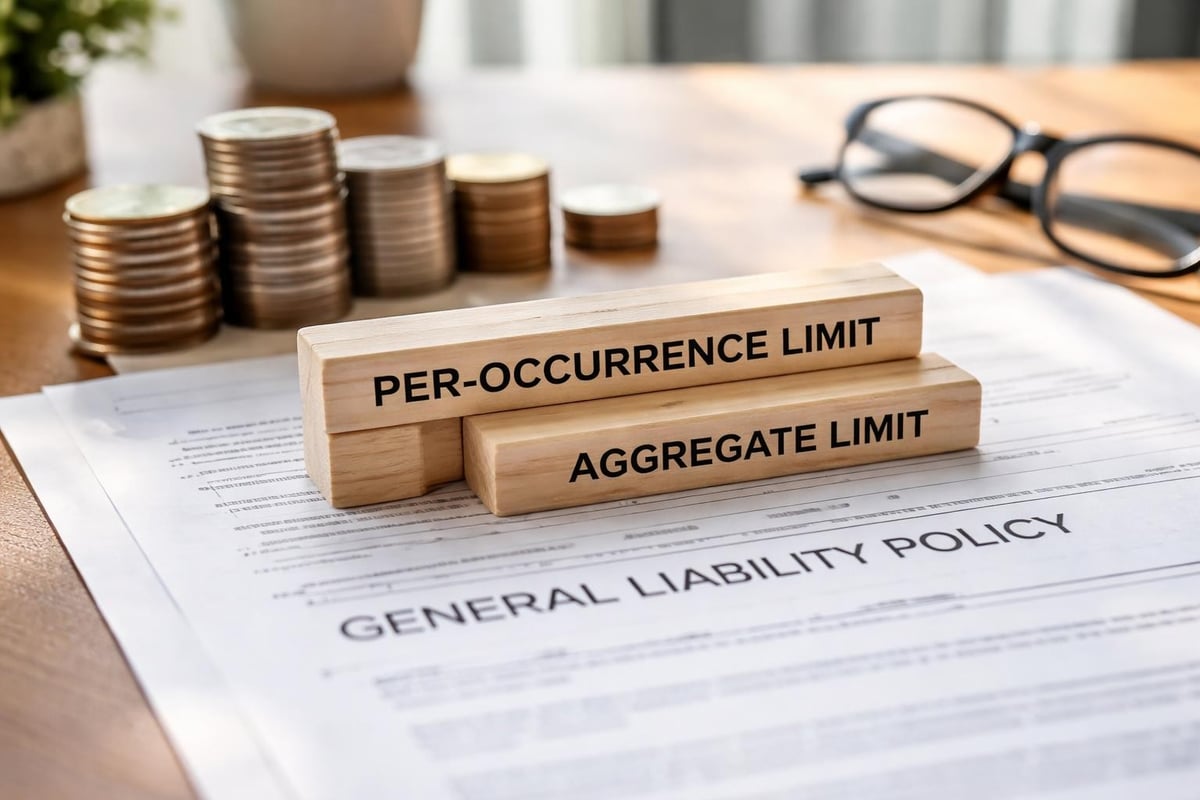
The per-occurrence limit represents the maximum payout for a single claim or incident. The aggregate limit caps the total amount the insurer will pay for all claims during the policy period, typically one year.
For example, a policy with $1 million per occurrence and $2 million aggregate means the insurer pays up to $1 million for any single claim, but no more than $2 million total for all claims during the year.
Industry-Specific Considerations for Minnesota Businesses
Different industries face unique liability exposures that influence their general liability insurance business needs. Minnesota's diverse economy encompasses agriculture, manufacturing, retail, hospitality, and professional services-each with distinct risk profiles.
Retail and Hospitality Businesses
Retail shops, restaurants, hotels, and other customer-facing businesses in places like St. Paul, Duluth, Rochester, and smaller communities throughout Minnesota experience high foot traffic, creating numerous slip-and-fall opportunities. Commercial general liability coverage becomes absolutely essential.
These businesses should prioritize:
- Enhanced premises liability coverage for customer injuries
- Products liability for items sold or served
- Liquor liability endorsements for establishments serving alcohol
- Seasonal adjustment options for businesses with fluctuating customer volumes
Winter months in Minnesota increase premises liability risks dramatically. Snow, ice, and wet floors create hazardous conditions that even diligent property maintenance can't completely eliminate.
Professional Services and Consultants
Consulting firms, accounting practices, IT service providers, and other professional services businesses face different exposures. While general liability insurance business coverage provides essential protection, these companies often need professional liability insurance as well.
Professional liability covers errors, omissions, and negligent advice-risks that general liability policies exclude. However, general liability still protects against office injuries, property damage to client locations, and advertising claims.
Construction and Contracting Operations
Minnesota's robust construction sector requires comprehensive general liability insurance business protection. Contractors working throughout the state face elevated risks from:
- Tool and equipment damage to customer property
- Completed operations exposures after project completion
- Subcontractor liability when hiring other trades
- Material storage and site security issues
Many project owners and general contractors require specific coverage limits and additional insured endorsements before allowing subcontractors on job sites. Understanding contractor insurance requirements helps you secure contracts and maintain compliance.
| Business Type | Average Annual Premium | Recommended Minimum Limits |
|---|---|---|
| Retail Stores | $500-$1,500 | $1M per occurrence / $2M aggregate |
| Restaurants | $2,000-$5,000 | $2M per occurrence / $4M aggregate |
| Contractors | $1,500-$4,000 | $2M per occurrence / $4M aggregate |
| Professional Services | $400-$1,200 | $1M per occurrence / $2M aggregate |
Cost Factors and Premium Determination
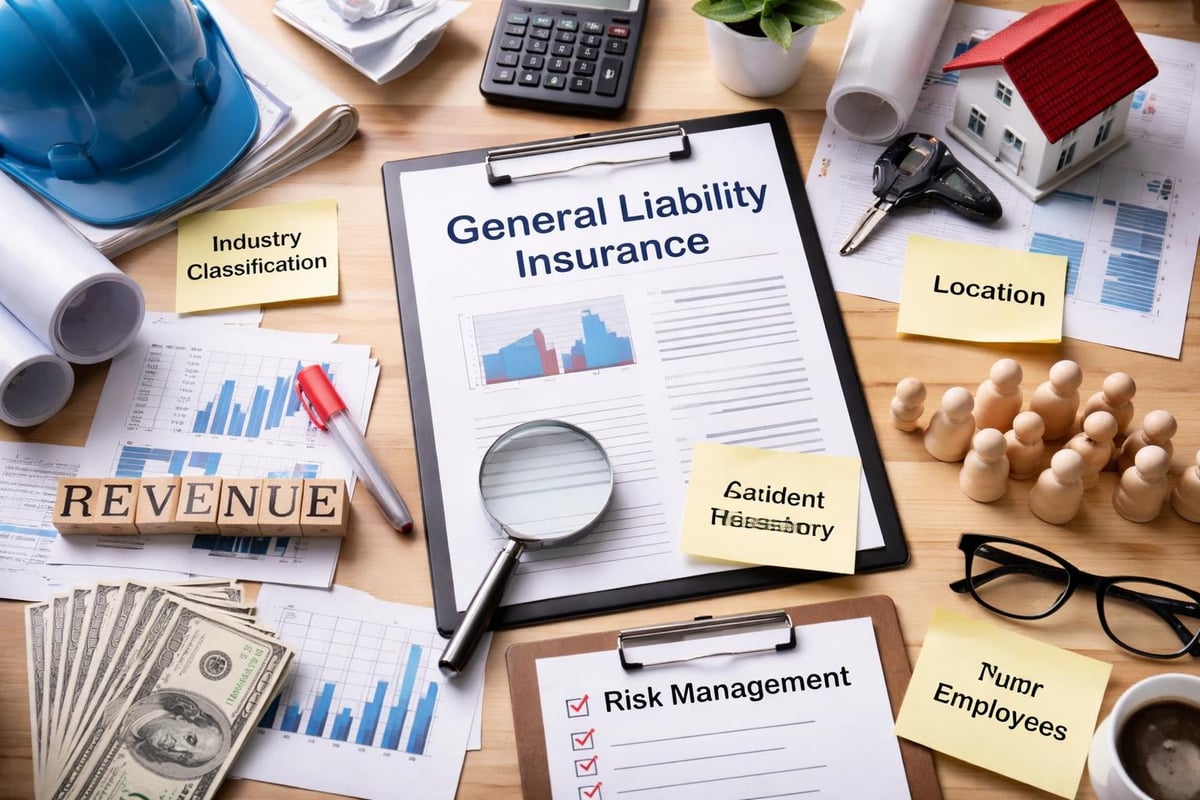
Understanding what drives your general liability insurance business premiums empowers you to make strategic decisions that balance protection with affordability. Insurance carriers evaluate numerous factors when calculating your rates, many of which you can influence through risk management practices.
Primary Premium Drivers
Claim history exerts the strongest influence on pricing. Businesses with previous liability claims pay substantially more than those with clean records. Even claims filed but not paid can impact your rates, making proper risk management essential.
Industry classification determines baseline rates. Insurers maintain extensive databases showing claim frequency and severity for different business types. A roofing contractor pays more than a bookkeeping service because the exposure differs dramatically.
Payroll and revenue directly affect premium calculations for many businesses. Higher payroll indicates more employees and potentially greater exposure, while increased revenue suggests larger operations with more customer interactions.
Location factors matter significantly in Minnesota. Businesses in Minneapolis and St. Paul typically pay more than similar operations in Brainerd or Bemidji due to higher claim frequencies in metropolitan areas.
Strategies to Reduce Your Premiums
Smart business owners implement risk management strategies that reduce both claims and premiums. These approaches demonstrate to insurers that you take safety seriously and deserve favorable rates.
Safety programs show insurers you're proactive about preventing incidents. Regular employee training, documented safety procedures, and incident investigation protocols all contribute to lower premiums over time.
Higher deductibles can significantly reduce premium costs. If your business maintains strong cash reserves, accepting a $2,500 or $5,000 deductible instead of $500 can save 15-25% annually on premiums.
Consider these additional premium-reduction tactics:
- Bundle multiple policies with one carrier for multi-policy discounts
- Implement documented quality control procedures
- Install security systems and surveillance equipment
- Join industry associations offering group insurance programs
- Pay premiums annually instead of monthly to avoid installment fees
Working with independent insurance brokers who access multiple carriers ensures you receive competitive quotes and identify cost-saving opportunities other agents might miss.
Common Exclusions and Coverage Gaps to Address
No general liability insurance business policy covers everything. Understanding standard exclusions helps you identify where additional coverage becomes necessary to protect your Minnesota operation comprehensively.
Standard Policy Exclusions
Professional services errors represent the most significant exclusion affecting many businesses. If you provide advice, consultations, or expertise as part of your service offering, general liability won't cover mistakes or negligent recommendations.
Employee injuries fall under workers compensation insurance, not general liability. Minnesota businesses with employees must carry separate workers compensation coverage to protect workers hurt on the job.
Intentional acts and criminal behavior receive no coverage. Insurers won't pay for damages you cause deliberately or through illegal activities-a logical exclusion that protects insurance pools from fraud.
Other common exclusions include:
- Pollution and environmental contamination
- Cyber liability and data breaches
- Employment practices violations
- Auto liability (requires commercial auto insurance)
- Contractual liability beyond standard hold harmless agreements
- Damage to your own property or products
Bridging Coverage Gaps
Identifying exclusions represents just the first step. Protecting your business completely requires addressing these gaps with complementary policies.
Cyber liability insurance has become essential for virtually every Minnesota business. Even companies without significant online operations store customer data electronically, creating exposure when cyber insurance coverage becomes critical.
Professional liability insurance (also called errors and omissions insurance) fills the professional services gap for consultants, advisors, designers, IT professionals, and other knowledge-based businesses.
Commercial property insurance protects your building, equipment, inventory, and business property-assets your general liability policy doesn't cover when you accidentally damage them yourself.
Understanding What "Occurrence" Means
General liability policies typically operate on an "occurrence" basis rather than "claims-made." This distinction dramatically affects your coverage timeline and is worth understanding thoroughly.
Occurrence policies cover incidents that happen during the policy period, regardless of when the claim is filed. If a customer slips at your business in 2026 but doesn't sue until 2028, your 2026 policy responds-even if you've switched carriers.
Claims-made policies cover only claims filed during the active policy period. These policies cost less initially but require "tail coverage" when you cancel or switch carriers to protect against future claims for past incidents.
For most Minnesota businesses, occurrence-based general liability insurance business coverage provides superior protection and peace of mind. Understanding liability insurance structures helps you select appropriate coverage types for your situation.
The Claims Process: What to Expect When Incidents Occur
Despite your best prevention efforts, incidents happen. Understanding how the general liability insurance business claims process works reduces stress during difficult situations and helps you navigate toward favorable outcomes.
Immediate Steps After an Incident
Documentation begins immediately when someone gets injured or property gets damaged. Take photographs, collect witness statements, and record detailed notes about conditions, weather, time, and circumstances.
Notification must happen quickly. Contact your insurance agent or carrier within 24 hours of becoming aware of an incident, even if you're unsure whether coverage applies. Late reporting can jeopardize coverage.
Communication management protects your interests. Never admit fault or promise to pay for damages without consulting your insurer. Polite concern differs from legal liability acknowledgment.
Follow this immediate response checklist:
- Ensure everyone's safety and provide first aid if necessary
- Document the scene with photos and detailed notes
- Collect contact information from all involved parties and witnesses
- Report the incident to your insurance representative immediately
- Preserve any physical evidence related to the incident
- Avoid making statements about fault or liability
Working with Adjusters and Legal Counsel
Once you file a claim, an insurance adjuster investigates the circumstances, evaluates damages, and determines coverage applicability. Cooperate fully while protecting your interests-provide requested documentation promptly but don't volunteer unnecessary information.
Your insurer provides legal defense when lawsuits arise, appointing attorneys to represent your interests. This defense coverage operates separately from policy limits in most cases, meaning legal costs don't reduce the funds available to settle or pay judgments.
The adjuster will:
- Interview you and any witnesses
- Inspect the incident location
- Review relevant documents and contracts
- Evaluate medical records and damage estimates
- Negotiate settlements with claimants
- Make coverage determinations
Settlement decisions ultimately rest with you in most cases, though your insurer provides guidance. If the adjuster recommends settling a claim for $15,000 and you want to fight it, understand that any judgment exceeding your policy limits becomes your personal responsibility.
Selecting the Right Insurance Partner for Your Business
The insurance company and agent you choose matter as much as the coverage itself. Minnesota business owners need partners who understand local risks, respond quickly during crises, and provide knowledgeable guidance throughout your business lifecycle.
Carrier Financial Strength Matters
Financial ratings indicate an insurer's ability to pay claims years into the future. Companies rated A- or higher by A.M. Best demonstrate strong financial stability and claims-paying ability-essential qualities when your business depends on coverage.
Lower-rated carriers might offer cheaper premiums, but savings evaporate if they can't pay claims when you need protection most. Choosing financially strong insurance companies protects your long-term interests.
Independent Agents Versus Captive Agents
Independent insurance brokers represent multiple carriers, allowing them to compare coverage options and pricing from numerous insurers. This market access typically results in better coverage and more competitive pricing than captive agents representing single companies.
Captive agents sell products from one insurance company exclusively. While they develop deep expertise in their carrier's offerings, they can't shop your coverage among competitors to ensure you receive optimal value.
Benefits of working with independent brokers include:
- Access to 30+ insurance carriers specializing in different industries
- Objective advice uninfluenced by single-carrier loyalty
- Ability to move your coverage if carrier service deteriorates
- Relationships with specialty insurers for unique risks
- Local knowledge of Minnesota business challenges
Questions to Ask Prospective Agents
Interview potential insurance partners to ensure they understand your industry and can provide the expertise you need. Their answers reveal whether they're genuinely committed to your success or simply selling policies.
"How many clients do you serve in my industry?" reveals relevant experience. Agents who regularly work with businesses like yours understand your specific exposures and coverage needs better than generalists.
"Which carriers do you recommend for my business and why?" uncovers their carrier relationships and placement philosophy. Quality agents explain their reasoning and help you understand differences between options.
"How do you handle claims support?" separates excellent agents from mediocre ones. The best agents advocate for clients during claims, helping navigate the process and ensuring fair treatment.
| Selection Criteria | Why It Matters | What to Look For |
|---|---|---|
| Industry expertise | Better understands your risks | Track record with similar businesses |
| Carrier access | More options and competitive pricing | Minimum 15-20 carrier relationships |
| Claims support | Advocacy when you need it most | Dedicated claims assistance process |
| Local presence | Understands Minnesota-specific issues | Established community relationships |
| Service philosophy | Long-term partnership vs. transactional | Regular policy reviews and risk consultations |
Minnesota business owners benefit from working with agents who maintain strong local presence and understand regional challenges-from harsh winters affecting liability exposures to agricultural risks unique to rural areas. Agents based in communities like Albany and Freeport bring valuable perspective about serving Minnesota businesses effectively.
The right general liability insurance business coverage protects your hard-earned assets, supports your growth ambitions, and provides peace of mind as you navigate an increasingly litigious business environment. Taking time to understand your options, work with knowledgeable professionals, and select appropriate coverage represents one of the smartest investments you'll make in your company's future.
Protecting your Minnesota business from unexpected liability claims requires more than just purchasing a policy-it demands a partner who understands your unique risks and provides personalized guidance. Whether you're operating a retail store, construction company, or professional service firm, having the right general liability insurance business coverage makes all the difference when incidents occur. Guardian Insurance Services MN offers access to over 35 top-rated insurance carriers, combining independent broker advantages with local expertise and personalized service. Our Albany and Freeport locations serve businesses throughout Minnesota, helping you find comprehensive protection that fits your budget and addresses your specific operational risks.