
Every business that operates vehicles faces significant financial exposure on Minnesota roads. Whether you're running a small delivery service in Albany or managing a fleet of construction trucks in Freeport, understanding your insurance obligations isn't just about compliance-it's about protecting your company's financial future. Commercial auto liability coverage forms the foundation of this protection, shielding your business from potentially devastating lawsuits and claims that arise from vehicle accidents. As Minnesota businesses navigate increasingly complex insurance landscapes, knowing exactly what this coverage protects and why it matters can mean the difference between a manageable incident and a company-threatening financial crisis.
What Commercial Auto Liability Coverage Actually Protects
Commercial auto liability coverage provides financial protection when your business vehicles cause bodily injury or property damage to others. Unlike personal auto insurance, this specialized coverage addresses the unique risks businesses face when operating vehicles for commercial purposes.
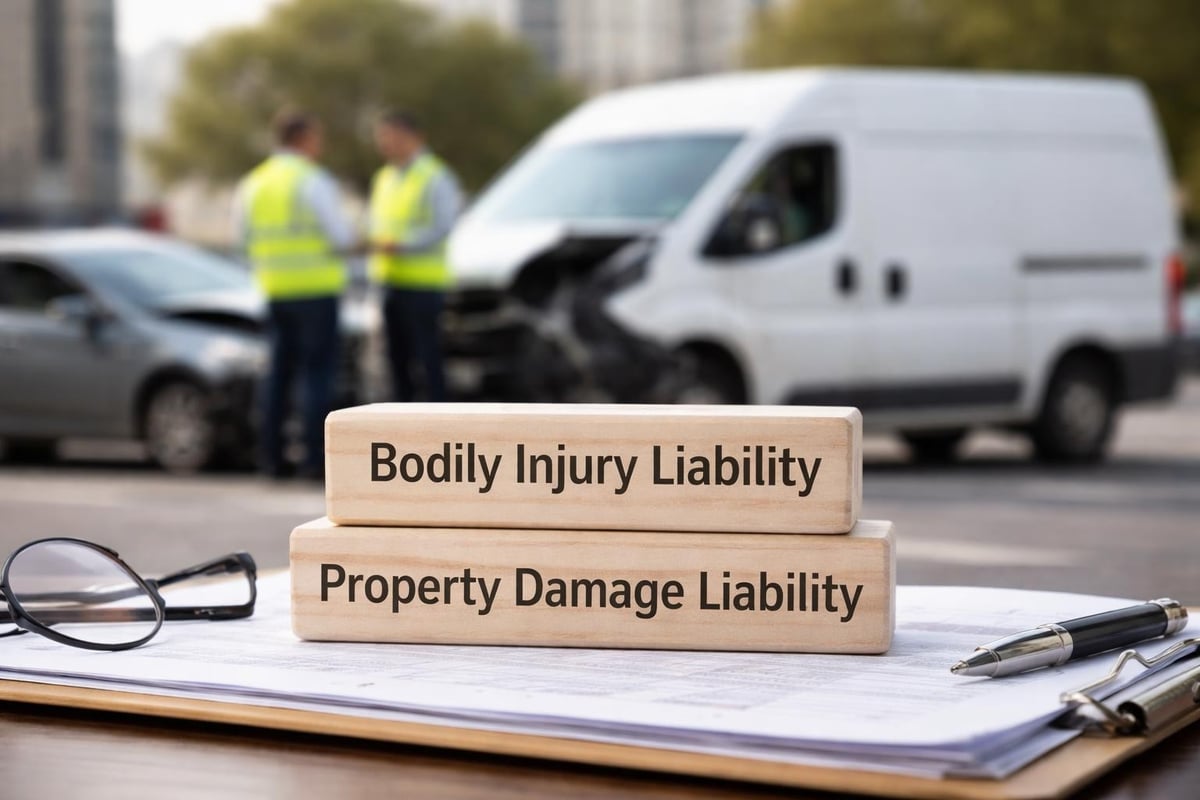
The coverage breaks down into two essential components:
- Bodily Injury Liability: Covers medical expenses, lost wages, and legal costs when your vehicle injures someone
- Property Damage Liability: Pays for repairs or replacement when your vehicle damages someone else's property
When an accident occurs, this protection extends beyond just the repair bills. Legal defense costs, court fees, and settlement amounts all fall under your policy's umbrella. The Minnesota Department of Commerce emphasizes that businesses operating commercial vehicles must maintain appropriate coverage levels that exceed standard personal auto requirements.
Coverage Limits and How They Work
Understanding coverage limits determines how well your business stays protected. Minnesota requires minimum liability limits, but these statutory minimums rarely provide adequate protection for most commercial operations.
| Coverage Type | Typical Minimum | Recommended for Most Businesses | High-Risk Operations |
|---|---|---|---|
| Bodily Injury Per Person | $30,000 | $100,000 | $500,000+ |
| Bodily Injury Per Accident | $60,000 | $300,000 | $1,000,000+ |
| Property Damage | $10,000 | $100,000 | $500,000+ |
These numbers represent actual dollar amounts your insurer pays before you become personally responsible. Nationwide explains that businesses should evaluate their specific risk exposure rather than settling for minimum requirements.
Who Needs Commercial Auto Liability Coverage in Minnesota
Not every business vehicle requires commercial coverage, but the line between personal and commercial use often surprises Minnesota business owners. The distinction matters because using personal auto insurance for business purposes can leave you completely unprotected.
Your business definitely needs commercial auto liability coverage if you:
- Own vehicles registered in your business name
- Use vehicles to transport goods, equipment, or materials for profit
- Provide delivery services to customers
- Transport clients or customers as part of your service
- Employ drivers who use company vehicles
- Lease or finance vehicles through your business
A plumbing business in St. Cloud hauling tools and supplies needs this coverage. So does a catering company in Rochester delivering meals to events. Even consultants who regularly transport expensive equipment to client sites should consider commercial policies.
The Gray Area: When Personal Coverage Falls Short
Some Minnesota business owners operate under a dangerous misconception: their personal auto insurance covers occasional business use. This assumption creates significant gaps in protection.
Personal policies typically exclude coverage when vehicles are used for commercial purposes. That single delivery run or client meeting could invalidate your entire claim. The financial consequences extend beyond the immediate accident-your personal insurer might cancel your policy entirely after discovering business use.
For businesses exploring comprehensive protection options, understanding how commercial insurance integrates with auto liability creates a stronger risk management foundation.
Mandatory Requirements vs. Smart Business Protection
Minnesota law establishes baseline insurance requirements, but smart business owners recognize these minimums as starting points rather than destinations. The state's mandatory coverage levels were designed to ensure basic financial responsibility, not to adequately protect growing businesses from modern liability exposure.
State Minimums Create False Security
Operating at minimum coverage levels exposes your business to catastrophic financial risk. Consider a serious accident in Minneapolis where your driver causes injuries requiring extended medical care. Medical bills easily exceed $100,000 for significant injuries, and $30,000 in bodily injury coverage disappears almost immediately.
Real costs that exceed minimum coverage:
- Emergency room visit and initial treatment: $15,000-$50,000
- Surgical procedures: $50,000-$200,000
- Ongoing physical therapy and rehabilitation: $20,000-$75,000
- Lost wages for injured parties: Variable, often $50,000+
- Pain and suffering settlements: Often exceed medical costs
When your coverage runs out, your business assets become vulnerable. Company bank accounts, equipment, real estate, and even personal assets can face legal claims.
Different Coverage Types for Different Business Needs
Commercial auto liability coverage isn't one-size-fits-all. Minnesota businesses have several policy options, each designed for specific operational patterns and vehicle usage.
Owned Vehicle Coverage
This straightforward coverage protects vehicles your business owns or leases long-term. If you've got company trucks parked at your Albany location each night, this is your primary protection.
The policy covers these vehicles regardless of who's driving, assuming they have your permission. This flexibility matters for businesses with multiple drivers or seasonal employees.
Hired and Non-Owned Auto Liability
Many Minnesota businesses operate vehicles they don't own. Legal experts note that hired and non-owned coverage fills critical gaps that surprise business owners.
Hired auto coverage protects your business when:
- You rent vehicles for business purposes
- Employees use rental cars on company business
- You lease vehicles short-term for specific projects
Non-owned auto coverage activates when:
- Employees use personal vehicles for business errands
- Contractors drive their own vehicles while performing work for you
- Team members deliver items or transport clients in personal cars
This protection proves essential even if you don't own a single company vehicle. A real estate agency in Duluth with agents driving personal cars to showings needs non-owned coverage. The agency faces liability when agents cause accidents during work activities.
Specialized Coverage Endorsements
Standard policies provide baseline protection, but many Minnesota businesses require additional endorsements:
| Endorsement Type | Who Needs It | What It Adds |
|---|---|---|
| Medical Payments | All businesses | Immediate medical costs regardless of fault |
| Uninsured Motorist | Businesses in high-risk areas | Protection when hit by uninsured drivers |
| Trailer Coverage | Businesses hauling equipment | Extends coverage to attached trailers |
| Employee Furnishing Coverage | Businesses with employee-owned vehicles | Enhanced protection for employee vehicles |
Businesses should work with experienced brokers to identify which endorsements match their specific risk profile. Those looking to understand the broader landscape of insurance companies for business insurance can benefit from comparing policy options across multiple carriers.
Industry-Specific Considerations Across Minnesota
Different industries face unique commercial auto liability exposures. Understanding your sector's specific risks helps you secure appropriate coverage levels and endorsements.
Construction and Contracting Businesses
Construction companies operating throughout Minnesota deal with heavy equipment, multiple job sites, and varying road conditions. Your commercial vehicles transport valuable tools, building materials, and crews to locations from Bemidji to Mankato.
Beyond basic liability, contractors should consider:
- Higher coverage limits to match contract requirements
- Tools and equipment coverage for items transported in vehicles
- Additional insured endorsements for general contractors and project owners
- Coverage for specialized equipment like boom trucks or excavators
Many construction contracts require specific insurance certificates before work begins. Having adequate commercial auto liability coverage that meets these contractual obligations keeps your business competitive for larger projects. For comprehensive protection, contractors often bundle auto coverage with general liability insurance.
Delivery and Transportation Services
Businesses that make deliveries face constant road exposure. Whether you're running a food delivery service in St. Paul or operating a courier company in Bloomington, your vehicles spend more time on the road than most businesses.
Critical coverage considerations include:
- Coverage that applies during loading and unloading operations
- Protection for goods in transit
- Higher liability limits reflecting increased accident probability
- Coverage for multiple drivers with varying experience levels
The frequency of vehicle operation directly correlates with accident likelihood. More miles mean more exposure, which demands more robust protection.
Professional Services and Sales Teams
Even businesses not traditionally considered "vehicle-dependent" need commercial auto liability coverage. Sales representatives, consultants, and service providers regularly drive to client meetings and appointments.
A financial advisor traveling between client meetings in Rochester, or a technology consultant servicing businesses across the Twin Cities metro area, both create liability exposure. Their personal auto policies likely won't respond to claims arising from business-related travel.

How Claims Actually Work: Real-World Scenarios
Understanding the claims process helps Minnesota business owners appreciate why adequate commercial auto liability coverage matters. When accidents happen, the process unfolds quickly, and having proper protection makes all the difference.
Immediate Steps After an Accident
Your response in the moments following an accident impacts both safety and claims outcomes. Proper procedures protect everyone involved and preserve your coverage rights.
Essential steps include:
- Ensure everyone's safety and call 911 if anyone is injured
- Document the scene with photos and witness information
- Report the accident to your insurance carrier immediately
- Do not admit fault or make settlement promises
- Collect other driver's insurance information
- File necessary reports with local Minnesota authorities
The Minnesota Department of Public Safety requires accident reports for crashes involving injury, death, or property damage exceeding $1,000. Your commercial auto liability coverage only works properly when you follow reporting procedures correctly.
What Your Policy Actually Pays
When a claim moves forward, your commercial auto liability coverage responds in specific ways. Understanding what gets paid-and in what order-clarifies why coverage limits matter so much.
Your insurance company provides:
- Legal defense: Attorneys to represent your business in lawsuits
- Investigation costs: Accident reconstruction and expert witnesses if needed
- Medical payments: Immediate care for injured parties up to policy limits
- Property damage reimbursement: Repairs or replacement for damaged property
- Settlement negotiations: Professional claims handlers working to resolve disputes
Defense costs alone can reach tens of thousands of dollars, even when your business isn't ultimately found liable. This protection operates separately from your liability limits in many policies, providing additional value beyond the stated coverage amounts.
Premium Factors and Cost Management Strategies
Commercial auto liability coverage costs vary dramatically based on dozens of factors. Minnesota businesses can control many of these variables through strategic planning and risk management.
What Drives Your Premium Costs
Insurers evaluate specific elements when calculating your commercial auto liability rates:
| Factor | Impact on Premium | Control Level |
|---|---|---|
| Vehicle type and value | High | Medium |
| Driver experience and records | Very High | High |
| Annual mileage | Medium | Medium |
| Geographic territory | Medium | Low |
| Claims history | Very High | High |
| Coverage limits selected | High | High |
A landscaping business in Brainerd with young drivers and extensive daily routes pays more than a consulting firm with experienced drivers making occasional client visits. Both businesses need coverage, but their risk profiles differ significantly.
Practical Ways to Reduce Premiums
Smart Minnesota business owners implement strategies that lower insurance costs without sacrificing necessary protection:
Driver management approaches:
- Implement comprehensive driver screening before hiring
- Provide regular safety training and defensive driving courses
- Establish clear vehicle use policies and enforce them consistently
- Review motor vehicle records annually for all authorized drivers
Vehicle and operational strategies:
- Install telematics devices that monitor driving behavior
- Maintain vehicles properly to prevent mechanical failures
- Choose vehicles with strong safety ratings and features
- Limit after-hours vehicle use to reduce exposure
Policy optimization techniques:
- Increase deductibles on physical damage coverage (not liability)
- Bundle commercial auto with other business policies
- Review coverage annually and adjust limits based on actual needs
- Work with independent brokers who access multiple carriers
Businesses concerned about commercial property insurance often find bundling opportunities that reduce overall insurance costs while maintaining comprehensive protection.
Common Mistakes That Leave Minnesota Businesses Exposed
Even experienced business owners make critical errors with commercial auto liability coverage. These mistakes create gaps that surface only when accidents happen.
Assuming Personal Policies Cover Business Use
This represents the most dangerous misconception. Personal auto insurance explicitly excludes business use in most policies. When you file a claim for an accident that occurred during business activities, your personal insurer will likely deny coverage entirely.
The consequences extend beyond the immediate accident. Your personal carrier might cancel your policy, making future insurance more expensive and difficult to obtain. Meanwhile, you face accident costs entirely out-of-pocket while dealing with potential lawsuits.
Underestimating Coverage Needs
Choosing minimum coverage to save money often backfires spectacularly. Minnesota's minimum requirements of $30,000 per person and $60,000 per accident sound adequate until you face a serious collision.
A typical serious accident easily generates:
- Multiple injured parties with individual claims
- Medical bills exceeding $100,000 for severe injuries
- Lost wage claims spanning months or years
- Property damage to multiple vehicles or structures
- Legal fees defending your business against lawsuits
When your $60,000 policy maxes out and total damages reach $300,000, your business becomes responsible for the $240,000 difference. That gap can destroy companies that aren't financially prepared.
Neglecting Regular Policy Reviews
Your business evolves, but does your insurance keep pace? Companies that purchased policies years ago often operate with outdated coverage that no longer matches their current risk exposure.
Schedule annual insurance reviews that consider:
- New vehicles added to your fleet
- Changes in employee count or driver roster
- Expansion into new territories or service areas
- Increased revenue that raises liability exposure
- New services that change your risk profile
These reviews ensure your commercial auto liability coverage grows with your business rather than leaving dangerous gaps.
Missing Required Coverage for Contracts
Many Minnesota businesses don't discover coverage gaps until they're pursuing new contracts or clients. Sophisticated customers and general contractors require specific insurance certificates with minimum coverage levels.
When you can't provide required certificates, you lose business opportunities. Scrambling to adjust coverage at the last minute costs more and creates delays that damage professional relationships.
Proactive businesses review typical contract requirements in their industry and maintain coverage that exceeds these standards. This preparation keeps you competitive and ready to pursue opportunities as they arise.
Working with Independent Insurance Brokers
Navigating commercial auto liability coverage options becomes significantly easier when you partner with experienced independent insurance brokers. Unlike captive agents representing single carriers, independent brokers access multiple insurance companies and policy options.
Advantages of the Independent Broker Model
Independent brokers provide several distinct benefits for Minnesota businesses seeking commercial auto liability coverage:
Access to multiple carriers means:
- Competitive pricing from various insurance companies
- Specialized policies for unique business needs
- Alternative options if one carrier declines coverage
- Ongoing market leverage as you renew policies
Expert guidance includes:
- Risk assessment specific to your industry and operations
- Coverage recommendations based on actual exposure rather than sales quotas
- Claims advocacy when disputes arise with insurance carriers
- Regular policy reviews ensuring coverage remains adequate
The Hartford and numerous other top carriers work through independent broker networks, giving businesses in Albany, Freeport, and throughout Minnesota access to competitive options without contacting multiple agencies separately.
Questions to Ask Your Insurance Professional
Maximize your broker relationship by asking informed questions about commercial auto liability coverage:
- What coverage limits do similar businesses in my industry typically carry?
- How do hired and non-owned auto coverages apply to my specific situation?
- What endorsements should I consider beyond basic liability coverage?
- How will my premiums change if I adjust deductibles or limits?
- Which carriers have the best claims service reputation in Minnesota?
Quality brokers welcome these questions and provide detailed answers that help you make informed decisions. They should explain policy language clearly and ensure you understand exactly what protection you're purchasing.
Businesses exploring comprehensive risk management often benefit from reviewing how commercial auto coverage integrates with workers compensation insurance and other essential protections.
Future-Proofing Your Commercial Auto Coverage
The insurance landscape continues evolving, and Minnesota businesses need coverage that adapts to emerging trends and risks. Forward-thinking companies consider how changes in technology, regulations, and business models impact their commercial auto liability needs.
Electric and Alternative Fuel Vehicles
As more businesses transition to electric vehicles, coverage considerations shift. Battery systems, specialized repair facilities, and unique liability concerns require policy adjustments.
Ensure your commercial auto liability coverage addresses:
- Adequate valuation for expensive battery replacement costs
- Coverage for charging equipment and infrastructure
- Protection during extended downtime for specialized repairs
- Liability related to electrical system failures
Minnesota's growing electric vehicle infrastructure makes this consideration increasingly relevant for forward-planning businesses.
Telematics and Usage-Based Insurance
Technology-driven insurance programs use telematics devices to monitor driving behavior and offer premium discounts for safe operations. These programs benefit businesses willing to embrace transparency in exchange for cost savings.
Telematics systems track:
- Speed and acceleration patterns
- Hard braking events
- Cornering behavior
- Hours of operation and route efficiency
Businesses with strong safety cultures often see 10-30% premium reductions through these programs. The data also helps identify training opportunities and improve overall fleet safety.
Autonomous and Semi-Autonomous Vehicle Considerations
While fully autonomous commercial vehicles remain years away, semi-autonomous features already appear in many modern commercial vehicles. Advanced driver assistance systems (ADAS) create new liability questions that insurance policies must address.
Who bears responsibility when accidents involve vehicles with lane-keeping assistance, automatic braking, or adaptive cruise control? Insurance policies continue evolving to clarify these situations, and businesses should ensure their commercial auto liability coverage keeps pace with vehicle technology.
Protecting your Minnesota business with appropriate commercial auto liability coverage requires balancing legal requirements, financial exposure, and operational realities. Smart coverage decisions today prevent catastrophic losses tomorrow. Whether you operate a single delivery van in Freeport or manage an extensive fleet across the state, Guardian Insurance Services MN brings over 35 insurance carrier relationships and deep local expertise to help you secure exactly the protection your business needs. Our Albany and Freeport teams provide personalized guidance that ensures your commercial auto coverage grows with your business while keeping premiums competitive.