
Every business owner in Minnesota faces a critical question: how do I protect my employees when workplace injuries happen? The answer lies in understanding workers comp insurance and how it safeguards both your team and your business. Whether you're managing a small farm operation near Albany, running a manufacturing facility in Freeport, or overseeing a construction crew in the Twin Cities, having the right coverage isn't just smart business – it's a legal requirement in most cases. The right policy protects your financial stability while ensuring your employees receive the medical care and wage replacement they need during recovery.
What Workers Comp Insurance Actually Covers
Workers comp insurance provides essential protection when employees suffer work-related injuries or illnesses. This coverage operates independently from health insurance and creates a safety net that benefits everyone involved.
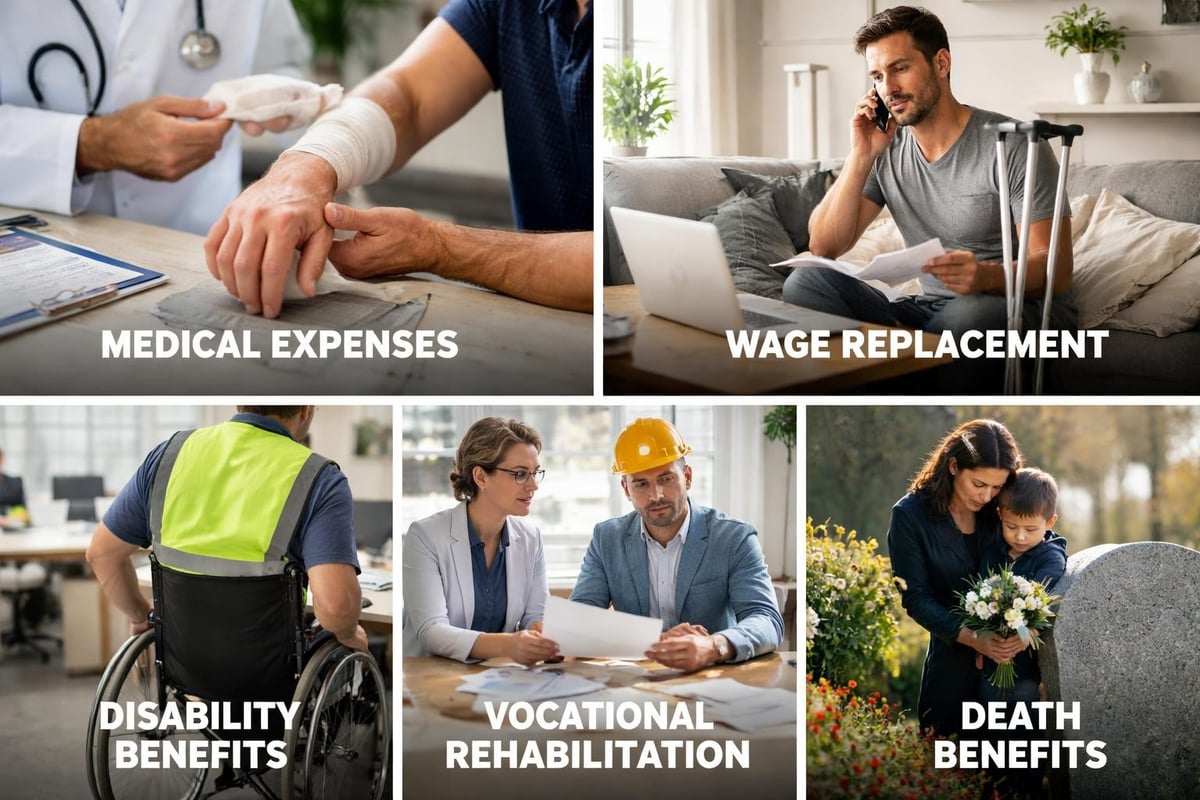
The core components of workers compensation include:
- Medical expenses for injury treatment and rehabilitation
- Wage replacement during recovery periods
- Disability benefits for temporary or permanent impairments
- Vocational rehabilitation for workers needing retraining
- Death benefits for dependents of workers killed on the job
Unlike traditional health insurance policies, commercial insurance for business specifically addresses workplace hazards. According to the CDC’s National Institute for Occupational Safety and Health, workers compensation systems play a vital role in promoting workplace safety while providing crucial support for injured workers.
Medical Coverage Details
When an employee suffers a workplace injury, workers comp insurance immediately covers necessary medical treatment without deductibles or copayments. This includes emergency room visits, surgery, prescription medications, physical therapy, and ongoing care management.
Minnesota employers must ensure injured workers receive prompt medical attention. The policy covers diagnostic tests, specialist consultations, medical equipment, and even travel expenses for medical appointments when necessary.
Treatment timeline typically follows this pattern:
- Immediate care – Emergency treatment at the injury scene or nearest facility
- Follow-up treatment – Scheduled appointments with approved providers
- Rehabilitation services – Physical therapy and occupational therapy as needed
- Long-term care – Ongoing treatment for chronic conditions or permanent injuries
| Coverage Type | What's Included | Duration |
|---|---|---|
| Emergency Care | ER visits, ambulance, urgent care | Immediate |
| Medical Treatment | Doctor visits, surgery, medications | Until maximum improvement |
| Rehabilitation | Physical therapy, occupational therapy | As medically necessary |
| Equipment | Crutches, wheelchairs, prosthetics | Lifetime if needed |
Minnesota Workers Compensation Requirements
Minnesota law mandates that most employers carry workers comp insurance. Understanding these requirements helps business owners avoid costly penalties and legal complications.
Any Minnesota business with one or more employees must provide coverage. This includes full-time workers, part-time staff, and in many cases, seasonal employees. The only significant exceptions are sole proprietors, partners, and certain agricultural workers under specific circumstances.
Industry-Specific Considerations
Different industries face unique challenges when securing workers comp insurance. Construction companies operating from St. Cloud to Rochester need robust policies covering high-risk activities like roofing, electrical work, and heavy machinery operation.
Manufacturing facilities in Minnesota require coverage addressing equipment-related injuries, repetitive stress conditions, and chemical exposure. Agricultural operations, particularly common throughout Stearns County and surrounding areas, must account for farm-specific hazards including livestock handling and machinery accidents.
High-risk industries typically include:
- Construction and trades
- Manufacturing and production
- Agriculture and farming
- Healthcare and medical services
- Transportation and logistics
The National Academy of Social Insurance provides comprehensive data showing that workers comp insurance costs and benefits vary significantly across industries and states, making specialized coverage essential for Minnesota businesses.
Calculating Your Workers Comp Insurance Costs
Understanding how insurers calculate premiums helps business owners budget effectively and identify cost-saving opportunities. Premium calculations consider multiple factors specific to your operation.
Your business classification code determines your base rate. These codes categorize businesses by industry and assign risk levels based on historical claim data. A Minneapolis accounting firm pays dramatically different rates than a Duluth construction company.
Key Cost Factors
Payroll volume serves as the primary calculation base. Insurers typically charge rates per $100 of payroll, adjusted for your specific industry classification. Higher payrolls mean higher premiums, but competitive rates from independent brokers like Guardian Insurance Services MN can help minimize these costs.
Claims history significantly impacts your rates. Businesses with frequent or severe claims face higher premiums through an experience modification rate (EMR). Maintaining a clean safety record keeps your EMR below 1.0, reducing costs substantially.
| Cost Factor | Impact Level | Control Potential |
|---|---|---|
| Industry Classification | High | Low (fixed by business type) |
| Payroll Size | High | Moderate (business growth) |
| Claims History | Very High | High (safety programs) |
| Safety Programs | Moderate | Very High (immediate action) |
| Employee Classification | Moderate | High (accurate job descriptions) |

Premium Reduction Strategies
Smart business owners actively reduce workers comp insurance expenses through proven safety initiatives. Implementing comprehensive safety training programs demonstrates commitment to injury prevention and often qualifies you for premium discounts.
Effective cost reduction strategies include:
- Develop written safety policies and procedures
- Conduct regular safety training sessions
- Implement return-to-work programs for injured employees
- Maintain accurate employee job classifications
- Compare quotes from multiple carriers through independent brokers
Working with an independent broker gives you access to over 35 insurance companies, ensuring competitive rates. Just as commercial general liability insurance coverage requires careful comparison shopping, finding optimal workers comp insurance rates demands thorough market research.
Claims Process and Employee Rights
When workplace injuries occur, understanding the claims process protects both employers and employees. Swift action and proper documentation create smooth claims experiences.
Employees must report injuries immediately to their supervisor or business owner. Minnesota law requires notification within 180 days, but prompt reporting prevents complications and ensures timely medical care. Employers then file claims with their insurance carrier within ten days.
Documentation Requirements
Proper documentation forms the foundation of successful claims processing. Employers should maintain detailed accident reports including witness statements, photographs of the incident scene, and medical records.
Essential documentation includes:
- First report of injury forms
- Medical treatment records
- Wage verification documents
- Accident scene photographs
- Witness statements
- Safety equipment inspection records
The Insurance Journal’s 2025 Workers’ Compensation Directory provides valuable insights into industry trends and carrier requirements, helping Minnesota businesses navigate the claims process effectively.
Return-to-Work Programs
Progressive employers develop return-to-work programs that benefit everyone involved. These programs allow injured workers to resume modified duties during recovery, maintaining income while reducing claim costs.
Modified duty assignments might include light assembly work, administrative tasks, or supervisory roles that accommodate physical restrictions. This approach keeps employees engaged and expedites full recovery.
Workplace Safety and Prevention
Preventing workplace injuries delivers greater value than managing claims after incidents occur. Strategic safety programs reduce human suffering while improving your bottom line.
Minnesota businesses that prioritize safety create cultures where employees feel valued and protected. This commitment starts with leadership and flows through every level of the organization.
Creating Safety Programs
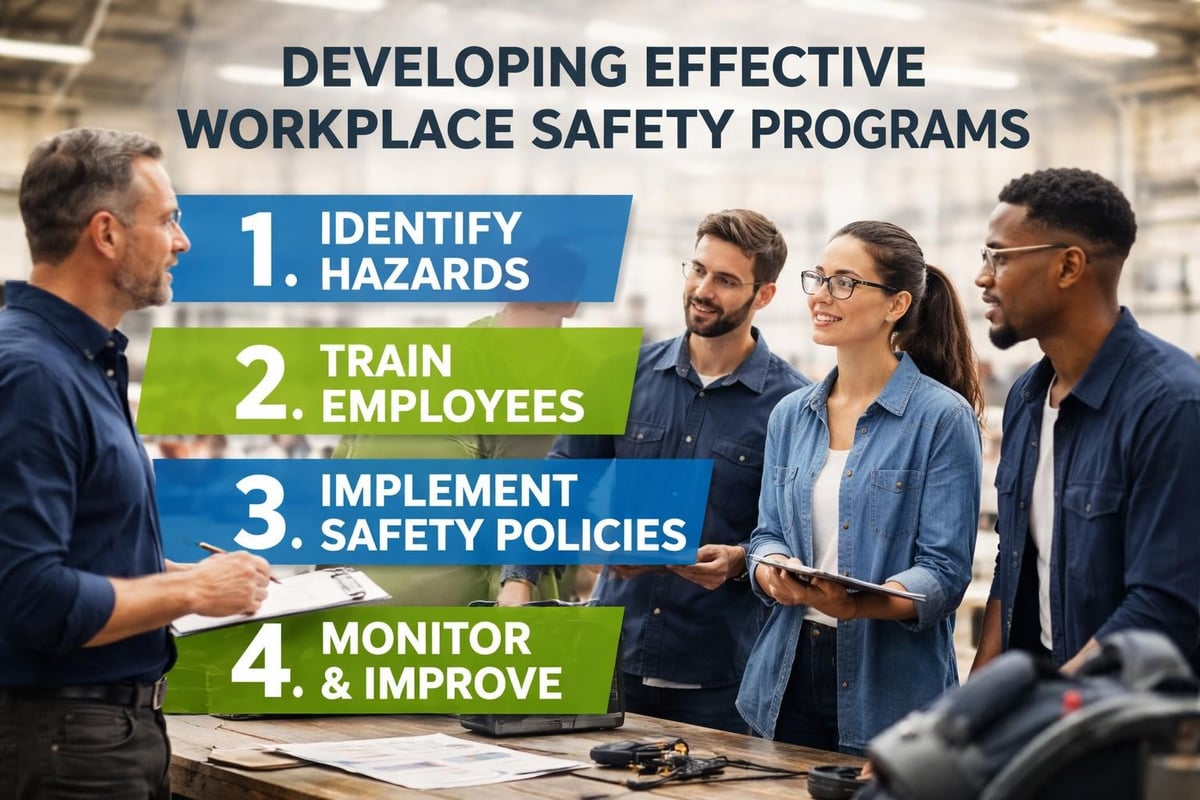
Effective safety programs begin with comprehensive hazard assessments. Walk through your facility identifying potential dangers: slippery floors, unguarded machinery, poor lighting, or inadequate ventilation. Document each hazard and develop specific mitigation strategies.
The Texas Department of Insurance scaffold safety checklist provides excellent guidance for construction safety, while resources like their exoskeleton fact sheet demonstrate innovative injury prevention technologies applicable across industries.
Building comprehensive safety programs involves:
- Assessment phase – Identify all workplace hazards
- Planning phase – Develop policies addressing each risk
- Training phase – Educate employees on safe practices
- Implementation phase – Deploy safety measures and equipment
- Review phase – Continuously evaluate and improve programs
Industry-Specific Coverage Needs
Different Minnesota industries face distinct workers comp insurance challenges requiring specialized coverage approaches. Understanding your sector's unique risks ensures adequate protection.
Agriculture and Farming
Minnesota's agricultural sector, particularly strong in areas surrounding Albany and Freeport, requires specialized workers comp insurance addressing farm-specific hazards. Livestock handling, machinery operation, grain bin entry, and chemical application all present serious injury risks.
Farm operations benefit from carriers experienced in agricultural coverage who understand seasonal employment patterns and harvest-time staffing surges. Farm policies often bundle workers compensation with property and liability coverage for comprehensive protection.
Construction and Trades
Construction businesses face some of the highest workers comp insurance rates due to elevated injury risks. Roofing contractors, electricians, plumbers, and general contractors all need robust coverage addressing falls, electrical hazards, and equipment-related injuries.
Contractors insurance near me searches often lead Minnesota builders to independent brokers who can compare specialized construction coverage across multiple carriers, ensuring competitive rates and comprehensive protection.
| Industry | Common Injuries | Key Coverage Needs |
|---|---|---|
| Agriculture | Machinery accidents, animal injuries | Seasonal worker coverage, equipment operation |
| Construction | Falls, electrical shock, crush injuries | High-risk activity protection, subcontractor coverage |
| Manufacturing | Repetitive stress, equipment injuries | Assembly line safety, industrial equipment |
| Healthcare | Needlestick injuries, patient handling | Bloodborne pathogen exposure, lifting injuries |
Healthcare and Medical Services
Medical facilities, dental offices, and home healthcare providers need workers comp insurance addressing unique healthcare industry risks. Needlestick injuries, patient lifting incidents, and exposure to infectious diseases require specialized coverage considerations.
Healthcare workers comp policies often include specific provisions for bloodborne pathogen exposure and post-exposure treatment protocols. These policies integrate well with group health insurance plans to create comprehensive employee protection.
Choosing the Right Insurance Partner
Selecting the right insurance partner makes the difference between adequate protection and exceptional coverage tailored to your business needs. Independent brokers offer distinct advantages over single-carrier agents.
Working with independent brokers provides access to multiple insurance companies, enabling true comparison shopping. Instead of settling for one carrier's rates and terms, you can evaluate options from dozens of providers simultaneously.
Benefits of Independent Brokers
Independent brokers serve as your advocate throughout the insurance relationship. They research coverage options, negotiate on your behalf, and provide ongoing support when claims arise or coverage needs change.
Independent brokers provide:
- Access to 35+ insurance carriers
- Unbiased coverage recommendations
- Competitive rate comparisons
- Claims advocacy and support
- Annual policy reviews and adjustments
Local expertise matters significantly when navigating Minnesota's workers compensation landscape. Brokers based in Albany and Freeport understand regional business challenges, from agricultural operations to small manufacturing facilities common throughout Stearns County.
Evaluating Coverage Options
Beyond premium costs, evaluate carriers based on claims service quality, financial stability, and industry expertise. Research each insurer's AM Best rating, which indicates financial strength and claims-paying ability.
Review policy terms carefully, noting exclusions, coverage limits, and additional services like safety consultation programs. Some carriers provide valuable loss control services helping you prevent injuries before they occur.
Compare workers comp insurance coverage options thoroughly, examining how different policies handle common scenarios relevant to your industry. This detailed analysis ensures you're not just finding the cheapest policy, but the most valuable coverage for your specific situation.
Managing Multi-State Operations
Businesses operating across state lines face complex workers comp insurance requirements. Each state maintains unique regulations, coverage requirements, and rate structures.
Minnesota businesses expanding into Wisconsin, Iowa, North Dakota, or South Dakota must secure appropriate coverage in each jurisdiction. Some insurers offer multi-state policies simplifying administration, while others require separate policies for each state.
Compliance Across Borders
Understanding each state's requirements prevents costly gaps in coverage. States differ significantly regarding independent contractor classifications, minimum employee thresholds, and mandatory coverage features.
Multi-state compliance considerations:
- State-specific coverage requirements
- Varying definition of "employee"
- Different rate structures and classifications
- Separate reporting and premium payments
- Interstate commerce exemptions
Working with experienced brokers who handle multi-state accounts streamlines compliance and ensures seamless coverage across all operating locations. This expertise proves invaluable as your business grows beyond Minnesota's borders.
Technology and Workers Comp Insurance
Modern technology transforms how businesses manage workers comp insurance, from initial policy procurement through claims administration. Digital tools improve efficiency while reducing administrative burdens.
Digital Claims Management
Online portals allow injured workers to report incidents immediately using smartphones or tablets. This immediate reporting accelerates claims processing while ensuring accurate documentation of injury circumstances.
Employers access real-time claims status updates, track medical treatment progress, and communicate with adjusters through secure platforms. This transparency improves outcomes while reducing confusion during the recovery process.
Technology benefits include:
- Mobile injury reporting applications
- Real-time claims status tracking
- Digital document management
- Automated premium calculations
- Predictive analytics for risk assessment
Data Analytics and Risk Management
Advanced analytics help businesses identify injury patterns and implement targeted prevention strategies. By analyzing historical claims data, you can pinpoint high-risk activities, departments, or time periods requiring enhanced safety measures.
Predictive modeling identifies potential hazards before injuries occur, enabling proactive intervention. This data-driven approach to workplace safety demonstrates measurable ROI through reduced claims frequency and severity.
Policy Audits and Compliance
Annual policy audits verify premium calculations match actual payroll and employee classifications. Understanding the audit process prevents surprise bills and ensures accurate coverage.
Insurers conduct audits examining payroll records, employee classifications, and subcontractor certificates of insurance. Maintaining organized records throughout the year makes audits simple and prevents premium adjustments.
Preparing for Audits
Keep detailed payroll records separating employees by job classification. Workers performing multiple roles should be classified based on their highest-risk duties to ensure accurate premium calculations.
Audit preparation checklist:
- Organize payroll records by quarter
- Separate employees by classification code
- Collect subcontractor certificates of insurance
- Document any business operational changes
- Review and verify overtime calculations
- Maintain records of seasonal employee dates
Proper classification prevents overpayment while ensuring adequate coverage. Office workers shouldn't be classified as construction laborers, and vice versa. Accurate classifications benefit everyone through fair premium calculations.
Additional Business Insurance Considerations
Workers comp insurance forms one component of comprehensive business protection. Coordinating multiple policies creates seamless coverage addressing all operational risks.
Limited company liability insurance protects against lawsuits alleging property damage or bodily injury to third parties, complementing workers compensation's employee injury coverage. Together, these policies address different liability exposures requiring distinct protection strategies.
Integrated Coverage Strategies
Consider how various policies work together protecting your business. Equipment insurance protects valuable machinery, while workers comp insurance covers operators injured using that equipment. This layered approach ensures comprehensive protection.
Property policies protect buildings and contents, liability policies address third-party claims, and workers compensation handles employee injuries. Understanding these distinctions helps you build complete protection portfolios without redundant coverage.
| Policy Type | What It Covers | Who It Protects |
|---|---|---|
| Workers Compensation | Employee workplace injuries | Your employees |
| General Liability | Third-party injury/property damage | Customers, visitors |
| Property Insurance | Building and contents damage | Your business assets |
| Professional Liability | Errors and omissions | Your clients |
Business owners should review all coverage annually, adjusting limits and terms as operations evolve. Growing businesses need increasing coverage limits, while changing operations may require new policy types addressing emerging risks.
Understanding workers comp insurance requirements and coverage options positions your Minnesota business for long-term success while protecting your most valuable asset – your employees. From agricultural operations to construction firms, from healthcare providers to manufacturing facilities, the right coverage creates financial security and demonstrates your commitment to workplace safety. Guardian Insurance Services MN brings together over 35 top insurance companies to find the perfect workers compensation solution for your unique business needs, backed by personalized service from our Albany and Freeport locations. Contact us today to compare rates and discover how comprehensive workers comp insurance protects both your team and your bottom line.