
Protecting your vehicle and your financial future requires more than just meeting Minnesota's minimum insurance requirements. Understanding the full spectrum of vehicle insurance coverage options empowers you to make informed decisions that truly safeguard your assets, your family, and your peace of mind. Whether you're driving through the streets of Minneapolis, navigating winter roads in St. Cloud, or commuting between Albany and Freeport, the right coverage combination makes all the difference when unexpected events occur.
Understanding Mandatory Vehicle Insurance Coverage in Minnesota
Minnesota law requires all drivers to carry specific minimum coverage levels to operate a vehicle legally on state roads. These mandatory protections form the foundation of your insurance policy, but they represent just the starting point for comprehensive financial protection.
Minnesota's required minimums include:
- $30,000 bodily injury liability per person
- $60,000 bodily injury liability per accident
- $10,000 property damage liability per accident
- $25,000 personal injury protection (PIP)
- $25,000 uninsured motorist bodily injury coverage per person
- $50,000 uninsured motorist bodily injury coverage per accident
These state-mandated auto insurance requirements protect other people and their property when you're at fault in an accident. However, they provide limited protection for your own vehicle and medical expenses. That's why most Minnesota drivers choose to expand their vehicle insurance coverage beyond these minimums.

Why Minimum Coverage Often Falls Short
Consider this scenario: You're involved in a serious accident on Highway 10 near Anoka, and the other driver requires extensive medical treatment totaling $100,000. Your $30,000 per-person liability limit leaves you personally responsible for $70,000. Similarly, if you cause $25,000 in property damage to multiple vehicles, your $10,000 property damage limit creates a significant financial gap.
The relationship between coverage limits and out-of-pocket exposure becomes painfully clear in these situations. That's why insurance professionals strongly recommend higher liability limits that better reflect the true cost of modern accidents.
Liability Protection: Your Financial Shield
Liability coverage forms the cornerstone of vehicle insurance coverage, protecting you when you're legally responsible for injuring someone or damaging their property. This protection extends far beyond simply paying for repairs or medical bills.
Bodily injury liability covers:
- Medical expenses for injured parties
- Lost wages and loss of earning capacity
- Pain and suffering damages
- Legal defense costs and court fees
- Settlement or judgment amounts up to your policy limits
Property damage liability includes:
- Repairs or replacement of damaged vehicles
- Damage to buildings, fences, or other structures
- Damaged personal property inside other vehicles
- Loss of use expenses while repairs are completed
Independent brokers like those at Guardian Insurance Services MN typically recommend liability limits of at least $100,000/$300,000/$100,000 or higher, especially for drivers with significant assets to protect. Many Minnesota residents find that umbrella policies provide additional liability protection at surprisingly affordable rates.
Collision and Comprehensive: Protecting Your Investment
While liability coverage protects others, collision and comprehensive coverage protect your own vehicle regardless of fault. These coverages represent the difference between walking away with nothing and receiving funds to repair or replace your car.
Collision Coverage Explained
Collision coverage pays for damage to your vehicle when you collide with another vehicle or object. This includes single-vehicle accidents where you hit a guardrail, mailbox, or tree. Understanding your vehicle insurance benefits helps you determine appropriate deductible levels.
| Scenario | Collision Coverage Response | Your Responsibility |
|---|---|---|
| Rear-end another vehicle | Pays for your vehicle repairs minus deductible | Deductible amount |
| Slide into a ditch during Duluth winter storm | Pays for damage minus deductible | Deductible amount |
| Hit by uninsured driver (optional) | May use collision instead of uninsured motorist property damage | Deductible amount |
Comprehensive Coverage: The Unexpected Protection
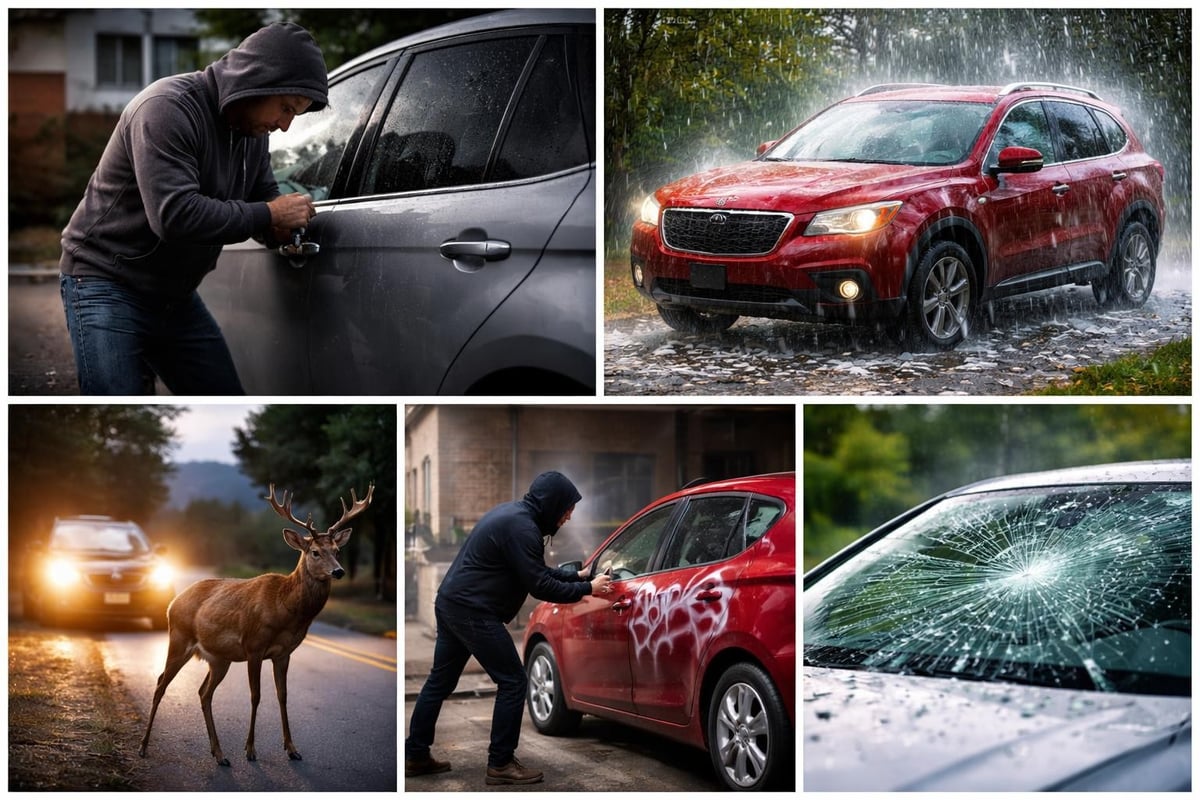
Comprehensive coverage protects against non-collision events that damage your vehicle. Minnesota's harsh winters, severe storms, and wildlife populations make this coverage particularly valuable for residents throughout the state.
Comprehensive coverage includes:
- Theft of your vehicle or its contents
- Vandalism and malicious damage
- Fire and explosion damage
- Weather events (hail, wind, flooding)
- Falling objects (tree branches, debris)
- Animal collisions (deer strikes are common in rural Minnesota)
- Glass breakage (windshields, windows)
Deductibles for both collision and comprehensive typically range from $250 to $2,000. Higher deductibles reduce your premium but increase your out-of-pocket costs when filing a claim. The right balance depends on your financial situation and risk tolerance.
Personal Injury Protection and Medical Payments
Minnesota requires personal injury protection (PIP), which covers medical expenses and other costs regardless of who caused the accident. This no-fault coverage ensures you receive prompt medical care without waiting for liability determinations.
PIP coverage includes:
- Medical and hospital expenses
- Rehabilitation costs
- Lost income (85% of gross wages up to policy limits)
- Replacement services (household tasks you can't perform)
- Funeral expenses
The minimum required PIP limit is $25,000, but many drivers choose higher limits like $50,000 or $100,000. Some policies offer optional medical payments coverage, which works similarly but without the income replacement component. Uninsured and underinsured motorist coverage works alongside PIP to provide comprehensive protection.
Uninsured and Underinsured Motorist Coverage
Despite legal requirements, many Minnesota drivers operate vehicles without adequate insurance. Uninsured motorist (UM) and underinsured motorist (UIM) coverage protects you when hit by drivers who lack sufficient coverage.
How UM/UIM Coverage Works
When an uninsured driver causes an accident that injures you or damages your vehicle, your UM coverage steps in as if you had collected from the at-fault driver's policy. UIM coverage activates when the at-fault driver's liability limits don't fully cover your damages.
Minnesota requires minimum UM bodily injury coverage of $25,000/$50,000, matching the state's liability minimums. However, smart drivers often purchase UM/UIM limits matching their liability coverage to ensure consistent protection across all scenarios.
| Coverage Type | What It Protects | When It Applies |
|---|---|---|
| UM Bodily Injury | Your medical expenses and lost wages | Hit by driver with no insurance |
| UM Property Damage | Your vehicle damage | Hit by uninsured driver (optional in MN) |
| UIM Bodily Injury | Gap between at-fault driver's limits and your damages | At-fault driver carries insufficient limits |
Optional Coverage Enhancements That Add Value
Beyond standard coverages, several optional protections enhance your vehicle insurance coverage portfolio. These add-ons address specific situations and provide peace of mind for relatively modest premium increases.
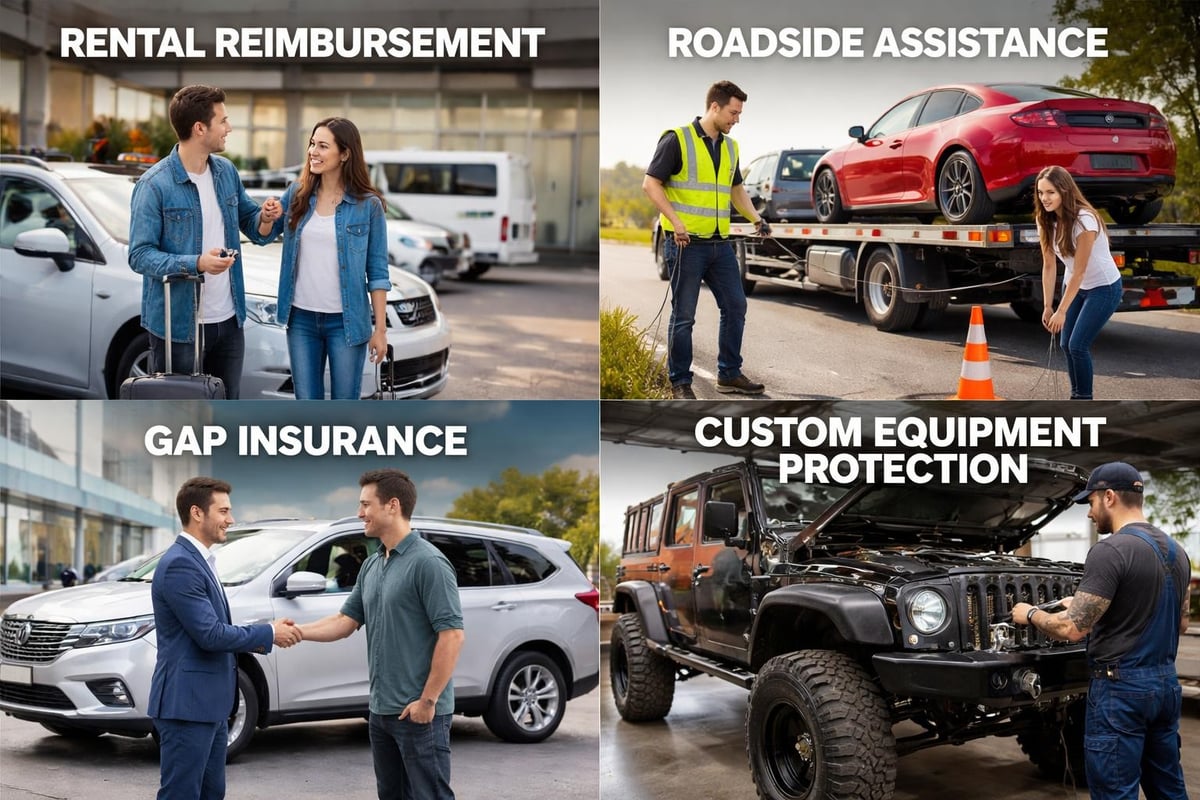
Rental Reimbursement
When your vehicle requires repairs after a covered claim, rental reimbursement pays for a rental car. Typical daily limits range from $30 to $100, with maximum durations of 30 days. For Minneapolis professionals who depend on reliable transportation, this coverage prevents disruption to work and family obligations.
Towing and Labor Coverage
Also called roadside assistance, this coverage pays for towing, jump-starts, tire changes, lockout service, and fuel delivery. While AAA and similar services provide these benefits, having them included in your vehicle insurance coverage creates seamless claims handling and eliminates additional membership fees.
Gap Insurance
If you finance or lease your vehicle, gap insurance covers the difference between your vehicle's actual cash value and your remaining loan balance. New vehicles in Rochester or Bloomington can depreciate 20% or more in the first year, creating situations where you owe significantly more than your vehicle's worth.
Gap insurance makes sense when:
- You made a down payment of less than 20%
- You financed for 60 months or longer
- You purchased a vehicle that depreciates rapidly
- You rolled negative equity from a trade-in into your new loan
Custom Equipment and Sound Systems
Standard policies limit coverage for custom parts and equipment. If you've added aftermarket wheels, upgraded sound systems, or performance modifications, scheduled coverage ensures full reimbursement for these enhancements.
Commercial Vehicle Insurance Coverage Needs
Businesses operating vehicles in Minnesota face unique insurance requirements. Whether you manage a small contracting company in St. Cloud or operate a delivery fleet in the Twin Cities metro area, commercial insurance for business vehicles differs significantly from personal auto policies.
Business Auto Policy Components
Commercial auto policies provide broader coverage for vehicles used in business operations. These policies accommodate various vehicle types, from passenger cars to heavy trucks, and address liability exposures personal policies exclude.
Commercial auto coverage includes:
- Higher liability limits appropriate for business exposures
- Coverage for employees driving company vehicles
- Protection for hired and non-owned vehicles
- Business-specific endorsements (delivery, contractor equipment)
- Fleet coverage for multiple vehicles
Companies operating multiple vehicles should explore fleet insurance company options that streamline coverage management and often reduce overall premiums through volume discounts.
When You Need Commercial Coverage
Minnesota businesses must carry commercial auto insurance when vehicles are titled in the business name, used regularly for business purposes, or driven by employees other than the owner. Understanding commercial general liability insurance coverage helps businesses coordinate auto and general liability protections effectively.
Sole proprietors using personal vehicles occasionally for business might qualify for personal auto policies with business-use endorsements, but this depends on frequency and nature of business use. Consultation with experienced brokers ensures you select appropriate coverage types.
Factors That Influence Your Coverage Costs
Understanding what drives vehicle insurance coverage premiums helps you make strategic decisions that balance protection and affordability. Minnesota insurers evaluate numerous factors when calculating your rates.
Key rating factors include:
- Driving history: Accidents, violations, and claims history significantly impact premiums
- Credit score: Minnesota allows credit-based insurance scoring, which correlates with claim frequency
- Vehicle type: Repair costs, theft rates, and safety ratings affect premiums
- Coverage selections: Higher limits and lower deductibles increase costs
- Annual mileage: More time on roads between Mankato and Bemidji increases exposure
- Location: Urban areas like Minneapolis typically see higher rates than rural communities
- Age and experience: Young drivers and seniors often face higher premiums
The comprehensive overview of vehicle insurance factors demonstrates how these elements interact to create your unique premium. Working with independent brokers provides access to multiple carriers, ensuring you find competitive rates without sacrificing coverage quality.
Smart Strategies for Optimizing Your Coverage
Strategic vehicle insurance coverage planning balances comprehensive protection with budget constraints. These proven approaches help Minnesota drivers maximize value without unnecessary expenses.
Bundle Multiple Policies
Combining auto, home, and other insurance policies with one carrier typically generates multi-policy discounts ranging from 15% to 25%. Independent brokers can compare bundled rates across their network of over 35 insurance companies to identify the best combination.
Adjust Deductibles Strategically
Higher deductibles reduce premiums but increase out-of-pocket costs when filing claims. Consider your emergency fund capacity and claims history when selecting deductibles. If you haven't filed a claim in years, increasing your collision deductible from $500 to $1,000 might save hundreds annually.
Review Coverage Annually
Life changes demand coverage adjustments. When your vehicle ages and depreciates, continuing comprehensive and collision coverage might not make financial sense. As a general rule, when your vehicle's value drops below $3,000, the cost of these coverages often exceeds the potential benefit.
Take Advantage of Discounts
Insurance companies offer numerous discounts that can significantly reduce premiums:
- Safe driver discounts for clean driving records
- Good student discounts for young drivers maintaining strong grades
- Defensive driving course completion credits
- Safety feature discounts for anti-lock brakes, airbags, and anti-theft devices
- Low mileage discounts for drivers logging fewer annual miles
- Automatic payment and paperless billing incentives
Increase Liability Limits Before Reducing Them
When budget constraints force difficult decisions, resist the temptation to reduce liability limits. Instead, consider raising deductibles or removing coverage from older vehicles. Inadequate liability protection exposes your personal assets to lawsuits that could devastate your financial future.
Understanding Policy Exclusions and Limitations
Every vehicle insurance coverage policy contains exclusions that deny coverage under specific circumstances. Knowing these limitations prevents unpleasant surprises when filing claims.
Common exclusions include:
- Intentional damage or fraud
- Wear and tear or mechanical breakdown
- Damage from racing or speed contests
- Using your vehicle as a taxi or delivery service without commercial coverage
- Driving under the influence violations
- Driving without a valid license
- Damage to custom equipment not specifically scheduled
State-specific insurance resources provide detailed guidance on policy language and exclusions, though Minnesota drivers should focus on their state's particular requirements and regulations.
Special Considerations for Minnesota Drivers
Minnesota's unique climate and geography create specific vehicle insurance coverage needs that differ from other states. Preparing for these factors ensures your policy responds appropriately when needed.
Winter Weather Challenges
Minnesota winters bring hazardous driving conditions throughout the state. Comprehensive coverage becomes particularly valuable, as it covers damage from ice storms, frozen pipes that burst inside vehicles, and collisions with snowdrifts that comprehensive rather than collision coverage addresses.
Rural vs. Urban Exposures
Drivers in rural areas around Willmar and Brainerd face different risks than those in Minneapolis or St. Paul. Deer collisions occur more frequently in rural regions, making comprehensive coverage essential. Urban drivers encounter higher theft rates and more frequent minor collisions, affecting their coverage priorities.
Agricultural and Farm Vehicle Needs
Minnesota's strong agricultural sector creates unique vehicle insurance requirements. Farm vehicles, seasonal equipment, and commercial agricultural operations require specialized coverage that standard personal auto policies don't provide. Commercial insurance solutions address these distinctive exposures.
Working With Independent Insurance Brokers
Independent brokers offer distinct advantages over captive agents who represent single insurance companies. The ability to compare coverage options and pricing across multiple carriers ensures you receive optimal value.
The Independent Broker Advantage
Independent brokers act as your advocate, not the insurance company's representative. They analyze your specific situation, identify coverage gaps, and recommend solutions from their entire portfolio of carriers. This approach proves especially valuable when your circumstances change or when claim issues arise.
Benefits of working with independents include:
- Access to 35+ insurance companies through one relationship
- Objective advice focused on your interests, not company quotas
- Simplified comparison shopping across multiple carriers
- Local expertise about Minnesota-specific coverage needs
- Ongoing policy reviews as your life circumstances evolve
Understanding insurance broker relationships helps you maximize the value these professionals provide. Their knowledge of underwriting guidelines, coverage nuances, and carrier specialties streamlines the insurance selection process.
Claims Process and Coverage Verification
Understanding how to file claims and verify coverage ensures smooth experiences when you need your vehicle insurance coverage most. Preparation before incidents occur reduces stress and accelerates claim resolution.
Steps for Successful Claims
When accidents happen in Edina or Moorhead, following proper procedures protects your rights and expedites payment:
- Document the scene with photos and witness information
- Report the accident to police if required (injury, death, significant damage)
- Notify your insurer promptly, even if you're not filing a claim
- Cooperate with investigations and provide accurate information
- Obtain repair estimates from qualified shops
- Keep records of all communications, expenses, and documentation
Verifying Your Coverage
Before problems arise, confirm you understand your coverage details. Review your declarations page, which summarizes your coverages, limits, deductibles, and premiums. Ask questions about unclear provisions and verify that optional coverages you requested actually appear on your policy.
The detailed consumer guidance on auto insurance helps drivers navigate policy documents and understand their rights when filing claims.
Coverage for High-Value and Specialty Vehicles
Luxury vehicles, classic cars, and specialty vehicles require coverage approaches that differ from standard automobiles. Minnesota collectors and enthusiasts should explore agreed value policies and specialized coverage endorsements.
Agreed Value vs. Actual Cash Value
Standard policies pay actual cash value (ACV) for total losses, which equals replacement cost minus depreciation. For a 1967 Mustang restored to pristine condition, ACV calculations don't reflect true value. Agreed value coverage establishes the payout amount upfront, eliminating disputes about vehicle worth.
Specialty Coverage Features
Classic and collector car policies often include benefits standard policies lack:
- Coverage for spare parts and tools
- Inflation guard protection that automatically increases limits
- No depreciation on parts and accessories
- Coverage for car shows and events
- Limited mileage discounts for pleasure-use-only vehicles
The Future of Vehicle Insurance Coverage
Emerging technologies and changing transportation patterns are reshaping vehicle insurance coverage. Minnesota drivers should stay informed about developments that might affect their coverage needs and costs.
Usage-Based Insurance Programs
Telematics devices and smartphone apps now monitor driving behavior, allowing insurers to price policies based on actual miles driven and driving habits. Safe drivers in Bloomington who rarely drive might save substantially through these programs, while frequent commuters between St. Cloud and the Twin Cities might face higher rates.
Autonomous Vehicle Implications
As self-driving technology advances, liability questions shift from driver behavior to vehicle manufacturer responsibility. Future vehicle insurance coverage will likely emphasize product liability over traditional fault-based liability, though this transition remains years away for most Minnesota drivers.
Electric Vehicle Considerations
Electric vehicles present unique insurance considerations, including higher repair costs due to specialized parts and battery replacement expenses. Some insurers offer EV-specific discounts recognizing their safety features and lower maintenance requirements.
Selecting the right vehicle insurance coverage requires balancing legal requirements, financial protection needs, and budget realities. Minnesota drivers who understand their options, work with knowledgeable professionals, and regularly review their coverage ensure they're protected when unexpected events occur. As an independent broker with access to over 35 top insurance companies, Guardian Insurance Services MN provides personalized service to help you find the optimal coverage combination for your unique situation, whether you're protecting a single family vehicle in Albany or managing a commercial fleet in Freeport.