
Economic shifts and evolving regulations are reshaping how Minnesota businesses manage risk and meet compliance in 2026. In this environment, staying protected is more crucial than ever.
This essential guide explores surety insurance and its expanding role for both companies and individuals navigating today’s challenges. You will discover what surety insurance is, why it matters in 2026, the main types, industry trends, regulatory updates, ways to secure coverage, and what Minnesota businesses need to know.
As risks and compliance demands rise, surety insurance offers powerful protection against financial loss and broken contracts. It builds trust and confidence for contractors, project owners, and local organizations.
Now is the time to assess your surety insurance needs and stay ahead of new Minnesota requirements. Read on for the insights that will help you protect your future.
Understanding Surety Insurance: Definition and Core Concepts
Surety insurance has become a vital part of Minnesota’s business landscape, especially as regulations and project complexities increase. To understand why it matters in 2026, let’s break down what surety insurance really is, how it works, and why it stands apart from other coverage options.
What Is Surety Insurance?
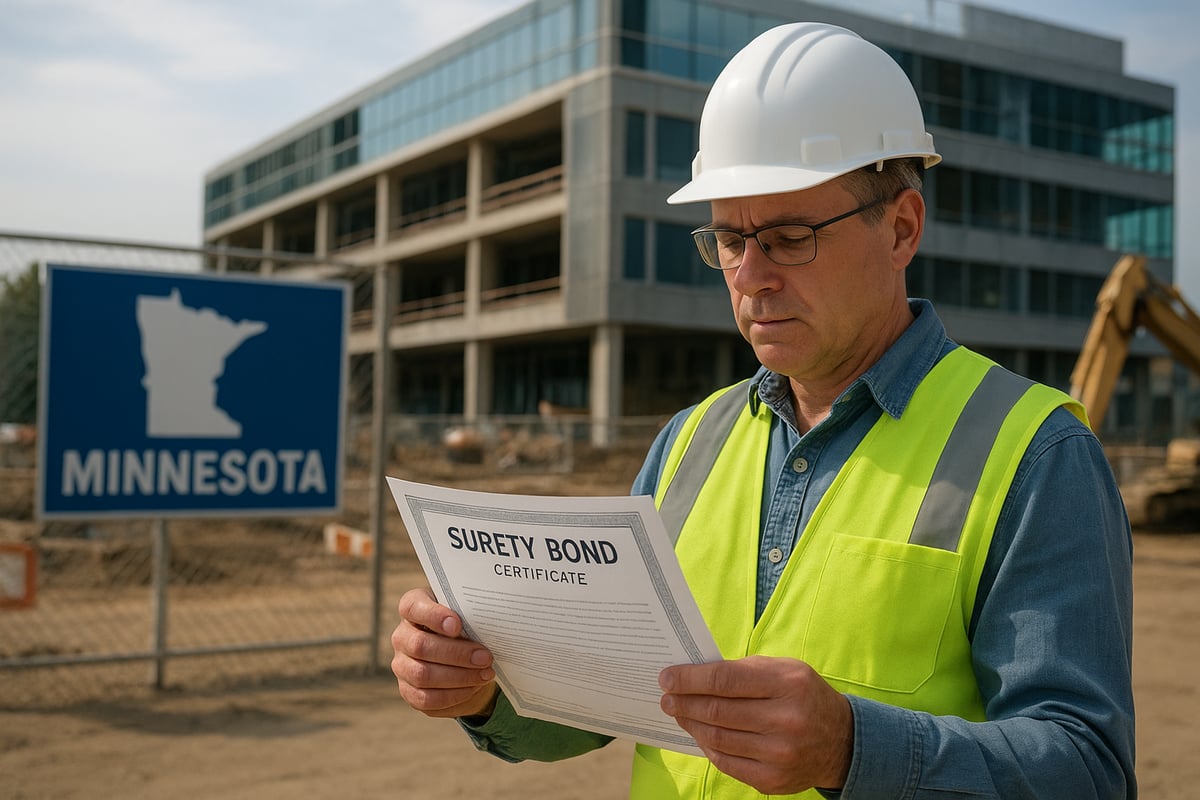
Surety insurance is a unique form of financial protection that differs from traditional insurance policies. Instead of simply covering losses, surety insurance creates a three-party agreement involving the principal (such as a contractor), the obligee (the project owner or government entity), and the surety (the insurance company).
In this arrangement, the surety insurance company guarantees the principal’s obligations to the obligee. If the principal fails to meet their commitments, the surety steps in financially. For example, in a Minnesota road construction project, a surety bond ensures the contractor completes the work as promised. This structure builds trust and enforces compliance, making surety insurance a powerful tool for risk management and reputation in the business world.
How Surety Insurance Works
The surety insurance process starts with an application, where the principal provides financial records and project details. The surety company then evaluates the risk through underwriting, checking the applicant’s creditworthiness and experience. If approved, the surety insurance policy is issued, often with an indemnity agreement that allows the surety to recover losses from the principal if a claim occurs.
Suppose a Minnesota contractor fails to finish a school renovation. The obligee files a claim, and the surety insurance pays for the completion or compensates the project owner. Unlike traditional insurers, surety companies expect to recover these costs from the principal, not absorb them as losses. This approach keeps surety insurance focused on upholding contractual promises.
Main Types of Surety Bonds
There are several main types of surety insurance bonds, each serving a different purpose in Minnesota’s economy:
- Contract Bonds: Used in construction, including bid, performance, payment, and maintenance bonds.
- Commercial Bonds: Cover license, permit, court, and fiduciary obligations for various professions.
- Court Bonds: Required in legal matters, such as probate or appeals.
- Fiduciary Bonds: Protect against mismanagement by guardians or trustees.
The construction industry in Minnesota uses over 60 percent of surety insurance bonds, especially for public infrastructure projects. For example, local contractors often secure license bonds to comply with state regulations and bid on government contracts.
Surety Insurance vs. Other Insurance Products
It’s important to understand how surety insurance differs from other coverage, like general liability or professional liability insurance. With surety insurance, the risk is transferred but ultimately remains with the principal, since the surety expects repayment for any claims paid out. In contrast, general liability insurance covers losses directly and does not seek reimbursement from the insured.
Here’s a quick comparison:
| Feature | Surety Insurance | General Liability Insurance |
|---|---|---|
| Parties Involved | Three (principal, obligee, surety) | Two (insured, insurer) |
| Risk Retention | Principal remains liable | Insurer absorbs the loss |
| Claims Handling | Surety pays, seeks recovery | Insurer pays, no recourse |
| Purpose | Guarantee performance | Cover accidental losses |
Most Minnesota businesses need both surety insurance and traditional policies to fully protect against financial and contractual risks. For a deeper dive into liability coverage, see this General liability insurance overview.
The Role and Importance of Surety Insurance in 2026
As Minnesota’s economy enters 2026, surety insurance is emerging as a crucial safeguard for businesses and individuals alike. With shifting financial conditions and new compliance standards, the importance of surety insurance has never been higher. Whether you are a contractor in Minneapolis or a project owner in St. Paul, understanding the evolving role of surety insurance can help you navigate risks and seize new opportunities.

Growing Demand in a Changing Economy
Economic volatility is shaping the landscape for surety insurance in Minnesota. Major infrastructure investments in cities like Duluth and Rochester are fueling demand for surety bonds across public and private sectors. Statewide, project owners are requiring higher bond values to protect against financial uncertainty.
Take, for example, a new light rail expansion in Minneapolis. Increased project size and complexity mean surety insurance is not just a requirement but a competitive advantage for local contractors. The ability to secure a bond can make or break a bid, ensuring only financially stable firms are trusted with critical work.
Regulatory and Legal Drivers
Regulatory changes in Minnesota are driving the adoption of surety insurance. In 2026, both federal and state mandates have introduced new compliance standards for businesses. Contractors must now meet stricter qualification criteria and provide higher-value surety bonds for licensure.
Minnesota’s Department of Labor and Industry has reported a noticeable rise in claims since 2024, prompting underwriters to adopt more rigorous review processes. These evolving standards are designed to protect the public and project owners, making surety insurance indispensable for meeting legal obligations.
For deeper insight into how the market is responding to these changes, see the Best’s Market Segment Report: U.S. Surety Insurance Market Sustains Strong Underwriting Profits.
Protecting Businesses and Project Owners
Surety insurance acts as a vital safety net for Minnesota businesses and municipalities. It helps shield against losses from default, fraud, or incomplete work. For instance, when a contractor failed to complete a public library project in St. Cloud, the surety bond covered the costs to finish construction, sparing the city from financial hardship.
This financial guarantee builds trust between parties. Project owners can move forward with confidence, knowing that surety insurance provides a reliable mechanism for risk transfer and loss recovery. The peace of mind offered by surety insurance is a powerful motivator for businesses to comply with best practices.
Surety Insurance in Key Industries
The importance of surety insurance extends well beyond construction. In Minnesota, real estate developers, court systems, and government agencies all rely on surety bonds. The trend is expanding into technology, healthcare, and renewable energy sectors, thanks to new state initiatives.
For example, tech vendors working with the state government must now provide surety bonds to guarantee contract fulfillment. This requirement ensures that even in rapidly evolving fields, surety insurance continues to foster accountability and transparency, opening doors for innovation while managing risk.
Economic and Social Impacts
Surety insurance is not only an economic engine but also a force for social good in Minnesota. Access to bonding creates jobs, fuels business growth, and supports critical infrastructure throughout the state. Social trust is enhanced when communities know projects are backed by strong financial guarantees.
Reliable surety insurance means bridges, schools, and hospitals are completed on time and to standard, benefiting everyone. As Minnesota moves into 2026, surety insurance stands as a pillar of both economic stability and public trust, empowering businesses and citizens alike to build a brighter future.
Types of Surety Bonds and Their Applications in Minnesota
Minnesota businesses and contractors rely on a diverse range of surety bonds to meet legal, contractual, and industry-specific requirements. Understanding the main types of surety insurance available can help you choose the right coverage for your projects and safeguard your interests in 2026.

Contract Surety Bonds
Contract surety bonds are foundational to the construction and public works sectors in Minnesota. These bonds include bid bonds, performance bonds, and payment bonds, each serving a distinct purpose throughout the project lifecycle.
A bid bond assures project owners that a contractor's bid is serious and financially backed. Performance bonds guarantee the completion of projects according to contract terms, while payment bonds ensure subcontractors and suppliers are paid. Maintenance bonds cover defects or issues arising after project completion.
The Minnesota Department of Transportation mandates contract surety bonds for nearly all public infrastructure projects. For example, when a local school district in Duluth initiates a new building project, contractors must secure bid and performance bonds before work begins. This requirement not only protects taxpayers but also fosters trust among stakeholders.
According to state data, over 70 percent of public construction projects in Minnesota require some form of contract surety insurance. By securing these bonds, Minnesota contractors demonstrate compliance, reliability, and financial strength—qualities that can set them apart in a competitive market.
Commercial Surety Bonds
Commercial surety bonds are essential for professionals and businesses seeking licenses or permits in Minnesota. These bonds include license and permit bonds, which are required for electricians, plumbers, auto dealers, and many other trades.
For instance, an auto dealership in St. Cloud must obtain a license bond before opening for business. This bond assures the state and consumers that the dealer will adhere to all regulations and ethical standards. Many Minnesota professions fall under this requirement, and the right surety insurance is critical for maintaining compliance.
The Minnesota Department of Labor and Industry Surety Bonds page provides comprehensive information on specific bond requirements for various trades and professions across the state. Consulting these guidelines helps businesses avoid costly delays and penalties.
Court and Judicial Bonds
Court and judicial bonds play a vital role in Minnesota’s legal system. These include appeal bonds, probate bonds, and fiduciary bonds, each designed to protect parties involved in litigation or estate management.
An appeal bond is required when a party wishes to delay payment or enforcement of a judgment during an appeal. Probate bonds, also known as executor bonds, safeguard heirs and beneficiaries by ensuring that estate administrators fulfill their duties honestly and competently.
For example, in a Minneapolis probate case, an executor must secure a probate bond before managing a deceased person's assets. This surety insurance product reassures the court and family members that the executor will act in good faith and follow Minnesota law.
Fidelity Bonds
Fidelity bonds are designed to protect Minnesota businesses from losses due to employee dishonesty, theft, or fraud. These bonds are particularly important for organizations handling sensitive financial data or large sums of money.
Types of fidelity bonds include employee dishonesty bonds, which cover acts of theft or fraud by staff, and ERISA bonds, which are required for retirement plans under federal law. In the Minneapolis financial sector, ERISA bonds are mandatory for companies managing employee benefit plans, ensuring compliance and protecting plan assets.
Healthcare providers in Minnesota also utilize fidelity surety insurance to shield against potential losses from dishonest employees. By investing in fidelity bonds, businesses demonstrate a proactive approach to risk management and regulatory compliance.
Specialty and Emerging Surety Bonds
Specialty and emerging surety bonds are gaining traction across Minnesota as industries evolve and new regulatory challenges arise. These bonds include customs bonds, tax bonds, environmental bonds, and project-specific requirements for renewable energy and technology sectors.
A notable example is the environmental bond required for wind farm development in southern Minnesota. This surety insurance product guarantees the project will meet environmental standards and restore land after use, addressing public concerns and regulatory mandates.
With the rise of digital infrastructure, cybersecurity and data privacy surety bonds are becoming more common in 2026. Companies bidding on state technology contracts in Saint Paul may need these new forms of protection. Industry estimates show a 15 percent growth in specialty surety bonds statewide from 2024 to 2026, reflecting increasing demand for tailored risk solutions.
Specialty surety insurance empowers Minnesota businesses to pursue innovative projects while maintaining compliance and public trust. By staying ahead of industry trends and regulatory changes, forward-thinking organizations can unlock new opportunities and build a reputation for reliability.
The Surety Insurance Process: Step-by-Step Guide for 2026
Navigating the surety insurance process in Minnesota can feel overwhelming, especially with new regulations and evolving market standards in 2026. Understanding each step empowers you to secure the right coverage, avoid costly delays, and build trust with project partners. Let’s break down the process, so Minnesota businesses and contractors can confidently tackle every stage.

Step 1: Assessing Surety Bond Needs
The first step in the surety insurance process is a thorough assessment of your project or business requirements. Minnesota contractors and business owners must analyze state and local regulations, as well as specific project criteria, to determine the exact surety bond needed.
Consulting with legal advisors, project managers, and insurance professionals is essential. For example, a Minnesota contractor bidding on a public works project in Rochester must review both city and state requirements to ensure compliance. This proactive approach helps prevent project delays and minimizes financial risk.
To get started, gather all relevant project documents, contracts, and regulatory guidelines. This groundwork is the foundation for a smooth surety insurance application and enhances your eligibility for competitive terms.
Step 2: Selecting the Right Surety Bond Type
Choosing the correct bond type is critical for compliance and project success. In Minnesota, options include bid, performance, payment, license, and maintenance bonds, each serving a unique purpose.
Matching the bond type to your project—such as a performance bond for a Duluth infrastructure upgrade or a license bond for a St. Paul auto dealership—ensures you meet both legal and contractual obligations. Be sure to review state-specific mandates, such as Minnesota Statutes Section 326B.0921: Bond Requirements, to confirm the appropriate bond type and amount.
Selecting the right surety insurance product at this stage saves time and builds credibility with project owners, regulators, and stakeholders.
Step 3: Application and Underwriting
Once you know your bond type, the next phase is the surety insurance application and underwriting process. Prepare detailed financial statements, business experience records, and professional references. Minnesota surety providers will evaluate your creditworthiness, business capacity, and reputation.
In 2026, underwriting criteria are stricter, with a heightened focus on post-pandemic financial stability. For instance, a mid-sized Minneapolis construction firm may be asked for multi-year financial records and proof of successful project completions.
Strong documentation and transparent communication help speed up the underwriting process. This step is where surety insurance providers assess your risk and set premium rates, so accuracy and honesty are vital.
Step 4: Bond Issuance and Execution
After approval, the surety insurance company issues the bond. This involves signing an indemnity agreement, paying the premium, and submitting any required supporting documents.
Minnesota businesses benefit from efficient local providers, with license bonds sometimes issued the same day. For larger or complex bonds, such as those needed for a major Mankato school construction, allow extra time for document review and approvals.
Proper execution of the bond ensures all parties—principal, obligee, and surety—are protected. This step finalizes your compliance and allows work to begin, backed by the security of surety insurance.
Step 5: Claims, Defaults, and Resolution
If a principal fails to meet contractual obligations, a claim may be filed against the surety insurance bond. The process involves investigation by the surety provider, review of contract terms, and communication with all parties.
For example, if a payment bond is triggered on a delayed St. Cloud infrastructure project, the surety investigates the claim and, if valid, compensates the obligee. Importantly, the surety will seek reimbursement from the principal, as surety insurance is designed to guarantee performance, not absorb losses.
Timely and honest reporting is crucial to resolve claims efficiently and maintain your business reputation in Minnesota’s competitive market.
Step 6: Renewal and Ongoing Compliance
Maintaining surety insurance coverage often requires annual renewal. Minnesota businesses must monitor changes in project scope, regulations, and financial standing to stay compliant.
Renewal involves updating documentation, paying premiums, and confirming continued eligibility. Staying proactive with compliance ensures uninterrupted coverage and positions your business for future opportunities.
Regularly review your surety insurance needs, especially as Minnesota regulations and project demands evolve in 2026.
Step 7: Working with a Local Surety Insurance Broker
Partnering with a Minnesota-based independent surety insurance broker offers a major advantage. Local brokers understand state-specific regulations and have established relationships with reputable surety providers.
A broker’s expertise helps you navigate complex applications, secure competitive rates, and respond quickly to changes. They offer personalized service and ongoing support, which is especially valuable for Minnesota contractors bidding on multiple projects throughout the year.
Choosing a knowledgeable local partner ensures your surety insurance strategy is tailored to Minnesota’s unique regulatory environment and business landscape.
Trends and Regulatory Changes Impacting Surety Insurance in 2026
As we look ahead to 2026, surety insurance is entering a transformative era shaped by regulatory shifts, rapid technological advancement, and evolving market demands. For Minnesota businesses and contractors, staying ahead of these trends is not just advisable, it is essential for continued success and compliance.
Evolving Regulatory Landscape
Regulatory changes are shaping the future of surety insurance for Minnesota businesses. In 2026, both federal and state agencies are tightening standards to strengthen financial protections and ensure project accountability. Minnesota’s legislature has introduced new digital bond registration requirements, making it mandatory for contractors to submit surety documentation electronically for public projects.
Compliance deadlines have also shifted, requiring earlier submission of surety bonds and stricter documentation. These updates are especially significant for businesses in Minneapolis and Saint Paul, where project values often exceed new state thresholds. Contractors must now adapt to evolving statutes, or risk losing out on lucrative bids.
Staying informed about these changes is crucial. Proactive compliance not only prevents costly delays but also positions your business as a trustworthy partner in Minnesota's competitive market.
Technology and Digital Transformation
Technology is revolutionizing how surety insurance operates across Minnesota. The adoption of online applications, electronic bonding, and blockchain-based verification is increasing, streamlining the entire bonding process for businesses and agencies alike.
In 2026, Minnesota has launched a pilot program for digital surety bonds, allowing contractors to secure and manage bonds online with real-time approval. This shift improves transparency, speeds up issuance, and reduces paperwork for both providers and applicants.
Furthermore, digital tools enhance security and help prevent fraud, ensuring that all parties have access to accurate, up-to-date information. For contractors and project owners in Minnesota, embracing digital transformation is now a competitive advantage in the surety insurance landscape.
Market Trends and Industry Data
The surety insurance market is experiencing robust growth, driven by increased demand for infrastructure projects and heightened regulatory scrutiny. In Minnesota, the market has seen an 8% annual increase in bond issuance and premiums from 2024 to 2026, reflecting a statewide surge in public and private developments.
Emerging sectors, like renewable energy and technology, are fueling this expansion. New entrants are joining the market, increasing competition and providing more options for Minnesota businesses seeking surety solutions.
For a deeper dive into these trends and global market projections, the Surety – Global Markets and Companies Analysis Report 2025 offers valuable insights on how digital payment services and new regulations are shaping the future of surety insurance.
| Year | Minnesota Bond Market Growth | Notable Trend |
|---|---|---|
| 2024 | +6% | Post-pandemic rebound |
| 2025 | +7% | Tech sector expansion |
| 2026 | +8% | Digital bond adoption |
Risk Management and Underwriting Innovations
Risk management in surety insurance is becoming more sophisticated, thanks to powerful new tools. Minnesota insurers are now using data analytics, artificial intelligence, and real-time risk assessment to enhance underwriting accuracy and fraud detection.
AI-driven underwriting allows companies to evaluate contractor risk profiles more precisely, leading to fairer premiums and faster approvals. Predictive modeling helps identify potential issues before they become costly claims, protecting both the surety and the obligee.
Choosing the right surety partner is now more important than ever. For Minnesota businesses, working with reputable providers—like those listed on insurance companies we work with—ensures access to innovative risk management solutions and local expertise.
Sustainability, ESG, and Social Responsibility
Sustainability and ESG (Environmental, Social, Governance) are now essential elements in surety insurance decisions. Minnesota’s focus on green infrastructure and responsible business practices is driving demand for bonds that support environmentally friendly projects, such as wind farms and solar installations.
Surety insurers are beginning to require ESG disclosures for bonded projects, aligning with public expectations and government mandates. This shift encourages contractors to adopt sustainable building practices and transparent governance, strengthening social trust in the process.
In 2026, bonds tied to renewable energy projects are more common, reflecting Minnesota’s commitment to sustainability. By prioritizing ESG, surety insurance is not only protecting investments but also contributing to a stronger, more resilient community in Minnesota.
Key Considerations for Minnesota Businesses and Contractors
Navigating the landscape of surety insurance in Minnesota requires focus, strategy, and adaptability. Whether you’re a contractor in Minneapolis, a business owner in Duluth, or a project manager in Rochester, understanding local requirements can make or break your success. Let’s dive into the essentials you need to know for 2026.
Navigating State-Specific Surety Requirements
In Minnesota, surety insurance requirements can vary dramatically depending on your industry and location. For example, Minneapolis public works projects often require higher bond amounts than similar projects in Brainerd or Bemidji. State statutes outline minimum bond thresholds for contractors, while municipalities may impose additional rules for licensing and permitting. Understanding these regional differences is crucial. Failing to meet the correct bonding requirements can delay projects or disqualify bids. Always verify the latest state and local regulations before starting a new project to ensure full compliance with surety insurance mandates.
Financial Preparation and Documentation
Financial strength directly affects your eligibility and pricing for surety insurance in Minnesota. Underwriters will review your business’s financial statements, credit history, and project experience to determine if you qualify and at what rate. For contractors bidding on public projects in places like St. Paul, preparing a thorough, transparent bid package is essential. Keeping your financial records organized and up to date not only improves your chances for favorable bond terms but also helps when seeking other vital coverages, such as workers compensation insurance in Minnesota. Pairing these protections demonstrates your commitment to compliance and risk management.
Choosing the Right Surety Partner
Selecting a strong surety insurance provider or broker is critical for Minnesota businesses. Local expertise matters; agents based in the state understand unique challenges faced by companies in Duluth, Mankato, or Moorhead. Evaluate potential partners based on their reputation, financial stability, and knowledge of both state and municipal bonding requirements. Ask for references from other Minnesota businesses and review their claim handling process. Choosing a surety insurance partner with deep regional experience ensures personalized service and a smoother bonding process for your projects.
Managing Costs and Maximizing Value
Surety insurance premiums in Minnesota are influenced by several factors, including your credit score, project size, and overall risk profile. To manage costs, consider strategies such as bundling multiple bonds, opting for multi-year terms, or improving your financial documentation. According to industry surveys, average premium rates in Minnesota remain competitive compared to neighboring states. Use the table below for a quick comparison:
| Factor | Impact on Premium |
|---|---|
| Credit Score | High |
| Project Size | Moderate |
| Bond Type | Moderate |
| Financial History | High |
By proactively managing these elements, Minnesota contractors and businesses can secure surety insurance that not only meets legal requirements but also maximizes long-term value.
Article written using RankPill.