
Did you know the car you drive in 2026 could make or break your insurance premium, regardless of your driving record? In Minnesota, car insurance groups are becoming a decisive factor that can swing your costs by hundreds of dollars every year.
Understanding how car insurance groups work is the key to unlocking savings. With the right knowledge, you can make smarter decisions about which vehicle to buy, what coverage to choose, and how to keep your premiums as low as possible.
This guide will break down car insurance groups, show you how they impact your rates, and give you practical tips to save money in Minnesota. Ready to get ahead of the curve? Let’s dive in and start making your next insurance decision your smartest yet.
Understanding Car Insurance Groups: The Basics
If you want to pay less for car insurance in Minnesota, understanding car insurance groups is your secret weapon. These groups are behind-the-scenes numbers that can make a real difference in how much you spend each year. Let’s break down what they really mean for drivers in cities like Minneapolis, St. Cloud, and Duluth.

What Are Car Insurance Groups?
Car insurance groups are a numbered rating system, usually from 1 to 50, that categorize vehicles based on how risky and costly they are for insurers to cover. The lower the number, the cheaper the car is to insure. For example, a Toyota Aygo or Vauxhall Corsa sits in group 1, making them some of the most affordable options. On the flip side, a Porsche 911 is in group 50, which means sky-high premiums.
Most Minnesota insurers use groupings similar to national standards, so whether you’re driving in Rochester or Moorhead, the same logic applies. The system was originally created by the Association of British Insurers (ABI) and Thatcham Research to ensure fairness and consistency.
| Group | Example Vehicle | Typical Cost |
|---|---|---|
| 1 | Toyota Aygo | Cheapest |
| 50 | Porsche 911 | Most Expensive |
Why Car Insurance Groups Matter for Drivers
Car insurance groups have a direct effect on your annual premium. Choosing a vehicle from a lower group can save Minnesota families and young drivers over $400 each year. This is especially important if you’re on a budget or just starting out on the roads of Mankato or Brainerd.
Two cars that look almost identical may fall into very different car insurance groups, resulting in surprising differences in insurance costs. Knowing your group helps you plan your finances and make smarter buying decisions. For more foundational information on how groups impact your premium, check out Understanding car insurance in Minnesota.
The Group Rating System Explained
The group rating system uses a scale from 1 to 50. The lower the number, the less risk for insurers, and the lower your premium. But there’s more: each group may have a letter attached, like A, E, D, U, P, or G. These letters reflect the car’s security and safety features.
For instance, “E” means the car exceeds security standards, so it might be placed in a lower group than expected. Insurers look at over 100 data points per vehicle, including repair costs, performance, and tech features. Ratings are updated every year to stay current with new models and technology, keeping Minnesota drivers in the loop.
Who Sets the Groups?
The assignment of car insurance groups isn’t random. Industry experts from the ABI, Thatcham Research, and leading insurance companies make these decisions. While Minnesota insurers usually follow these guidelines, they sometimes add state-specific factors based on local data.
A special Group Rating Panel reviews new models every year, including electric vehicles and imports that are becoming popular in places like Bloomington and Duluth. The goal is transparency and consistency, so every driver knows what to expect. You can usually find your car’s group rating online or by asking a local dealer.
How Car Insurance Groups Are Determined in 2026
Understanding how car insurance groups are determined in 2026 is crucial for Minnesota drivers. With new models, tech, and insurance rules, staying informed can help you save big on your premiums. Let’s break down the process so you know exactly what affects your group rating and how it impacts your wallet.
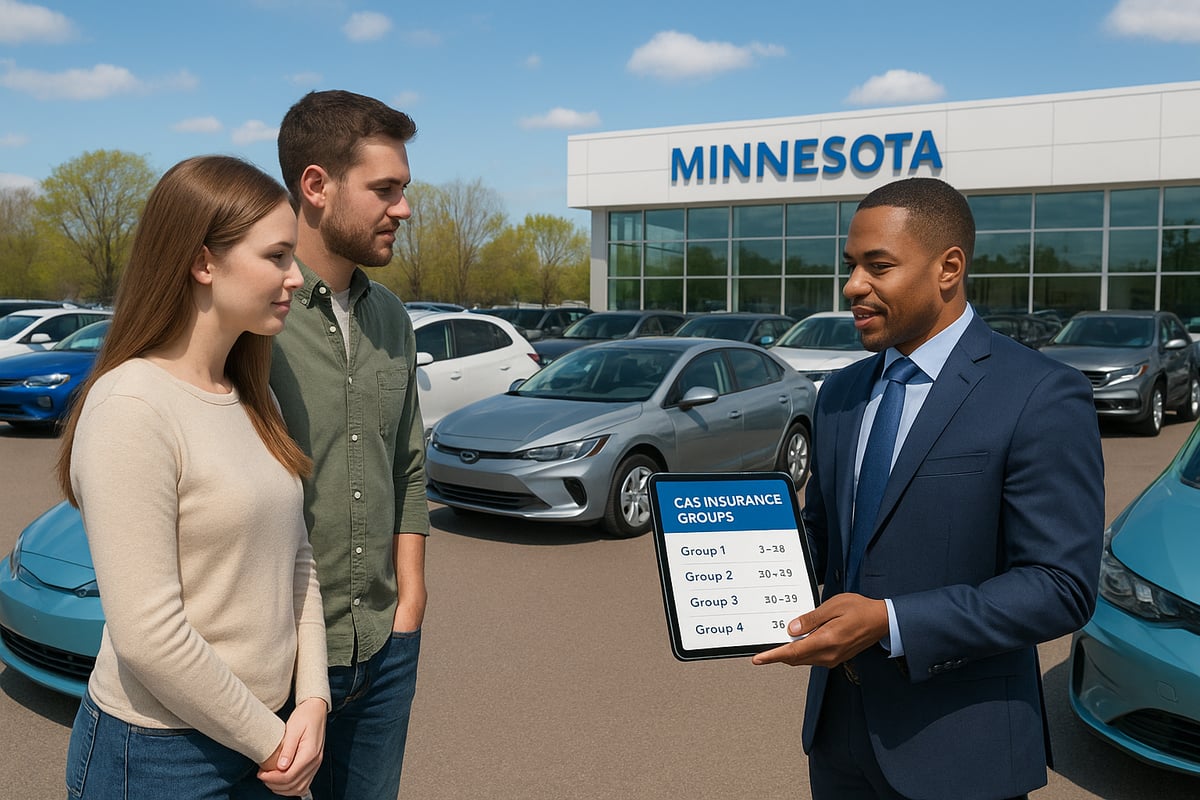
Key Factors Influencing Group Placement
Car insurance groups are assigned based on several key factors insurers use to assess risk. These include:
- Vehicle price when new: Higher value cars usually fall into higher groups.
- Repair costs: Expensive or complex repairs increase a car’s group.
- Performance: Faster acceleration and top speed can bump your car into a higher group.
- Safety and security features: Advanced safety tech may lower your group.
For example, a compact car with autonomous emergency braking and affordable parts might land in a low group, making it cheaper to insure in Minnesota. By understanding these factors, you can make smarter choices and potentially lower your costs through careful vehicle selection.
The Role of Technology and Safety Features
In 2026, technology plays a bigger role than ever in car insurance groups. Most new vehicles come equipped with advanced driver assistance systems (ADAS), such as lane-keeping assist, auto emergency braking, and adaptive cruise control. These features can help lower your insurance group by reducing accident risk.
Telematics and black box tech are also being used more frequently. Insurers may use data from these devices to refine group assignments, especially for Minnesota drivers who clock fewer miles or have safer driving habits. Cars with strong anti-theft systems or remote immobilizers can see group ratings drop, leading to more affordable premiums.
Special Considerations for Electric and Hybrid Vehicles
Electric vehicles (EVs) and hybrids are becoming increasingly common in Minnesota, but they often fall into higher car insurance groups. The main reasons are higher repair costs, specialized parts, and unique performance features. However, as EV technology matures, some models are moving into lower groups.
For example, the Tesla Model 3 and Nissan Leaf might have different group ratings due to variations in repair complexity and parts availability. Minnesota insurers are adapting group assignment methods as EV adoption grows. By 2026, expect more nuanced groupings and potential savings on select models as the market evolves.
Limited-Run and Imported Cars
If you’re eyeing a rare or imported vehicle in Minnesota, be prepared for a higher group rating. Limited-run models often use rare or expensive parts, driving up repair costs and insurance group placement. Imports, especially those labeled with the group letter “G,” may lack complete data for U.S. roads, so insurers take a cautious approach.
For example, gray market imports or custom cars may be placed in a higher group until more data is available. Insurers might require extra security measures for these vehicles. Always check the group before purchasing a rare or imported car to avoid surprise premium hikes.
The Group Rating Process: From Data to Decision
Determining car insurance groups is a multi-step process. It starts with data collection on crash tests, repair costs, and security features. Each year, a panel of industry experts reviews new models and assigns a group number and letter based on over 100 data points.
Ratings are updated annually to reflect tech advancements and real-world data. For 2026, Minnesota drivers should know there are ongoing updates to the group system. In fact, the traditional 1-50 group scale is being evaluated for changes, as seen in the Vehicle Risk Rating system introduction. This shift aims to keep group ratings transparent and relevant for modern vehicles.
Car Insurance Group Examples and Cost Implications
Choosing the right car insurance groups can make a huge difference in what you pay each year, especially in Minnesota. Below, we break down how different groups affect your premium, show examples of popular vehicles, and help you see why understanding car insurance groups is key for every driver.
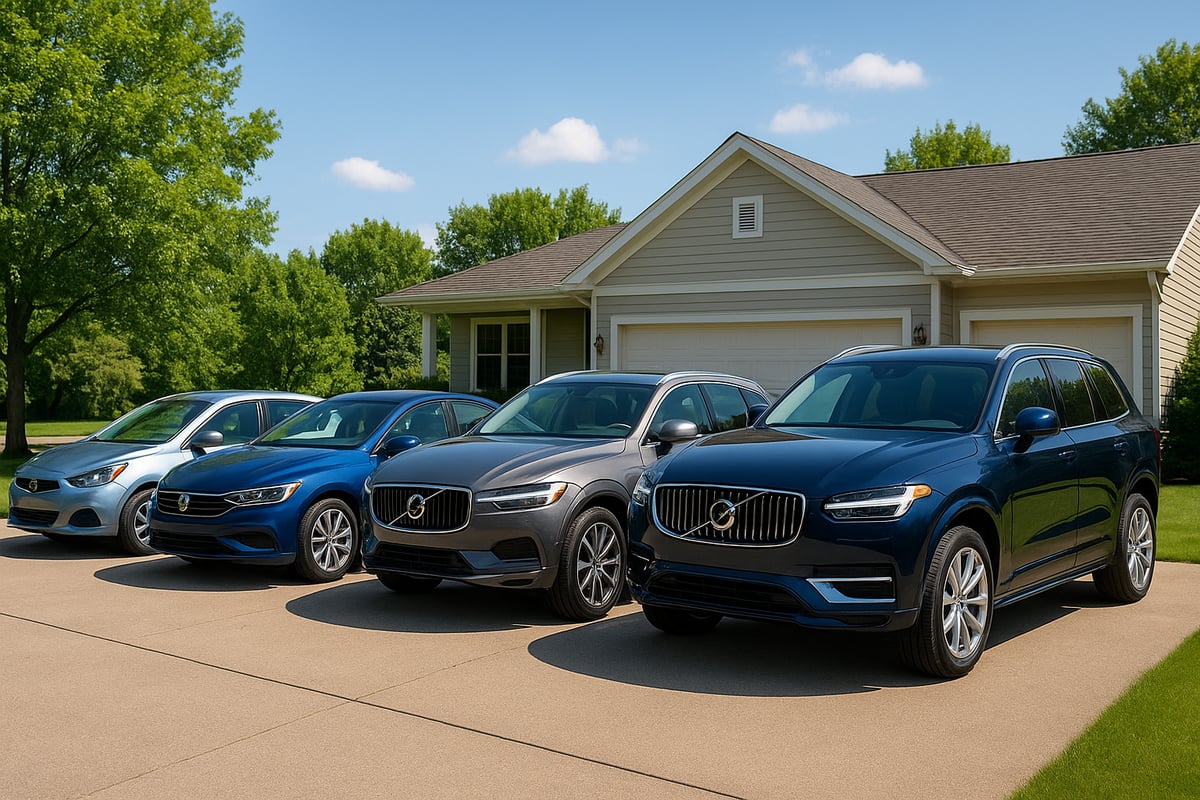
Group 1-10: Cheapest to Insure
If you want the lowest insurance bills, look for cars in car insurance groups 1 through 10. These are typically small hatchbacks and city cars, making them perfect for students in Duluth or new drivers in Rochester. Models like the 2026 Toyota Aygo X or Ford Ka stand out for their affordable parts and top-tier safety features.
- Ideal for: Young drivers, students, and families on a budget
- Typical premium in Minnesota: $500 to $700 per year
- Example: The 2026 Toyota Aygo X, with its low repair costs and strong safety, is rated Group 2
Choosing from these car insurance groups means you keep more of your hard-earned money for what matters most.
Group 11-20: Standard Family Cars
Need a bit more room but still want manageable premiums? Cars in car insurance groups 11 to 20 include compacts and smaller SUVs like the Ford Fiesta and Mazda 2, which are popular in communities around St. Cloud and Maple Grove.
- Best for: Growing families and commuters
- Typical Minnesota premium: $700 to $900 per year
- Example: The 2026 Ford Fiesta, with its modern features and moderate repair costs, lands in Group 12
These car insurance groups balance comfort, space, and insurance costs, making them a smart pick for many Minnesota households.
Group 21-30: Larger and Upgraded Models
Moving up the ladder, car insurance groups 21 to 30 include larger sedans and upgraded trims. Think of vehicles like the Audi A3 or Nissan Qashqai, often seen in the driveways of Edina or Woodbury.
- Popular among: Professionals and families seeking extra features
- Typical premium: $900 to $1,100 per year in Minnesota
- Example: The 2026 Nissan Qashqai, with advanced tech and higher repair costs, sits in Group 23
If you appreciate added luxury or tech, these car insurance groups still offer reasonable rates, but you will notice a jump in costs.
Group 31-40: Performance and Luxury Cars
Ready for more power and prestige? Car insurance groups 31 to 40 cover entry-level luxury vehicles and performance models, like the BMW 3-Series and Jaguar XF. These are often chosen by drivers in affluent Minneapolis neighborhoods.
- Who it suits: Drivers who value performance and status
- Average Minnesota premium: $1,100 to $1,400 per year
- Example: The 2026 BMW 3-Series, known for its strong engine and costly parts, sits in Group 34
Cars in these car insurance groups deliver a thrilling drive, but you need to be prepared for higher insurance bills.
Group 41-50: Sports, Luxury, and High-End SUVs
At the top, car insurance groups 41 to 50 include sports cars and luxury SUVs, such as the Porsche 911 and Audi TT. These vehicles are rare in smaller towns like Bemidji but attract attention wherever they go.
- Best for: Enthusiasts and those who want the ultimate driving experience
- Minnesota premium: $1,400 to $2,000 or more per year
- Example: The 2026 Porsche 911, with its expensive repairs and high theft risk, is Group 50
Drivers in these car insurance groups pay a premium for exclusivity and performance, so weigh the cost carefully.
Comparing Insurance Costs Across Groups
To see the real impact of car insurance groups, consider the table below. It compares popular cars and their average Minnesota premiums by group:
| Group | Example Vehicle | Avg. MN Premium |
|---|---|---|
| 2 | Toyota Aygo X | $700 |
| 12 | Ford Fiesta | $850 |
| 23 | Nissan Qashqai | $1,000 |
| 34 | BMW 3-Series | $1,300 |
| 50 | Porsche 911 | $2,000+ |
Switching from a Group 10 to a Group 30 vehicle can double your annual insurance cost. For example, a Toyota Aygo in Group 2 may cost $700 per year, while a BMW 3-Series in Group 34 could cost around $1,300.
Minnesota drivers can see similar trends to UK data, where group changes mean hundreds of dollars in difference. If you want to check your own rates based on car insurance groups, use tools like Compare insurance quotes online to find the best deal for your car and location.
Understanding and choosing the right car insurance groups is the most effective way to control your premium. Make it your first step before you buy or renew your policy.
How to Check and Understand Your Car’s Insurance Group
Wondering how to find out which car insurance groups your vehicle belongs to in Minnesota? Knowing your group is the first step to unlocking real savings on your car insurance. With group ratings affecting your premiums, understanding this key detail can help you make smarter choices whether you’re in Minneapolis, Albany, or beyond.

Step-by-Step: How to Find Your Car’s Group in Minnesota
Finding your vehicle's car insurance groups rating is straightforward with the right resources. Start by looking at your vehicle registration or the V5C logbook, where group data is often listed for newer models. Many insurance company websites in Minnesota now offer online group checkers—just enter your VIN or license plate for instant results.
If you prefer a personal touch, your local Minnesota dealer or insurance broker can provide group details. For new cars, most listings in 2026 will display the group rating upfront. For a deeper dive into how these risk ratings are determined and why repair costs matter, see New vehicle risk ratings explained.
What the Group Letters Mean (A, E, D, U, P, G)
When reviewing car insurance groups, you’ll notice a letter next to the group number. Here’s what those letters mean:
| Group Letter | Meaning | Impact on Insurance Group |
|---|---|---|
| A | Acceptable security | Standard for this group |
| E | Exceeds security standard | May drop the car to a lower group |
| D | Doesn’t meet security | May push the car into a higher group |
| U | Unacceptable security | Extra security measures required |
| P | Provisional rating | Data incomplete, subject to change |
| G | Import | Not rated under standard group system |
For example, a 2026 Honda Civic with an “E” rating means it surpasses anti-theft standards, which can help you save on premiums in Minnesota.
Special Considerations for Electric, Hybrid, and Imported Cars
Electric and hybrid vehicles can fall into different car insurance groups due to varying repair costs and parts availability. Always check the group for your specific model—sometimes even a 2026 Nissan Leaf and an imported Nissan may have different ratings.
Imported vehicles, marked with a “G,” may not have enough data for a standard group assignment. Minnesota insurers sometimes default these to higher groups, so confirm the group before buying non-standard vehicles. If you’re shopping for an EV or hybrid in Freeport or St. Cloud, ask your dealer or broker for the latest group details.
How Insurance Groups Affect Minnesota Premiums
Car insurance groups directly influence your base premium in Minnesota. However, other factors like your age, driving record, and whether you live in Minneapolis or Albany also play a role. For instance, a young driver with a Group 1 car will generally pay much less than someone in a Group 30 car.
Remember, the group is just the starting point for your premium. Use it as a guide to estimate costs, but always consider your full profile and location when budgeting for car insurance.
Other Factors That Influence Car Insurance Costs in 2026
Understanding how car insurance groups affect your premium is essential. However, these groups are only part of the bigger picture for Minnesota drivers. Several other factors can raise or lower your costs, even if you pick a lower-rated car. Let’s break down what else matters for your 2026 policy.
Personal Factors: Age, Driving Record, and Location
Your age, driving record, and where you live in Minnesota all play major roles in determining your premium. Even with favorable car insurance groups, younger drivers in Minneapolis typically pay more due to statistical risk. A clean driving record, with no claims or tickets, signals insurers you’re a safe bet.
Location is key. Urban areas like Minneapolis or St. Paul see higher rates than smaller towns such as Alexandria. Why? Higher traffic, accident rates, and theft risk. If you want to compare how these factors influence rates among providers, check out Minnesota car insurance rates by company.
Insurance companies use car insurance groups as a starting point, but your personal profile can push your premium up or down significantly.
Policy Choices: Coverage Levels and Deductibles
The policy you choose impacts your cost as much as car insurance groups do. Comprehensive coverage protects against more risks, but it costs more than basic liability. Higher deductibles can lower your monthly bill, but you’ll pay more out of pocket if you file a claim.
Adding extras like roadside assistance or rental reimbursement increases your premium. For instance, a comprehensive policy on a Group 10 car may be cheaper than basic coverage on a Group 30 vehicle, but only if you’re willing to accept a higher deductible.
Always balance your need for protection with your budget and risk tolerance.
Vehicle Usage and Parking Habits
How and where you use your car matter to insurers. Annual mileage is a big factor: the more you drive, the greater your risk, regardless of car insurance groups. Insurers also ask if you use your vehicle for commuting, business, or personal use. Business use tends to push rates higher.
Parking is another consideration. A car parked in a secure garage in Duluth may get a lower premium than one left on the street in downtown Minneapolis. Especially with Minnesota winters, garaged vehicles are less likely to be damaged or stolen.
Accurately reporting your mileage and parking situation helps avoid denied claims later.
Modifications and Aftermarket Upgrades
Thinking about customizing your car? Modifications—whether for performance or looks—can impact car insurance groups and premiums. Performance upgrades, like turbocharging, often bump your car into a higher group, even if the base model is in a lower one.
Cosmetic changes, such as body kits or custom wheels, may also affect your rate. Minnesota law may require you to disclose modifications to your insurer. Failing to do so can void your coverage in the event of a claim.
Before making any changes, talk to your insurer to understand how mods might affect your group rating and overall cost.
The Impact of No-Claims Discounts and Loyalty
No-claims discounts are a powerful way to reduce your premium, regardless of car insurance groups. Each year you avoid filing a claim, your discount grows, sometimes up to 60 percent after five years.
Loyalty discounts are offered by some Minnesota insurers, but don’t assume you’re always getting the best deal. Shopping around at renewal time can reveal better offers, even if you have a long-standing relationship with your current provider.
Building a strong no-claims history and comparing rates regularly help you control costs and make the most of your car insurance groups advantage.
How to Lower Your Car Insurance Premium in 2026
Looking to keep more money in your pocket while staying protected on Minnesota roads? Smart drivers know that understanding car insurance groups is the first step to serious savings. Whether you’re in Minneapolis, St. Cloud, or Mankato, these actionable strategies can help you lower your premium in 2026. Let’s break down what you can do—starting today.
Step 1: Choose a Lower Group Vehicle
Selecting a car in one of the lower car insurance groups is the single most effective way to cut your costs. For Minnesota drivers, this means looking at models in groups 1–10, like the Toyota Aygo X or Ford Ka. These vehicles are not only affordable to insure, but they also come with lower repair costs and strong safety ratings. Before you buy, always check the car’s group using online tools or ask your local dealer for details. For even more tips, check out this guide on how to lower car insurance premiums in 2026 to make the smartest choice possible.
Step 2: Compare Quotes from Multiple Insurers
Don’t settle for the first offer you receive—Minnesota’s insurance market is highly competitive. Use online comparison tools and reach out to independent brokers in your area. By comparing several quotes for vehicles in similar car insurance groups, you can uncover hidden deals or loyalty discounts. Local insurers in places like Albany or St. Cloud may even have special rates for drivers with a clean record or bundled policies. Make it a habit to shop around every renewal period.
Step 3: Adjust Policy Details Strategically
Customizing your policy details can lead to substantial savings. Consider raising your voluntary deductible if you can afford a higher out-of-pocket expense. Remove extras you don’t need, such as rental car coverage, and look into bundling home and auto insurance for a discount. Keep in mind that the base premium is influenced by the car insurance groups, but your choices on coverage levels and deductibles can make a real difference to your bottom line.
Step 4: Maintain a Clean Driving Record
Nothing impacts your premium more than your driving history. Staying claim-free and avoiding traffic violations helps you build a no-claims bonus, which insurers in Minnesota reward generously. Many companies also offer discounts for defensive driving courses or “good driver” programs. Pair a clean record with a car in the lower car insurance groups, and you’ll see your premiums drop year after year.
Step 5: Consider Usage-Based and Telematics Policies
Embrace new technology to get rewarded for safe driving habits. Usage-based and telematics policies are gaining traction in Minnesota, offering personalized rates based on how, when, and how far you drive. If you log fewer miles or drive primarily in low-risk areas like rural Stearns County, these policies can save you up to 30 percent. Choosing a vehicle in one of the lower car insurance groups further amplifies these savings, maximizing your value.
Frequently Asked Questions About Car Insurance Groups
Got questions about car insurance groups? You’re not alone. Minnesota drivers often wonder how these group ratings affect their coverage, costs, and vehicle choices. Here’s what you need to know to make smarter, money-saving decisions in 2026.
What Insurance Group Is My Car In?
Finding your car insurance group in Minnesota is easier than you think. Start by checking your vehicle registration or the car’s logbook. Many dealerships in Minneapolis and St. Cloud now include group ratings on new car listings.
You can also use online tools provided by major insurers to look up your vehicle by VIN or license plate. If you prefer personal help, ask your local dealer or insurance agent. For a quick reference, you can review the Insurance companies we work with to connect with providers who use car insurance groups in their pricing. Always verify your group before you buy or renew.
How Much Can Insurance Groups Affect My Premium?
Car insurance groups play a major role in your annual premium. In Minnesota, the difference between a Group 1 and a Group 50 vehicle can mean over $1,000 each year. For example, insuring a Toyota Aygo in Group 2 might cost around $700, while a BMW 3-Series in Group 34 could be nearly $1,300.
However, your premium also depends on your age, driving record, and where you live. If you’re in downtown Minneapolis, expect higher costs than someone in Fergus Falls. Still, choosing a lower group car is one of the fastest ways to cut your insurance bill.
Are Electric Cars in Higher Insurance Groups?
Electric cars are changing the landscape of car insurance groups. Many EVs, like the Tesla Model 3, start in higher groups due to expensive parts and repair costs. The Nissan Leaf, on the other hand, often lands in a mid-range group, making it more affordable for many Minnesota families.
The good news? As technology improves and EV repairs become simpler, some electric cars are moving into lower groups. This trend means more options and better rates for Minnesota drivers considering a switch to electric in 2026.
Can I Lower My Group or Change My Car’s Rating?
You can’t change your car insurance group for a vehicle you already own. Groups are set based on the model, not individual cars. Upgrading security features might lower your premium, but it won’t alter the group itself.
The best way to benefit from lower car insurance groups is to choose a vehicle in a lower category when buying or leasing your next car. Always check the group rating before making a decision. This simple step can save you hundreds each year and help you plan smarter for the future.
Article written using RankPill.