
When your employees travel for business, they represent your company's most valuable asset on the road. Whether they're heading to a client meeting in Duluth or attending a trade show across state lines, protecting your traveling workforce isn't just good practice-it's essential risk management. Business travel insurance for employees provides critical coverage that standard health insurance and workers' compensation often don't address, creating a comprehensive safety net for both your team members and your organization's financial stability.
Understanding Business Travel Insurance Coverage
Business travel insurance for employees encompasses multiple protection layers designed specifically for work-related trips. Unlike personal travel insurance or standard commercial insurance for business, this specialized coverage addresses unique risks employees face when traveling on company business.
The core components typically include:
- Accidental death and dismemberment (AD&D) benefits
- Emergency medical and dental coverage
- Medical evacuation and repatriation
- Trip cancellation and interruption protection
- Lost or delayed baggage compensation
- Emergency assistance services available 24/7
The Hartford emphasizes that business travel insurance fills critical gaps in traditional coverage, particularly when employees travel internationally or to remote locations. For Minnesota businesses sending employees to conferences in Minneapolis or customer sites throughout the Midwest, this protection becomes increasingly relevant as travel expenses and liability exposures grow.
Why Standard Coverage Falls Short
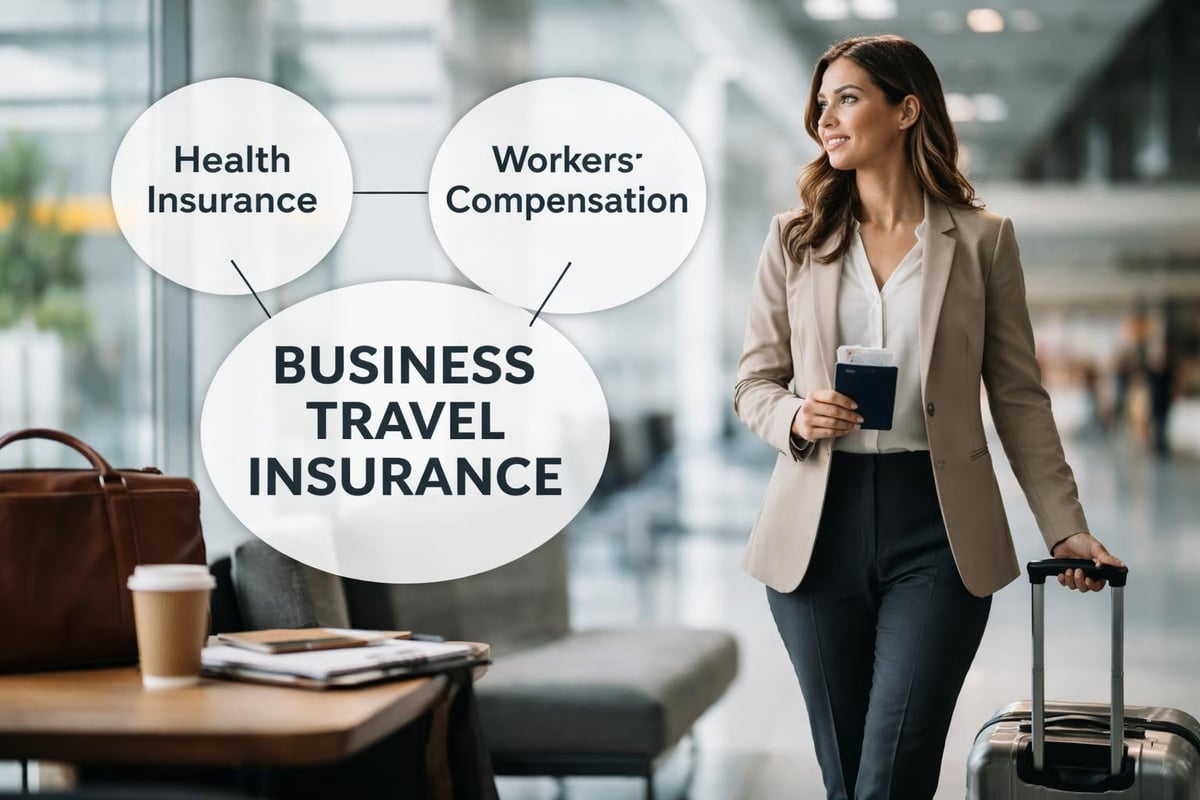
Your existing workers' compensation and health insurance policies might not provide adequate protection during business travel. Workers' comp typically covers only job-related injuries occurring during work hours, creating gray areas when employees travel. If an employee gets injured during a business dinner in Rochester or has a medical emergency while off-duty during a business trip, coverage becomes questionable.
Traditional health insurance plans may have limited coverage outside their network areas. When your St. Cloud-based employee needs emergency care while traveling, out-of-network charges can be substantial. Business travel insurance for employees bridges these dangerous gaps.
Essential Coverage Types for Minnesota Employers
Selecting appropriate business travel insurance for employees requires understanding various coverage categories and how they protect your organization. Each coverage type addresses specific risks that traveling employees encounter.
Accidental Death and Dismemberment Benefits
This foundational coverage provides financial protection if an employee suffers a fatal accident or loses a limb, sight, hearing, or speech while traveling for business. Benefit amounts typically range from $100,000 to $500,000 per employee, though organizations can select higher limits based on their risk tolerance and employee responsibilities.
Chubb’s business travel accident insurance demonstrates how AD&D benefits extend beyond basic coverage to include benefits for permanent disabilities, seat belt provisions, and family support services. For Minnesota companies in industries like agriculture or manufacturing, where executives frequently travel to trade shows and supplier meetings, these benefits provide crucial financial protection.
Medical Emergency Coverage
Medical emergencies during business travel can create substantial financial burdens. Business travel insurance for employees covers:
- Emergency hospitalization and surgery
- Prescription medications
- Ambulance and emergency transportation
- Follow-up care related to travel incidents
- Dental emergencies requiring immediate treatment
Minnesota businesses benefit particularly from this coverage when employees travel to states with higher medical costs. A routine emergency room visit that costs $800 in Albany could exceed $2,500 in major metropolitan areas outside Minnesota.
| Coverage Component | Typical Limit | Key Benefit |
|---|---|---|
| Emergency Medical | $50,000-$250,000 | Covers immediate treatment costs |
| Medical Evacuation | $100,000-$500,000 | Returns employee to Minnesota for care |
| Repatriation | $25,000-$50,000 | Covers return of remains if tragedy occurs |
| Emergency Assistance | 24/7 Service | Coordinates care and logistics |
Trip Disruption Protection
Business travel insurance for employees also addresses financial losses from trip disruptions. Coverage typically reimburses non-refundable expenses when trips are cancelled or interrupted due to covered reasons:
- Severe weather preventing travel
- Employee illness or injury before departure
- Family emergencies requiring immediate return
- Natural disasters affecting destination
- Supplier or client cancellations
For a Minnesota manufacturing company sending employees to equipment demonstrations, trip disruption coverage protects thousands in prepaid expenses, airline tickets, and hotel reservations. This protection becomes increasingly valuable as businesses book travel further in advance to secure better rates.
Determining Coverage Needs for Your Organization
Every Minnesota business has unique travel patterns and risk exposures. Assessing your specific needs ensures adequate protection without overpaying for unnecessary coverage. Start by analyzing your organization's travel profile and employee exposure levels.
Frequency and Destination Analysis
Document where your employees travel and how often. A Freeport-based company with quarterly sales meetings in St. Paul has different needs than an Albany business sending engineers to international job sites monthly. Consider:
- Domestic versus international travel percentages
- Average trip duration and distance from Minnesota
- Number of employees traveling simultaneously
- Seasonal travel patterns and peak periods
- High-risk destinations or activities
Similar to how professional liability insurance for consultants varies based on service type, business travel insurance for employees should scale with actual exposure levels.
Employee Classification and Coverage Tiers
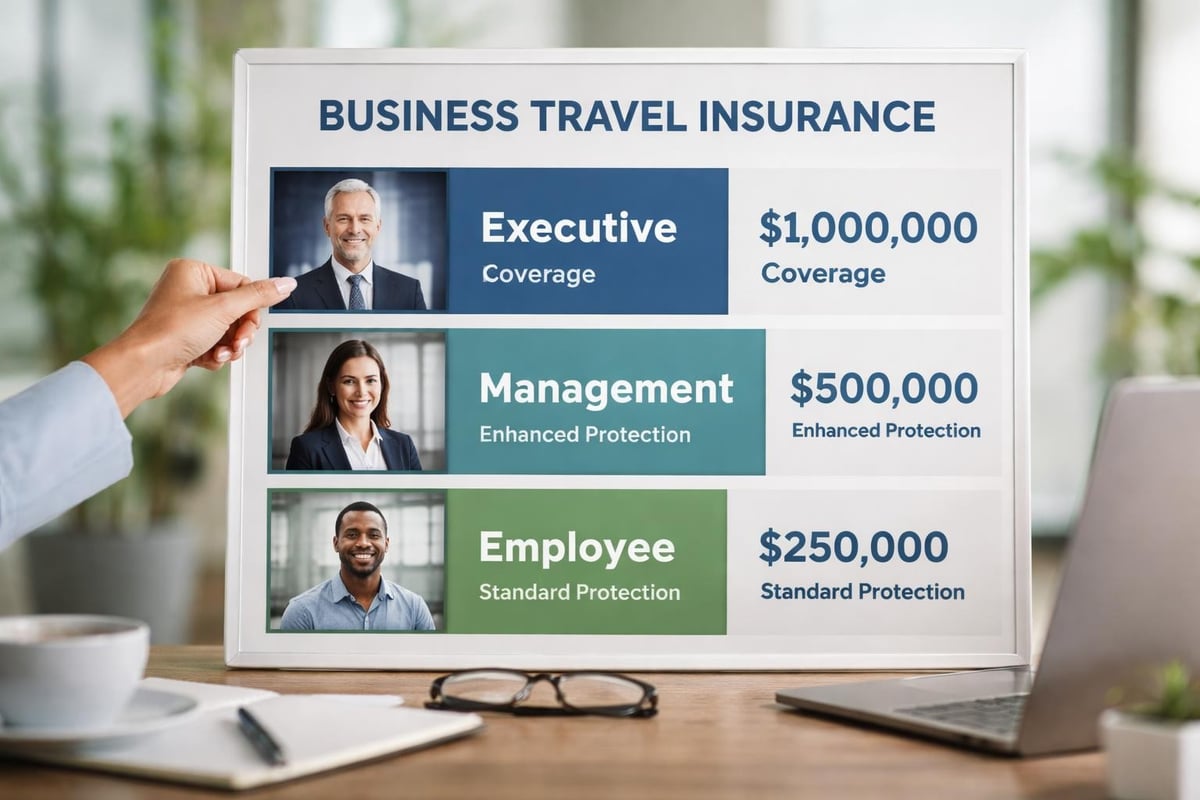
Not all employees require identical coverage amounts. Structure your business travel insurance for employees based on roles and responsibilities:
- Executive tier: Higher AD&D limits ($500,000+), comprehensive medical coverage, enhanced baggage protection
- Sales/management tier: Standard AD&D limits ($250,000), full medical coverage, trip disruption protection
- General employee tier: Basic AD&D coverage ($100,000), essential medical coverage, limited trip protection
This tiered approach controls costs while ensuring appropriate protection. Your vice president traveling to Minneapolis for board meetings needs different coverage than an employee attending a one-day seminar in Mankato.
Cost Considerations and ROI
Understanding the financial aspects of business travel insurance for employees helps justify this investment to stakeholders. Premium costs vary significantly based on coverage selections, employee count, and travel frequency, but most Minnesota businesses find the protection remarkably affordable relative to potential losses.
Premium Factors and Pricing
Annual premiums for business travel insurance for employees typically range from $200 to $800 per employee, depending on:
- Coverage limits selected for each protection type
- Employee age and number of covered individuals
- Travel frequency and destination risk levels
- Claims history and industry classification
- Additional riders or enhanced benefits
According to industry data, businesses can expect to pay approximately 1-3% of total travel expenditures for comprehensive coverage. A Minnesota company spending $100,000 annually on employee travel might invest $1,000-$3,000 in business travel insurance for employees, creating substantial protection for a modest investment.
Calculating Your Protection Investment
To determine appropriate coverage levels and justify costs, calculate potential exposure:
Direct Financial Risks:
- Average medical emergency costs without coverage: $15,000-$50,000
- Medical evacuation from distant locations: $25,000-$100,000
- Lost productivity from extended absence: Variable
- Potential litigation from inadequate employee protection: $100,000+
Indirect Business Impacts:
- Damaged employee morale and recruitment challenges
- Reputational harm from inadequate duty of care
- Project delays and missed deadlines
- Client relationship disruptions
The return on investment becomes clear when comparing premium costs against potential losses. Much like workers’ comp insurance coverage protects against workplace injuries, business travel insurance for employees safeguards against travel-related risks that could devastate your organization financially.
Implementing an Effective Travel Insurance Program
Purchasing business travel insurance for employees represents only the first step. Successful implementation requires clear policies, employee education, and streamlined claims processes that ensure your team receives protection when they need it most.
Policy Integration and Communication
Integrate travel insurance into your broader risk management framework:
- Develop written travel policies outlining when coverage applies and what employees must do before traveling
- Create clear communication materials explaining coverage benefits and limitations in plain language
- Establish approval workflows ensuring all business travel receives proper documentation
- Train managers on coverage requirements and employee responsibilities
- Provide employees with coverage cards containing policy numbers and 24/7 assistance contact information
Minnesota businesses should ensure employees traveling from Albany or Freeport understand coverage activation procedures and emergency contact protocols. Just as cyber insurance companies require specific security protocols, travel insurance works best when employees follow established procedures.
Emergency Response Procedures
Establish clear protocols for travel emergencies:
- Immediate notification requirements for medical emergencies
- 24/7 emergency assistance hotline access
- Documentation requirements for claims submission
- Communication chains for serious incidents
- Coordination with local medical facilities and providers
Partner with your insurance provider to create wallet cards or mobile app access containing essential emergency information. When a Minnesota employee faces a medical crisis in an unfamiliar location, quick access to assistance services can literally save lives.
| Response Element | Responsibility | Timeline |
|---|---|---|
| Initial Emergency Call | Traveling Employee | Immediately |
| Insurance Notification | Employee or Manager | Within 24 hours |
| Family Communication | HR Department | Within 4 hours |
| Documentation Collection | Employee | Within 72 hours |
| Claim Submission | Benefits Administrator | Within 1 week |
Selecting the Right Insurance Provider
Choosing an insurance provider for business travel insurance for employees requires evaluating multiple factors beyond premium costs. The right partner provides comprehensive coverage, responsive claims service, and valuable risk management support that protects your Minnesota workforce effectively.
Evaluation Criteria for Providers
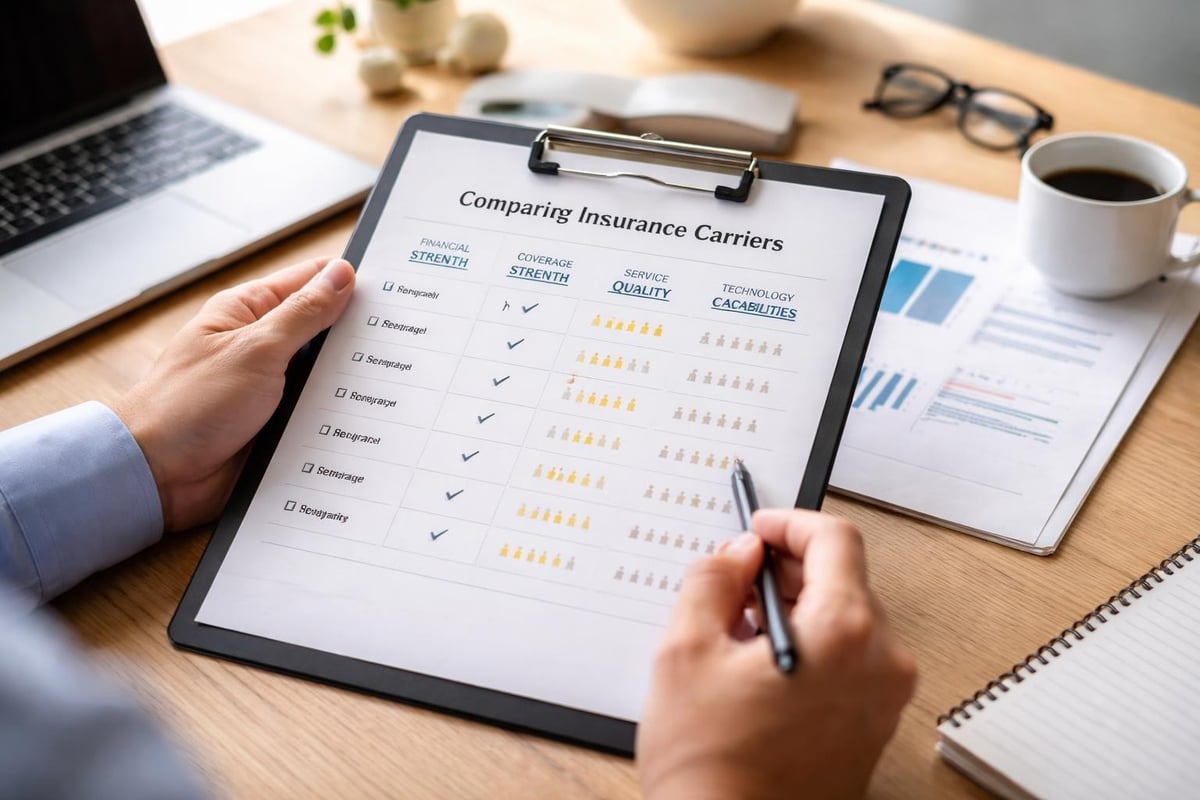
Assess potential insurance carriers using these critical factors:
Financial Strength and Stability
- AM Best ratings of A- or higher
- Years in business and market presence
- Claims-paying history and customer reviews
- Financial reserves adequate for catastrophic events
Coverage Flexibility
- Customizable policy limits and deductibles
- Optional riders for unique business needs
- Scalability as your business grows
- International coverage capabilities
Service Quality
- 24/7 emergency assistance availability
- Claims processing speed and efficiency
- Multilingual support for international travel
- Technology platforms for policy management
The Hartford’s approach to protecting employees through business travel coverage demonstrates how established carriers combine comprehensive protection with responsive service. For Minnesota businesses, working with providers familiar with regional travel patterns and medical facilities creates additional value.
Independent Broker Advantages
Working with an independent insurance broker provides significant benefits when securing business travel insurance for employees. Independent brokers access multiple carriers, enabling true comparison shopping and unbiased recommendations.
Brokers offer:
- Market knowledge across 35+ insurance companies
- Objective policy comparisons without carrier bias
- Ongoing policy management and renewal negotiations
- Claims advocacy when disputes arise
- Risk management consulting beyond insurance placement
Minnesota businesses benefit from brokers familiar with local market conditions and regional carriers. An Albany-based broker understands the specific needs of businesses in central Minnesota, from agricultural operations to manufacturing companies.
Advanced Coverage Considerations
As your business travel insurance for employees program matures, consider enhanced coverage options that address sophisticated risks. These advanced protections provide additional security for organizations with complex travel requirements or unique exposure scenarios.
Kidnap and Ransom Coverage
While Minnesota businesses rarely consider kidnapping risks domestically, employees traveling to certain international destinations face genuine security threats. Kidnap and ransom coverage provides:
- Ransom payment funding without using company resources
- Professional negotiator services
- Crisis management consultation
- Post-incident psychological counseling
- Legal expense coverage related to incidents
Even businesses with primarily domestic travel should evaluate this coverage if employees occasionally travel to high-risk international locations for conferences, supplier visits, or customer meetings.
Political Risk and Civil Unrest Protection
Coverage for political evacuations and civil unrest has gained importance as global instability increases. This protection covers:
- Emergency evacuation from politically unstable regions
- Relocation expenses to safe locations
- Additional accommodation costs during disruptions
- Trip cancellation due to government travel warnings
- Medical care in areas with compromised healthcare systems
Technology and Equipment Protection
Modern business travelers carry substantial technology assets. Enhanced equipment coverage protects laptops, tablets, specialized tools, and sample products beyond standard baggage coverage limits. This becomes particularly valuable for Minnesota companies in specialized industries like medical device manufacturing or precision agriculture technology.
Regulatory Compliance and Legal Requirements
Understanding legal obligations regarding business travel insurance for employees helps Minnesota businesses maintain compliance while protecting their workforce. While federal law doesn't mandate travel insurance, various regulations influence coverage decisions and create potential liability for inadequate protection.
Duty of Care Obligations
Employers have legal and ethical obligations to protect employee safety during business travel. This "duty of care" extends beyond workplace premises to any location where employees work on company business. Failing to provide adequate protection can result in:
- Negligence claims from injured employees
- Regulatory penalties for inadequate safety measures
- Increased workers' compensation costs
- Litigation from employee families after serious incidents
Research on business travel insurance demonstrates how comprehensive coverage helps organizations fulfill duty of care responsibilities while managing financial exposures.
Record-Keeping Requirements
Maintain detailed documentation of your business travel insurance for employees program:
- Policy documents and certificates for all coverage periods
- Employee acknowledgment forms confirming coverage understanding
- Travel approval records documenting business purpose
- Incident reports for all claims or near-misses
- Annual program reviews assessing coverage adequacy
Proper documentation protects your Minnesota business if coverage disputes arise or regulatory agencies review your employee protection programs. Similar to maintaining records for employees’ life insurance, thorough documentation demonstrates compliance and professional management.
Future Trends in Business Travel Protection
The business travel insurance for employees landscape continues evolving with changing workforce patterns and emerging risks. Staying informed about industry trends positions Minnesota businesses to adapt their protection programs effectively and maintain comprehensive coverage.
Technology Integration
Modern travel insurance increasingly incorporates digital solutions:
- Mobile apps providing instant policy access and emergency assistance
- GPS tracking enabling automatic coverage activation when travel begins
- Telemedicine services offering virtual consultations before seeking in-person care
- Automated claims submission through photo documentation and digital receipts
- Travel risk alerts pushing real-time warnings about destination hazards
These technological advances make business travel insurance for employees more accessible and user-friendly, particularly for Minnesota businesses with distributed workforces or frequent travelers.
Pandemic and Disease Coverage
The 2020-2021 pandemic fundamentally changed business travel insurance. Current policies increasingly address epidemic and pandemic scenarios, including:
- Medical coverage for communicable diseases including COVID-19
- Trip cancellation due to outbreak-related travel restrictions
- Quarantine accommodation and meal expenses
- Emergency evacuation from outbreak zones
- Telemedicine access for non-emergency situations
Minnesota businesses should verify that their business travel insurance for employees includes comprehensive pandemic protections as travel patterns normalize and new health risks emerge.
Mental Health and Wellness Support
Progressive business travel insurance for employees programs now incorporate mental health services recognizing that travel stress impacts employee wellbeing. Coverage enhancements include:
- 24/7 access to mental health crisis counseling
- Travel anxiety support and coping strategies
- Post-incident trauma counseling
- Substance abuse support during extended travel
- Family counseling for employees facing travel-related stress
These additions acknowledge that protecting employees involves more than physical safety, creating comprehensive support that benefits both workers and employers through reduced burnout and improved productivity.
Protecting your traveling workforce through comprehensive business travel insurance for employees demonstrates your commitment to employee safety while safeguarding your organization's financial stability. Minnesota businesses face unique considerations balancing cost-effective coverage with adequate protection for employees traveling throughout the region and beyond. Whether your team travels locally within Minnesota or across international borders, Guardian Insurance Services MN can help you navigate coverage options from over 35 top carriers to find the perfect protection for your specific needs. Contact our Albany or Freeport offices today to discuss how business travel insurance strengthens your overall risk management strategy.