
Running a business in Minnesota comes with unique challenges and opportunities. From harsh winter conditions affecting property and vehicles to the complexities of managing employees and serving customers, business owners face numerous risks daily. Commercial insurance services provide the critical safety net that protects your investment, your employees, and your livelihood when unexpected events threaten your operations. Whether you're operating a farm near Albany, running a retail store in Freeport, or managing a professional services firm in the Twin Cities, understanding how these services work can mean the difference between a temporary setback and a business-ending catastrophe.
Understanding the Scope of Commercial Insurance Services
Commercial insurance services encompass far more than simply purchasing a policy and filing it away. These comprehensive services include risk assessment, policy customization, claims management, and ongoing consultation to ensure your business remains properly protected as it grows and evolves.
Independent brokers bring exceptional value to this process because they work with multiple insurance carriers rather than representing a single company. This approach allows them to compare coverage options across dozens of providers, ensuring you receive competitive pricing and comprehensive protection tailored to your specific industry and risk profile.
The Core Components of Business Protection
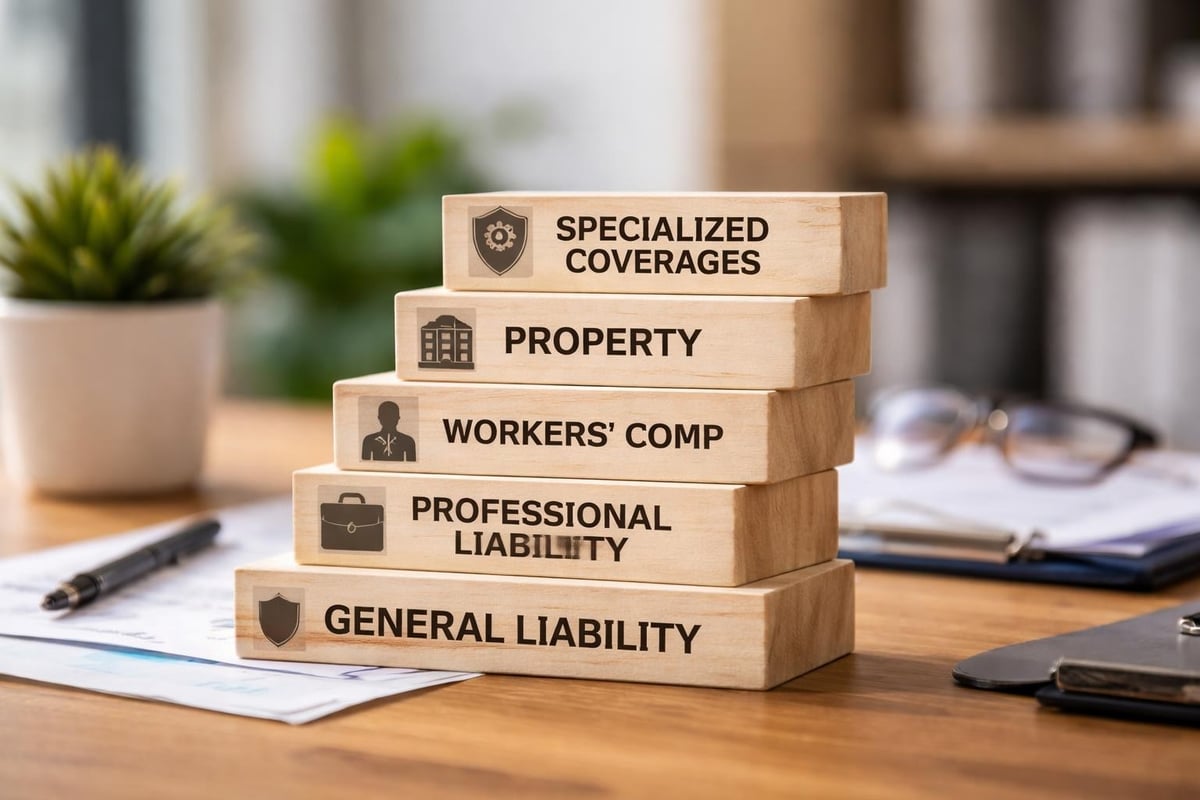
Every Minnesota business requires a foundation of essential coverages, though the specific mix varies based on your industry, size, and operations.
- General liability insurance protects against third-party bodily injury and property damage claims
- Commercial property insurance covers buildings, equipment, inventory, and other physical assets
- Workers compensation provides mandatory coverage for employee injuries and illnesses
- Commercial auto insurance protects business vehicles and drivers
- Professional liability insurance shields service providers from errors and omissions claims
Beyond these fundamentals, specialized industries require additional protection. Agricultural operations benefit from comprehensive farm insurance that addresses crop losses, livestock mortality, and equipment breakdown. Contractors need builder's risk coverage and surety bonds. Technology companies require cyber liability protection against data breaches and network failures.
How Independent Brokers Deliver Superior Commercial Insurance Services
The relationship between a business and its insurance broker should extend far beyond annual policy renewals. Experienced brokers function as strategic risk management partners, helping you identify exposures you might not recognize on your own.
| Broker Advantage | Direct Carrier | Independent Broker |
|---|---|---|
| Company Options | 1 carrier | 35+ carriers |
| Pricing Flexibility | Limited | Competitive shopping |
| Personalized Service | Call center | Local relationship |
| Claims Advocacy | Internal only | Multi-carrier leverage |
| Risk Consultation | Product-focused | Business-focused |
When you work with an independent broker offering commercial insurance services, you gain access to specialized knowledge about Minnesota-specific risks. They understand how extreme weather patterns affect property claims, how state workers compensation regulations impact manufacturing operations, and which carriers offer the best coverage for agricultural businesses in central Minnesota.
The Risk Assessment Process
Professional brokers begin every client relationship with a thorough risk assessment. This evaluation examines your current operations, growth plans, contractual obligations, and industry-specific exposures.
During this process, your broker will:
- Review existing policies to identify coverage gaps and redundancies
- Conduct property inspections to assess physical risks and loss control opportunities
- Analyze your contracts to ensure insurance requirements are met
- Evaluate your risk tolerance and financial capacity for deductibles
- Project future needs based on planned expansion or operational changes
This comprehensive approach ensures that commercial insurance services align with your business strategy rather than simply checking compliance boxes. The Insurance Information Institute provides valuable insights into how commercial insurance functions within the broader business ecosystem.
Essential Coverage Types Every Minnesota Business Should Consider
Understanding the specific protections available through commercial insurance services helps you make informed decisions about your risk management strategy. Each coverage type addresses distinct exposures that could otherwise devastate your business financially.
Property and Casualty Protections
Commercial property insurance forms the backbone of physical asset protection. Standard policies cover direct damage from fire, wind, hail, and other named perils. However, Minnesota businesses should pay special attention to several critical endorsements.
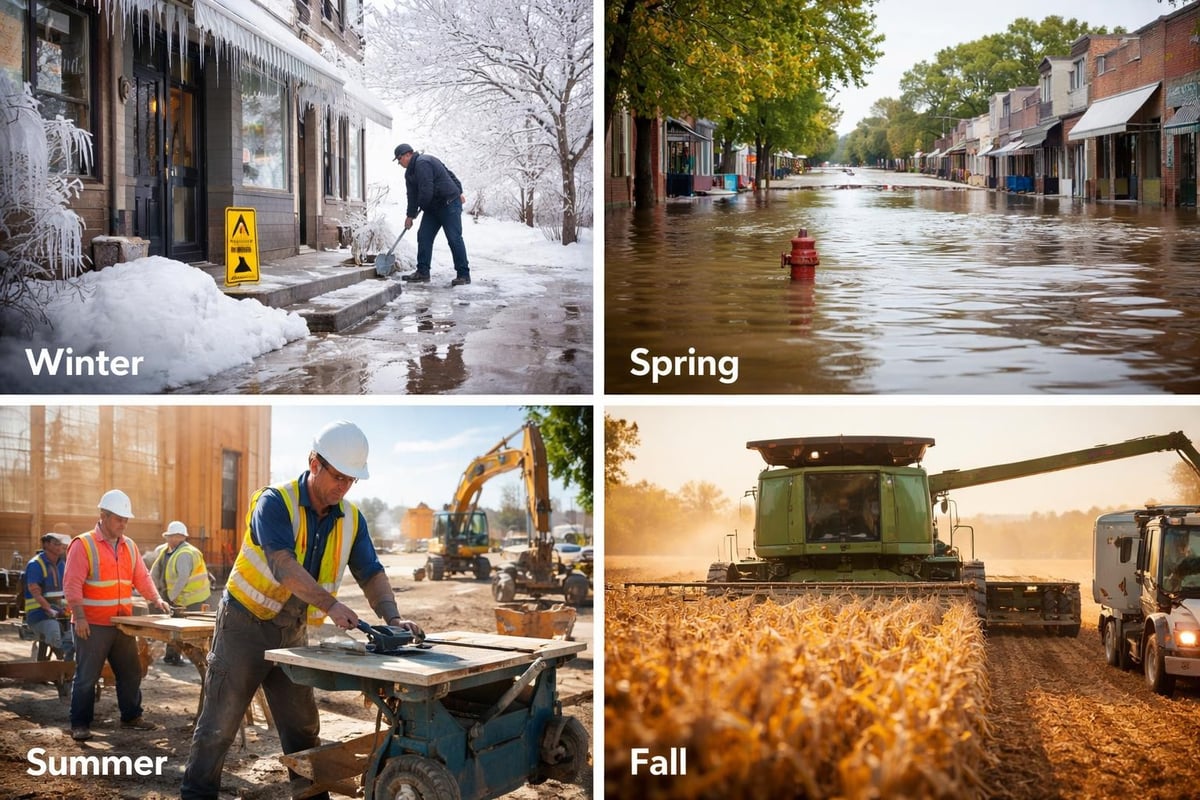
Water damage coverage becomes particularly important given our freeze-thaw cycles that can cause pipe bursts and ice dam formations. Equipment breakdown insurance protects against sudden mechanical failures in heating systems, refrigeration units, and manufacturing equipment. Business interruption coverage replaces lost income when property damage forces temporary closure.
Many business owners overlook the distinction between replacement cost and actual cash value coverage. While actual cash value policies cost less upfront, they depreciate your assets over time, potentially leaving you unable to fully rebuild or replace damaged property after a significant loss.
Liability and Professional Services Coverage
General liability insurance addresses the most common business risks: customer injuries on your premises, property damage caused by your operations, and advertising injury claims. This coverage typically includes both legal defense costs and settlements or judgments against your business.
Professional liability insurance, also called errors and omissions coverage, protects businesses that provide advice, consulting, or specialized services. Accountants, engineers, insurance brokers, real estate agents, and consultants all need this protection against claims alleging negligent work or failure to deliver promised results.
The digital transformation affecting commercial insurance services has introduced new liability exposures. Automation and data analytics now play crucial roles in underwriting, but they also create cyber risks that require dedicated insurance coverage.
Workers Compensation and Employee-Related Coverage
Every Minnesota business with employees must carry workers compensation insurance, with very limited exceptions. This mandatory coverage provides medical benefits and wage replacement for employees injured on the job, while protecting employers from direct lawsuits related to workplace injuries.
Experience modification rates directly impact your workers compensation premiums. Businesses with strong safety records and few claims receive discounts, while those with poor loss histories pay surcharges. Effective commercial insurance services include loss control consulting to help you improve workplace safety and reduce these costs over time.
Beyond workers comp, employee benefits insurance rounds out your human resources protection strategy:
- Group health insurance attracts and retains quality employees
- Dental and vision coverage enhances your benefits package competitively
- Disability insurance protects both employees and key personnel
- Life insurance provides valuable employee benefits and key person coverage
Specialized Industries Require Tailored Commercial Insurance Services
Minnesota's diverse economy includes industries with unique insurance needs. Agricultural operations, healthcare providers, contractors, and technology companies each face distinct risks requiring specialized coverage approaches.
Agricultural and Farm Operations
Minnesota's agricultural sector demands specialized commercial insurance services that address both traditional farming risks and modern agribusiness exposures. Understanding insurance sources helps farm owners recognize where to find appropriate coverage for their operations.
Farm policies typically bundle multiple coverages including dwelling protection, livestock mortality, crop insurance, farm liability, and equipment coverage. However, commercial farming operations often need separate commercial policies that provide higher limits and broader protection than standard farm packages offer.
Construction and Contractor Coverage
Contractors face some of the highest risk exposures in commercial insurance. Beyond standard general liability and workers compensation, construction firms need:
- Builder's risk insurance for projects under construction
- Installation floater coverage for equipment being installed
- Contractor's equipment insurance for owned tools and machinery
- Surety bonds required by project contracts
- Umbrella liability for catastrophic claim protection
Many contractors struggle with understanding how their commercial insurance for business should evolve as they take on larger projects or expand into new construction specialties.
The Claims Process and Advocacy Services
How your broker handles claims demonstrates the true value of quality commercial insurance services. When disaster strikes, you need responsive support and expert advocacy to navigate the claims process successfully.
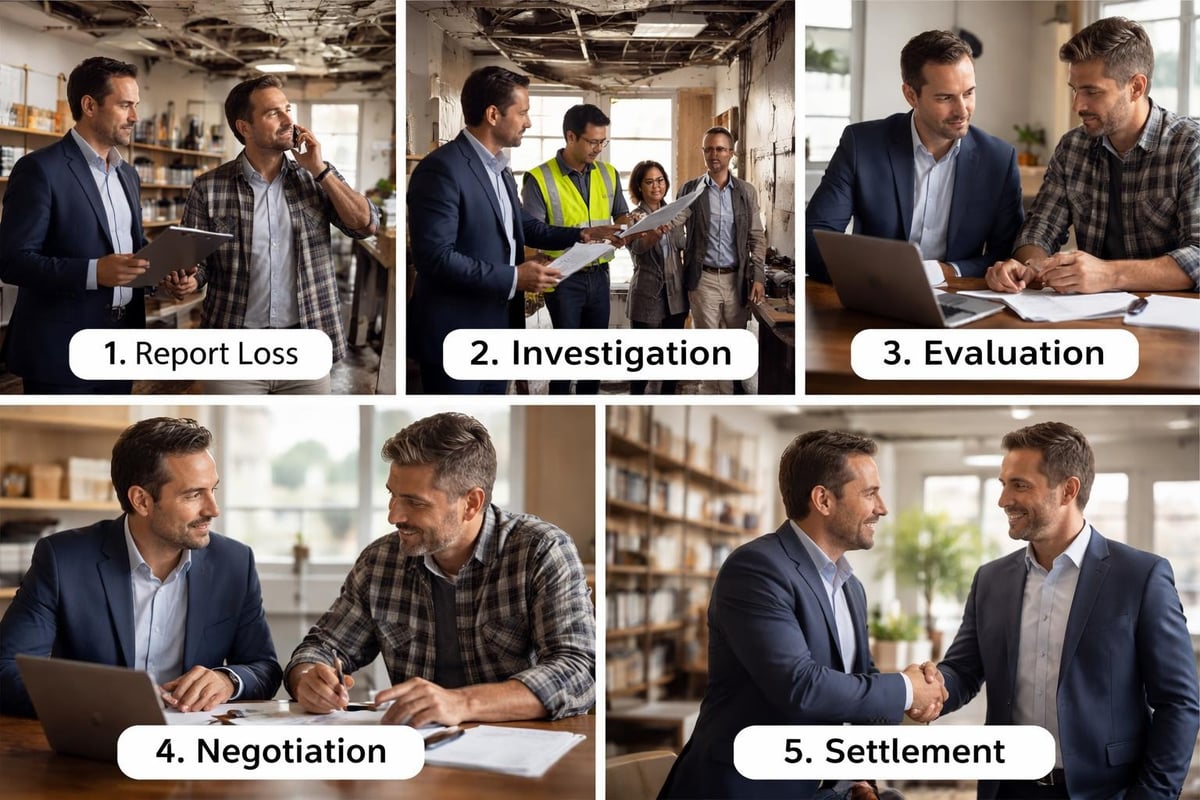
First-notice-of-loss reporting should happen immediately when an incident occurs. Your broker should provide clear guidance on what information the carrier needs, how to document damages, and what initial steps to take to mitigate further losses.
| Claims Phase | Your Responsibilities | Broker's Role |
|---|---|---|
| Immediate Response | Document damage, prevent further loss | Contact carrier, guide next steps |
| Investigation | Provide records, cooperate with adjuster | Ensure proper evaluation, challenge lowball offers |
| Evaluation | Review settlement offers | Negotiate on your behalf, explain technical terms |
| Settlement | Accept payment, complete repairs | Verify full coverage application, resolve disputes |
Independent brokers can advocate more effectively than captive agents because they maintain leverage with carriers. If one company handles a claim poorly, the broker can move your other policies to competitors, creating accountability that benefits you throughout the claims process.
Cost Management Strategies for Commercial Insurance Services
Smart business owners recognize that commercial insurance services represent both necessary protection and a significant operating expense. Strategic approaches to cost management help you maintain adequate coverage while controlling premium growth.
Annual policy reviews identify opportunities to adjust coverages as your business changes. Discontinued product lines, sold equipment, or reduced inventory levels all justify coverage reductions. Conversely, new locations, additional employees, or expanded services require coverage increases to avoid dangerous gaps.
Deductible Optimization
Higher deductibles reduce premiums by shifting more risk to your business. This strategy works well for financially stable companies with adequate cash reserves to handle smaller losses. The savings from increased deductibles often exceed the actual cost of minor claims you'll pay out of pocket.
Consider these deductible approaches:
- Separate deductibles for different perils based on likelihood and severity
- Aggregate deductibles that cap your total out-of-pocket exposure annually
- Percentage deductibles for property coverage in high-value locations
- Time deductibles for business interruption that exclude short disruptions
Safety and Loss Control Programs
Proactive risk management delivers measurable insurance savings while protecting your business. Statistics show that businesses investing in safety programs experience fewer claims and lower premiums over time.
Effective programs include regular safety training, equipment maintenance schedules, written safety policies, incident investigation procedures, and return-to-work programs for injured employees. Your broker should connect you with carrier resources that provide safety consulting at no additional cost.
Selecting the Right Commercial Insurance Services Provider
The broker you choose dramatically affects your coverage quality, claims experience, and overall satisfaction with commercial insurance services. Several key factors separate exceptional brokers from mediocre ones.
Local presence matters when you need face-to-face consultations, property inspections, or emergency claims support. Brokers with Minnesota offices understand regional risks like agricultural exposures, seasonal business fluctuations, and state-specific regulations that national firms might overlook.
Evaluating Broker Capabilities
Before committing to a broker relationship, assess their qualifications and service approach:
- Carrier relationships: Do they represent financially strong carriers with good claims reputations?
- Industry expertise: Have they served businesses similar to yours?
- Service team: Will you work with a dedicated account manager or get shuffled between staff?
- Technology access: Do they offer online policy management and certificate generation?
- Claims support: What happens when you need to file a claim outside business hours?
Independent brokers serving Minnesota businesses through multiple locations demonstrate commitment to accessibility and personalized service. The ability to meet in Albany or Freeport rather than driving to the Twin Cities saves time and builds stronger working relationships.
Technology Integration in Modern Commercial Insurance Services
Digital transformation continues reshaping how businesses purchase and manage insurance. Business Insurance reports extensively on technology trends affecting commercial coverage, from online quoting systems to predictive analytics for loss prevention.
Modern commercial insurance services should include digital tools that simplify policy management. Online portals allow you to access policy documents, generate certificates of insurance for contracts, report claims, and review coverage details anytime without waiting for business hours.
Artificial intelligence increasingly influences underwriting decisions and pricing. Advanced systems analyze vast data sets to identify risk patterns and price policies more accurately. While this technology offers benefits, it also means working with knowledgeable brokers who understand how these systems work becomes more important than ever.
Multi-Location and Fleet Coverage Considerations
Businesses operating across multiple Minnesota locations or managing vehicle fleets face additional insurance complexities. Commercial insurance services for these operations require coordination across policies and jurisdictions.
Fleet insurance coverage must account for different vehicle types, driver qualifications, and usage patterns. Small fleets might use business auto policies, while larger operations need specialized fleet programs with features like:
- Scheduled versus non-scheduled coverage for flexible vehicle additions
- Hired and non-owned auto protection for employee vehicle use
- Motor truck cargo insurance for transported goods
- Physical damage deductible alternatives based on vehicle value
Multi-location property coverage requires careful attention to policy structure. Blanket policies provide flexibility for businesses with changing inventory levels across locations, while specific coverage assigns precise values to each building and location.
Compliance and Regulatory Requirements
Minnesota businesses must navigate various insurance-related compliance requirements. Workers compensation mandates apply to nearly all employers. Professional licensing boards require specific liability coverage for certain occupations. Contracts often impose detailed insurance requirements on vendors and service providers.
Certificate of insurance management becomes critical when you regularly provide proof of coverage to clients, general contractors, or landlords. Quality commercial insurance services include efficient certificate generation that accurately reflects your coverage and meets contractual requirements.
Understanding how to compare insurance companies helps ensure you're working with financially stable carriers that will be around when you need them most. Rating agencies like A.M. Best, Standard & Poor's, and Moody's evaluate insurance company financial strength and claims-paying ability.
Long-Term Partnership Benefits
The most valuable commercial insurance services emerge from long-term broker relationships built on trust, communication, and mutual understanding. Brokers who know your business intimately provide better coverage recommendations and more effective claims advocacy.
Annual strategy sessions should review your business evolution, emerging risks, and coverage adequacy. These meetings go beyond simple renewals to examine how industry trends, regulatory changes, and your growth plans affect insurance needs.
Experienced brokers anticipate your needs before problems arise. They notify you about new coverage options addressing emerging risks, connect you with loss control resources that prevent claims, and educate you about risk management best practices specific to your industry.
Protecting your Minnesota business requires comprehensive commercial insurance services tailored to your unique operations and risk exposures. From foundational coverages like general liability and property insurance to specialized protection for farms, fleets, and professional services, the right insurance strategy provides both financial security and peace of mind. Guardian Insurance Services MN brings local expertise, access to over 35 top carriers, and personalized service to businesses throughout Albany, Freeport, and central Minnesota, helping you build the protection your business deserves with responsive support when you need it most.