
Running a catering business in Minnesota comes with unique rewards and substantial risks. Whether you're serving corporate events in Minneapolis, wedding receptions in St. Cloud, or community gatherings in smaller towns like Albany and Freeport, your business faces potential liabilities every single day. From food poisoning claims to equipment damage at client venues, these risks can devastate an unprotected business financially. Catering liability insurance provides the critical safety net that keeps your business operational when accidents happen, protecting everything you've built from unforeseen legal and financial challenges.
Understanding Catering Liability Insurance Fundamentals
Catering liability insurance represents a specialized form of business protection designed specifically for food service professionals who operate outside traditional restaurant settings. This coverage addresses the unique exposures caterers face when working in diverse venues, transporting food, and serving large groups at events.
The foundation of any solid catering insurance strategy starts with general liability insurance, which covers third-party bodily injury and property damage claims. When your server accidentally spills hot soup on a guest's expensive suit, or your equipment damages a venue's hardwood floor, this coverage responds.
What makes catering liability different from standard restaurant insurance:
- Coverage extends to multiple venue locations rather than one fixed address
- Protection includes transportation of food and equipment
- Higher product liability emphasis due to off-site food preparation risks
- Specialized event-based coverage needs
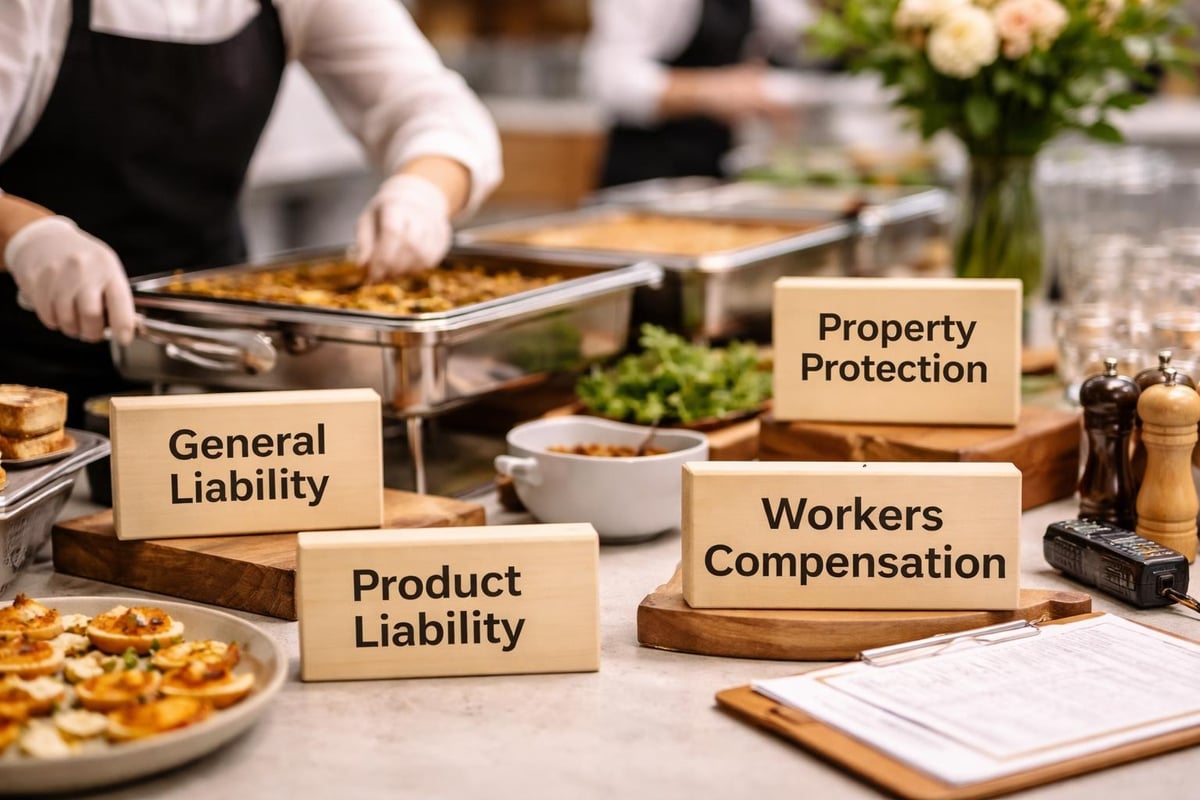
Minnesota caterers face specific considerations that make proper insurance even more critical. The state's diverse climate means outdoor events during summer months and indoor holiday gatherings during harsh winters, each presenting different liability scenarios. Additionally, Minnesota's legal environment holds businesses accountable for serving safe food and maintaining safe working conditions, making comprehensive protection non-negotiable.
Essential Coverage Components Every Caterer Needs
Building a complete catering liability insurance program requires understanding multiple coverage layers that work together. Each component addresses different aspects of your business operations and potential exposures.
General Liability Protection
This cornerstone coverage protects your catering business from claims of bodily injury or property damage that occur during your operations. According to The Hartford’s catering insurance guide, general liability handles scenarios ranging from slip-and-fall accidents at events to damage caused by your staff at client venues.
Common claims covered under general liability:
- Guest injuries from tripping over equipment cables
- Burns from serving dishes or cooking equipment
- Property damage to rented venues or client homes
- Legal defense costs even if claims are groundless
The medical payments component pays for immediate medical expenses regardless of fault, which can prevent small incidents from escalating into major lawsuits. This goodwill gesture often resolves situations before they become contentious legal battles.
Product Liability Insurance
Perhaps the most critical coverage for caterers, product liability protects your business when the food you prepare allegedly causes illness or injury. Logrock’s catering insurance analysis emphasizes that foodborne illness claims can result in devastating financial consequences without proper coverage.
| Coverage Feature | Protection Provided | Why It Matters |
|---|---|---|
| Food Poisoning Claims | Medical costs and legal defense | Single incident can affect dozens of guests |
| Allergic Reaction Defense | Legal representation for allergen claims | Even with proper disclosure, lawsuits occur |
| Contamination Coverage | Product recall and replacement costs | Protects against supply chain issues |
| Third-Party Medical | Guest medical expenses | Demonstrates responsibility and reduces litigation |
Minnesota health codes require strict adherence to food safety standards, but even the most diligent caterers face potential claims. One reported case of food poisoning from a wedding can generate claims from dozens of guests, making product liability insurance absolutely essential.
Commercial Property Coverage
Your catering equipment, vehicles, and inventory represent significant investments that need protection. Commercial property insurance covers your business assets whether they're at your commercial kitchen, in transit, or set up at event venues.
This coverage protects against:
- Theft of expensive cooking equipment from venues
- Fire damage to your commercial kitchen
- Weather-related damage during transport
- Spoilage from equipment breakdown
For Minnesota caterers, seasonal weather poses particular risks. A broken refrigeration unit during a July heat wave or equipment damaged in winter ice storms can cost thousands in replacement expenses and lost business opportunities.
Specialized Coverage Options for Growing Catering Operations
Beyond basic protections, successful Minnesota catering businesses often need additional specialized coverages that address specific operational risks.
Workers Compensation Insurance
Minnesota law mandates workers compensation insurance for businesses with employees. The catering industry presents elevated injury risks compared to many other sectors, making this coverage both legally required and practically essential.
Kitchen environments involve sharp knives, hot surfaces, heavy equipment, and slippery floors. Your staff faces burn risks, cuts, repetitive motion injuries, and back strains from lifting heavy trays and equipment. Workers compensation covers medical expenses, lost wages, and rehabilitation costs when employees suffer work-related injuries.
Employee injury scenarios common in catering:
- Severe burns from commercial cooking equipment
- Knife cuts during food preparation
- Back injuries from lifting chafing dishes and equipment
- Slip and fall accidents in busy kitchens
- Vehicle accidents during delivery and setup
Commercial Auto Insurance
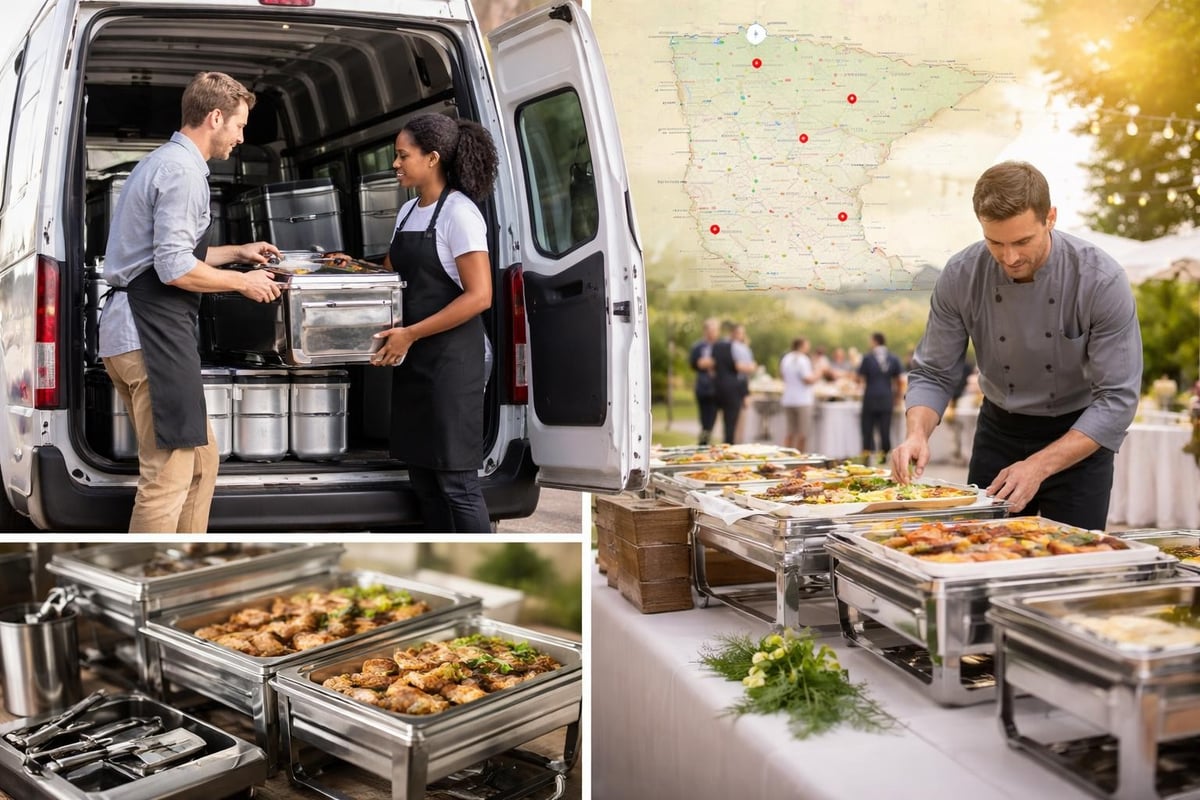
Transportation represents a fundamental component of catering operations. Commercial auto insurance becomes necessary when you use vehicles for business purposes, protecting against accidents during food delivery and equipment transport.
Standard personal auto policies explicitly exclude business use, leaving you completely unprotected if an accident occurs while transporting food to an event. Commercial policies cover vehicle damage, liability for injuries to others, and can include specialized equipment coverage for items permanently installed in your vehicles.
Liquor Liability Coverage
If your catering service includes bartending or alcohol service, liquor liability insurance addresses a unique and serious exposure. Minnesota's dram shop laws can hold businesses liable when intoxicated guests cause injuries or property damage after being over-served.
Progressive’s caterer insurance overview notes that liquor liability claims can exceed policy limits quickly, making adequate coverage limits crucial. Even if you're serving alcohol provided by the client, your business may face liability claims, making this coverage worth serious consideration.
Determining Your Coverage Needs and Costs
Selecting appropriate catering liability insurance requires honest assessment of your business operations, exposure levels, and growth trajectory. Coverage needs vary significantly between a part-time home-based caterer serving small parties and an established commercial operation handling large corporate events.
Risk Assessment Factors
Business size and revenue considerations:
- Annual revenue and number of events
- Employee count and payroll expenses
- Types of events (weddings, corporate, social)
- Service area geographic scope
- Equipment and inventory values
Minnesota caterers operating in the Twin Cities metro area typically face different cost structures than those serving rural communities. Higher event volumes, larger guest counts, and premium venue requirements in Minneapolis and St. Paul often necessitate higher coverage limits.
Coverage Limit Recommendations
Industry experts generally recommend minimum coverage limits that provide meaningful protection without excessive premium costs. However, many venues and clients now require specific minimum coverage amounts before allowing caterers to work events.
| Business Size | General Liability Minimum | Recommended Limit | Product Liability |
|---|---|---|---|
| Small (1-3 employees) | $500,000 | $1,000,000 | $1,000,000 |
| Medium (4-10 employees) | $1,000,000 | $2,000,000 | $2,000,000 |
| Large (10+ employees) | $2,000,000 | $3,000,000 | $3,000,000 |
| High-end/Premium events | $2,000,000 | $5,000,000 | $5,000,000 |
Many upscale venues in Minnesota require caterers to carry $2,000,000 or more in liability coverage, with the venue named as an additional insured. According to EZ.Insure’s caterer insurance guide, failing to meet venue requirements can cost you valuable contracts and revenue opportunities.
Premium Cost Factors
Catering liability insurance costs vary based on numerous business characteristics and risk factors. Understanding what influences premiums helps you make informed decisions about coverage and potentially reduce costs through risk management.
Primary factors affecting your insurance premiums:
- Annual revenue and number of events served
- Claims history and years in business
- Coverage limits and deductible selections
- Geographic service area
- Types of cuisine and service style
- Employee training programs and safety protocols
Most Minnesota catering businesses can expect to pay between $500 and $3,000 annually for basic general liability coverage, though costs increase substantially when adding workers compensation, commercial auto, and other specialized coverages. Working with an independent broker like Guardian Insurance Services MN allows you to compare options from multiple carriers, ensuring you get optimal coverage at competitive rates.
Managing Common Risks and Claims
Understanding common catering liability exposures allows you to implement risk management strategies that protect your business and potentially reduce insurance costs. Logrock’s comprehensive catering insurance guide identifies several frequent claim scenarios that Minnesota caterers should actively work to prevent.
Food Safety and Product Liability
Food poisoning claims represent the most feared scenario for any catering business. A single contamination incident can sicken dozens of guests, generate massive medical bills, destroy your reputation, and potentially close your business without adequate insurance protection.
Critical food safety protocols:
- Maintain proper refrigeration temperatures during transport and service
- Implement strict handwashing and sanitation procedures
- Train staff on allergen awareness and cross-contamination prevention
- Document temperature logs and safety checklists
- Source ingredients from reputable, licensed suppliers
Minnesota's food safety regulations require catering operations to follow specific guidelines for food handling, storage, and service. Your insurance carrier may offer premium discounts for businesses that maintain food safety certifications and documented training programs.
Venue Property Damage Prevention
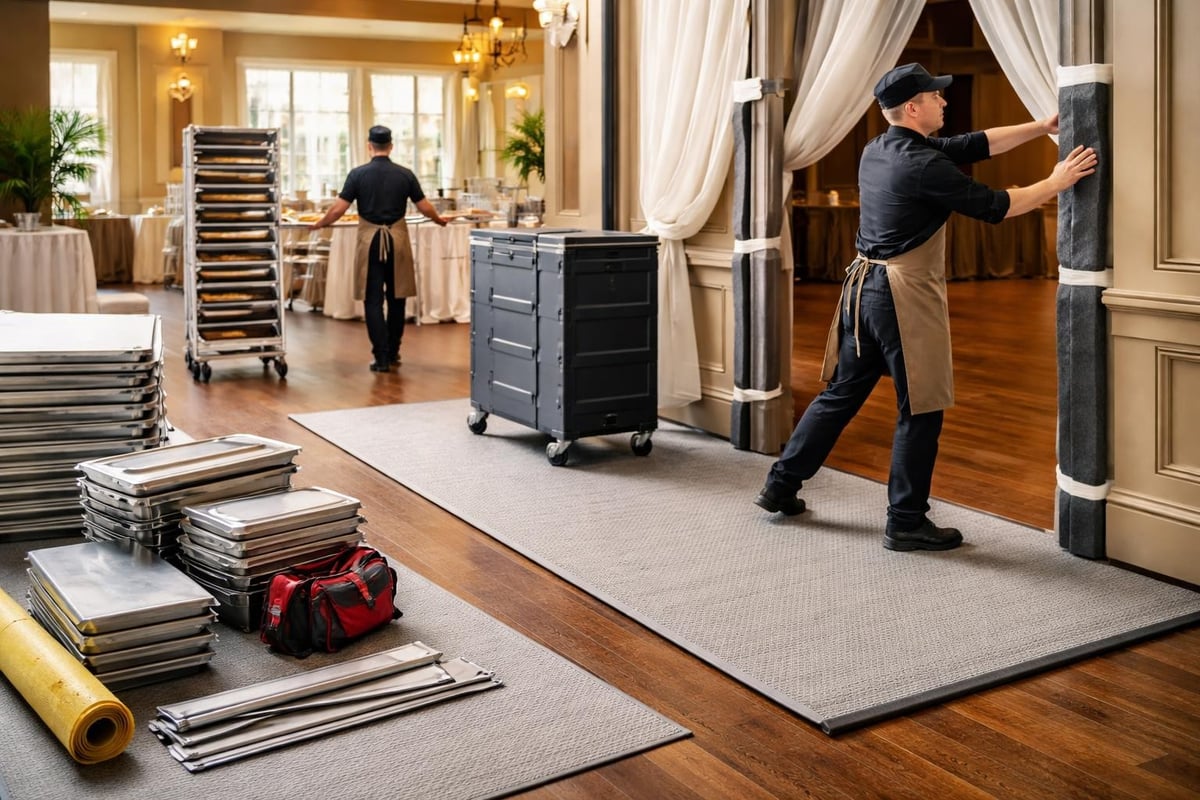
Working in diverse venues from historic mansions to modern corporate facilities means adapting your setup procedures to protect valuable property. Scratched floors, damaged walls, and stained carpets generate frequent property damage claims against catering businesses.
Preventive measures include using protective floor coverings, securing equipment properly, training staff on careful navigation through client spaces, and conducting thorough site inspections before events. Photographing venue conditions before and after events provides valuable documentation if damage disputes arise.
Employee Safety and Workers Compensation
Reducing workplace injuries protects both your employees and your bottom line. Workers compensation premiums increase with claim frequency, making safety programs a smart financial investment beyond the obvious humanitarian benefits.
Minnesota caterers should implement comprehensive safety training covering knife handling, burn prevention, proper lifting techniques, and vehicle safety protocols. Regular safety meetings, written procedures, and designated safety officers demonstrate your commitment to employee wellbeing while potentially reducing insurance costs.
Contractual Requirements and Additional Insureds
Many Minnesota venues, event planners, and corporate clients require caterers to provide proof of insurance before signing contracts. Understanding these requirements and ensuring your policy accommodates them prevents last-minute scrambling and lost opportunities.
Certificate of Insurance Requirements
Venues typically request certificates of insurance demonstrating you carry specific minimum coverage amounts. These certificates must be current, show adequate limits, and often name the venue as an additional insured party.
Standard certificate requirements include:
- General liability coverage with specific minimum limits
- Additional insured status for the venue or client
- Waiver of subrogation endorsement
- Current effective dates covering the event date
- Vendor's contact information for verification
Working with knowledgeable insurance professionals ensures your policy includes endorsements allowing you to add additional insureds as needed. Palmer Flain’s catering insurance resource notes that some policies charge fees for each additional insured certificate, while others include unlimited certificates at no extra cost.
Understanding Additional Insured Status
When venues or clients require additional insured status on your policy, they gain certain protections under your insurance coverage. This endorsement extends your liability coverage to protect the additional insured party if they're sued due to your catering operations.
For example, if a guest is injured by your equipment at a venue and sues both you and the venue owner, your general liability policy would defend and cover both parties up to policy limits. This arrangement protects the venue while demonstrating your professionalism and adequate preparation.
Selecting the Right Insurance Partner
Choosing where to purchase catering liability insurance significantly impacts both coverage quality and long-term costs. Minnesota caterers have several options, each with distinct advantages and limitations.
Independent Brokers vs. Direct Carriers
Independent insurance brokers represent multiple insurance companies, allowing them to compare coverage options and pricing from numerous carriers. This approach often yields better value than working directly with a single insurance company, particularly for businesses with unique or complex needs.
Direct carriers sell only their own products, limiting your options but potentially offering streamlined service. However, you'll miss opportunities to compare competitive options and may not find coverage specifically tailored to catering operations.
Advantages of working with independent brokers:
- Access to multiple carriers and coverage options
- Personalized service and local market knowledge
- Ongoing policy reviews and optimization
- Advocacy during claims processes
- Bundling opportunities for better pricing
Guardian Insurance Services MN works with over 35 insurance companies, providing Minnesota caterers access to diverse coverage options while delivering personalized local service from their Albany and Freeport offices. This approach ensures you're not limited to one carrier's appetite or pricing structure.
Policy Review and Coverage Gaps
Many catering businesses purchase insurance without fully understanding what's covered and, more importantly, what's excluded. Annual policy reviews with your insurance advisor identify coverage gaps before they become problems.
Common exclusions in catering policies include intentional acts, contractual liability (unless specifically covered), pollution, and certain types of property damage. Understanding these exclusions allows you to request necessary endorsements or purchase separate policies to fill gaps.
NextInsurance’s catering coverage analysis emphasizes the importance of thoroughly reviewing policy language rather than assuming all catering risks are automatically covered. Ask specific questions about scenarios relevant to your operations and get answers in writing.
Business Growth and Insurance Scalability
As your Minnesota catering business expands, your insurance needs evolve correspondingly. What works for a startup operation serving 50-person events won't adequately protect an established business handling weddings with 300 guests or multiple simultaneous corporate events.
Scaling Coverage with Revenue Growth
Your insurance program should scale proportionally with revenue increases, employee additions, and expanded service offerings. Regular communication with your insurance advisor ensures coverage keeps pace with business growth.
Growth indicators requiring coverage adjustments:
- Revenue increases of 25% or more annually
- Hiring additional employees or expanding to multiple crews
- Adding new service lines like bartending or event planning
- Purchasing expensive equipment or vehicles
- Expanding geographic service area
- Contracting with high-end venues or corporate clients
Many businesses discover they're underinsured only after filing a claim that exceeds policy limits. Proactive coverage reviews prevent this unfortunate scenario, ensuring adequate protection as your business flourishes.
Bundling Policies for Efficiency
Purchasing multiple coverage types from the same carrier often generates premium discounts while simplifying policy management. Business owner's policies (BOPs) bundle general liability and property coverage at reduced rates compared to purchasing separately.
Consider packaging your catering liability insurance with commercial auto coverage, workers compensation, and other necessary protections. Bundling reduces administrative burden, creates potential cost savings, and ensures all coverage effective dates align properly.
Claims Management and Documentation Best Practices
Despite your best prevention efforts, incidents will occur. How you handle claims impacts both immediate outcomes and long-term insurance costs. Proper documentation and prompt reporting make significant differences in claim results.
Incident Documentation Procedures
When accidents happen at events, thorough documentation protects your interests during claims investigations. Gather witness statements, photograph conditions, preserve physical evidence, and document every detail while circumstances remain fresh.
Essential claim documentation includes:
- Detailed written incident descriptions with dates and times
- Photographs of accident scenes and conditions
- Witness names and contact information
- Venue representative statements
- Equipment maintenance records
- Food safety logs and temperature documentation
- Employee training certifications
Minnesota venues and clients appreciate professional claim handling that demonstrates competence and accountability. Even if you're not at fault, cooperating fully with investigations and providing requested documentation expedites resolution.
Prompt Claim Reporting
Most insurance policies require prompt incident reporting, with some specifying timeframes like 24 or 48 hours. Delayed reporting can jeopardize coverage, leaving you personally liable for expenses the policy should cover.
Report all incidents to your insurance carrier immediately, even seemingly minor situations that might not generate claims. A small burn injury that appears insignificant at the event could develop complications requiring extensive medical treatment, becoming a significant claim weeks later.
Your insurance advisor should provide clear claim reporting procedures, emergency contact numbers, and guidance on documentation requirements. Understanding these processes before incidents occur prevents confusion during stressful situations.
Industry-Specific Considerations for Minnesota Caterers
Minnesota's unique business environment, seasonal patterns, and regulatory landscape create specific considerations for catering businesses operating throughout the state.
Seasonal Business Fluctuations
Many Minnesota caterers experience dramatic seasonal variations, with peak wedding season running May through October and holiday events dominating November and December. These fluctuations affect both risk exposure and insurance costs.
Some carriers offer seasonal policies or pay-as-you-go programs that adjust premiums based on actual revenue rather than estimates. This approach benefits businesses with significant seasonal variations, preventing you from overpaying during slow winter months.
Rural vs. Metropolitan Operations
Caterers serving Minneapolis, St. Paul, Rochester, and Duluth face different risk profiles than those operating in smaller communities like Albany, Freeport, St. Cloud, or Willmar. Metropolitan operations typically involve larger events, higher-end venues, and consequently greater liability exposures.
However, rural caterers shouldn't assume they need minimal coverage. Even small-town events can generate significant claims, and limited local competition means your business reputation faces greater risk from negative incidents in tight-knit communities.
Regulatory Compliance
Minnesota Department of Health regulations govern food service operations, requiring specific licenses, inspections, and compliance with health codes. Your catering liability insurance doesn't replace regulatory compliance but works alongside it to protect your business comprehensively.
Maintaining proper licensing, passing health inspections, and documenting safety procedures demonstrates professionalism to both insurance carriers and clients. Some carriers offer premium discounts for businesses with strong compliance records and food safety certifications.
Protecting your catering business with comprehensive liability insurance isn't optional in today's litigious environment. The right coverage preserves everything you've worked to build while providing peace of mind that allows you to focus on delivering exceptional culinary experiences. Guardian Insurance Services MN understands the unique challenges Minnesota caterers face and offers access to diverse coverage options from over 35 top insurance companies. Their experienced team in Albany and Freeport provides personalized service to ensure your business has optimal protection at competitive rates. Contact Guardian Insurance Services MN today to review your catering insurance needs and discover coverage solutions tailored specifically for your business.