
Every business in Minnesota that operates vehicles faces significant financial exposure without proper protection. Whether you're running delivery routes through Minneapolis, managing construction crews in St. Cloud, or operating a farming operation in rural areas, your vehicles represent both essential assets and potential liabilities. A comprehensive business vehicle insurance policy safeguards your operation against accidents, property damage, injuries, and legal claims while ensuring compliance with state regulations. Understanding your coverage options and selecting the right policy protections can mean the difference between a manageable incident and a devastating financial setback for your Minnesota enterprise.
Understanding Business Vehicle Insurance Policy Fundamentals
A business vehicle insurance policy differs significantly from personal auto coverage in both scope and application. This specialized protection covers vehicles used for commercial purposes, including deliveries, client visits, transporting equipment, or any business-related travel. The National Association of Insurance Commissioners provides comprehensive data showing how commercial auto insurance operates differently from personal policies.
Business vehicles requiring coverage include:
- Company cars and trucks
- Delivery vans and box trucks
- Service vehicles for contractors and technicians
- Fleet vehicles for sales teams
- Specialty vehicles like dump trucks or refrigerated units
Minnesota businesses must carry minimum liability coverage, but smart entrepreneurs recognize that basic requirements rarely provide adequate protection. Your business vehicle insurance policy should address your specific operational risks, vehicle types, and potential exposure scenarios.
Who Needs Commercial Vehicle Coverage
Not every business vehicle requires a separate commercial policy, but most do. If employees use company-owned vehicles for business purposes, you need protection. Even personally-owned vehicles used regularly for business activities may require commercial coverage to avoid gaps that personal policies won't cover.
The distinction matters significantly. Personal auto policies typically exclude coverage when vehicles are used for commercial purposes, creating dangerous exposure for business owners who assume they're protected. Commercial insurance considerations highlight why proper classification is essential for adequate protection.
Essential Coverage Components for Minnesota Businesses
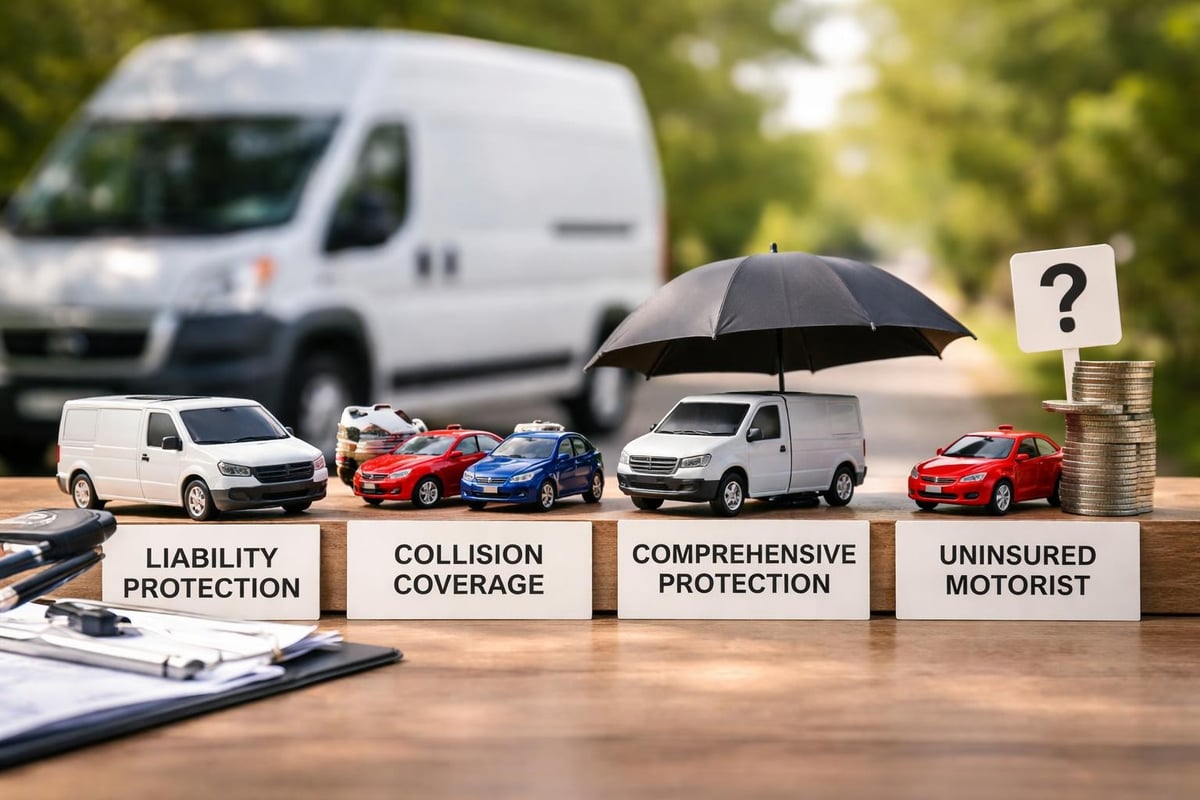
Building an effective business vehicle insurance policy requires understanding each coverage component and how it protects your operation. Like constructing a building, you need a strong foundation with the right additions for complete protection.
Liability Coverage Requirements
Bodily injury liability pays for injuries your business vehicles cause to others. In Minnesota, this coverage handles medical expenses, lost wages, pain and suffering, and legal defense costs when your drivers are at fault. For businesses operating in Minneapolis, St. Paul, Rochester, or smaller communities, adequate limits prove critical given rising medical costs and lawsuit settlements.
Property damage liability covers damage your vehicles cause to others' property, including other vehicles, buildings, fences, or equipment. Minnesota's busy highways and congested urban areas increase accident risks, making robust property damage limits essential.
| Coverage Type | Minimum Limit | Recommended Limit | Purpose |
|---|---|---|---|
| Bodily Injury (per person) | $30,000 | $250,000+ | Individual injury claims |
| Bodily Injury (per accident) | $60,000 | $500,000+ | Multiple injury claims |
| Property Damage | $10,000 | $100,000+ | Damage to others' property |
Physical Damage Protection
Your business vehicle insurance policy should include protection for your own vehicles through collision and comprehensive coverage. Collision coverage pays for vehicle damage from accidents, regardless of fault. When your delivery driver hits a light pole in Duluth or gets rear-ended in Bloomington, collision coverage handles repairs.
Comprehensive coverage protects against non-collision events like theft, vandalism, fire, hail, or animal strikes. Minnesota's severe weather makes this coverage particularly valuable, protecting against damage from hailstorms, flooding, or falling tree branches during winter storms.
Specialized Coverage Options for Enhanced Protection
Beyond basic coverage, smart Minnesota businesses add specialized protections to their business vehicle insurance policy. These additions address gaps and provide coverage for unique operational risks.
Uninsured and Underinsured Motorist Coverage
Despite legal requirements, many Minnesota drivers operate without adequate insurance. Uninsured and underinsured motorist coverage protects your business when at-fault drivers lack sufficient coverage to pay for damages they cause. This protection covers medical expenses, lost income, and vehicle repairs when uninsured drivers damage your business vehicles.
Minnesota law doesn't require this coverage, but declining it means signing a rejection form. Given the potential for significant losses, most businesses wisely include this protection in their business vehicle insurance policy.
Medical Payments and Personal Injury Protection
Medical payments coverage pays for medical expenses resulting from accidents, regardless of fault. This coverage helps your employees and passengers receive immediate medical attention after accidents without waiting for liability determinations.
Personal injury protection (PIP) goes further, covering medical expenses, lost wages, and rehabilitation costs. Minnesota requires insurers to offer PIP, though businesses can reject it. The coverage proves valuable for protecting employees who drive company vehicles regularly.
- Covers emergency room visits and hospitalization
- Pays for ongoing physical therapy and rehabilitation
- Provides income replacement during recovery periods
- Reduces workers' compensation claims in some scenarios
Hired and Non-Owned Auto Coverage
Your business vehicle insurance policy might need protection for vehicles you don't own. Hired auto coverage protects your business when employees rent vehicles for business purposes. If your sales team rents cars for territory visits or you rent trucks for special projects, this coverage fills critical gaps.
Non-owned auto coverage protects your business when employees use personal vehicles for company business. This becomes essential when employees run errands, visit clients, or make deliveries in their own cars. Understanding how commercial insurance protects businesses helps clarify why these coverages matter.
Factors Affecting Your Business Vehicle Insurance Policy Costs
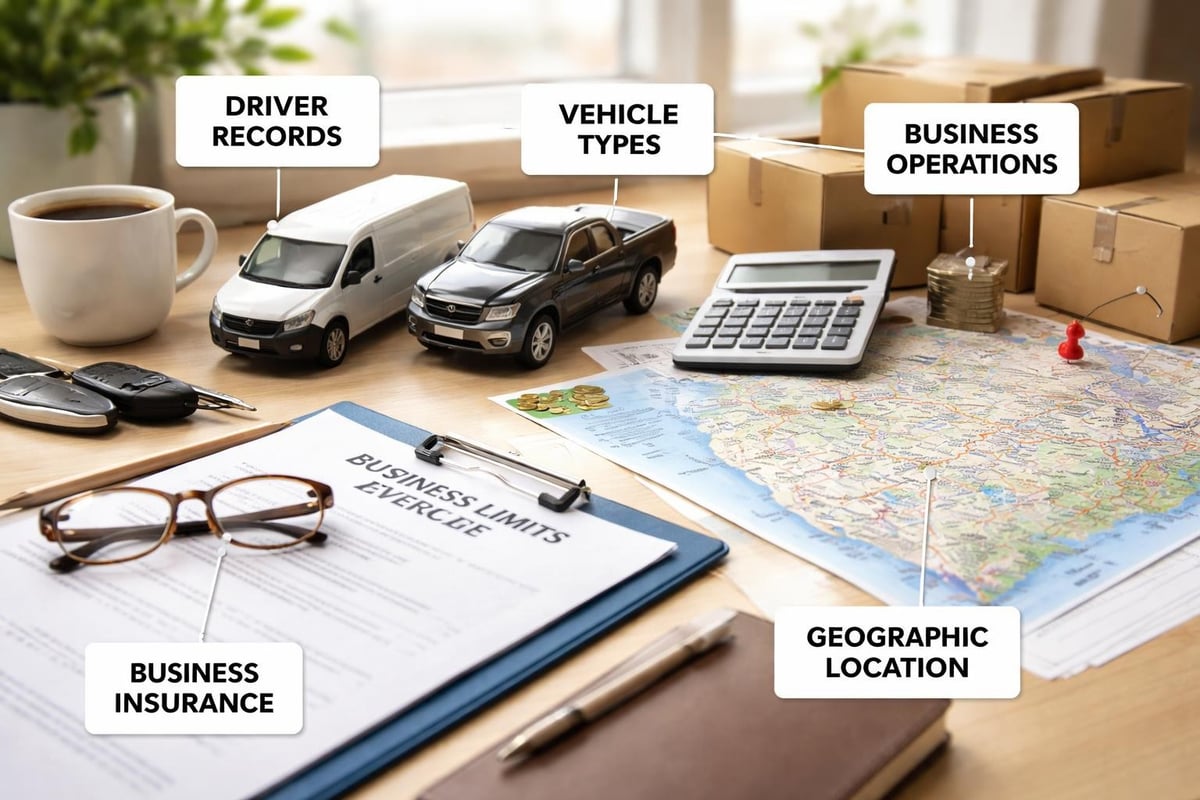
Understanding what drives premium costs helps Minnesota businesses make informed decisions about coverage and manage expenses effectively. Multiple variables influence what you'll pay for protection.
Driver-Related Factors
Your drivers represent your biggest cost variable. Insurance companies scrutinize driving records, experience levels, age, and training when calculating premiums. Businesses with young drivers or those with accidents and violations pay significantly more than those with experienced, clean-record operators.
Smart businesses implement driver training programs, establish clear vehicle use policies, and regularly review motor vehicle records. These proactive measures demonstrate risk management commitment, potentially qualifying for premium discounts.
Vehicle Characteristics and Usage
The vehicles you insure directly impact costs. Larger, newer, more expensive vehicles cost more to insure than older, smaller ones. However, newer vehicles often include safety features that may reduce premiums.
Usage patterns matter tremendously. Vehicles driven extensively throughout Minneapolis and surrounding areas accumulate higher risk exposure than those used occasionally for local deliveries. The National Association of Insurance Commissioners consumer guide explains how usage affects auto insurance premiums.
- Annual mileage driven by each vehicle
- Geographic territory covered (urban vs. rural)
- Type of cargo or passengers transported
- Parking and storage security measures
- Vehicle age, make, model, and value
Industry and Business Operations
Your business type significantly influences business vehicle insurance policy costs. Food delivery services face different risks than consulting firms. Construction companies with heavy equipment face higher premiums than real estate agencies with standard sedans.
Claims history impacts future costs dramatically. Businesses with frequent claims pay higher premiums, while those with clean records earn discounts. Implementing safety programs and risk management strategies pays dividends through reduced insurance costs over time.
Coverage Limits and Deductible Strategies
Selecting appropriate coverage limits requires balancing adequate protection against premium costs. Minnesota businesses must consider their risk exposure, asset values, and potential liability scenarios.
Determining Adequate Liability Limits
State minimums rarely provide sufficient protection for businesses. A single serious accident can generate claims far exceeding minimum limits, exposing your business assets to lawsuits and seizure. Higher liability limits cost relatively little compared to their protective value.
Consider these factors when selecting limits:
- Your business's total asset value
- Potential lawsuit settlements in Minnesota
- Nature of your business operations
- Financial impact of a major claim
- Contractual requirements from clients
Many Minnesota businesses carry $1 million combined single limits or higher. When operating commercial vehicle fleets, umbrella policies provide additional millions in protection at reasonable costs.
Deductible Selection Impact
Higher deductibles reduce premiums but increase out-of-pocket expenses when claims occur. Businesses with strong cash reserves often choose higher deductibles to reduce ongoing premium costs. Those with tighter cash flow prefer lower deductibles despite higher premiums.
| Deductible Amount | Premium Impact | Best For |
|---|---|---|
| $250-$500 | Higher premiums | Businesses preferring predictable costs |
| $1,000 | Moderate premiums | Balanced approach for most businesses |
| $2,500-$5,000 | Lower premiums | Strong cash reserves, self-insuring capability |
Fleet Insurance Considerations for Minnesota Businesses
Businesses operating multiple vehicles need specialized business vehicle insurance policy structures. Fleet insurance provides coverage for groups of vehicles under single policies, often delivering cost savings and administrative simplification.
When Fleet Coverage Makes Sense
Most insurers define fleets as three or more vehicles, though some require five or more. Fleet policies consolidate coverage, making management easier while often reducing per-vehicle costs through volume discounts. Transportation insurance underwriting has evolved significantly, with modern approaches offering better pricing for well-managed fleets.
Fleet policy advantages include:
- Simplified administration with single renewal dates
- Potential premium discounts for multiple vehicles
- Easier certificate of insurance generation
- Streamlined claims processing
- Consistent coverage across all vehicles
Minnesota businesses in Rochester, St. Cloud, Duluth, and throughout the state benefit from working with independent brokers who access multiple fleet insurance markets. Comparing options from various carriers ensures competitive pricing and appropriate coverage.
Managing Fleet Risk Effectively
Reducing fleet insurance costs requires proactive risk management. Successful Minnesota businesses implement driver safety training, vehicle maintenance programs, and telematics monitoring to demonstrate commitment to loss prevention.
Effective fleet management strategies:
- Regular driver training and qualification programs
- Strict vehicle maintenance schedules
- GPS tracking and route optimization
- Incident reporting and investigation procedures
- Driver incentive programs rewarding safe operation
These initiatives not only reduce accidents and claims but also position your business favorably with insurers during renewal negotiations. Companies demonstrating strong risk management often secure better rates and terms.
Navigating Claims and Coverage Disputes
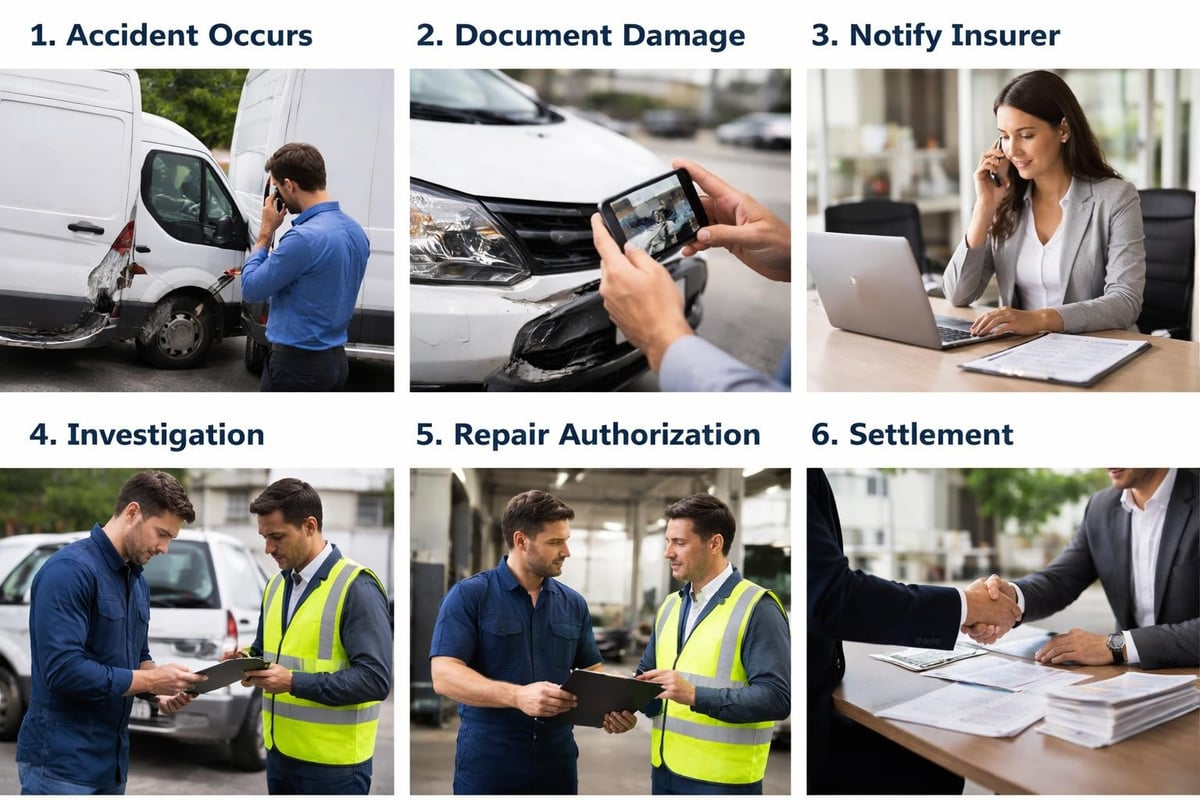
Understanding how your business vehicle insurance policy responds during claims determines whether coverage delivers promised protection. Minnesota businesses should know the claims process and common coverage issues before accidents occur.
Immediate Post-Accident Steps
When accidents happen, quick, appropriate action protects both people and coverage rights. First priorities always focus on safety and medical needs. After ensuring everyone's wellbeing, documentation becomes critical.
Document accident scenes thoroughly with photographs, witness statements, and detailed notes. Exchange information with all parties involved, including drivers, passengers, and witnesses. Report accidents to police when required by Minnesota law or when significant damage or injuries occur.
Working with Adjusters and Repair Facilities
After reporting claims to your insurer, adjusters investigate circumstances and determine coverage. Cooperate fully, providing requested information promptly. Understand that adjusters work for insurance companies, making accuracy in your documentation essential.
Your business vehicle insurance policy typically allows you to choose repair facilities, though insurers may recommend preferred shops. While preferred shops often streamline processes, you're not obligated to use them. Quality repairs matter more than convenience, especially for specialized business vehicles.
Understanding Common Coverage Exclusions
No business vehicle insurance policy covers everything. Common exclusions include intentional acts, racing, using vehicles for purposes not described in your policy, and drivers not listed or permitted under your coverage. Understanding potential liabilities helps businesses avoid coverage gaps.
Review your policy's exclusions carefully. If your business activities might trigger exclusions, discuss endorsements or specialized coverage with your insurance broker. Assumptions about coverage often prove wrong during claims, making pre-loss clarification essential.
Working with Independent Insurance Brokers
Selecting the right business vehicle insurance policy requires expertise, market access, and ongoing service. Independent insurance brokers offer advantages that captive agents and direct insurers cannot match.
Benefits of Independent Broker Relationships
Independent brokers represent multiple insurance companies, accessing diverse markets for business vehicle coverage. This independence means they work for you, not insurance companies, finding optimal coverage at competitive prices. With access to over 35 carriers, brokers compare options quickly and effectively.
Why Minnesota businesses choose independent brokers:
- Access to multiple insurance companies and products
- Objective advice without carrier loyalty conflicts
- Personalized service understanding your business
- Local expertise about Minnesota requirements and risks
- Ongoing support during policy changes and claims
Independent brokers like those serving Albany, Freeport, and surrounding Minnesota communities provide knowledge about regional risks, from harsh winter driving conditions to specific industry challenges affecting local businesses.
Questions to Ask Your Insurance Broker
Effective broker relationships start with good communication. Ask specific questions about coverage options, carrier financial strength, claims handling reputations, and policy costs. Understanding what you're buying prevents unpleasant surprises during claims.
Important questions include:
- What coverage gaps exist in proposed policies?
- How do different carriers handle business auto claims?
- What discounts apply to my business situation?
- How will my business growth affect coverage needs?
- What endorsements address my specific risks?
Regulatory Compliance and Legal Requirements
Minnesota law mandates specific insurance requirements for business vehicles. Understanding and maintaining compliance protects your business from fines, license suspensions, and legal complications.
Minnesota Commercial Auto Insurance Requirements
Minnesota requires all motor vehicles to carry minimum liability coverage. Business vehicles must maintain:
- $30,000 bodily injury coverage per person
- $60,000 bodily injury coverage per accident
- $10,000 property damage coverage
These minimums apply to most business vehicles, though certain vehicle types and operations face higher requirements. Interstate commerce vehicles must meet federal requirements, often necessitating substantially higher limits.
Certificates of Insurance and Proof of Coverage
Many clients, landlords, and contract parties require certificates of insurance proving your business vehicle insurance policy meets specified requirements. These certificates verify coverage types, limits, and effective dates.
Maintaining current certificates prevents project delays and contract complications. Work with your broker to ensure certificates accurately reflect your coverage and meet third-party requirements. Understanding how commercial general liability insurance coverage works alongside auto coverage helps ensure complete protection.
Industry-Specific Business Vehicle Insurance Policy Needs
Different Minnesota industries face unique vehicle insurance requirements. Tailoring your business vehicle insurance policy to industry-specific risks ensures adequate protection.
Construction and Contracting Businesses
Construction companies throughout Minnesota operate diverse vehicle types, from pickup trucks to dump trucks and specialized equipment haulers. These businesses need coverage addressing heavy vehicle risks, equipment transportation, and job site operations.
Additional considerations include hired and non-owned auto coverage for subcontractor vehicles and contractors risk insurance complementing vehicle policies. Tool and equipment coverage protects items stored in vehicles between job sites.
Delivery and Transportation Services
Food delivery, courier services, and transportation businesses depend entirely on vehicles. These operations require robust business vehicle insurance policies addressing high mileage, frequent stops, and increased accident exposure.
Special coverage considerations include:
- Higher liability limits due to increased exposure
- Comprehensive coverage for urban parking risks
- Coverage for goods in transit
- Protection during loading and unloading operations
Professional Services and Sales Organizations
Consulting firms, real estate agencies, and sales organizations often have employees using personal vehicles for business purposes. These businesses need non-owned auto coverage protecting against liability when employee vehicles are used for company business, even occasionally.
Companies providing professional liability insurance for consultants and similar services should ensure complete coverage coordination between various policy types.
Cost Management and Premium Reduction Strategies
Controlling business vehicle insurance policy costs without sacrificing protection requires strategic planning and proactive risk management. Minnesota businesses can implement several approaches to manage premiums effectively.
Safety Programs and Driver Training
Investing in driver safety delivers measurable premium reductions. Formal training programs, defensive driving courses, and regular safety meetings demonstrate commitment to loss prevention. Many insurers offer discounts for businesses implementing structured safety initiatives.
Consider these proven approaches:
- Annual defensive driving course requirements
- New driver probation and monitoring periods
- Incident review and coaching procedures
- Recognition programs for safe driving records
- Clear vehicle use policies and enforcement
Vehicle and Technology Investments
Modern vehicles with advanced safety features often qualify for insurance discounts. Anti-lock brakes, electronic stability control, collision avoidance systems, and other technologies reduce accident frequency and severity.
Telematics and fleet management systems provide data on driver behavior, allowing you to identify and correct risky practices. Insurers increasingly offer discounts for businesses using these technologies, recognizing their loss reduction benefits.
| Technology | Safety Benefit | Potential Premium Impact |
|---|---|---|
| Backup cameras | Reduces low-speed collisions | 5-10% discount |
| Collision avoidance | Prevents frontal impacts | 10-15% discount |
| Telematics monitoring | Improves driver behavior | 10-20% discount |
| GPS tracking | Reduces theft, improves recovery | 5-10% discount |
Regular Policy Reviews and Market Comparisons
Insurance markets change constantly, with carriers adjusting appetites, pricing, and coverage offerings. Annual policy reviews ensure your business vehicle insurance policy remains competitive and appropriate for evolving needs.
Work with your independent broker to compare markets regularly. Loyalty to a single carrier rarely delivers optimal value over time. Competitive shopping at renewal demonstrates due diligence while often uncovering better options. Understanding cyber insurance companies and other coverage providers shows how market diversity benefits businesses across insurance types.
Coordinating Business Vehicle Coverage with Other Policies
Your business vehicle insurance policy doesn't operate in isolation. Effective coverage coordination with other business insurance prevents gaps while eliminating wasteful overlaps.
Integration with General Liability Insurance
General liability insurance covers many business risks but typically excludes auto-related exposures. Your business vehicle insurance policy fills this gap, creating complete protection when properly coordinated.
Understanding where each policy starts and stops prevents coverage disputes during claims. Work with your broker to ensure clear delineation and appropriate coverage across all policies.
Workers' Compensation Considerations
Workers’ compensation insurance covers employee injuries, including those occurring in vehicle accidents during work. However, coordination between workers' comp and auto insurance affects how claims are handled and which policy responds first.
Minnesota's workers' compensation system has specific rules about auto accident claims involving employees. Your business vehicle insurance policy and workers' comp coverage should work together seamlessly, not create conflicts during claims.
Property Insurance Coordination
If your business maintains vehicle storage facilities, coordination between commercial property insurance and auto coverage prevents gaps. Property policies may cover building damage from vehicle incidents, while comprehensive auto coverage addresses vehicle damage.
Clear policy language and coordination prevent disputes about which coverage responds to specific loss scenarios. Regular reviews with your broker ensure all policies work together effectively.
Protecting your Minnesota business with the right vehicle insurance requires understanding coverage options, managing costs strategically, and working with experienced professionals who know your industry and regional risks. Whether you operate a single truck or manage an entire fleet throughout the Twin Cities, Rochester, Duluth, or rural communities, comprehensive protection safeguards your assets and operations. Guardian Insurance Services MN offers access to over 35 insurance companies, personalized service from their Albany and Freeport locations, and the expertise to design business vehicle insurance policies matching your specific needs. Contact Guardian Insurance Services MN today to discuss coverage options and secure the protection your business deserves.