
Your home represents one of the most significant investments you'll ever make, and protecting it with the right homeowners insurance policy isn't just smart-it's essential. Whether you're closing on your first property in St. Cloud or refinancing your lake house near Brainerd, understanding the intricacies of homeowners coverage can mean the difference between financial security and devastating loss. Minnesota homeowners face unique challenges, from brutal winter storms to summer tornado threats, making comprehensive protection absolutely critical for safeguarding your family's financial future.
Understanding What a Homeowners Insurance Policy Actually Covers
A homeowners insurance policy functions as a comprehensive safety net for your property and possessions, but many Minnesota residents don't fully grasp what they're actually purchasing. The standard policy encompasses four fundamental coverage areas that work together to protect you from various financial risks.
Dwelling Coverage: Protecting Your Physical Structure
Dwelling coverage forms the foundation of any homeowners insurance policy, protecting the physical structure of your home against covered perils like fire, wind damage, and hail. This includes your walls, roof, built-in appliances, and attached structures like garages. In Minnesota, where severe weather events are increasingly common, this coverage becomes particularly valuable.
When a tornado rips through Rochester or heavy snow collapses a roof in Duluth, dwelling coverage responds by paying for repairs or reconstruction. The National Association of Insurance Commissioners offers a detailed overview of how dwelling coverage works and what it typically includes.
Understanding replacement cost versus actual cash value represents a critical decision point. Replacement cost coverage pays to rebuild your home at current construction costs, while actual cash value factors in depreciation, potentially leaving you with insufficient funds to fully restore your property.

Personal Property Protection: Safeguarding Your Belongings
Your homeowners insurance policy extends beyond the structure itself to protect your personal belongings-furniture, clothing, electronics, and other possessions. Standard policies typically cover personal property at 50-70% of your dwelling coverage amount, though you can adjust this based on your needs.
Minnesota homeowners should pay particular attention to special limits on certain items:
- Jewelry typically limited to $1,000-$2,000 per occurrence
- Firearms often capped at $2,500
- Cash and collectibles subject to strict limitations
- Electronics and computer equipment may have separate sub-limits
High-value items require scheduled personal property endorsements to ensure full protection. That inherited diamond ring or your collection of valuable artwork won't receive adequate compensation under standard policy limits.
Liability Coverage: Your Financial Shield
Liability protection represents one of the most crucial components of your homeowners insurance policy, yet it's frequently overlooked until disaster strikes. This coverage protects you when someone gets injured on your property or when you accidentally cause damage to someone else's belongings.
| Coverage Amount | Monthly Premium Impact | Protection Level |
|---|---|---|
| $100,000 | Baseline | Minimal Protection |
| $300,000 | +$5-10 | Standard Protection |
| $500,000 | +$15-20 | Enhanced Protection |
| $1,000,000 | +$25-35 | Comprehensive Protection |
When a delivery driver slips on your icy Minneapolis sidewalk or your dog bites a neighbor in Mankato, liability coverage handles legal fees, medical expenses, and potential settlements. Minnesota's harsh winters create elevated slip-and-fall risks, making robust liability limits particularly important.
Additional Living Expenses: Coverage When You Can't Stay Home
If a covered loss makes your home uninhabitable, additional living expenses (ALE) coverage pays for temporary housing, meals, and other necessary costs while repairs occur. This benefit proves invaluable when Minnesota homeowners face major losses from fires, severe storm damage, or other covered perils.
ALE typically covers expenses above your normal living costs for a specified period or up to a percentage of your dwelling coverage. Understanding these limits before disaster strikes ensures you're not caught off guard when you need this coverage most.
Types of Homeowners Insurance Policies Available
The insurance industry offers several standardized homeowners insurance policy forms, each designed for different property types and coverage needs. The Library of Congress offers a research guide that details these various policy forms and their applications.
HO-3: The Special Form Policy
HO-3 policies represent the most common homeowners insurance policy type for single-family homes throughout Minnesota. This form provides "open perils" coverage for your dwelling, meaning it covers all risks except those specifically excluded, while personal property receives "named perils" protection.
This approach delivers broader protection for your structure while maintaining affordable premiums by limiting personal property coverage to specific listed events like fire, theft, vandalism, and weather-related damage.
HO-5: Comprehensive Coverage
HO-5 policies extend open perils coverage to both dwelling and personal property, offering the most comprehensive homeowners insurance policy available. While premiums run higher, this form provides superior protection for homeowners with valuable possessions or those seeking maximum peace of mind.
Alternative Policy Forms for Specific Situations
Minnesota homeowners in unique situations require specialized coverage:
- HO-2 (Broad Form): Named perils coverage for dwelling and contents, typically less expensive but more limited
- HO-4 (Renters Insurance): Covers personal property and liability for apartment or rental residents
- HO-6 (Condo Insurance): Protects unit interiors and personal property for condominium owners
- HO-8 (Older Home Insurance): Modified coverage for historic homes where replacement cost exceeds market value
Factors That Determine Your Homeowners Insurance Policy Cost
Understanding what drives your premium empowers you to make strategic decisions about coverage and potentially reduce costs without sacrificing protection. NerdWallet’s methodology for rating homeowners insurance examines multiple factors that influence both coverage quality and pricing.
Property Characteristics That Impact Premiums
Your home's specific features significantly influence homeowners insurance policy costs:
- Age and construction type: Newer homes with modern building standards typically cost less to insure
- Roof condition and material: Metal and impact-resistant shingles may qualify for discounts
- Square footage and replacement cost: Larger, more expensive homes require higher premiums
- Location and proximity to fire protection: Distance from fire hydrants and fire stations affects rates
- Claims history: Both property-specific and personal claims history impact pricing
Minnesota-specific considerations include basement construction (important for freeze protection), heating system type (given harsh winters), and distance from bodies of water (flood risk assessment).
Personal Risk Factors and Credit Considerations
Insurance companies evaluate numerous personal factors when pricing your homeowners insurance policy:
- Credit-based insurance score: Most insurers use credit information to predict claim likelihood
- Claims history: Filing multiple claims signals higher risk and increases premiums
- Coverage selections: Higher deductibles reduce premiums but increase out-of-pocket costs
- Bundling opportunities: Combining home and auto coverage typically generates 15-25% discounts
Deductible selection represents a critical balancing act. Choosing a $2,500 deductible instead of $500 can reduce premiums by 25-40%, but ensure you maintain adequate emergency savings to cover the higher deductible if needed.
Common Exclusions in Your Homeowners Insurance Policy
Understanding what your homeowners insurance policy doesn't cover prevents devastating surprises when you file a claim. Standard policies exclude certain perils that require separate coverage or specific endorsements.
Water Damage: A Complex Category
Not all water damage receives equal treatment under homeowners insurance policies. Sudden and accidental water damage from burst pipes typically gets covered, while gradual leaks, seepage, and flood damage face exclusions.
Minnesota homeowners need to understand these critical distinctions:
| Water Damage Type | Standard Policy Coverage | Solution |
|---|---|---|
| Burst pipe (sudden) | Covered | Standard homeowners policy |
| Sewer backup | Usually excluded | Add sewer backup endorsement |
| Flood | Excluded | Purchase separate flood insurance |
| Gradual leak | Excluded | Maintenance responsibility |
| Sump pump failure | Often excluded | Add equipment breakdown coverage |
The Mississippi River and Minnesota River flooding risks make flood insurance essential for many homeowners in St. Paul, Minneapolis, and surrounding communities, despite being excluded from standard homeowners insurance policies.
Earth Movement and Foundation Issues
Standard homeowners insurance policies exclude earthquake damage, landslides, sinkholes, and settling foundations. While Minnesota experiences fewer earthquakes than California, foundation issues from freeze-thaw cycles and soil movement occur frequently.
Maintenance-Related Damage and Neglect
Your homeowners insurance policy doesn't cover damage resulting from lack of maintenance or normal wear and tear. If you ignore a small roof leak that gradually causes extensive damage, the insurer will likely deny your claim for the resulting mold and structural deterioration.
Strategic Shopping for the Right Homeowners Insurance Policy
Selecting the optimal homeowners insurance policy requires more than comparing premiums. Working with an experienced independent broker provides access to multiple carriers and expert guidance tailored to your specific situation.
Evaluating Coverage Adequacy
Too many Minnesota homeowners underinsure their properties, leaving themselves vulnerable to significant out-of-pocket expenses after major losses. Conducting a comprehensive home inventory and replacement cost estimate ensures adequate coverage limits.
Consider these evaluation strategies:
- Conduct annual coverage reviews: Construction costs fluctuate, and policy limits should keep pace
- Document possessions thoroughly: Photos, videos, and receipts support claims and identify coverage gaps
- Assess liability exposure: Higher net worth individuals require umbrella policies beyond standard limits
- Review special endorsements: Scheduled personal property, equipment breakdown, and identity theft coverage add valuable protection
Similar to how businesses approach commercial property insurance, homeowners benefit from periodic coverage assessments to maintain adequate protection.

Working with Independent Insurance Brokers
Independent brokers access dozens of insurance companies, allowing them to match your specific needs with the most appropriate homeowners insurance policy. This contrasts sharply with captive agents who represent single carriers and offer limited options.
The advantages of independent broker relationships include:
- Access to over 35 insurance companies with varying strengths and specialties
- Objective advice without pressure to favor specific carriers
- Ongoing policy management and claims advocacy
- Regular market reviews to ensure continued competitiveness
Minnesota homeowners in Albany, Freeport, and surrounding areas benefit from localized expertise that understands regional risks, construction practices, and seasonal challenges affecting coverage needs.
Essential Endorsements to Strengthen Your Homeowners Insurance Policy
Standard homeowners insurance policies provide solid baseline protection, but strategic endorsements address coverage gaps and enhance your financial security. Research from Rutgers University on improving the homeowners insurance market emphasizes the importance of transparent policy options and consumer education.
Water Backup and Sump Pump Coverage
Given Minnesota's freeze-thaw cycles and heavy spring rains, water backup coverage represents one of the most valuable endorsements available. This addition covers damage from sewer or drain backups, sump pump failures, and related water intrusion events typically excluded from standard policies.
The relatively low cost (usually $50-150 annually) provides substantial protection against expensive basement flooding and water damage scenarios common in Minnesota homes.
Equipment Breakdown Protection
This endorsement extends coverage to mechanical and electrical systems, protecting furnaces, air conditioners, water heaters, and built-in appliances. When your furnace fails during a January cold snap in Brainerd, equipment breakdown coverage handles repair or replacement costs that standard policies exclude.
Ordinance or Law Coverage
Building codes evolve constantly, and reconstruction after major losses often requires compliance with current standards exceeding those in place when your home was originally built. Ordinance or law coverage pays the additional costs associated with bringing your rebuilt home up to current code requirements.
This endorsement proves particularly valuable for older Minnesota homes where substantial upgrades become mandatory during reconstruction.
Identity Theft and Cyber Coverage
Modern homeowners insurance policies increasingly offer identity theft coverage, reimbursing expenses related to restoring your identity after fraudulent activity. Just as cyber insurance companies protect businesses, these endorsements shield homeowners from growing digital threats.
Maximizing Discounts on Your Homeowners Insurance Policy
Strategic discount optimization reduces premiums without compromising coverage quality. Most insurers offer numerous discount opportunities that Minnesota homeowners frequently overlook.
Home Safety and Security Discounts
Insurance companies reward risk reduction measures with premium discounts:
- Monitored security systems: 5-20% discount for professionally monitored alarms
- Fire suppression systems: Sprinkler systems can reduce premiums by 15% or more
- Smart home technology: Water leak detectors, temperature monitors, and smart locks qualify for discounts
- Fire extinguishers and smoke detectors: Basic safety equipment generates modest savings
Minnesota's harsh winters make freeze alarms particularly valuable, providing both discount opportunities and genuine protection against costly freeze-related damage.
Loyalty and Bundling Benefits
Long-term customer relationships and multi-policy bundling generate substantial savings:
- Multi-policy discounts: Combining homeowners and car insurance typically saves 15-25%
- Claim-free discounts: Years without claims demonstrate lower risk
- New home discounts: Recently built homes often qualify for 10-15% reductions
- Loyalty rewards: Long-term customers may receive renewal credits
Professional Association and Group Discounts
Membership in professional organizations, alumni associations, or employer groups frequently provides access to preferred homeowners insurance policy pricing. Always ask about available affinity discounts when shopping for coverage.
Claims Process: What to Expect from Your Homeowners Insurance Policy
Understanding the claims process before disaster strikes reduces stress and ensures smoother resolution when you need your homeowners insurance policy most. Similar to how businesses navigate commercial insurance, homeowners benefit from knowing proper procedures.
Immediate Steps After a Covered Loss
When damage occurs, take these critical actions:
- Document everything thoroughly: Photos and videos provide essential evidence
- Mitigate further damage: Cover broken windows, tarp damaged roofs, and prevent additional losses
- Contact your insurer promptly: Most policies require timely notification
- Preserve damaged items: Don't discard damaged property until the adjuster completes their inspection
- Maintain expense records: Track all costs related to the loss, including temporary housing
Minnesota winters require particular vigilance regarding freeze-related damage. If you discover frozen pipes, shut off the water supply immediately and document conditions before beginning cleanup.
Working with Insurance Adjusters
The adjuster evaluates your claim and determines covered damages and appropriate compensation. Being prepared enhances claim outcomes:
- Provide comprehensive damage documentation
- Present your home inventory and receipts for damaged items
- Understand your policy coverage limits and deductibles
- Ask questions about coverage determinations
- Consider hiring a public adjuster for complex or disputed claims
Dispute Resolution When Claims Get Denied
If your homeowners insurance policy claim faces denial or you disagree with settlement amounts, several escalation paths exist:
- Request detailed written explanation of the denial
- Review your policy language carefully
- Gather additional documentation supporting your position
- Request supervisor review within the insurance company
- File a complaint with the Minnesota Department of Commerce if necessary
- Consult with an attorney specializing in insurance disputes for significant claims
Special Considerations for Minnesota Homeowners
Minnesota's unique climate and geographic characteristics create specific homeowners insurance policy considerations that differ from other regions. According to the NAIC’s Homeowners Insurance Report, regional factors significantly impact both coverage needs and costs.
Seasonal Risk Management
Minnesota homeowners face distinct seasonal challenges:
Winter concerns include:
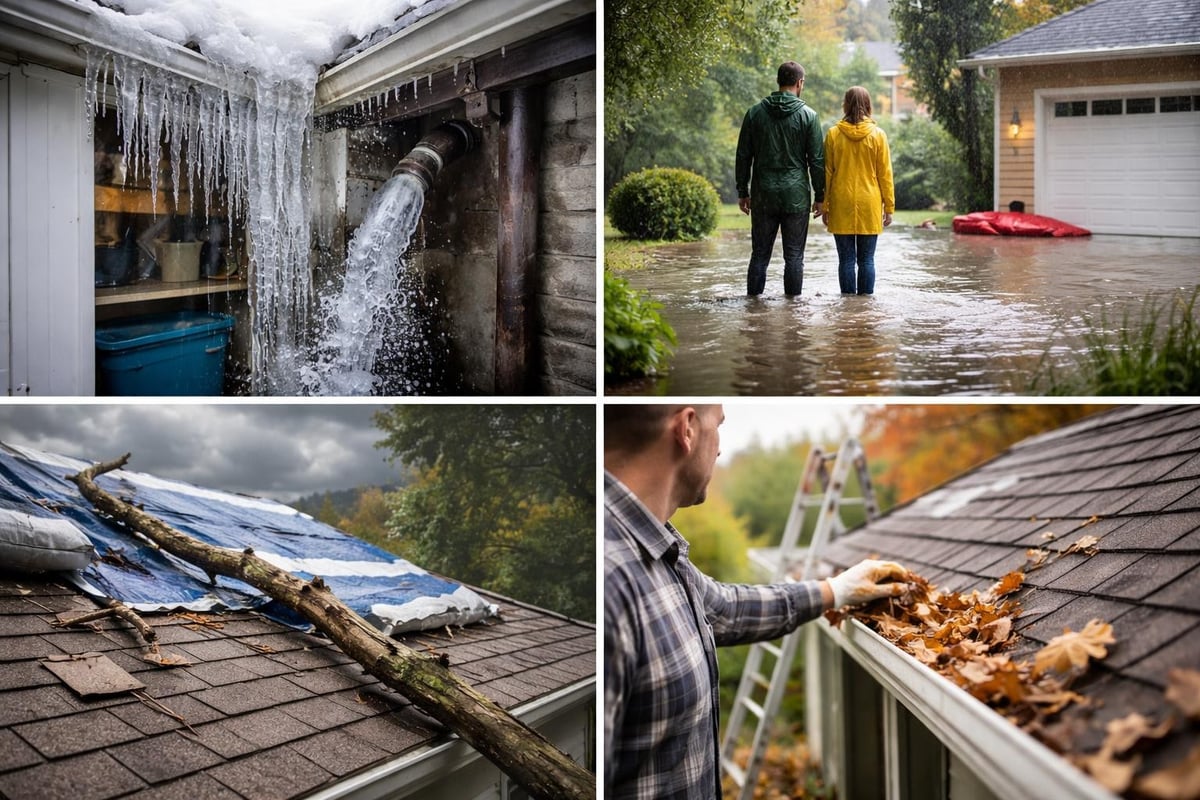
- Ice dam formation and roof damage
- Frozen pipe risks during extended cold periods
- Heavy snow load on roofs and structures
- Increased fire risks from space heaters and fireplaces
Spring and summer threats involve:
- Severe thunderstorms and hail damage
- Tornado risk across southern and central Minnesota
- Flooding from rapid snowmelt and heavy rainfall
- Lightning strikes causing fire and electrical damage
Lake and Recreational Property Coverage
Minnesota's 10,000+ lakes mean many residents own seasonal cabins or recreational properties requiring specialized homeowners insurance policy considerations. Seasonal occupancy, increased vacancy periods, and unique risks demand specific coverage approaches.
Understanding how recreational insurance applies to these properties ensures adequate protection for your vacation home or lake cabin investments.
Farm and Rural Property Considerations
Rural Minnesota homeowners often require coverage that extends beyond standard homeowners insurance policies. Properties with outbuildings, livestock, equipment, and agricultural operations need comprehensive protection addressing farming-specific exposures.
Farm insurance specialists understand these unique needs and can structure appropriate coverage combining homeowners protection with agricultural business insurance.
Policy Review and Update Best Practices
Your homeowners insurance policy shouldn't remain static. Life changes, property improvements, and market conditions necessitate regular coverage reviews to maintain appropriate protection levels.
Annual Review Triggers
Schedule comprehensive policy reviews whenever significant changes occur:
- Major home renovations or additions
- Significant personal property acquisitions
- Changes in property use (home business, rental units)
- Marriage, divorce, or changes in household composition
- Substantial changes in replacement cost estimates
Market volatility in construction costs, particularly evident in 2024-2026, makes regular dwelling coverage updates essential for avoiding underinsurance.
Documentation and Record-Keeping
Maintain thorough records supporting your homeowners insurance policy:
- Current policy declarations and full policy documents
- Home inventory with photos and receipts
- Appraisals for valuable items
- Renovation receipts and permits
- Annual policy review notes and coverage change documentation
Digital storage with cloud backup ensures you can access critical documents even if your physical home and paper records are destroyed in a covered loss.
Protecting your home with a comprehensive homeowners insurance policy requires understanding coverage components, recognizing exclusions, and selecting appropriate limits and endorsements for your specific situation. Minnesota homeowners face unique seasonal challenges and regional risks that make expert guidance particularly valuable. Whether you're purchasing your first home in St. Cloud or updating coverage for your Duluth property, Guardian Insurance Services MN offers access to over 35 top insurance companies and personalized service from our Albany and Freeport locations to help you find the perfect homeowners insurance policy for your needs.