
When you've invested years building a business or creating a comfortable home, protecting those physical assets becomes paramount. Insurance property insurance serves as your financial shield against unexpected disasters, theft, vandalism, and natural catastrophes that could otherwise devastate your economic stability. Whether you're managing a Minneapolis retail operation, running a farm near Albany, or maintaining rental properties in St. Paul, understanding the nuances of property coverage determines whether a single incident becomes a temporary setback or a permanent financial catastrophe. This comprehensive guide reveals exactly what Minnesota property owners need to know about securing their most valuable investments.
Understanding Insurance Property Insurance Fundamentals
Insurance property insurance encompasses policies designed to protect physical structures, contents, and assets from financial loss. This coverage extends beyond simple building protection to include equipment, inventory, fixtures, and even outdoor property depending on your specific policy terms.
The core components of property coverage include:
- Building structure protection against fire, wind, hail, and covered perils
- Business personal property covering equipment, furniture, and inventory
- Loss of use coverage for displacement costs during repairs
- Additional living expenses for residential policies
- Ordinance or law coverage for building code upgrades
Minnesota property owners face unique risks that make this coverage particularly valuable. The state's severe weather patterns, including damaging hail storms in the summer and brutal winter conditions, create significant exposure for both commercial and residential properties. According to comprehensive insurance industry data, weather-related claims represent the majority of property insurance payouts nationwide.

Commercial vs. Residential Property Coverage
The distinction between commercial and residential insurance property insurance affects everything from premium calculations to coverage limits. Commercial policies address business-specific risks like employee injuries on premises, customer accidents, and specialized equipment protection. Residential policies focus on dwelling protection, personal belongings, and liability for household incidents.
| Coverage Aspect | Commercial Property | Residential Property |
|---|---|---|
| Primary Focus | Business assets, income protection | Dwelling structure, personal items |
| Liability Coverage | Customer/vendor incidents | Guest injuries, property damage |
| Business Interruption | Included or available | Not applicable |
| Equipment Coverage | Specialized, scheduled items | Standard personal property |
| Premium Factors | Revenue, employees, square footage | Home value, location, claims history |
Businesses throughout Minnesota require commercial insurance for business tailored to their operations. A Freeport manufacturing facility faces different property risks than a Rochester medical office, requiring customized coverage approaches.
Essential Coverage Types Within Property Insurance
Property insurance isn't a one-size-fits-all solution. Multiple coverage forms exist, each addressing specific protection needs and risk scenarios that Minnesota property owners encounter regularly.
Named Perils vs. All-Risk Coverage
Named perils policies specify exactly which disasters trigger coverage. These typically include fire, lightning, explosion, windstorm, hail, smoke, vandalism, theft, and vehicle impact. All-risk policies (also called open perils or special form coverage) reverse this approach, covering everything except specifically excluded events.
All-risk policies typically exclude:
- Flood damage (requires separate flood insurance)
- Earthquake damage (requires earthquake endorsement)
- Normal wear and tear
- Intentional loss or fraud
- War and nuclear hazards
For comprehensive protection, most Minnesota business owners choose all-risk coverage for buildings and named perils for contents, balancing premium costs against coverage breadth. The Insurance Information Institute provides extensive research showing how coverage choices directly impact claim outcomes.
Replacement Cost vs. Actual Cash Value
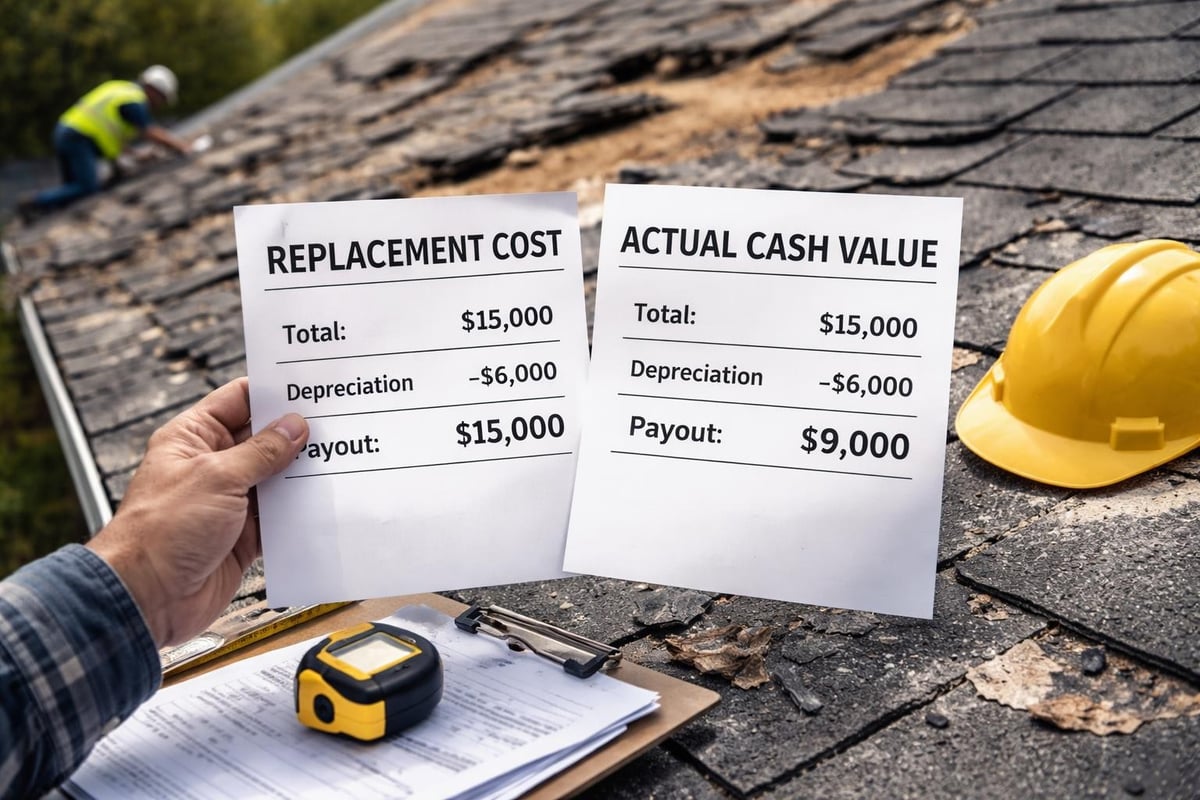
This distinction dramatically affects how much you receive after a covered loss occurs. Replacement cost coverage pays to rebuild or replace damaged property using current materials and labor costs without depreciation deductions. Actual cash value subtracts depreciation, leaving you responsible for the gap between what you receive and what replacement actually costs.
Consider a 10-year-old roof damaged by a Minnesota hailstorm. Replacement cost coverage provides funds for a complete new roof. Actual cash value pays for a 10-year-old roof's depreciated value, potentially leaving you thousands of dollars short of actual replacement expenses.
Specialized Property Insurance Scenarios
Minnesota's diverse economy creates unique property insurance requirements across various industries and property types. Understanding these specialized scenarios helps you identify coverage gaps before they become costly problems.
Agricultural Property Protection
Minnesota ranks among America's top farming states, with thousands of agricultural operations requiring specialized insurance property insurance solutions. Standard commercial policies often exclude or limit coverage for farm-specific risks like livestock mortality, grain spoilage, and specialized farm equipment.
Farm property coverage addresses:
- Barns, silos, and agricultural outbuildings
- Tractors, combines, and farming equipment
- Livestock and poultry protection
- Harvested crops and feed storage
- Irrigation systems and wells
Guardian Insurance Services MN specializes in farm policies designed specifically for Minnesota agricultural operations, understanding the seasonal risks and specialized equipment values that standard commercial policies inadequately address.
Multi-Location and Portfolio Coverage
Property owners managing multiple buildings or locations benefit from portfolio policies consolidating all properties under unified coverage. This approach streamlines administration, often reduces premium costs through volume pricing, and ensures consistent protection standards across all locations.
| Portfolio Coverage Benefit | Single-Property Impact | Multi-Property Advantage |
|---|---|---|
| Premium Pricing | Standard rates apply | Volume discounts available |
| Coverage Consistency | Varies by individual policy | Standardized across portfolio |
| Claim Handling | Separate adjusters possible | Single point of contact |
| Policy Management | Multiple renewal dates | Consolidated administration |
| Blanket Limits | Not available | Coverage shares across properties |
Construction and Builder's Risk
Property under construction requires specialized insurance property insurance through builder's risk policies. These temporary policies protect structures during construction, renovation, or major improvements until the project completes and permanent coverage takes effect.
Builder's risk coverage includes materials in transit, temporary structures, equipment on-site, and soft costs like permit fees and architectural plans. For Minnesota contractors, understanding contractors risk insurance prevents coverage gaps during vulnerable construction phases.
Risk Assessment and Premium Determination
Insurance companies evaluate numerous factors when underwriting insurance property insurance and calculating premiums. Understanding these elements helps property owners manage costs while maintaining adequate protection levels.
Location-Specific Risk Factors
Minnesota's geographic diversity creates varying risk profiles across regions. Properties in St. Cloud face different perils than those in Duluth or Rochester. Underwriters analyze weather patterns, crime statistics, fire department proximity, water damage risks, and historical claim data specific to each location.
Minnesota-specific considerations include:
- Ice dam damage from heavy snow accumulation
- Tornado risks in southern regions
- Flooding potential near Mississippi River communities
- Hail frequency in agricultural areas
- Extreme cold damage to plumbing and structures
The National Association of Insurance Commissioners publishes regulatory insights that illuminate how geographic risk assessment shapes property insurance markets.
Building Characteristics and Protective Features
Your property's physical attributes significantly influence premium calculations and coverage availability. Modern construction methods, protective systems, and maintenance standards all factor into risk evaluation.
Premium-reducing building features:
- Fire suppression systems and monitored alarms
- Updated electrical, plumbing, and HVAC systems
- Impact-resistant roofing materials
- Burglar alarms and security monitoring
- Distance from fire hydrants and fire stations
- Building age and construction quality
Properties with superior protective features often qualify for substantial discounts, sometimes reducing premiums by 15-30% compared to similar buildings lacking these safeguards.

Claims Process and Loss Recovery
Understanding how to properly file claims and navigate the recovery process ensures you maximize your insurance property insurance benefits when disasters strike. Minnesota property owners who prepare in advance recover faster and more completely than those caught unprepared.
Documentation and Proof of Loss
Successful claims begin long before damage occurs. Maintaining detailed property inventories, storing receipts digitally, photographing valuable items, and documenting building improvements creates the evidence adjusters need to process claims efficiently.
Essential pre-loss documentation includes:
- Complete property inventory with purchase dates and values
- Digital photographs of all rooms and valuable items
- Receipts for major purchases and improvements
- Professional appraisals for high-value property
- Building specifications and architectural plans
- Regular updates as you acquire new assets
After loss occurs, immediately document damage through photographs and videos before beginning cleanup or repairs. Notify your insurance provider within required timeframes, typically 24-48 hours for most policies, to avoid potential coverage complications.
Working with Adjusters and Contractors
Insurance adjusters assess damage and determine settlement amounts based on policy terms. While adjusters work professionally, remember they represent the insurance company's interests. Property owners benefit from understanding their policy terms, obtaining independent damage assessments when appropriate, and clearly documenting all loss-related expenses.
Minnesota contractors experienced in insurance restoration work understand claim documentation requirements and can provide detailed estimates that align with insurance company expectations. Choosing contractors who communicate effectively with adjusters speeds the settlement and repair process significantly.
Cost Management and Coverage Optimization
Insurance property insurance represents a significant ongoing expense, yet strategic approaches help Minnesota property owners reduce costs without sacrificing essential protection. Working with experienced brokers who access multiple carriers creates opportunities unavailable through single-company agents.
Multi-Policy Bundling Strategies
Consolidating multiple insurance policies with one carrier typically unlocks substantial discounts. Combining property, liability, auto, and other coverages can reduce total insurance costs by 15-25% compared to purchasing each policy separately.
Guardian Insurance Services MN accesses over 35 insurance companies, enabling true comparison shopping that identifies the optimal combination of coverage quality and premium affordability for Minnesota businesses and homeowners.
Deductible Optimization
Higher deductibles directly reduce premium costs, sometimes significantly. However, this strategy requires maintaining adequate cash reserves to cover the deductible amount if claims occur. Many Minnesota property owners find that increasing deductibles from $500 to $2,500 or $5,000 reduces premiums by 20-40% annually.
| Deductible Amount | Typical Premium Savings | Recommended Cash Reserve |
|---|---|---|
| $500 | Baseline | $500-1,000 |
| $1,000 | 10-15% reduction | $1,000-2,000 |
| $2,500 | 20-30% reduction | $2,500-5,000 |
| $5,000 | 30-40% reduction | $5,000-10,000 |
Calculate whether premium savings over several years justify higher out-of-pocket expenses during claims. For properties with minimal claim history, higher deductibles often prove financially advantageous over time.
Industry Trends and Future Considerations
The insurance property insurance landscape continues evolving rapidly, driven by climate change, technological advancement, and changing risk profiles. Minnesota property owners benefit from understanding emerging trends that affect coverage availability and costs.
Climate Impact and Weather Pattern Changes
Increasingly severe weather events throughout Minnesota drive both claim frequency and severity upward. Insurance companies respond by adjusting underwriting standards, raising premiums in high-risk areas, and sometimes restricting coverage availability entirely for particularly vulnerable properties.
Research from the Casualty Actuarial Society indicates climate-related property losses continue trending upward, with no reversal anticipated. Property owners should expect continued premium increases and potentially tighter underwriting standards as carriers adapt to this new risk environment.
Technology Integration and Smart Buildings
Internet-of-connected sensors, smart home systems, and building automation technology increasingly influence insurance property insurance underwriting and pricing. Properties equipped with leak detection systems, temperature monitoring, and security integration demonstrate lower claim frequency, earning premium discounts from forward-thinking carriers.
Insurance-friendly technology includes:
- Water leak detection with automatic shutoff
- Temperature sensors preventing freeze damage
- Smart smoke and carbon monoxide detectors
- Security cameras and access control systems
- HVAC monitoring preventing equipment failure
Minnesota winters make freeze prevention technology particularly valuable, potentially preventing catastrophic pipe burst damage that regularly generates six-figure claims.
Regulatory Environment and Market Changes
State insurance regulations significantly impact coverage availability and pricing. The National Association of Insurance Commissioners provides publication resources tracking regulatory developments affecting property insurance markets nationwide and specifically in Minnesota.
Understanding how business property coverage requirements evolve helps Minnesota business owners maintain compliance while optimizing their insurance investments. Working with knowledgeable brokers ensures you stay informed about regulatory changes affecting your coverage obligations.
Coverage Gaps and Common Exclusions
Even comprehensive insurance property insurance policies contain exclusions and limitations that create potential coverage gaps. Identifying these vulnerabilities before losses occur enables property owners to address them through endorsements, separate policies, or self-insurance strategies.
Flood and Water Damage Limitations
Standard property policies exclude flood damage as defined by rising water from external sources. Heavy rain causing basement flooding, spring snowmelt overwhelming drainage systems, or river overflow all fall under flood exclusions requiring separate National Flood Insurance Program policies or private flood coverage.
Minnesota property owners near lakes, rivers, and flood-prone areas should evaluate flood risk seriously. Properties outside designated flood zones still experience flood losses regularly, yet only a small percentage carry flood insurance before disaster strikes.
Equipment Breakdown and Mechanical Failure
Basic insurance property insurance covers sudden, accidental damage but excludes gradual deterioration and mechanical breakdown. Boilers, HVAC systems, refrigeration equipment, and electrical systems failing due to wear, rust, or mechanical defect typically aren't covered without specific equipment breakdown endorsements.
Minnesota's temperature extremes accelerate mechanical wear on heating and cooling systems. Equipment insurance endorsements protect against unexpected breakdown expenses that standard property policies exclude.
Business Income and Extra Expense
Property damage forcing business closure creates two distinct financial impacts: ongoing expenses continuing despite closure and lost revenue during downtime. While property insurance replaces damaged buildings and contents, business income coverage addresses the financial consequences of being unable to operate.
Business income coverage addresses:
- Lost profits during closure for repairs
- Continuing payroll expenses for retained employees
- Ongoing rent, loan payments, and utilities
- Extra expenses expediting reopening
- Temporary relocation costs
This coverage proves critical for Minnesota businesses where seasonal revenue concentration means extended closures can threaten business survival even when property damage itself is fully covered.
Working with Independent Insurance Brokers
Navigating the complex insurance property insurance marketplace requires expertise that most property owners don't develop independently. Independent insurance brokers provide access to multiple carriers, objective advice, and advocacy during claims that captive agents representing single companies cannot match.
Access to Multiple Markets
Independent brokers shop your coverage needs across dozens of insurance companies, identifying options unavailable through any single carrier. This competition drives better pricing and coverage terms, particularly for properties with unique characteristics or challenging risk profiles.
Guardian Insurance Services MN's access to over 35 top insurance companies means Minnesota property owners receive truly competitive proposals rather than one-size-fits-all solutions from single-carrier agents.
Ongoing Policy Management and Reviews
Insurance needs evolve as property values change, renovations occur, businesses expand, and risk exposures shift. Annual policy reviews identify coverage gaps, optimization opportunities, and premium reduction strategies that maintain protection while controlling costs.
Professional insurance reviews should assess:
- Coverage adequacy as property values appreciate
- Newly acquired property requiring coverage additions
- Completed improvements increasing replacement costs
- Changed operations affecting risk classification
- Market rate changes creating switching opportunities
Property owners working with dedicated brokers receive proactive outreach for these reviews rather than discovering coverage inadequacies after losses occur when adjustments become impossible.
Claims Advocacy and Support
Independent brokers advocate for clients throughout the claims process, ensuring adjusters understand unique property characteristics and policy provisions that maximize legitimate claim settlements. This advocacy proves particularly valuable during complex claims involving coverage interpretation disputes or settlement disagreements.
Minnesota property owners benefit from local broker relationships where face-to-face discussions, site visits, and personal familiarity create stronger advocacy than distant call-center support provides.
Protecting your Minnesota property through comprehensive insurance property insurance requires balancing coverage adequacy against premium affordability while understanding exclusions that create potential gaps. The complex interplay between policy forms, coverage limits, deductibles, and endorsements demands expertise that most property owners develop only after experiencing costly claim surprises. Whether you're safeguarding commercial buildings in Albany, agricultural operations near Freeport, or residential properties throughout Minnesota, Guardian Insurance Services MN provides the local knowledge, carrier access, and personalized service that transforms insurance from a confusing obligation into strategic asset protection you can trust.