
In 2026, Minnesota businesses are relying on more expensive equipment than ever, making loss, theft, and accidental damage a growing threat. As the stakes rise, understanding equipment insurance becomes crucial for protecting your assets and ensuring your company’s future.
This essential guide will demystify equipment insurance, empowering Minnesota business owners, contractors, and professionals to safeguard what matters most. You’ll discover clear definitions, coverage types, financial benefits, cost factors, and expert tips tailored for today’s rapidly changing landscape.
Ready to protect your investments and minimize risk? Dive in for practical advice that will help you confidently navigate equipment insurance in 2026.
Understanding Equipment Insurance: What It Is and Why It Matters
Minnesota businesses rely on equipment every day, from heavy construction machines to cleaning tools and advanced electronics. With equipment costs and risks rising, especially in 2026, understanding equipment insurance is crucial for protecting your assets and ensuring business continuity.
Definition and Core Purpose
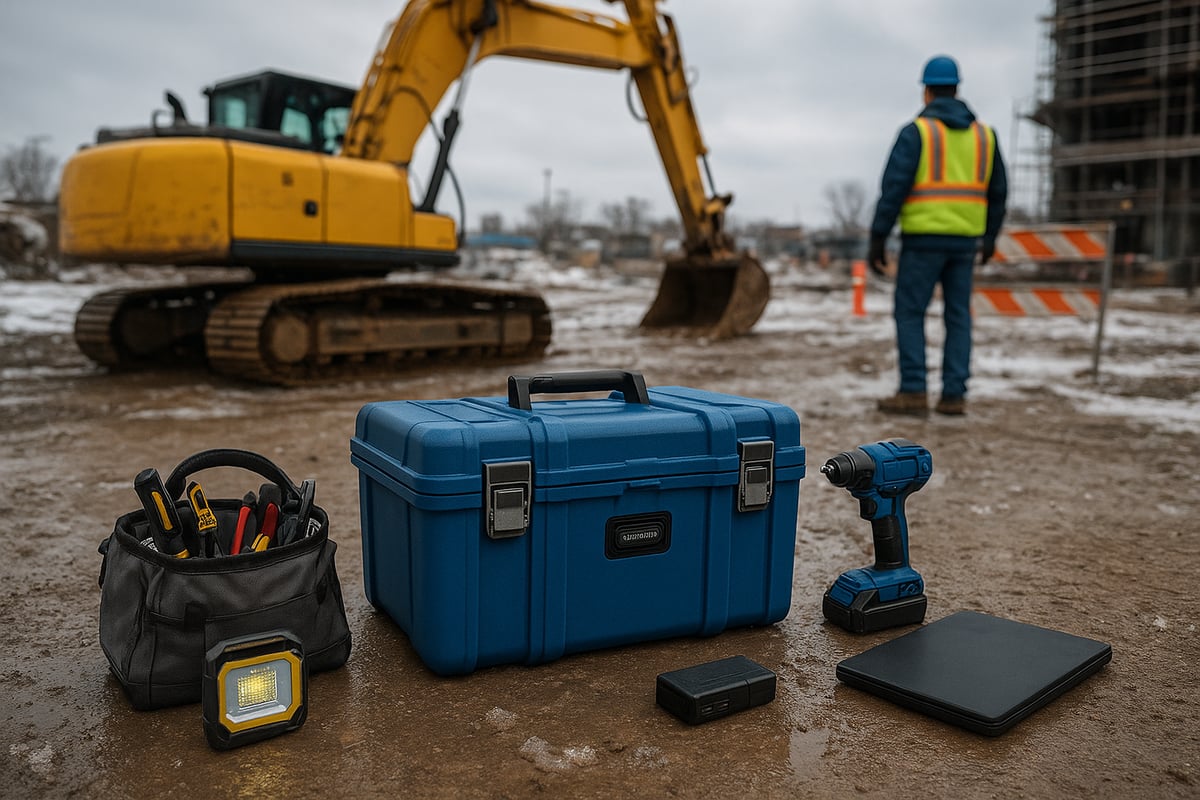
Equipment insurance is a specialized policy designed to cover the physical assets your business depends on, such as tools, machinery, and electronics. Unlike commercial property insurance coverage, which focuses on buildings and property, equipment insurance specifically addresses loss, theft, and accidental damage to mobile or portable equipment.
Key terms include:
- Scheduled equipment: Listed items with specific values.
- Unscheduled equipment: General blanket coverage for lower-value items.
- Replacement cost: Pays to replace new for old.
- Actual cash value: Considers depreciation.
With equipment values climbing and contractor theft cases in Minnesota topping insurance claims in 2025, this coverage is essential for asset-heavy businesses. Many contracts and local regulations now require proof of equipment insurance. For example, a St. Paul cleaning company with a fleet of portable machines faces both legal and client demands for this protection.
Who Needs Equipment Insurance in 2026?
Equipment insurance is vital across many Minnesota industries:
- Construction and contracting
- Cleaning and janitorial
- Landscaping and snow removal
- Manufacturing
- Technology services
Trends like remote work, mobile operations, and equipment sharing have increased exposure to loss. Whether you’re a solo entrepreneur in Duluth or a large Minneapolis contractor, equipment insurance addresses the risk of theft, weather, or accidental damage.
Claims data shows construction and cleaning sectors top the list for equipment losses in Minnesota. For instance, a Minneapolis contractor lost valuable tools to theft during a winter storm. Legal requirements and client contracts often demand proof of coverage, making equipment insurance a must-have for local businesses.
Key Benefits of Equipment Insurance
What makes equipment insurance so valuable for Minnesota businesses? The benefits include:
- Financial protection from theft, loss, or accidental damage
- Coverage for owned, leased, or rented equipment
- Minimizing downtime after an incident
- Meeting compliance and contract obligations
- Providing peace of mind for owners and staff
For example, when a St. Cloud cleaning company had gear stolen from a van, their equipment insurance enabled them to replace tools within days and avoid losing key clients. Industry data shows average claim payouts range from $5,000 to $25,000, with most insurers settling within 10 days. This rapid response helps businesses bounce back fast.
Common Misconceptions and Risks of Going Uninsured
Many Minnesota business owners mistakenly believe general liability covers equipment, or think their operation is too small to need dedicated coverage. In reality, liability and property policies often exclude portable or mobile equipment, leaving costly gaps.
Uninsured losses can mean paying out of pocket, facing project delays, or even losing clients. In one case, a small landscaping company in Rochester closed after a severe storm destroyed uninsured equipment. With replacement costs surging in 2026 and Minnesota’s unpredictable weather, skipping equipment insurance is a false economy. Protecting your assets is the smart move for long-term success.
What Does Equipment Insurance Cover? Policy Types and Inclusions
Protecting your business means knowing exactly what your equipment insurance policy includes. Minnesota business owners in construction, cleaning, landscaping, and tech rely on this coverage to keep their operations running, no matter what comes their way.
Core Coverage Areas
At its heart, equipment insurance shields your business from the financial fallout of theft, fire, vandalism, and accidental breakage. Whether you operate in Minneapolis or St. Cloud, coverage typically extends to tools, machinery, electronics, and safety gear vital for daily jobs.
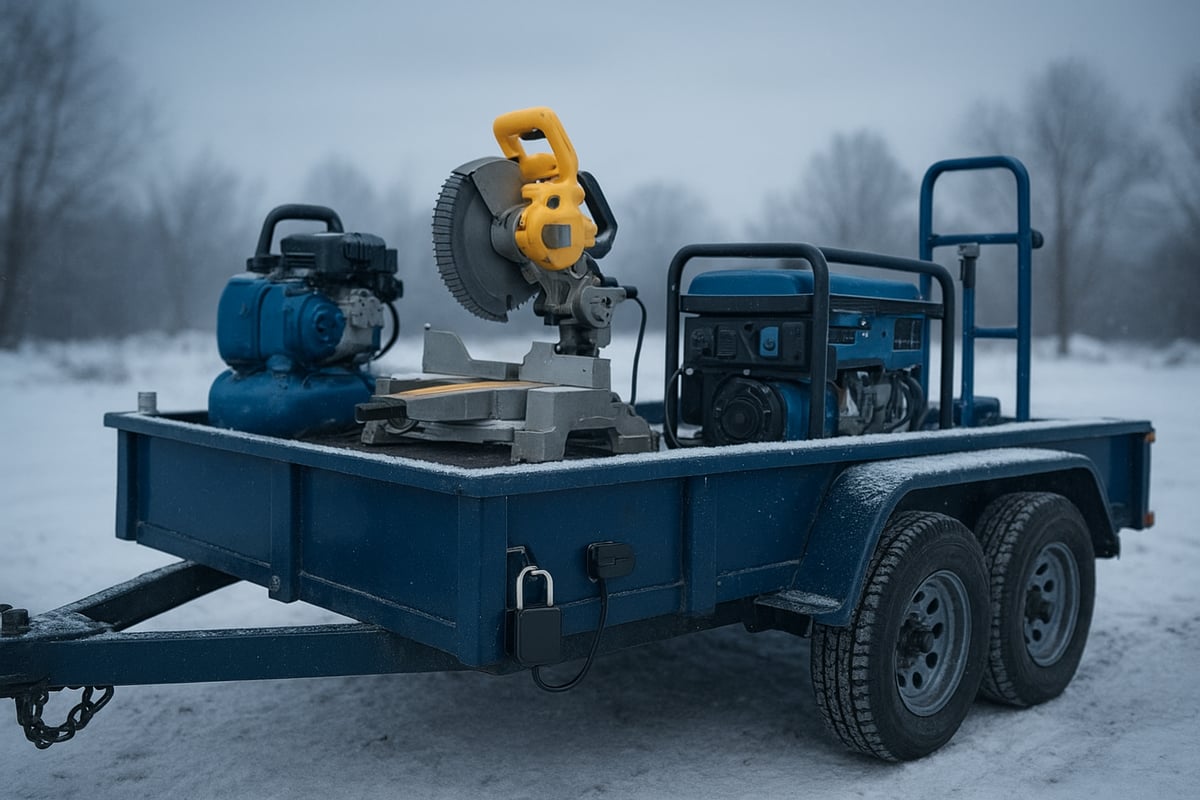
Policies also protect equipment in transit or on multiple Minnesota job sites, so you are covered wherever your work takes you. For example, if your trailer full of power tools is stolen from a Rochester job site, your equipment insurance can help you recover quickly.
Most claims in 2025 and 2026 involve theft or accidental damage. Policy limits, sub-limits, and how losses are settled (replacement cost versus actual cash value) all impact your payout. For a full picture of how equipment fits with other essential business coverages, explore Commercial insurance for business owners.
Additional and Optional Coverages
Beyond the basics, equipment insurance can be customized with add-ons that address your unique business risks. Rented, leased, and borrowed equipment coverage is crucial for Minnesota contractors who regularly rent specialized tools. If your employees use personal tools or uniforms, some policies offer set limits per item or per occurrence.
Optional coverages may include debris removal and pollutant cleanup after equipment-related accidents. Expediting expenses help you stay on schedule by covering the cost to quickly repair or replace damaged items. Construction businesses often consider boom overload protection for cranes and lifts.
A Minnesota contractor renting a specialty saw for a Duluth project can add short-term coverage, ensuring every piece of equipment is protected. Major insurers offer flexible add-ons to help you tailor your policy.
What’s Not Covered: Exclusions and Limitations
No equipment insurance policy covers everything. Normal wear and tear, corrosion, and rust are common exclusions. If you fail to report new equipment or exceed your policy limits, losses may not be reimbursed.
Employee dishonesty, intentional acts, personal use, and non-business items are also excluded. For instance, if a rusted power cutter in your Mankato cleaning business fails due to age, your insurer will likely deny the claim.
Reviewing policy exclusions in detail is essential. Work closely with your broker or agent to understand where your coverage ends and where you may need extra protection.
Industry-Specific Coverage Considerations
Minnesota’s diverse industries require specialized equipment insurance. Construction companies need protection for heavy machinery, power tools, and site trailers. Cleaning and janitorial firms must insure portable machines and supplies in transit between clients in cities like Bloomington and Eagan.
Landscaping and snow removal businesses face unique risks, especially during Minnesota winters. Mowers, trimmers, and snowplows need seasonal coverage and proper storage protection. Manufacturers and tech firms insure robotics, production machines, and high-value electronics.
A snow removal company in Freeport, for example, should ensure plows and salt spreaders are listed on their policy before winter hits. Tailor your coverage to match your business’s specific tools and risks.
Real-World Claims Scenarios and Data
Let’s look at how equipment insurance works in practice. Imagine a contractor in Maple Grove who discovers their locked trailer broken into and tools worth $18,000 stolen. With proper coverage, the claim is processed in under 10 days, allowing work to resume without major delays.
Another scenario: a cleaning business in St. Cloud accidentally damages a rented floor scrubber. Their policy covers the repair, minimizing downtime. Average claim amounts for stolen or damaged equipment in Minnesota typically range from $5,000 to $25,000.
Quick documentation, like photos and receipts, speeds up the claims process. Minnesota businesses that report promptly and maintain accurate inventories see the fastest claim resolutions, keeping their operations on track.
How Much Does Equipment Insurance Cost in 2026?
Rising costs and shifting risks mean understanding equipment insurance pricing is more important than ever for Minnesota businesses. Whether you run a small St. Cloud cleaning service or a large Minneapolis contracting company, knowing what drives your premium, what to expect in 2026, and how to save can make a real difference to your bottom line.
Key Factors Influencing Premiums
Several key factors shape the cost of equipment insurance for Minnesota businesses. Your industry plays a major role, with construction and landscaping firms typically paying more due to higher risks of theft and weather-related damage. The value, age, and type of your equipment also matter—a brand-new snowplow in Duluth will cost more to insure than an older floor buffer in St. Cloud.
Company size and number of locations impact premiums, as do your claims history and overall risk profile. Urban areas like Minneapolis may see higher rates because of increased theft incidents. Policy details, such as limits, deductibles, and optional coverage, all influence your final equipment insurance premium.
Typical Pricing Ranges and Market Trends
In 2026, Minnesota businesses can expect equipment insurance premiums to start as low as $19 per month for low-risk operations. Construction contractors and tech firms with expensive gear might pay $100 or more monthly, depending on coverage limits and claims history. Market trends show premiums rising due to inflation and the increasing cost of equipment.
Bundling equipment insurance with other policies can unlock discounts. For more insights on why costs are rising and how insurance markets are shifting, see Trends in Equipment Breakdown Insurance.
| Business Type | Typical Monthly Premium 2026 |
|---|---|
| Cleaning (St. Cloud) | $19–$40 |
| Contractor (Minneapolis) | $45–$120 |
| Landscaping (Rochester) | $30–$85 |
Ways to Lower Your Equipment Insurance Costs
You can take action to reduce your equipment insurance premiums. Implement theft prevention strategies like GPS tracking and secure storage. Maintaining a clean claims history shows insurers you manage risks well. Bundling equipment insurance with general liability or a business owner’s policy often results in lower rates for Minnesota businesses.
Adjusting deductibles and reviewing coverage limits annually also helps control costs. Regularly update your equipment schedule, especially when you purchase or retire gear. Many insurers offer incentives for businesses that invest in safety measures, so ask about available discounts.
Getting Accurate Quotes and Comparing Providers
To get the most accurate equipment insurance quote, prepare a detailed, up-to-date inventory of all equipment—list make, model, value, and serial numbers. Compare policy terms, coverage limits, exclusions, and customer service quality from different providers. Use online quote tools for instant estimates and consult with Minnesota-based brokers for local expertise.
Checklist for comparing providers:
- Provide a complete equipment inventory
- Review policy exclusions and sub-limits
- Check claims satisfaction ratings
- Ask about discounts and digital management tools
- Confirm provider’s Minnesota licensing and experience
A thorough approach ensures you choose equipment insurance that truly protects your Minnesota business.
The Equipment Insurance Process: From Application to Claims
Navigating the equipment insurance process can feel overwhelming, especially with the fast pace of business in Minnesota cities like Minneapolis and St. Cloud. Understanding each step, from application to claims, helps you avoid costly surprises and keep your operations secure. Let’s break down the process so you can confidently protect your assets and get back to work faster.
How to Apply for Equipment Insurance
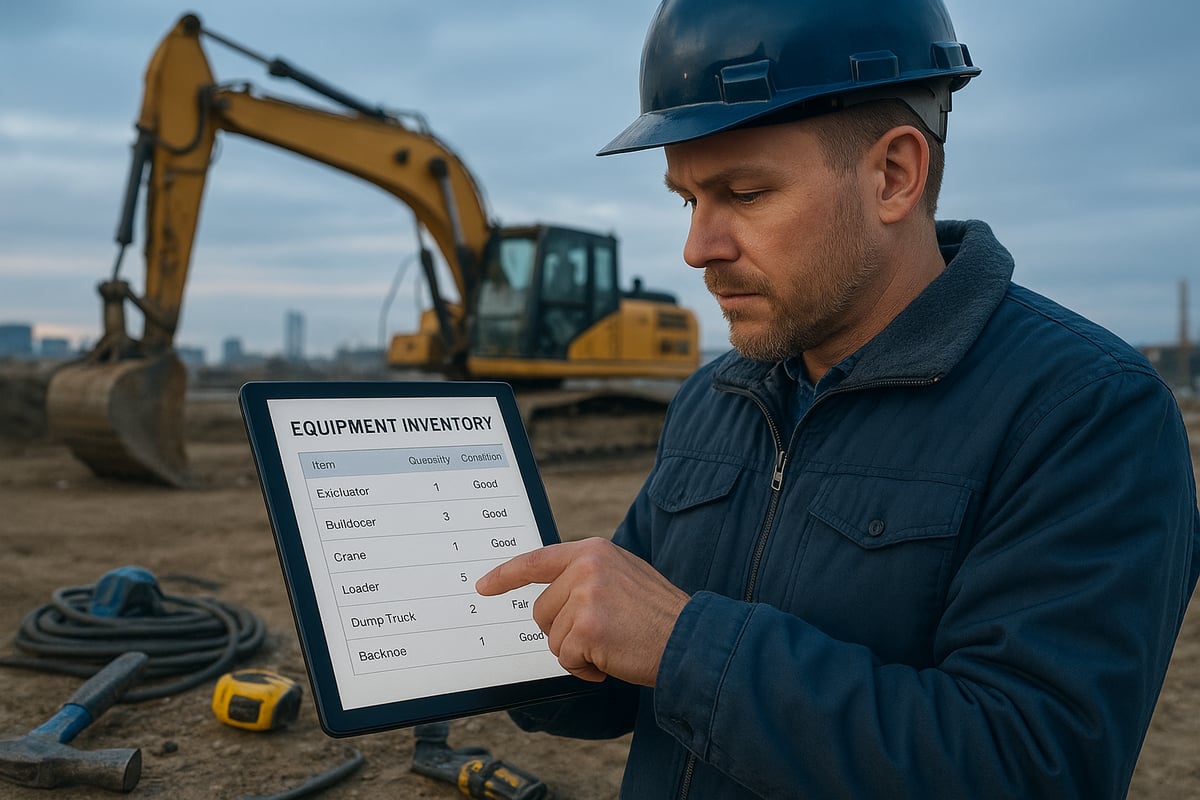
Start by gathering a complete inventory of your equipment. List each item’s make, model, value, and serial number. This is crucial if you operate in Minnesota, where weather and theft risks are high.
Decide on the coverage you need. Will you choose scheduled coverage for every item or a blanket policy for your fleet? Think about your business size and job sites, whether in Minneapolis or a smaller town.
Submit your application online or through a local broker. Be prepared to upload invoices and photos. Many Minnesota businesses report getting insured in less than 10 minutes with digital tools. Having your paperwork ready means you can get equipment insurance quickly and meet client requirements on tight timelines.
Customizing and Managing Your Policy
As your business grows, your equipment insurance needs will change. Regularly review your policy—especially after new purchases or at the beginning of busy seasons.
Many insurers offer apps for easy updates, letting you add new tools or remove old ones. Some policies provide automatic coverage for new equipment for 30 days, but you must report these additions to stay protected.
For example, a landscaping business in Freeport might add snow removal gear each winter, then switch back to mowers in spring. Keeping your policy current means you never miss out on coverage, and your insurer can advise on the best options for your Minnesota business.
What to Do When You Need to File a Claim
If you suffer a loss, act fast. First, secure the scene and document the damage with photos. File a police report for theft or vandalism.
Notify your insurer—most offer online portals or apps for quick claims. Submit your details, including receipts and inventory lists. Cooperate with adjusters if they request more information.
Minnesota contractors often see claims resolved within 10 days, especially when documentation is complete. Fast action can mean the difference between a smooth payout and project delays. For a deeper dive into protecting tools and equipment, see this helpful Contractors risk insurance basics article.
Common Pitfalls and How to Avoid Them
Many business owners make mistakes that lead to denied claims or gaps in coverage. Not updating your equipment list is a top issue—if a stolen tool isn’t listed, it may not be covered.
Other pitfalls include underinsuring valuable items, missing policy exclusions, or delaying claim reports. Always keep receipts and proof of ownership.
A St. Cloud cleaning business once lost thousands because their policy was outdated. Avoid these headaches by reviewing your equipment insurance regularly and staying organized.
Technology and Innovations in Equipment Insurance (2026 Update)
The equipment insurance landscape in 2026 is more digital than ever. AI-driven quote tools provide instant pricing, while mobile apps let you update policies and submit claims anytime.
Minnesota businesses are using GPS tracking on equipment, which can reduce premiums and help recover stolen items. Digital documentation ensures you never lose proof of ownership, and many insurers now integrate with business software for seamless management.
Flexible, customizable policies are the new norm, giving you more control over your coverage. Embracing these innovations means better protection and peace of mind for your equipment insurance needs.
Choosing the Right Equipment Insurance Provider
Selecting the right equipment insurance provider is one of the most crucial decisions Minnesota businesses will make in 2026. The right partner offers more than just a policy—they deliver peace of mind, fast claims, and tailored solutions for your industry. Use this section as your roadmap to compare, vet, and choose the best fit for your needs.
Comparing Top Insurance Providers
When evaluating equipment insurance providers in Minnesota, focus on more than just the price tag. Look for robust coverage, a straightforward claims process, responsive customer service, and flexible policy options. The best insurers understand local risks—from Minneapolis theft rates to St. Cloud’s snowstorms.
Here’s a quick comparison checklist:
| Criteria | What to Look For |
|---|---|
| Coverage Options | Industry-specific, customizable |
| Claims Process | Digital filing, fast turnaround |
| Customer Service | 24/7 support, local expertise |
| Pricing | Transparent rates, discounts available |
Minnesota businesses should also review provider ratings and testimonials. According to the US P&C Insurance 2026 Outlook, competition and pricing trends are evolving—so compare at least three equipment insurance quotes before you decide.
Working with Independent Insurance Brokers
Independent insurance brokers can be your secret weapon when shopping for equipment insurance in Minnesota. They offer access to multiple carriers, local market insight, and personalized recommendations based on your business profile.
Why use a broker?
- They simplify comparing policies and pricing.
- Brokers help you understand complex terms and exclusions.
- They advocate for you during claims and policy updates.
- Local brokers know Minnesota-specific risks and regulations.
For example, a broker can help a St. Cloud cleaning company find equipment insurance with rapid claims and seasonal coverage. Always ask brokers about their experience with Minnesota industries and how they’ll support your business as it grows.
Red Flags and Mistakes to Avoid
Don’t let a flashy low quote distract you from the details. Some common mistakes Minnesota businesses make when choosing equipment insurance include:
- Prioritizing cost over comprehensive coverage
- Ignoring policy exclusions or sub-limits
- Overlooking provider reputation for claims and service
- Failing to confirm local licensing and experience
Imagine a Minneapolis contractor who chose the cheapest policy, only to discover key equipment was excluded after a loss. Use this vetting checklist:
- Read all policy documents carefully
- Confirm coverage for your specific equipment types
- Check for digital claim support and flexible policy updates
- Ask about customer testimonials from other Minnesota businesses
Choosing wisely now can prevent headaches—and losses—down the road.
Frequently Asked Questions When Selecting a Provider
Before you lock in your equipment insurance, ask these essential questions to ensure your provider fits your Minnesota business:
- What types of equipment do you cover?
- How quickly are claims processed?
- Are discounts available for theft prevention or safety measures?
- What documentation is needed for claims?
- How do you handle new equipment additions during the year?
- Is there 24/7 support or a mobile app?
- Do you understand Minnesota’s local risks and regulations?
The right answers will help you secure equipment insurance that’s reliable, responsive, and ready to protect your business through 2026 and beyond.
Equipment Insurance for Key Industries in Minnesota
In Minnesota, every industry faces unique risks that make equipment insurance a critical safeguard. From Minneapolis construction sites to St. Cloud cleaning crews, the right coverage keeps businesses resilient, clients satisfied, and projects moving forward. Let’s break down how equipment insurance protects your assets across Minnesota’s most vital sectors.
Construction and Contractors
Construction businesses in Minnesota rely on equipment insurance to cover everything from excavators to power tools and trailers. Local risks include theft from job sites, severe weather like snow or flooding, and vandalism. For example, a Minneapolis contractor might need coverage for both summer roadwork and winter renovations.
Minnesota contracts often require proof of equipment insurance before work begins. Losses due to theft or storm damage can quickly halt a project, risking costly delays. A recent survey found that construction is a top sector for equipment claims in Minnesota, with average payouts ranging from $5,000 to $25,000. Make sure your coverage matches the value and mobility of your gear to stay protected year-round.
Cleaning and Janitorial Services
Cleaning companies in cities like St. Cloud or Duluth need equipment insurance to safeguard portable machines, vacuums, and supplies. These businesses often travel between multiple Minnesota job sites daily, increasing the risk of theft from vehicles or accidental breakage. Equipment insurance ensures rapid replacement so downtime is minimized and contracts are fulfilled.
Many cleaning businesses mistakenly believe their general liability policy is enough. However, general liability insurance explained shows that it usually does not cover equipment loss. With equipment insurance, a St. Cloud cleaning service quickly replaced stolen gear and kept clients happy, illustrating why dedicated coverage is essential.
Landscaping, Snow Removal, and Seasonal Businesses
Minnesota’s seasonal businesses, like landscaping crews in Freeport or snow removal services in Brainerd, depend on specialized equipment. Mowers, trimmers, snowblowers, and plows are valuable assets that need protection year-round, especially during off-season storage when theft and storm damage spike.
With equipment insurance, a Freeport snow removal company can insure plows and salt spreaders for both active use and off-season risks. Claims for storm-damaged or stolen equipment are common, making it vital to update coverage as your inventory changes with the seasons. This proactive approach keeps your operations running, regardless of Minnesota’s unpredictable weather.
Technology, Manufacturing, and Professional Services
Minnesota’s growing tech and manufacturing sectors, from Albany to Rochester, require equipment insurance for high-value electronics, robotics, and diagnostic devices. Risks include power surges, accidental drops, and losses during transit between facilities or client sites.
For example, an Albany-based manufacturer insures production robots and computer systems, ensuring quick recovery from unexpected damage. Accurate equipment valuation and scheduling are crucial to prevent underinsurance. As average claim sizes for tech equipment rise in Minnesota, investing in comprehensive equipment insurance brings peace of mind and business continuity.
Equipment Insurance FAQs for 2026
Get clear answers to the most common questions Minnesota businesses ask about equipment insurance in 2026. Whether you’re a contractor in Minneapolis or a cleaning service in St. Cloud, understanding the details can save time, money, and stress.
What Types of Equipment Are Typically Covered?
Equipment insurance typically covers a wide range of business tools and assets. This includes power tools, heavy machinery, electronics like laptops or diagnostic devices, safety gear, and even vehicles that are essential for daily operations. There are two main coverage options: scheduled, which lists each item individually, and blanket, which covers all qualifying equipment under a set limit.
For Minnesota businesses, coverage often extends to snow removal equipment and agricultural machinery—think plows and tractors used from Freeport to Albany. For example, a Minneapolis contractor might list saws, drills, and mixers under a scheduled policy. Growth in the Global Equipment Breakdown Insurance Market shows increasing demand for coverage as equipment value rises.
What’s Not Covered by Equipment Insurance?
It’s important to know that equipment insurance does not cover everything. Common exclusions include normal wear and tear, corrosion, rust, and intentional or dishonest acts by employees. Policy limits and sub-limits also apply, so claims above those amounts may not be paid. Additionally, losses involving non-business use or personal items are excluded.
Imagine a St. Cloud business files a claim for a rusted carpet extractor. If the damage is due to corrosion, it would be denied. Always read your policy carefully to understand what’s not covered, and update your equipment list regularly to avoid surprises.
How Much Equipment Insurance Do I Need?
The right amount of equipment insurance depends on the value of your assets, your business risk profile, and any contractual requirements. Take the time to create a detailed inventory and estimate replacement costs. Minnesota regulations or client contracts may require specific coverage levels, especially for public projects or government contracts.
A solo cleaning business in Freeport will need less coverage than a large Minneapolis contractor with multiple job sites. Use online quote tools and consult local insurance experts for tailored estimates. For more on industry pricing trends, check the Global Insurance Market Trends 2025 report for valuable insights.
How Quickly Can I Get Coverage and Proof of Insurance?
Most Minnesota businesses can secure equipment insurance and obtain a certificate of insurance (COI) in as little as 10 minutes, thanks to streamlined online applications. Many insurers now offer digital access to COIs, making it easy to provide proof for new contracts or city permits.
For example, a St. Cloud cleaning business landing a new client can send a digital COI almost instantly. This quick turnaround helps you stay compliant and win more jobs without delay. Look for providers who offer 24/7 online access to your policy documents and certificates for maximum convenience.