
Navigating Minnesota’s health insurance landscape in 2026 is more complex, and more essential, than ever. With healthcare costs rising and new policy changes on the horizon, understanding your options is critical.
This guide is designed to demystify mn care insurance for Minnesotans, providing the clarity you need to make confident choices about your coverage, budget, and eligibility. You’ll discover the latest updates, step-by-step enrollment instructions, comprehensive coverage details, and expert tips to help you save money.
Ready to take control of your health coverage? Let’s break down the basics, highlight what’s new for 2026, and guide you through every step toward a smarter, more affordable future.
Understanding MN Care Insurance: What’s New in 2026?
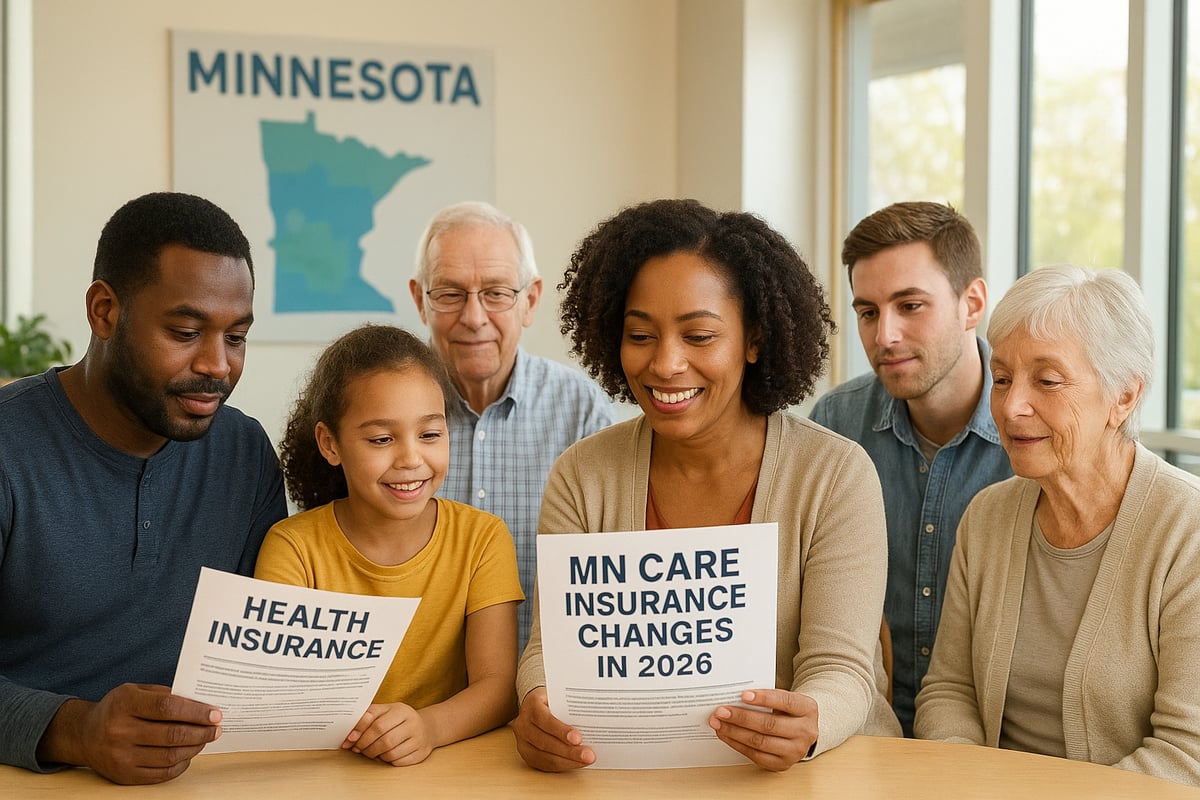
Minnesota’s health insurance landscape continues to evolve, and understanding what’s new with mn care insurance in 2026 is crucial for making smart coverage decisions. This year brings important changes affecting eligibility, costs, and covered services, all designed to improve access and affordability for Minnesotans. Let’s break down what you need to know to stay ahead and make the most of your options.
Key Policy Updates and Legislative Changes
2026 is a landmark year for mn care insurance due to several legislative updates. The Minnesota legislature has raised income thresholds, allowing more residents to qualify. Premium structures have shifted, with many families seeing lower monthly costs and reduced cost-sharing. Federal healthcare reforms have also influenced state programs, prompting the expansion of covered services like preventive care and improved telehealth options.
For example, a recent bill increased telehealth access in Greater Minnesota, making it easier for rural residents to connect with providers. According to state data, nearly 18 percent of Minnesotans will be directly impacted by these policy changes. Overall, these updates aim to boost accessibility and make mn care insurance more affordable for all.
Who Is Eligible in 2026?
Eligibility requirements for mn care insurance have been updated for 2026. Income limits now reflect higher living costs, and family size plays a greater role in determining who qualifies. Residents must prove Minnesota residency and meet citizenship or lawful presence criteria. Special provisions remain in place for children, pregnant women, and those with disabilities, ensuring broad access.
Consider a college student in Duluth or a part-time worker in Moorhead—both may now qualify under the new guidelines. Current enrollment figures show over 110,000 Minnesotans are covered, with projections indicating a 7 percent increase by the end of 2026 as more become eligible for mn care insurance.
Comparing MN Care Insurance to Other Minnesota Health Plans
Choosing the right health plan can feel overwhelming. How does mn care insurance compare to MinnesotaCare or private insurance? Here’s a quick overview:
| Plan Type | Key Features | Best For | Average Monthly Cost |
|---|---|---|---|
| MN Care Insurance | Income-based, broad coverage, low copays | Moderate-income families | $55 |
| MinnesotaCare | Lower income, state-subsidized | Low-income residents | $28 |
| Private Insurance | Wide provider choice, higher premiums | High-income, self-employed | $320 |
A St. Cloud family recently compared options and found mn care insurance was the most cost-effective, offering comprehensive benefits with manageable premiums. For a deeper dive into Minnesota’s health insurance landscape, see Understanding Health Insurance in Minnesota.
Common Myths and Misconceptions
Many believe mn care insurance is only for low-income residents, but that’s not true. With the latest changes, a wider income range now qualifies. Some worry about limited provider networks, yet most major clinics in cities like Rochester and Duluth accept mn care insurance.
User testimonials highlight positive experiences, especially regarding out-of-pocket costs. A 2025 survey found that 60 percent of Minnesotans misunderstood key aspects of mn care insurance, underlining the need for clear, updated information.
Why MN Care Insurance Matters for Minnesotans
Mn care insurance plays a vital role in reducing the uninsured rate across Minnesota. It strengthens community health by making preventive and ongoing care more accessible, especially in rural areas. This coverage also boosts financial security, helping families manage unexpected medical expenses.
Recent trends show steady growth in health insurance coverage statewide, with mn care insurance supporting many underserved populations. For thousands in places like Bemidji and Mankato, it’s more than insurance—it’s peace of mind and a healthier future.
Step-by-Step Guide to Enrolling in MN Care Insurance for 2026
Enrolling in MN Care Insurance for 2026 can feel overwhelming, but the right steps will make the process smooth and stress-free. Whether you’re applying for your family in Duluth or starting coverage after a life change in Mankato, this guide will help you avoid common pitfalls, meet deadlines, and maximize your benefits.

Preparing to Apply: Documents and Information Needed
Before starting your MN Care Insurance application, gather all necessary paperwork to speed up the process. Missing documents are a top reason for delays, so preparation is key.
Commonly required items include:
- Proof of income (pay stubs, tax forms)
- Proof of Minnesota residency (utility bills, lease agreement)
- Government-issued photo ID
- Social Security numbers for all household members
For example, a Minneapolis resident might use a driver’s license, a recent paycheck, and a rental agreement. Keep these in a folder for quick access. Double-check expiration dates and ensure documents are current.
Mistakes like submitting blurry photos or outdated forms can slow things down. If you’re unsure, contact MNsure or a local navigator for help. Starting with the right documents puts you one step ahead in the MN Care Insurance journey.
The Application Process: Online, Phone, and In-Person Options
You can apply for MN Care Insurance in 2026 through several convenient methods. The MNsure online portal is the fastest and most popular choice, letting you track your progress and upload documents easily. If you prefer, phone applications are available during business hours, offering live assistance for your questions.
For those who want face-to-face help, in-person support is offered at locations throughout St. Paul, Moorhead, and Mankato. Each method has pros and cons: online lets you apply anytime, while in-person visits might be better for complex cases.
If you need step-by-step instructions, visit the MinnesotaCare enrollment process page for a detailed guide. Choose the route that fits your comfort level and schedule, but remember, completing your MN Care Insurance application early can help you secure coverage faster.
Key Enrollment Periods and Deadlines
Timing is everything when it comes to MN Care Insurance enrollment. The 2026 open enrollment period is your main window to sign up or make changes. Missing this window could mean waiting months for coverage.
Special enrollment periods are available if you experience life changes like job loss, marriage, or having a baby. Always mark these dates on your calendar. For instance, if you move to Rochester and lose employer coverage, you may qualify for a special enrollment window.
Past data shows that over 15% of applicants in Minnesota miss deadlines and face lapses in coverage. Don’t let this happen to you. Set reminders and act quickly to keep your MN Care Insurance active and uninterrupted.
Verifying Eligibility and Submitting Your Application
Once you’ve applied, your eligibility for MN Care Insurance will be reviewed based on income, residency, and household details. The system may request additional documents, so check your messages regularly.
Common reasons for denial include mismatched Social Security numbers or incomplete income information. In Bemidji, one applicant resolved an eligibility snag by submitting a corrected tax form within two days.
If you’re asked for more documentation, respond promptly to avoid delays. Detailed instructions will guide you through uploading or mailing the requested items. Always save copies of everything you submit for your records.
What Happens After You Apply?
After submitting your MN Care Insurance application, approval typically takes a few weeks. You’ll receive an official letter and your MN Care Insurance card, which you should keep safe.
Member materials will explain your benefits and how to access care. The next step is to choose a primary care provider within the MN Care Insurance network, ensuring you get the right care close to home.
If your situation changes, such as a new job in St. Cloud, update your application right away. This helps avoid interruptions and keeps your MN Care Insurance coverage accurate.
Troubleshooting Common Enrollment Issues
Even with the best preparation, issues can arise during the MN Care Insurance enrollment process. Technical glitches, missing paperwork, or confusing questions can slow things down.
If you run into problems, MNsure support teams and local agencies across Minnesota are ready to help. Community groups and health navigators in cities like Mankato and Minneapolis offer free assistance, especially for non-English speakers.
If your application is denied, you have the right to appeal. Many appeals are resolved successfully when additional evidence is provided. Don’t hesitate to ask for help—resources are available to guide you through every step and ensure your MN Care Insurance enrollment is successful.
MN Care Insurance Coverage: What’s Included and What’s Not
Understanding what is actually covered by MN Care Insurance is the first step to confidently using your plan in 2026. Many Minnesotans are surprised by the range of benefits, while others overlook key exclusions that could affect their care options. Let’s break down exactly what MN Care Insurance does—and does not—cover for you and your family.

Essential Benefits and Covered Services
MN Care Insurance provides a comprehensive suite of essential health benefits designed to keep Minnesota families healthy and secure. Coverage includes preventive care like annual check-ups, immunizations, and screenings, as well as hospital stays and emergency services. Prescription drugs, maternity care, and chronic disease management are all part of the plan. For children, coverage is especially robust, including well-child visits and pediatric dental and vision care.
For example, a family of four in Duluth can rely on MN Care Insurance for regular doctor visits, vaccinations, and prescriptions, plus mental health support if needed. According to recent state data, preventive care and prescription drugs are among the most utilized services. To see a detailed list of covered benefits, visit the MinnesotaCare coverage details page.
With MN Care Insurance, you’ll know that the basics are covered, so you can focus on staying healthy and active.
Limitations and Exclusions
It’s important to know that MN Care Insurance, while comprehensive, does not cover every possible medical service. Cosmetic procedures, certain specialty drugs, and experimental treatments are excluded. Coverage is generally limited to providers within the approved network. If you seek care outside this network, you may face higher costs or no coverage at all.
For example, residents in rural areas of Minnesota sometimes need to travel to access specialty care that’s not available locally, and out-of-network providers are not typically covered. If you ever face a denial for a needed service, MN Care Insurance offers an appeal process to contest the decision.
Understanding these exclusions can help you avoid surprise bills and plan your care more effectively.
Prescription Drug Coverage
Prescription drug coverage is a core part of MN Care Insurance. Most common medications, including those for chronic conditions like diabetes or asthma, are included in the standard formulary. To check if your medication is covered, use the plan’s online search tool or ask your pharmacist.
For example, a resident in Alexandria needing diabetes medication can usually access it with low out-of-pocket costs. On average, MN Care Insurance members spend less on prescriptions than those with private insurance, thanks to negotiated rates and coverage for generics.
Always review the formulary before filling a new prescription to avoid unexpected expenses.
Mental Health and Substance Use Services
MN Care Insurance recognizes the importance of mental health and substance use recovery. Coverage includes outpatient therapy, counseling, inpatient treatment, and medication-assisted therapy. Telehealth options have expanded, making it easier for Minnesotans—especially in remote areas like Brainerd—to access counseling and mental health services from home.
According to recent statistics, more members are using these benefits each year, reflecting growing awareness and reduced stigma. Whether you need help managing stress, substance use, or ongoing mental health conditions, MN Care Insurance is there to support your recovery journey.
Take advantage of these services early to improve your well-being and peace of mind.
Dental and Vision Benefits
Dental and vision care are essential for long-term health, especially for children. MN Care Insurance covers pediatric dental check-ups, cleanings, and basic vision screenings as part of its core benefits. For adults, some dental and vision services are included, but coverage may be more limited compared to children.
For example, a family in Rochester can get dental exams and glasses for their kids at little or no extra cost. Recent data shows that nearly half of MN Care Insurance members use their dental benefits at least once a year.
Check your specific plan details to maximize these benefits and keep your family smiling and seeing clearly.
Managing Costs: Premiums, Deductibles, and Financial Assistance
Understanding how to manage costs with mn care insurance can make a major difference for Minnesota families in 2026. Rising medical expenses make it vital to know what you’ll pay, when, and how you can save. Let’s break down premiums, deductibles, assistance, and practical strategies so you can keep coverage affordable and stress-free.

Understanding Premiums and Payment Options
Premiums for mn care insurance are determined by your income, family size, and the latest state guidelines. In 2026, Minnesota has adjusted the way premiums are calculated, so it’s important to review any changes that could affect your budget. For example, the average monthly premium for a single adult in St. Cloud is expected to reflect new income brackets and family thresholds.
You can pay mn care insurance premiums online, by mail, or through automatic withdrawal for convenience. Setting up autopay helps avoid missed payments and coverage gaps. To stay informed about the latest premium updates and payment schedules, review the MinnesotaCare premium changes 2026 page.
Mistakes in payment can lead to late fees or even loss of coverage, so always double-check your payment method and schedule.
Deductibles, Copays, and Out-of-Pocket Maximums
When you use mn care insurance, you’ll encounter three main types of costs: deductibles, copays, and out-of-pocket maximums. A deductible is the amount you pay before your plan starts covering services. Copays are small fees for doctor visits or prescriptions, while the out-of-pocket maximum caps what you’ll spend in a year.
Let’s look at a typical year for a family in Minnesota:
| Cost Type | 2026 Average Amount |
|---|---|
| Deductible | $250 per person |
| Copay (office visit) | $5-$15 |
| Out-of-Pocket Max | $1,200 per person |
Using preventive care and choosing in-network providers helps keep your overall costs lower. Remember, once you reach your out-of-pocket maximum, mn care insurance covers 100% of eligible expenses for the rest of the year.
Financial Assistance and Subsidies
Many Minnesotans qualify for financial help with mn care insurance. Premium tax credits and cost-sharing reductions are available based on income and household size. Special state programs also support low-income residents, making coverage more accessible.
For example, a family in Mankato with two children may see their premium drop significantly after subsidies are applied. In fact, more than 60% of mn care insurance members receive some form of financial assistance. Be sure to check your eligibility every year, as income limits and subsidy amounts can change.
If you’re unsure, use the online calculator provided by MNsure or speak with a local navigator to see how much help you can get.
Strategies for Reducing Healthcare Costs
Smart strategies can help you make the most of mn care insurance and keep costs in check. Always use in-network providers and pharmacies, and take advantage of preventive screenings, which are typically covered at no cost. Ask your doctor about generic medications, which cost less and work just as well for most conditions.
Consider scheduling non-urgent appointments during off-peak times to minimize wait and potentially lower costs. For more practical tips, check out these Tips for Managing Healthcare Costs, which offer additional ways to save.
Tracking your expenses and reviewing your Explanation of Benefits statements can also help you catch billing errors and avoid surprises.
What to Do If You Can’t Afford Coverage
If mn care insurance premiums or costs feel out of reach, you still have options. Community health clinics across Minnesota offer sliding scale fees based on your ability to pay. Rural areas often have mobile clinics or events providing free screenings and basic care.
Here are some resources to explore:
- State and local assistance programs
- Nonprofit organizations specializing in healthcare access
- County health departments in cities like Bemidji and Moorhead
Never hesitate to ask for help. Navigators and social workers can connect you with programs to keep your health—and your finances—protected.
Expert Tips and Resources for MN Care Insurance Members
No matter where you live in Minnesota, making the most of your mn care insurance is about more than just having a card in your wallet. It’s about knowing how to use your benefits, stay informed, and access help when you need it. Here’s how to get started.
Maximizing Your Benefits
To get the most from your mn care insurance, schedule annual checkups and preventive screenings—these are fully covered and help you avoid bigger health issues later. Many Minnesota clinics offer telehealth visits, letting you connect with doctors from home, which saves time and travel, especially in rural areas.
Keep track of your appointments, prescriptions, and covered services by using a benefits tracker or app. This way, you stay on top of your care and avoid missing important dates. For example, families in northern Minnesota have found telehealth especially helpful for routine follow-ups and mental health support.
- Book annual wellness visits
- Use telehealth for non-emergencies
- Track benefits and renewal dates
Navigating Provider Networks
Finding the right doctor in your mn care insurance network is key. Start by searching the MNsure directory for in-network providers near your city, whether you’re in Duluth, Rochester, or the Twin Cities. If you need a specialist, ask your primary doctor for a referral within the network.
If your needs change, switching providers is possible. Just call your plan’s member services or use the online portal. For example, many in the Twin Cities access specialty care easily thanks to a large provider network. According to recent surveys, over 80% of members report satisfaction with their doctor choices.
- Search for in-network doctors online
- Ask for referrals for specialty care
- Call member services to switch providers
Staying Informed: Updates and Notifications
Stay up to date on your mn care insurance by signing up for email or text alerts through the MNsure platform. These notifications remind you about coverage renewals, policy changes, and important deadlines. Missing a renewal notice can lead to a lapse in coverage, so keeping your contact info current is crucial.
For instance, a family in St. Cloud avoided a gap in coverage by responding quickly to a renewal email. Set reminders on your phone or calendar to check your MNsure messages regularly. This simple habit can help you stay protected all year.
- Sign up for MNsure alerts
- Check your inbox for renewal notices
- Update your contact details as needed
Appeals, Grievances, and Member Rights
If a claim is denied or you disagree with a coverage decision, your mn care insurance gives you the right to file an appeal. Start by contacting member services to understand the reason for denial. Gather supporting documents and submit your appeal within the timeline stated in your plan.
Minnesotans have resolved billing disputes by working with local legal aid organizations. For example, a St. Cloud resident successfully appealed a denied service by providing medical records and following the appeal process step by step. Remember, knowing your rights helps you advocate for yourself and your family.
- Contact member services for guidance
- Gather all necessary paperwork
- Reach out to legal aid if needed
Additional Support and Community Resources
Minnesota offers a wide range of support for mn care insurance members. Local agencies and nonprofits across Minneapolis, St. Paul, and greater Minnesota provide free help with applications and renewals. Many offer assistance in multiple languages for non-English speakers.
You can find up-to-date eligibility information and financial help by checking the MinnesotaCare 2026 income guidelines. Community health fairs in cities like Minneapolis and St. Paul connect members with screenings, education, and local resources. Nearly 30% of members report using community resources to navigate their coverage.
- Visit local agencies for enrollment help
- Access language support services
- Attend health fairs for free screenings and advice