
Are you ready to protect your Minnesota property investment in 2026? With weather events, new regulations, and evolving risks, securing the right insurance for building is more vital than ever.
This guide will break down everything you need to know about insurance for building, so you can make confident choices as a property owner, investor, or business. You’ll discover the different policy types, must-have coverage, cost drivers, steps for choosing a policy, legal factors, and expert tips tailored for Minnesota.
Don’t leave your investment exposed. Follow each section to gain peace of mind, financial security, and the actionable insights you need for 2026.
Understanding Building Insurance in 2026
Building ownership in Minnesota brings significant responsibilities, and one of the most critical is having the right insurance for building protection. As risks change and regulations tighten, understanding what coverage you need is essential for long-term security.
What Is Building Insurance?
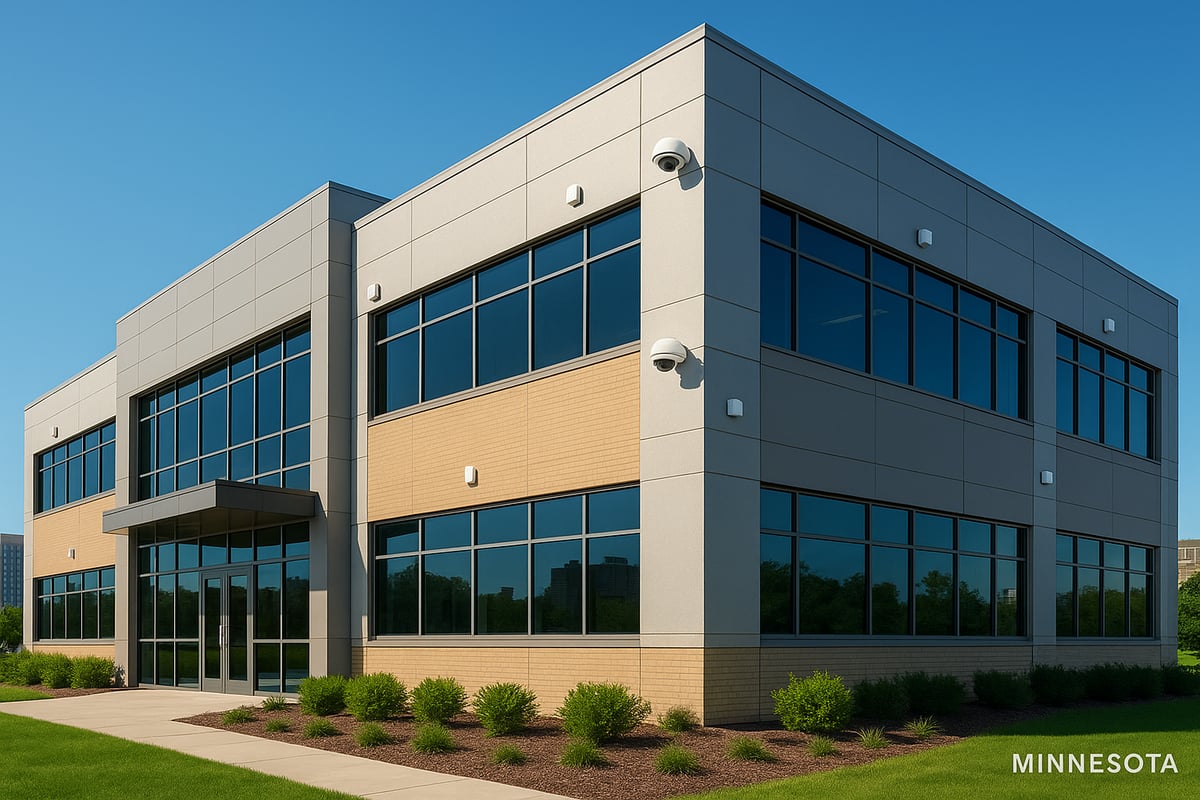
Insurance for building refers to a specialized policy designed to protect the physical structure of residential, commercial, and mixed-use properties. Unlike homeowners insurance, which covers personal belongings and liability for individuals, building insurance focuses on the property itself, including walls, roofs, fixtures, and outbuildings. Key components often include coverage for the main structure, attached features, and external garages or sheds.
For example, a commercial office building in downtown Minneapolis would need tailored protection for its unique risks. Recent data shows that property damage costs from fires and severe weather are rising in Minnesota, making robust coverage more important than ever. Learn more about commercial property insurance coverage options to ensure your investment is fully protected.
Why Building Insurance Is Essential in 2026
With natural disasters in Minnesota becoming more frequent and unpredictable, insurance for building is no longer optional. New regulations require property owners to maintain adequate coverage, especially as severe storms, fires, and flooding cause increasing losses. Building insurance offers financial protection against fire, theft, vandalism, and liability claims—helping you recover quickly from setbacks.
Landlords and property managers also benefit from business continuity support if rental properties are damaged. Did you know that weather-related events now account for nearly 30% of small business insurance claims in Minnesota? Insurance for building is also essential for securing loans and staying compliant with lender requirements.
Types of Building Insurance Policies
There are several types of insurance for building, each designed for specific needs. Commercial property insurance is best for business owners, while landlord insurance covers rental properties. Builder’s risk and construction insurance protect buildings under construction and the materials on-site.
For instance, a new apartment complex in St. Paul would require builder’s risk coverage until construction is complete. Owners, landlords, developers, and contractors each need different policies, and many insurers offer customization for unique property risks in Minnesota’s unpredictable climate.
| Policy Type | Best For | Example in Minnesota |
|---|---|---|
| Commercial | Business Owners | Minneapolis office building |
| Landlord | Rental Properties | St. Cloud multifamily units |
| Builder’s Risk | New Construction | St. Paul apartment complex |
| Construction | Contractors/Developers | Rochester project |
Key Trends and Innovations in 2026
Modern insurance for building is rapidly evolving in Minnesota. Insurers now use technology-driven risk assessment tools, such as smart building sensors, to monitor for fire, water leaks, or unauthorized access in real time. New policy features include coverage for cyber threats, climate resilience upgrades, and green building initiatives.
Data-driven underwriting means premiums are calculated more accurately, rewarding owners who invest in safety. For example, many Minnesota commercial buildings now use IoT sensors to alert owners to potential issues before they become costly claims. Regulatory updates are expected to further shape the insurance landscape in 2026.
Common Misconceptions About Building Insurance
Many Minnesotans mistakenly believe that standard homeowners insurance covers all property risks, but this is not true for commercial or rental buildings. Insurance for building often excludes certain perils, such as flooding or earthquake, unless you add specific endorsements or riders.
Rental properties and construction projects in cities like Rochester or St. Cloud can face serious gaps in coverage if not properly insured. To avoid underinsurance, property owners should review policies regularly, understand exclusions, and work with local experts to ensure every risk is covered. This proactive approach keeps your investment secure.
Core Coverages and Optional Add-Ons
Protecting your property investment in Minnesota requires more than a basic policy. To truly safeguard your building, you need a deep understanding of both core and optional coverages. Let’s break down what makes insurance for building comprehensive, customizable, and essential in 2026.
Core Coverages Explained
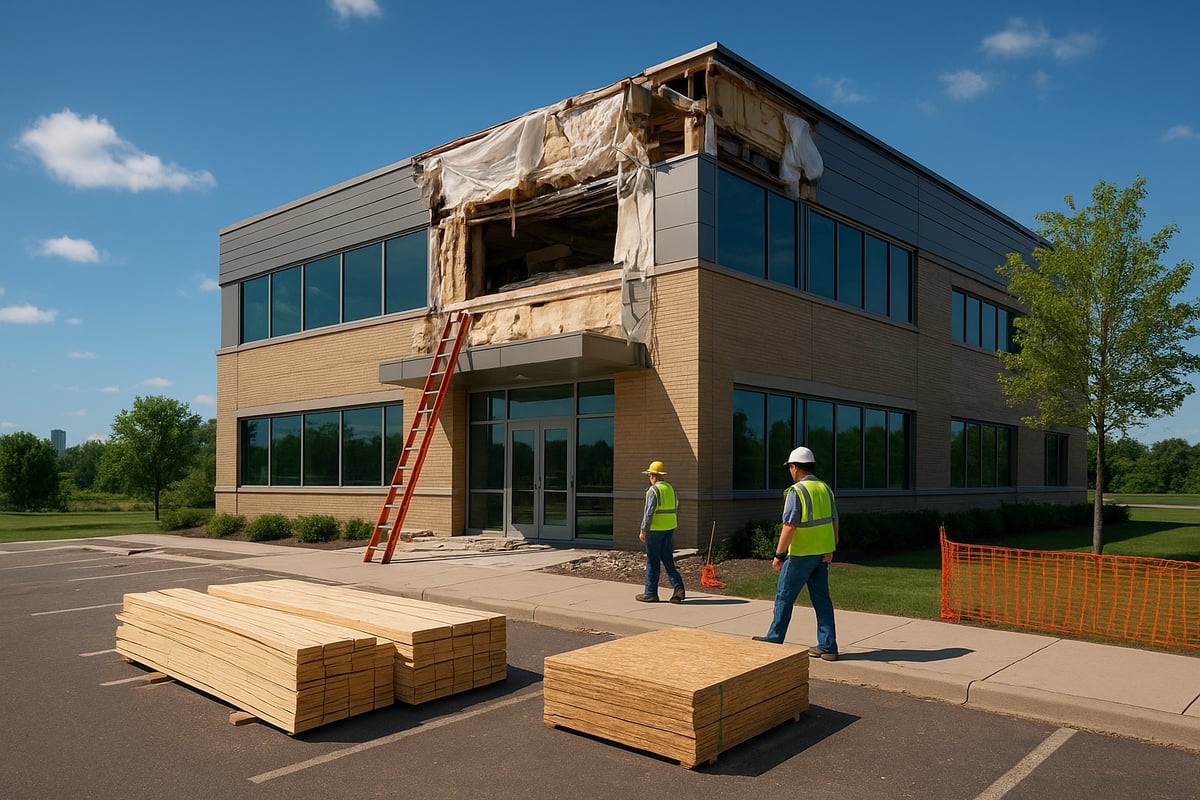
The foundation of any effective insurance for building begins with core coverages that address the most common and costly risks. Property damage coverage pays for repairs or rebuilding after fire, storms, vandalism, or theft—critical for Minnesota businesses facing unpredictable weather. Liability coverage steps in if someone is injured on your premises or if your building damages another property.
Business income or interruption insurance is crucial for maintaining your revenue stream if a disaster, like a fire in a Duluth office building, forces a temporary closure. Workers’ compensation insurance is not just wise—it’s required for most building owners and property managers in Minnesota. For a detailed overview of these requirements, visit Workers’ comp insurance requirements.
Here’s a quick comparison:
| Core Coverage | What It Protects | Minnesota Example |
|---|---|---|
| Property Damage | Structure, fixtures, outbuildings | Tornado damage in Mankato |
| Liability | Bodily injury, property damage | Slip and fall in Minneapolis |
| Business Interruption | Lost income, ongoing expenses | Fire closure in Duluth |
| Workers’ Compensation | Employee injury/illness | Maintenance staff in St. Paul |
Comprehensive insurance for building ensures these basics are covered, giving you confidence to weather any storm.
Optional and Specialized Coverages
While core protections form the backbone, optional add-ons allow you to customize insurance for building to your property’s unique needs. Equipment breakdown coverage steps in if HVAC, boilers, or elevators fail. Ordinance or law coverage pays the extra cost to rebuild your building to current codes—a must for older properties in Saint Paul.
Flood and earthquake insurance are typically excluded from standard policies, but are essential for Minnesota properties near rivers or fault lines. As buildings get smarter, data breach and cyber liability coverage protect against digital threats, especially for those using smart building tech.
For example, adding flood insurance is a smart move for properties lining the Mississippi River, where water levels and risks fluctuate. Tailoring insurance for building with these add-ons closes coverage gaps and keeps you ahead of emerging risks.
Insurance for Buildings Under Construction
Construction projects in Minnesota face unique challenges. Builder’s risk insurance is a specialized insurance for building that protects structures under construction, covering theft, vandalism, and weather damage while work is ongoing. It also covers materials in transit or stored off-site, which is critical if your supplies are sourced from across the state.
Consider a new apartment complex rising in Rochester. Without builder’s risk coverage, a severe thunderstorm or theft of materials could mean costly delays and losses. Securing this insurance for building projects during construction keeps your timeline and budget intact, protecting your investment from the ground up.
Insurance for Landlords and Property Managers
Landlords and property managers have special responsibilities. Landlord insurance, a key insurance for building, protects rental income if a covered loss displaces tenants. Liability coverage shields you if a tenant or visitor is injured on the property.
Employment practices liability is vital for property managers with staff, guarding against claims like wrongful termination or discrimination. Tenant move back expense coverage helps cover costs if tenants must temporarily relocate after a loss.
A commercial landlord managing multiple tenants in St. Cloud would be at high risk without these specialized protections. With robust insurance for building, you safeguard your income, your reputation, and your legal standing.
Choosing the Right Insurance Provider in Minnesota
Selecting the right partner for insurance for building is just as important as the policy itself. Local, independent insurance brokers offer tailored advice and understand the unique risks facing Minnesota properties, from icy winters to tornadoes.
When evaluating providers, look for strong reputations, responsive claims service, and knowledge of Minnesota’s rebuilding costs and regulations. Comparing top-rated insurers in the Twin Cities area can reveal differences in coverage, pricing, and customer support.
Be proactive—review policies annually, especially after major renovations or tenant changes. The right insurance for building, backed by a trusted Minnesota provider, delivers peace of mind and lasting value.
Factors Affecting Building Insurance Costs in 2026
Understanding what drives the cost of insurance for building in Minnesota is crucial for property owners and investors. With changing weather patterns, market dynamics, and regional risks, staying informed can help you optimize your coverage and budget more effectively.

Key Cost Determinants
Several factors directly impact the price of insurance for building in Minnesota. Location is one of the top considerations. Urban areas like Minneapolis and St. Paul may have higher premiums due to increased property values and crime rates, while rural areas might face elevated costs from fire or wind risks.
Building age and construction materials also play a role. Newer buildings with fire-resistant materials and modern safety systems often qualify for lower rates. The building's use—residential, commercial, or mixed-use—affects risk assessment and premium calculations.
A strong claims history and proactive risk mitigation measures, such as installing advanced fire suppression systems, can also lower insurance for building costs. For example, a recently updated office complex in Rochester with robust safety features will often see better rates than an older, less secure structure.
How Coverage Limits and Deductibles Work
Setting the right coverage limits is essential to ensure your insurance for building fully protects your property. The coverage limit should reflect the full replacement value, not just the market value, to avoid financial gaps after a loss.
Deductibles are another key factor. A higher deductible usually means lower premiums, but it also increases your out-of-pocket cost during a claim. Striking the right balance is important. For example, a historical building in Stillwater that recently underwent renovations may need to adjust its limits to reflect the updated value and choose a deductible that suits the owner's risk tolerance.
Avoid underinsurance penalties by regularly reviewing and updating your policy limits, especially after significant upgrades or changes in occupancy. This proactive approach can save you from unpleasant surprises during a claim.
Discounts and Savings Opportunities
There are several ways to reduce the cost of insurance for building in Minnesota. Bundling multiple policies, such as property and liability insurance, with the same provider can unlock significant discounts. Safety upgrades, including monitored security systems and fire alarms, may also qualify you for premium reductions.
Loyalty programs and claims-free rewards are often available for long-term customers. For example, a property management company in Mankato that insures several buildings with one insurer and maintains a clean claims record could benefit from multi-policy and loyalty discounts.
Consider asking your insurance provider about all available savings programs. Even small upgrades, like installing new locks or lighting, can add up to noticeable cost reductions over time.
The Role of Risk Assessment and Inspections
Pre-policy inspections and ongoing risk assessments are standard practices for insurance for building in Minnesota. Insurers may use technology like drones or IoT sensors to evaluate the property’s condition and identify potential hazards.
These inspections help determine the appropriate coverage and premium. For instance, a commercial warehouse in Duluth may be required to undergo annual roof inspections to maintain coverage eligibility and manage risk.
By addressing any issues uncovered during inspections, property owners can often negotiate better rates. Regular maintenance and documentation of safety improvements are key steps in keeping insurance for building costs manageable.
Navigating Rate Increases and Market Fluctuations
Premiums for insurance for building are expected to rise in 2026 due to factors like inflation and severe weather events. In fact, Minnesota home insurance premiums are projected to increase by 15% in 2025, reflecting a broader trend across the state.
To manage rising costs, schedule regular policy reviews and consider adjusting your coverage to match current needs. Work with a local insurance broker to shop for competitive rates and stay informed about market changes. After major weather events, like a series of storms in the Twin Cities, proactive policy management can help you avoid unexpected spikes in premiums.
Staying engaged with your insurance for building provider and making strategic adjustments will help you maintain financial stability and peace of mind as market conditions evolve.
Step-by-Step Guide: Securing Building Insurance in 2026
Navigating insurance for building in 2026 can feel daunting, but a clear, strategic approach transforms the process into an opportunity for true property protection. By following these essential steps, Minnesota property owners, investors, and managers can secure robust coverage and peace of mind. Let’s break down each stage so you can act with confidence.

Step 1: Assess Your Insurance Needs
Start by thoroughly evaluating your property and its unique exposures. Inventory all assets, including the building structure, outbuildings, fixtures, and any special features. Consider whether your insurance for building must cover residential, commercial, or mixed-use spaces, as each comes with distinct risks. Factor in construction status, occupancy, and location, such as a mixed-use property in Bloomington that includes both retail and residential units.
Identify your liabilities, including potential for tenant injuries or business interruptions. This foundational step ensures you select insurance for building tailored to your needs, so you’re never left exposed by an overlooked risk.
Step 2: Gather Documentation and Property Details
Collecting detailed documents is crucial when pursuing insurance for building. Gather property deeds, blueprints, prior insurance policies, and a thorough claims history. Note building specifications like age, square footage, type of construction, and any safety upgrades you’ve completed. In Minnesota, proof of compliance with local building codes is essential, especially for new or renovated properties.
For example, a LEED-certified office building in Minneapolis should document its energy-efficient upgrades. The more comprehensive your records, the smoother your insurance for building application will be.
Step 3: Compare Quotes and Policy Options
Obtain quotes from multiple insurers and independent brokers to ensure you get the best value for your insurance for building. Carefully examine policy exclusions, coverage limits, and optional add-ons. Use online comparison tools or consult an agent for unbiased insights. When reviewing options, consider essential coverages like general liability insurance for buildings, which protects you from third-party claims.
For instance, if you’re comparing builder’s risk policies for a St. Paul construction project, look for competitive rates and comprehensive protection. This research phase is key to finding the right insurance for building.
Step 4: Review Policy Terms and Ask Questions
Before signing, meticulously review all policy terms for your insurance for building. Scrutinize the fine print, paying special attention to exclusions, sub-limits, and claim conditions. Don’t hesitate to ask your agent for clarification on ambiguous terms.
Confirm how the claims process works and the expected response times. For older Minnesota buildings, ensure ordinance or law coverage is included. Taking time to understand your insurance for building agreement today prevents costly surprises tomorrow.
Step 5: Finalize and Maintain Your Coverage
Once satisfied, complete the application and underwriting process for your insurance for building. Set up premium payments and note policy renewal dates in your calendar. Schedule an annual review to update coverage after major renovations or tenant changes.
For example, after renovating a historical property in Stillwater, revisit your policy to ensure it reflects the new building value and features. Maintaining your insurance for building is an ongoing responsibility that protects your investment as circumstances evolve.
Step 6: Manage Claims and Risk Ongoing
If you experience a loss, promptly report the claim and provide all requested documentation for your insurance for building. Work closely with adjusters to ensure fair settlements, and keep communication lines open. Implement risk mitigation strategies, such as regular maintenance and safety upgrades, to reduce future claims.
For example, after a winter pipe burst in Rochester, swift action and thorough documentation can speed up your insurance for building payout. Ongoing risk management not only protects your property but can also help lower future premiums.
Legal, Regulatory, and Compliance Considerations in Minnesota
Understanding legal and regulatory requirements is essential for anyone securing insurance for building in Minnesota. Laws and codes change quickly, and compliance is the foundation for protecting your investment and avoiding costly mistakes.
State and Local Insurance Requirements
Minnesota law sets clear guidelines for insurance for building, whether for commercial, residential, or mixed-use properties. Property owners must carry minimum coverages, especially for fire and liability, to meet both state and lender expectations. Cities like Minneapolis, St. Paul, and Rochester may have additional ordinances, such as higher liability minimums or fire safety mandates for rental properties.
Mortgage lenders often require proof of adequate insurance for building before approving loans, and compliance with these rules is non-negotiable. For a comprehensive overview of policy options and coverage gaps, visit the Minnesota Department of Commerce: Homeowner Policies Overview. Staying informed about these requirements helps you avoid penalties and ensures your property remains protected.
Navigating Building Codes and Ordinances
After a loss, rebuilding in Minnesota often means upgrading to new building codes. Insurance for building should include ordinance or law coverage to bridge the gap between your old structure and current standards. For example, a fire in Duluth could force you to rebuild with updated accessibility features or energy-efficient systems.
Local codes in places like Rochester or St. Paul may require additional safety upgrades or green building components. Always coordinate with your insurer to confirm your policy covers code upgrades, as standard plans may not be enough. Proactive planning ensures you are not left with unexpected expenses when disaster strikes.
Insurance and Tenant/Landlord Laws
Minnesota’s tenant and landlord laws directly impact insurance for building, especially for property managers and owners of multifamily or commercial spaces. Landlords are responsible for maintaining safe premises and must carry insurance that protects against tenant injury claims or property damage.
Disclosure requirements are strict, meaning you must notify tenants of insurance coverage and any changes. In St. Cloud, for instance, multifamily property owners must comply with specific liability standards and provide proof of coverage. Ensuring your insurance for building meets these legal standards reduces risk and fosters trust with tenants.
Staying Ahead of Regulatory Changes in 2026
Major regulatory updates are on the horizon for 2026, especially in areas like climate resilience, cyber liability, and workers’ compensation. Keeping your insurance for building current requires monitoring local code changes and statewide reforms. The Minnesota Department of Labor and Industry recently updated workers’ compensation requirements for construction and building services. Learn more about these changes at Minnesota’s New Workers’ Compensation Requirements.
Stay connected with local agencies and professional associations to receive alerts about new floodplain maps or green building incentives in the Twin Cities. Regular policy reviews and adapting your coverage to regulatory shifts will keep your property and finances secure.
Expert Tips and Best Practices for Building Owners
Staying ahead in 2026 means more than just buying insurance for building protection. Minnesota property owners who actively manage risk, optimize their policies, and understand the claims process consistently see better outcomes. Use these expert tips to help ensure your investment is resilient, compliant, and ready for whatever comes next.
Risk Management and Loss Prevention
Proactive risk management is the cornerstone of effective insurance for building resilience. Preventing losses can lower premiums and reduce disruption.
- Install fire-resistant materials and backup generators, especially in Rochester properties.
- Upgrade locks, add security cameras, and use smart sensors for real-time alerts.
- Perform regular maintenance checks on roofs, HVAC, and plumbing.
Staff training is essential. Teach emergency procedures and create a response plan for severe weather. For example, a Rochester business that installed backup generators avoided major revenue losses during a winter storm. Taking these steps shows insurers you are serious about risk, which can lead to better coverage terms.
Policy Optimization and Coverage Reviews
An annual review of your insurance for building is vital as property needs and regulations shift. Work with an independent broker to compare options and ensure your coverage still fits your property’s profile.
Leverage technology for real-time risk monitoring, especially for properties with smart features. After adding solar panels or completing major renovations, update your policy right away. To stay ahead of market changes, follow Top Trends in Property and Casualty Insurance for 2026 for insights on AI integration, green building incentives, and evolving policy features.
Regular audits can reveal gaps or overlaps in coverage. Optimizing your policy means you are always prepared for new risks and opportunities.
Claims Process: What to Expect and How to Prepare
Being ready for a claim is as important as having insurance for building protection. When a loss occurs in Minnesota, follow these steps for a smooth process:
- Report the claim immediately and provide detailed documentation.
- Take clear photos of all damage and keep receipts for emergency repairs.
- Work closely with your adjuster, asking questions and clarifying next steps.
Avoid common pitfalls such as missing deadlines or failing to document losses. For instance, a Minneapolis office park owner who kept organized maintenance records resolved a vandalism claim quickly and received a full payout. Preparation is your best defense against delays or disputes.
Resources and Support for Minnesota Building Owners
Minnesota property owners have access to valuable resources that enhance insurance for building effectiveness and community safety.
- Contact the Minnesota Department of Commerce for regulatory guidance.
- Join local insurance associations for education and networking.
- Participate in community risk reduction programs, like Freeport’s fire safety outreach.
These resources empower you to stay informed, comply with new regulations, and connect with experts. Building owners who engage with their local community are better prepared for emergencies and regulatory changes, fostering long-term property security.