
Imagine being involved in a car accident, only to find out the other driver has little or no insurance. Suddenly, you face the risk of massive medical bills, lost wages, or even more severe financial setbacks. According to the Insurance Research Council, 1 in 8 drivers in the U.S. is uninsured.
This 2026 guide is here to help you understand uninsured and underinsured motorist coverage and why it is essential for your peace of mind. We’ll break down the basics, compare coverage types, explain state requirements, guide you through the claims process, and share tips to keep you protected.
If you want to safeguard your finances and ensure your family is covered, read on to learn how to make smart insurance choices.
Understanding Uninsured and Underinsured Motorist Coverage
Navigating car insurance can be confusing, especially when it comes to uninsured and underinsured motorist coverage. Many drivers assume their standard policy will protect them in every scenario, but that's not always true. If you're hit by someone with little or no insurance, these specific coverages can be your financial lifeline.
What Is Uninsured Motorist (UM) Coverage?
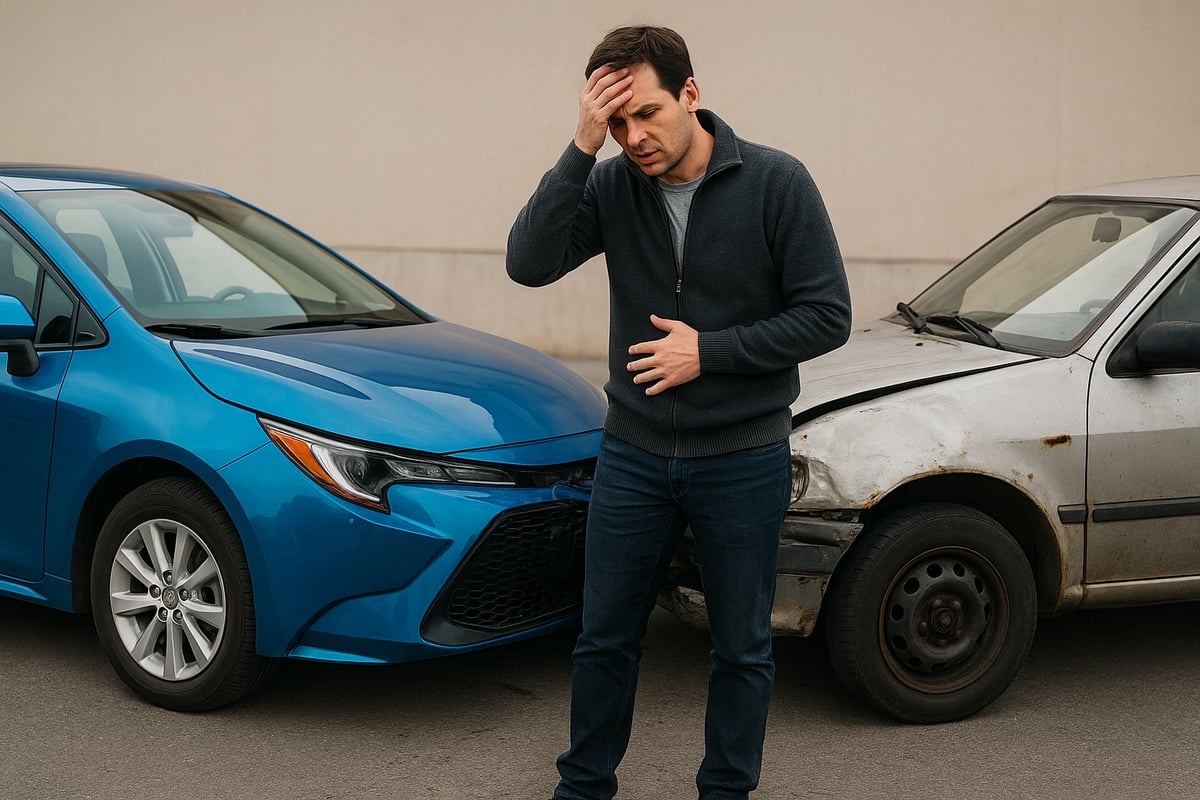
Uninsured motorist coverage is a special part of your auto insurance policy that protects you when the at-fault driver doesn't have insurance. This is more common than you might think. In fact, the Insurance Research Council found that 12.6% of U.S. drivers were uninsured in 2022, so the risk is real. You need uninsured and underinsured motorist coverage to shield yourself from unexpected costs.
UM coverage typically pays for:
- Medical bills for you and your passengers
- Lost wages if injuries keep you from working
- Pain and suffering compensation
- Funeral expenses in tragic cases
Some states make uninsured and underinsured motorist coverage mandatory, while others let you opt out. For example, in states with high uninsured rates, like Mississippi or New Mexico, having UM is especially critical. UM coverage also applies to hit-and-run accidents, offering vital protection when the responsible driver can't be found.
If you want more details on uninsured driver statistics and trends, check out the Insurance Research Council’s 2023 Uninsured and Underinsured Motorists Report.
What Is Underinsured Motorist (UIM) Coverage?
Underinsured motorist coverage fills the gap when the at-fault driver has insurance, but their limits are too low to cover your losses. For example, if you suffer serious injuries and the other driver only has the minimum required coverage, you could face huge out-of-pocket expenses. This is where uninsured and underinsured motorist coverage becomes essential.
UIM covers:
- Medical expenses exceeding the other driver's liability
- Property damage that isn't fully paid for
- Non-economic damages like pain and suffering
Some states require UIM, while others make it optional. Average liability limits often fall short of real-world accident costs, making UIM coverage a smart investment. Imagine being in a severe crash and learning the other driver’s policy maxes out before your hospital bills are paid—UIM steps in to cover the difference.
Key Differences and Similarities Between UM and UIM
Understanding the distinction between UM and UIM is crucial. Both are part of uninsured and underinsured motorist coverage, but they activate under different circumstances.
- UM triggers when the at-fault driver has no insurance, or in hit-and-run cases.
- UIM activates when the at-fault driver has insufficient insurance to cover your damages.
Both cover bodily injury and, in many cases, property damage. Policy limits and payout calculations may differ, but the goal is the same: to protect you from financial harm. Sometimes, both coverages can apply if multiple parties are involved, but each state has its own rules.
Here's a quick table to help clarify:
| Feature | UM Coverage | UIM Coverage |
|---|---|---|
| Applies when | No insurance or hit-and-run | Not enough insurance |
| Covers | Medical, lost wages, pain/suffering | Medical, property, non-economic |
| State requirement | Mandatory/optional | Mandatory/optional |
Types of UM/UIM Coverage: Bodily Injury vs. Property Damage
Uninsured and underinsured motorist coverage comes in two main types: bodily injury (BI) and property damage (PD).
- Uninsured Motorist Bodily Injury (UMBI): Pays for medical costs if you’re hurt by an uninsured driver.
- Uninsured Motorist Property Damage (UMPD): Covers repairs to your vehicle after an accident with an uninsured driver.
- Underinsured Motorist Bodily Injury (UIMBI): Fills in when the other driver’s insurance isn’t enough for your medical expenses.
- Underinsured Motorist Property Damage (UIMPD): Helps with property losses that exceed the at-fault driver’s coverage.
Some states offer only UMBI, while others include UMPD. Check your policy and state laws to determine which types of uninsured and underinsured motorist coverage you need. Always match your coverage to your risk level and local requirements.
State Laws and Requirements for UM/UIM Coverage in 2026
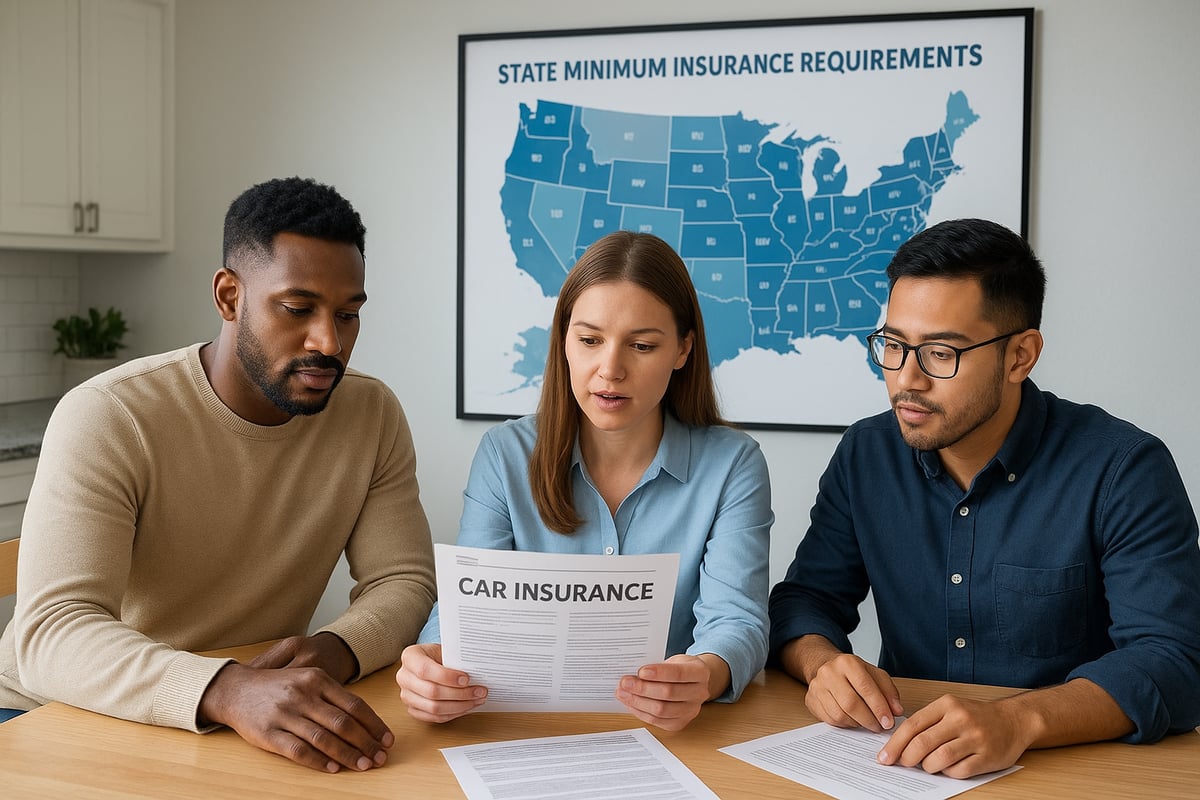
Navigating state laws around uninsured and underinsured motorist coverage is crucial if you want real financial protection. Each state sets its own rules for what’s required, what’s optional, and how claims are handled. Let’s break down what you need to know so you can make confident choices and avoid costly surprises.
States Where UM/UIM Coverage Is Mandatory
Some states require drivers to carry uninsured and underinsured motorist coverage by law, making it non-negotiable if you want to register your car. States like Connecticut, Illinois, and Maryland mandate this coverage, ensuring you are protected if the at-fault driver lacks enough insurance. For example, Connecticut sets minimum limits of $25,000 per person and $50,000 per accident for UM/UIM.
Here’s a quick comparison of select state requirements:
| State | Mandatory Coverage | Min. Limits (per person/per accident) |
|---|---|---|
| Connecticut | UM/UIM | $25,000/$50,000 |
| Illinois | UM/UIM | $25,000/$50,000 |
| Maryland | UM/UIM | $30,000/$60,000 |
| California | UM only | $15,000/$30,000 |
Penalties for not carrying required uninsured and underinsured motorist coverage can include fines, license suspension, or denial of claims. State laws also vary in how high the minimums are set, with some states adjusting for inflation and accident costs. For a full list of requirements, see the 2025 Auto Insurance Minimum Coverage Requirements by State.
Some states have higher percentages of uninsured drivers, making these protections even more critical. Always check your state’s laws before declining any coverage.
States Where UM/UIM Coverage Is Optional or Waivable
In many states, uninsured and underinsured motorist coverage is optional or can be waived if you sign a written form. States like New Hampshire and South Dakota allow you to decline this protection, but you must do so explicitly. The process often involves signing a waiver that confirms you understand the risks.
Opting out may lower your premium, but it exposes you to significant financial risk if you’re hit by an uninsured or underinsured driver. For example, in some states, waivers must be renewed when your policy is updated. If you move or add a new car, you might be required to sign again.
If you’re considering waiving uninsured and underinsured motorist coverage, think twice. The financial consequences could far outweigh any short-term savings.
How State Laws Impact Claims and Payouts
State law doesn’t just set requirements for uninsured and underinsured motorist coverage—it also influences how you file claims and what compensation you can expect. Some states allow “stacking,” which means you can combine coverage from multiple vehicles or policies to increase your payout. Others prohibit stacking, limiting your recovery to a single policy’s limit.
Each state sets its own statute of limitations for filing UM/UIM claims, often ranging from one to three years. If you miss the deadline, your claim may be denied. States also vary in how they handle hit-and-run claims. In some, you’ll need a police report or other proof that you tried to identify the driver.
For example, a family in Pennsylvania successfully stacked two policies for a larger settlement, while a similar claim in Florida was limited by anti-stacking rules. Understanding your state’s approach to uninsured and underinsured motorist coverage can be the difference between a smooth recovery and a financial setback.
Recent and Upcoming Changes in 2026 Legislation
Legislation around uninsured and underinsured motorist coverage is evolving. In 2026, several states are raising minimum coverage limits to better reflect real-world accident costs. New consumer protections are also on the rise, such as stricter requirements for insurers to clearly explain UM/UIM options to policyholders.
Some states are clarifying what constitutes a valid waiver and when new waivers are needed. If you haven’t reviewed your policy recently, now’s the time. Make sure your uninsured and underinsured motorist coverage meets updated state requirements and gives you the protection you deserve.
Stay proactive—review your coverage every year, especially as laws change. This will help you stay compliant and avoid gaps that could cost you thousands.
Who and What Is Covered Under UM/UIM Policies?
Understanding who and what is protected under uninsured and underinsured motorist coverage is essential for maximizing your financial safety. Many drivers assume their policy automatically covers every situation, but the details can be more complex. Knowing the ins and outs of your coverage helps you avoid costly surprises and ensures your loved ones are protected when it matters most.

Who Qualifies as an Insured?
With uninsured and underinsured motorist coverage, protection typically extends beyond just the policyholder. Named insureds, their household family members, and often any passengers riding in the insured vehicle can qualify as insureds under these policies. This means your spouse, children, or even a relative living with you could be covered if they're injured in an accident involving an uninsured or underinsured driver.
Coverage often applies to pedestrians and bicyclists as well. For example, if your child is struck by a car while walking or biking, your uninsured and underinsured motorist coverage may kick in. However, disputes can arise over residency or relationship definitions, so always review your policy's language and consult local statutes for specifics. In California, for instance, the Insurance Code §11580.2 spells out these rules in detail.
Passengers who aren't related to you but are in your car during an accident can also be protected. It's wise to check your policy and state law for the exact scope. For a broader understanding of what your car insurance might cover, visit the Comprehensive car insurance guide.
Vehicles and Situations Typically Covered
Uninsured and underinsured motorist coverage usually applies to vehicles listed on your policy, but it can also extend to non-owned vehicles in certain cases. If you're driving a rental car, company car, or even a borrowed vehicle, your coverage may follow you, depending on policy terms and state regulations.
There are exceptions, though. Commercial vehicles or motorcycles may require separate policies, and using your vehicle for rideshare or delivery services can trigger exclusions. For instance, if you're in an accident while delivering food, your personal policy may not provide uninsured and underinsured motorist coverage unless you have a specific endorsement.
It's important to read your policy carefully and ask your agent about how coverage applies when you're not in your own car. Knowing these details ahead of time can save you from headaches and unexpected bills.
Common Exclusions and Limitations
Every policy has exclusions and limitations, and uninsured and underinsured motorist coverage is no exception. Common exclusions include accidents involving vehicles you own but haven't listed on your policy, or using a car without the owner's permission. Policies often exclude livery vehicles, such as taxis or cars used for rideshare, unless explicitly covered.
Statutory exceptions and anti-stacking rules can also limit payouts, especially if you have multiple vehicles or policies. Some policies deny claims if you settle with the at-fault driver without your insurer's consent. To avoid surprises, watch for hidden exclusions in your policy documents and always notify your insurer before making any agreements.
For example, if you own a second car but forget to add it to your policy, an accident in that car might not be covered by uninsured and underinsured motorist coverage. Careful review and regular updates help you stay protected.
Coverage Scenarios: Real-World Examples
Consider a hit-and-run accident where a pedestrian is injured and the driver flees. In this case, your uninsured and underinsured motorist coverage can provide compensation for medical bills and lost wages. If you have multiple policies with different limits, anti-stacking provisions might determine how much you can claim.
Imagine your family member is injured while riding in a friend's car. Coverage hierarchy matters here, as your personal policy may provide additional protection if the friend's policy is insufficient. In tragic cases involving wrongful death, heirs may have the right to pursue benefits under uninsured and underinsured motorist coverage, ensuring families are not left with overwhelming costs.
Real-life scenarios highlight why understanding your policy's scope and limitations is crucial. By staying informed, you can make sure your coverage works for you when it's needed most.
How UM/UIM Claims Work: Step-by-Step Guide
Navigating a claim for uninsured and underinsured motorist coverage can feel overwhelming, especially when you are recovering from an accident. By understanding each step in the process, you can protect your rights and maximize your financial recovery. Let’s break down the process so you know exactly what to expect and how to avoid costly mistakes.
Step 1: Confirming Your Coverage
Start by reviewing your auto insurance policy declarations page. This document lists all your coverages, including uninsured and underinsured motorist coverage. If you are unsure whether you have this protection, contact your agent or insurer for clarification.
Look for any waivers you may have signed, especially if you declined UM or UIM coverage. In some states, policies automatically include uninsured and underinsured motorist coverage unless you explicitly opt out. Always keep copies of any forms you sign, as these could affect your claim eligibility.
If your policy is silent or unclear, research your state’s statutory requirements. Some states mandate this coverage even if not listed, so you may still be protected. Double-check before assuming you are unprotected.
Step 2: Gathering Evidence and Reporting the Accident
Document everything as soon as possible after the accident. Obtain a police report, take photos of the scene, collect witness information, and save all medical records and repair estimates. These items will support your uninsured and underinsured motorist coverage claim.
If the at-fault driver fled the scene or cannot be identified, report the incident to law enforcement immediately. Many insurers require prompt notification for hit-and-run claims. Notify your insurer in writing as soon as possible, providing all relevant details.
Timely reporting is critical. Missing deadlines or lacking documentation could jeopardize your right to compensation under uninsured and underinsured motorist coverage. Be proactive to protect your interests.
Step 3: Filing Your Claim and Meeting Deadlines
Initiate your uninsured and underinsured motorist coverage claim by contacting your insurer and submitting the necessary forms. Each state sets its own statute of limitations for these claims, often ranging from one to three years, so act quickly.
For UIM claims, you may need to exhaust the at-fault driver’s liability coverage first. Do not settle with the other party’s insurer without your own insurer’s consent, as this could void your claim. Double-check all requirements to avoid pitfalls.
For a detailed look at how to file, you can consult How to file a service claim for step-by-step instructions. Following the correct process ensures your uninsured and underinsured motorist coverage works when you need it most.
Step 4: Navigating the Investigation and Evaluation Process
Once your claim is filed, your insurer will investigate. They may assess liability, review your medical records, and request additional evidence. Expect to undergo independent medical examinations or provide further documentation to support your uninsured and underinsured motorist coverage claim.
If there is a dispute about coverage or damages, your insurer may request arbitration. At this stage, having organized records and clear communication helps resolve issues efficiently. Stay involved and respond promptly to any requests.
Throughout the evaluation, keep your own notes about interactions and decisions. Transparency and persistence can significantly impact the outcome of your uninsured and underinsured motorist coverage claim.
Step 5: Settlement, Arbitration, and Legal Recourse
When the insurer completes their evaluation, they will offer a settlement based on policy limits and your documented damages. Offsets may apply if you received payments from other sources. If you disagree with the amount or liability decision, you may pursue arbitration or, in rare cases, litigation.
Some states have anti-stacking rules, limiting how much you can claim from multiple policies. Understanding these nuances is vital to maximizing your uninsured and underinsured motorist coverage benefits.
Typical settlements vary depending on injury severity, expenses, and policy details. If needed, consult a legal professional to ensure you receive fair compensation.
Step 6: Handling Denials and Appeals
Claims for uninsured and underinsured motorist coverage can be denied for several reasons, such as missing deadlines, insufficient evidence, or policy exclusions. If your claim is denied, carefully review the denial letter and understand the stated reasons.
You have the right to appeal. Gather additional evidence, clarify misunderstandings, and submit a written appeal to your insurer. If you continue to face obstacles, consider seeking help from a legal expert or your state’s insurance department.
Persistence pays off. With the right approach, you can challenge denials and secure the uninsured and underinsured motorist coverage protection you deserve.
Maximizing Your Protection: Choosing the Right UM/UIM Coverage
Securing your financial future starts with understanding how uninsured and underinsured motorist coverage can be tailored to your life. By making informed choices, you protect yourself from devastating expenses if you are ever hit by someone with little or no insurance. Let’s break down how to maximize your protection with strategic decisions.
Assessing Your Personal Risk and Coverage Needs
The first step in maximizing your uninsured and underinsured motorist coverage is to evaluate your unique risks. Consider where you live, how often you drive, and your financial situation. Some states have far higher rates of uninsured drivers than others. For example, recent state-by-state uninsured motorist statistics show the risk varies widely across the country.
If you frequently drive in states with high uninsured rates, higher coverage limits are essential. Think about your medical costs, income, and assets. Would minimum coverage be enough if you were seriously injured? Remember, uninsured and underinsured motorist coverage is your financial safety net when the unexpected happens.
Comparing Policy Options and Limits
There are many ways to customize your uninsured and underinsured motorist coverage. Start by reviewing your policy’s limits. You’ll often see either split limits (such as $50,000/$100,000) or a combined single limit. Higher limits offer greater protection, but also come with higher premiums.
It’s wise to compare several quotes and see how raising your limits impacts cost. You can get customized insurance quotes to find the right balance. Consider optional features like stacking (where allowed) or gap coverage for extra peace of mind. The right policy is one that fits your needs and your budget.
| Feature | Standard Policy | Enhanced Policy |
|---|---|---|
| Bodily Injury | $25,000 | $100,000+ |
| Property Damage | $15,000 | $50,000+ |
| Stacking Allowed | Sometimes | Where legal |
| Premium Cost | Lower | Higher, more coverage |
Tips for Saving on Premiums Without Sacrificing Protection
Protecting yourself with uninsured and underinsured motorist coverage does not mean breaking the bank. There are several ways to keep premiums manageable while maintaining strong coverage. Bundling your auto policy with home or renters insurance can unlock discounts. Choosing a higher deductible may also lower your monthly cost, but be sure you can afford it if you need to file a claim.
Shop around with multiple insurers to find the best deals. Many companies offer discounts for safe driving, loyalty, or paying your policy in full. Remember, your goal is to maximize value, not just minimize cost. The right uninsured and underinsured motorist coverage is an investment in your peace of mind.
Reviewing and Updating Your Coverage Regularly
Life changes, and so should your uninsured and underinsured motorist coverage. Schedule an annual review to make sure your policy still fits your needs. Major events like buying a new car, moving, or adding a teen driver are all reasons to update your coverage.
If you’ve filed a claim, it’s especially important to reassess your policy limits and exclusions. Ask your agent about endorsements or new discounts you might qualify for. Staying proactive keeps your protection strong and ensures you are never caught off guard by gaps in uninsured and underinsured motorist coverage.
Frequently Asked Questions About UM/UIM Coverage
Many drivers have questions about how uninsured and underinsured motorist coverage works. Do you need both UM and UIM? In most cases, yes, as they protect you from different risks. Does your coverage extend to rental cars? Often it does, but check your policy details.
Wondering what happens in out-of-state accidents or if the at-fault driver flees? Your coverage usually follows you and your household members, but state laws can affect claims. If you have health insurance or PIP, UM/UIM may still be vital for costs not covered elsewhere. Always read your policy and ask questions to stay informed.
Avoiding Common Pitfalls and Mistakes with UM/UIM Claims
Navigating uninsured and underinsured motorist coverage can be tricky, especially when small mistakes lead to big financial losses. Many drivers assume their policy will always protect them, but hidden pitfalls can result in denied claims or reduced payouts. Awareness of these common issues is the first step toward safeguarding your rights and maximizing your coverage.
Watch for Exclusions, Waivers, and Deadline Traps
Many policyholders are surprised to find exclusions or waivers buried in their uninsured and underinsured motorist coverage. Failing to review these details can cost you thousands. For example, some states require you to sign a written waiver if you decline coverage. Missing deadlines for claim filing or failing to exhaust the at-fault driver’s liability limits can also void your claim. Accepting a settlement from the other driver without your insurer’s written consent is another common error. For New Mexico drivers, a recent New Mexico Supreme Court Ruling on UM/UIM Coverage Offers clarifies how insurers must present coverage offers and waivers—review these carefully to avoid mistakes.
Do Not Overlook Family Members, Vehicles, or Documentation
It is easy to forget that uninsured and underinsured motorist coverage can extend to household family members, passengers, or even pedestrians in some cases. Not listing all eligible vehicles or drivers on your policy may leave loved ones unprotected. Always document accident details thoroughly: take photos, gather witness statements, and save repair and medical records. In real-life cases, claims have been denied simply because documentation was incomplete or because a family member was not properly listed. When in doubt, consult with an insurance professional or legal advisor to verify your policy covers everyone it should.
Leverage Resources and Take Action Early
If your uninsured and underinsured motorist coverage claim is denied, do not panic. State insurance departments and consumer advocacy groups are valuable resources for dispute resolution. Act quickly—missing a deadline or failing to appeal promptly can close the door to compensation. Review your policy at least once a year, and after any major life change, to ensure you have the right protection in place. Taking these proactive steps will help you avoid common pitfalls and ensure your financial security after an accident.
Article written using RankPill.