
Are you a Minnesota driver wondering how to protect your wallet and your vehicle in 2026? With new regulations and rising risks across the state, understanding vehicle insurance benefits is more important than ever.
This guide will break down the latest coverage options, financial protections, and legal requirements every Minnesota driver must know. You’ll discover cost-saving strategies and expert tips to help you get the most out of your policy.
Staying ahead means knowing how vehicle insurance benefits can shield you from unexpected expenses and give you peace of mind. Get ready to make smart choices and maximize your coverage in Minnesota.
Understanding Vehicle Insurance: Key Concepts and Types
Understanding vehicle insurance benefits is the first step toward protecting yourself and your assets on Minnesota roads. With new laws and risks emerging in 2026, knowing the basics helps you make wise decisions and avoid costly mistakes.
What is Vehicle Insurance?
Vehicle insurance is a contract between you and an insurance provider that offers financial protection when driving in Minnesota. Its primary purpose is to cover costs resulting from accidents, theft, or other unexpected events involving your car, truck, or motorcycle.
When you pay a premium, your insurer helps cover damages or losses according to your policy. This safety net is essential for risk management, helping drivers handle the financial impact of unpredictable situations. Ultimately, vehicle insurance benefits everyone by creating a safer, more secure driving environment.
Main Types of Vehicle Insurance Coverage
There are several core types of vehicle insurance benefits available to Minnesota drivers:
- Liability coverage pays for injuries or damage you cause to others.
- Collision coverage helps repair or replace your vehicle after an accident.
- Comprehensive coverage covers non-collision events like theft, vandalism, hail, or floods.
- Personal injury protection (PIP) and medical payments cover medical expenses for you and your passengers after a crash.
- Uninsured/underinsured motorist coverage protects you if the other driver lacks adequate insurance.
Minnesota law sets minimum required limits for each type. As of 2026, drivers must carry liability coverage of $30,000 per person, $60,000 per accident for bodily injury, and $10,000 for property damage. PIP and uninsured/underinsured coverage are also mandatory.
For a deeper look at each coverage type and how they work in Minnesota, check out the car insurance coverage options available to local drivers.
By selecting the right combination of these vehicle insurance benefits, you can tailor protection to fit your needs and budget.
Optional Add-ons and Special Policies
Beyond the basics, Minnesota drivers can enhance their vehicle insurance benefits with optional add-ons. Some popular choices include:
- Gap insurance for new vehicles, covering the difference between your car's value and what you owe.
- Roadside assistance for emergencies like flat tires or dead batteries.
- Rental reimbursement to pay for a rental car while yours is being repaired.
- Custom equipment coverage for aftermarket upgrades such as sound systems or specialty wheels.
- Rideshare coverage for those driving with services like Uber or Lyft.
- Electric vehicle (EV) and eco-friendly insurance options that reward green driving.
Choosing the right add-ons can provide extra convenience and peace of mind, especially in Minnesota's unpredictable climate.
Who Needs Vehicle Insurance in Minnesota?
Minnesota law requires all vehicle owners and drivers to maintain active insurance. This includes residents of Minneapolis, St. Paul, Duluth, Rochester, and everywhere in between.
Special rules apply to commercial vehicles and fleet operators, who must meet higher coverage standards. Out-of-state drivers who move to Minnesota or new residents must update their policies to comply with local regulations.
Lacking proper vehicle insurance benefits can result in hefty fines, license suspension, or even criminal charges. Staying covered means staying legal and protected on every Minnesota road.
Core Benefits of Vehicle Insurance in 2026
Understanding vehicle insurance benefits is crucial for every Minnesota driver, especially as new risks and regulations emerge in 2026. These benefits go beyond simple protection—they safeguard your finances, your legal standing, and your well-being on the road. Let’s break down the core advantages you can expect from your policy.
Financial Protection Against Unexpected Events
One of the most vital vehicle insurance benefits is financial security when disaster strikes. Whether you’re driving in downtown Minneapolis or rural Minnesota, accidents, theft, and severe weather can happen without warning.
Insurance helps cover the costs of repairing or replacing your vehicle after a collision, hailstorm, or break-in. For example, the average collision claim in Minnesota is over $3,500, while comprehensive claims for hail or flooding often surpass $2,000. Without coverage, these expenses could devastate your budget.
By investing in vehicle insurance benefits, you ensure that unexpected events won’t leave you financially stranded. This peace of mind lets you focus on recovery, not on bills.
Legal Compliance and Peace of Mind
Minnesota law requires every driver to maintain specific levels of insurance coverage. Meeting these requirements is more than a legal checkbox—it’s a shield against hefty fines, license suspension, and even potential jail time.
With vehicle insurance benefits, you drive confidently, knowing you’re compliant with Minnesota’s updated 2026 regulations. If you’re stopped by law enforcement or involved in an accident, proof of insurance keeps you protected from costly penalties.
Legal compliance also brings peace of mind. You can focus on getting from St. Paul to Duluth without worrying about legal repercussions or uninsured driving.
Protection from Liability and Lawsuits
Vehicle insurance benefits extend to protecting you from lawsuits and liability after an accident. If you’re found at fault in a crash on I-94, liability coverage pays for damages and injuries suffered by others.
Consider a scenario where you accidentally rear-end another vehicle. Without coverage, you could be responsible for medical bills, lost wages, and legal fees—costs that can easily exceed $20,000. In Minnesota, there have been real cases where drivers lost their homes or savings due to inadequate liability insurance.
By choosing robust vehicle insurance benefits, you safeguard your assets and avoid the financial devastation of a lawsuit.
Medical Expense Coverage and Personal Injury Benefits
Minnesota’s no-fault insurance system ensures that your policy covers medical expenses for you and your passengers, regardless of who caused the accident. Personal injury protection (PIP) is a core component of vehicle insurance benefits in the state.
After a crash in Rochester or along the North Shore, PIP helps pay for hospital bills, rehabilitation, and even lost wages. The average medical claim from a car accident in Minnesota can range from $3,000 to $8,000, depending on the severity of injuries.
Having these vehicle insurance benefits means you won’t have to choose between your health and your finances if the unexpected happens.
Coverage for Uninsured and Underinsured Motorists
The number of uninsured drivers in Minnesota has been rising, making this benefit more important than ever. If you’re hit by someone without enough coverage, uninsured and underinsured motorist protection steps in to cover your losses.
These vehicle insurance benefits are crucial in 2026, as state data shows that nearly 1 in 8 drivers may lack adequate insurance. For a deeper dive into how this protection works, see this helpful guide on Uninsured and underinsured motorist coverage.
With this safeguard, you can drive the roads of Minnesota knowing you’re protected even when others are not.
How Vehicle Insurance Works: Claims, Premiums, and Payouts
Navigating vehicle insurance benefits in Minnesota means understanding how your policy operates from start to finish. Whether you’re handling a claim, reviewing your premium, or preparing for a policy renewal, knowing each step can help you maximize your coverage and avoid costly surprises. Let’s break down the essential elements every Minnesota driver should know.
The Claims Process Explained
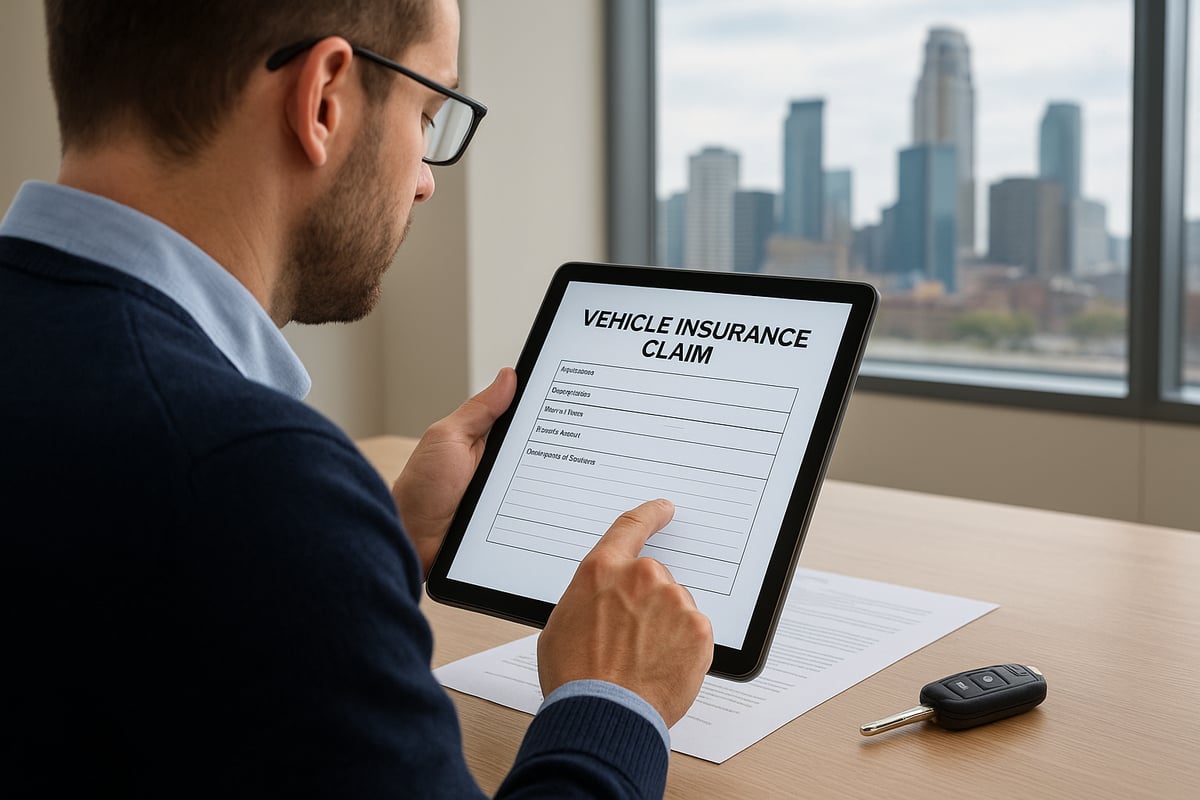
Understanding the claims process is crucial for tapping into your vehicle insurance benefits when accidents or losses occur. Here’s a step-by-step guide for Minnesota drivers:
- Report the Incident: Immediately contact your insurer after an accident, theft, or damage. Share all relevant details and take photos if possible.
- Submit Documentation: Provide a police report (if applicable), repair estimates, and medical bills. Your insurer will specify exactly what’s needed.
- Assessment: An adjuster reviews your claim, inspects damages, and determines the payout based on your policy.
- Resolution: If approved, you receive payment for repairs or replacement, minus your deductible. If denied, you’ll get a written explanation.
Common reasons for claim rejections include incomplete documentation, late reporting, or excluded events. Staying organized and proactive ensures you receive the vehicle insurance benefits you deserve.
How Premiums Are Calculated
Premiums are the price you pay for vehicle insurance benefits, and several factors influence this cost in Minnesota. Insurers look at your:
| Factor | Impact on Premium |
|---|---|
| Age | Younger = Higher |
| Driving Record | Clean = Lower |
| Vehicle Type | Expensive = Higher |
| Location (e.g., St. Paul vs. Duluth) | Urban = Higher |
| Weather Risks | More claims = Higher |
Local weather, accident rates, and even your ZIP code play a role in what you pay. For more details, see Average car insurance costs in Minnesota, which breaks down real numbers by city and risk factor. Remember, understanding these elements helps you make the most of your vehicle insurance benefits.
Understanding Deductibles and Policy Limits
Deductibles and policy limits are at the heart of how vehicle insurance benefits protect you. Your deductible is the amount you pay out-of-pocket before insurance kicks in. Choosing a higher deductible usually lowers your premium but increases your risk during a claim.
Policy limits are the maximum amounts your insurer will pay for a covered loss. In Minnesota, you must select limits that meet state minimums, but higher limits offer better protection. Balancing these factors ensures your vehicle insurance benefits provide enough coverage without straining your budget.
What to Expect During Payouts and Repairs
After your claim is approved, you can expect the insurer to guide you through the payout and repair process. Most Minnesota insurers work with approved repair shops across Minneapolis, Rochester, and the Twin Cities area, offering direct billing for repairs.
Typical timelines for claim resolution range from a few days to a couple of weeks, depending on claim complexity. Staying in touch with your adjuster and using mobile apps can help you track progress and access your vehicle insurance benefits efficiently.
Renewal and Policy Adjustments
Review your policy every renewal period, which is typically every six or twelve months. Updating your information after life changes, like moving to a new city or purchasing a different vehicle, ensures your vehicle insurance benefits stay relevant.
Late renewals or coverage lapses can lead to penalties or higher premiums. Take time to compare options and adjust your policy as needed to maintain your financial protection.
Maximizing Your Vehicle Insurance Benefits
Unlocking the full potential of your vehicle insurance benefits can make a real difference for Minnesota drivers. With the right approach, you can protect yourself, save money, and make sure your policy truly matches your lifestyle. Let's explore step-by-step how to get the most value from your coverage.

Choosing the Right Coverage for Your Needs
Selecting the best coverage is the foundation of maximizing vehicle insurance benefits. Start by evaluating your driving habits—do you commute daily in Minneapolis or take occasional trips through Duluth? Consider your vehicle's value, whether it is a new EV or a trusted pickup, and your comfort with risk.
Compare Minnesota's legal minimums with enhanced coverage options. While state law sets a baseline, adding collision, comprehensive, or higher liability limits can offer stronger protection. Assess if you need extras like roadside assistance or rental reimbursement, especially if you travel frequently during winter months. The right choices ensure your vehicle insurance benefits are tailored for your unique situation.
Cost-Saving Strategies and Discounts
Minnesota drivers have many ways to boost vehicle insurance benefits while reducing costs. Look for multi-policy savings by bundling auto and home insurance. Safe driver discounts reward those with clean records, while low-mileage programs benefit those who drive less around Rochester or St. Cloud.
Check for Minnesota-specific programs, like defensive driving course discounts or green car incentives for hybrid and EV owners. For more detailed ideas, you can read about insurance cost-saving strategies, which can help you identify additional opportunities to save. Every discount you unlock increases the value of your vehicle insurance benefits.
Keeping Your Premiums Low
Keeping premiums affordable is a key part of maximizing vehicle insurance benefits. Maintain a clean driving record by avoiding tickets and accidents. Your credit score and payment history also play a big role in what you pay, so paying bills on time is crucial.
Equip your vehicle with safety features, such as anti-lock brakes and theft deterrents, to qualify for more discounts. If you drive an EV in Bloomington, mention it to your insurer for possible eco-friendly savings. Regularly reviewing your policy ensures you are not paying for coverage you no longer need, making your vehicle insurance benefits more cost-effective.
Avoiding Common Pitfalls and Mistakes
Even the best-intentioned drivers can make mistakes that limit their vehicle insurance benefits. Avoid over-insuring by paying for coverage you do not need, or under-insuring by carrying only the minimum required. Both can leave you financially exposed.
Update your policy after major life changes, like moving to a new home in Eagan, getting married, or buying a new car. Review your coverage annually to catch outdated details and missed discounts. Staying proactive helps you maximize your vehicle insurance benefits and avoid costly surprises.
Leveraging Technology and Digital Tools
Modern technology gives Minnesota drivers more ways than ever to maximize vehicle insurance benefits. Usage-based insurance, powered by telematics, rewards safe driving in real time—perfect for families in Saint Paul looking to save. Many insurers now offer mobile apps for claims, roadside assistance, and policy management.
With digital tools, you can track your driving habits, access ID cards instantly, and get alerts for renewals or policy changes. Embracing these innovations not only makes managing your vehicle insurance benefits easier, but can also unlock extra discounts and streamline your experience.
Special Considerations for Minnesota Drivers in 2026
Minnesota drivers face unique challenges in 2026, and understanding these special considerations is key to maximizing your vehicle insurance benefits. From unpredictable weather to evolving vehicle types and new insurance laws, staying informed will ensure you are protected in every situation.
Weather-Related Risks and Insurance Implications
Minnesota’s weather is notorious for its unpredictability. In 2026, increased hail, snowstorms, and flooding events have made comprehensive coverage more crucial than ever. Drivers in Duluth, Rochester, and Saint Paul have seen firsthand how storms can cause sudden vehicle damage or loss.
Comprehensive insurance, a key part of vehicle insurance benefits, helps protect against these climate-specific risks. For example, a single hailstorm in Minneapolis can cause thousands in damages. Before choosing your policy, review Minnesota’s 2026 auto insurance requirements to ensure your coverage meets updated standards for weather-related claims.
Urban vs. Rural Coverage Needs
City drivers in Minneapolis and Saint Paul face different risks compared to those in Greater Minnesota. Urban areas often see higher accident rates, car theft, and vandalism, which can influence your vehicle insurance benefits. Rural drivers, from places like Bemidji or Mankato, may have fewer accidents but face deer collisions and longer response times for roadside assistance.
Consider these differences:
- Urban: Higher premiums, more theft/vandalism claims, quicker repair access.
- Rural: Lower premiums, wildlife collisions, limited repair shops.
Review your policy regularly to make sure your vehicle insurance benefits align with your specific location and driving needs.
Insurance for Electric and Hybrid Vehicles
The number of electric vehicles (EVs) and hybrids on Minnesota roads is growing rapidly. If you’re driving a Tesla in Minneapolis or a Toyota Prius in Duluth, you’ll want to explore specialized vehicle insurance benefits. These may include coverage for charging stations, battery replacement, and even discounts for eco-friendly choices.
Many insurers now offer incentives for EV owners, recognizing their commitment to sustainability. As you compare policies, look for Minnesota-specific perks, such as rebates or lower premiums for low-emission vehicles. This ensures your vehicle insurance benefits support both your wallet and the environment.
Commercial Vehicle and Rideshare Insurance
Business owners and gig economy drivers in Minnesota have special insurance needs. If you operate a delivery van in Saint Cloud or drive for a rideshare service in Minneapolis, standard policies may not provide enough protection. Specialized coverage is essential to maximize your vehicle insurance benefits and stay compliant with state laws.
For tailored policies that address commercial use, cargo, and liability, review options for commercial auto insurance in Minnesota. This ensures your business vehicles and rideshare activities are fully protected in any situation.
Recent Legal and Regulatory Changes
Minnesota’s vehicle insurance laws continue to evolve, impacting your vehicle insurance benefits. In 2026, new regulations affect minimum coverage amounts, claims processes, and documentation requirements. For instance, updates may require higher liability limits or expanded personal injury protection for all drivers in places like Moorhead and Winona.
Stay informed by reviewing legislative updates and discussing changes with your insurance provider. Regularly checking for new requirements will help you avoid penalties and guarantee your vehicle insurance benefits remain up to date and effective.
Frequently Asked Questions About Vehicle Insurance Benefits
Minnesota drivers often have questions about vehicle insurance benefits, especially with recent changes in 2026. Below, you'll find clear answers to the most common questions, helping you make confident decisions about your coverage in Minneapolis, St. Paul, Duluth, and beyond.
What is the minimum vehicle insurance required in Minnesota?
To legally drive in Minnesota, you must carry specific vehicle insurance benefits. The minimum requirements include liability coverage, personal injury protection, and uninsured motorist coverage. For a detailed breakdown of these updated requirements, review Minnesota’s 2025-2026 vehicle insurance legislation. Meeting these standards protects you from costly penalties and ensures you are covered in case of an accident.
How do I file a claim after an accident?
After an accident in Minnesota, report the incident to your insurer as soon as possible. Provide details such as your policy number, accident location, and a description of damages. Submit any required documents, including photos and police reports, for your vehicle insurance benefits claim. Most providers offer mobile apps to streamline this process, making it easier for drivers from Rochester to Moorhead.
What factors affect my premium the most?
Several factors influence the cost of your vehicle insurance benefits. These include your driving history, age, vehicle type, and where you live in Minnesota. Urban areas like Minneapolis may see higher premiums due to increased accident risks, while rural drivers might pay less. Your credit score and past claims also play a role in determining your rates.
Can I switch insurance providers mid-policy?
Yes, Minnesota drivers can switch providers at any time without losing their vehicle insurance benefits. Before making the change, compare coverage options and pricing. Notify your current insurer in writing to avoid coverage gaps. Switching can help you find better rates or additional benefits, especially if your needs have changed.
How does vehicle insurance cover rental cars?
Most standard vehicle insurance benefits in Minnesota extend to rental vehicles if you use them temporarily after an accident. Check your policy details for limits on coverage amounts and types of rental vehicles. Some policies offer additional rental reimbursement, so review your options before renting in places like St. Cloud or Mankato.
What should I do if my claim is denied?
If your vehicle insurance benefits claim is denied, first review the denial letter for specific reasons. Common issues include missing documentation or excluded events. Contact your insurer to clarify or appeal the decision. You may also seek advice from the Minnesota Department of Commerce or an independent agent for support.
Are there special considerations for teen or senior drivers?
Yes, both teen and senior drivers have unique vehicle insurance benefits needs in Minnesota. Teens often face higher premiums due to inexperience, but discounts may be available for good grades or driver education. Seniors in areas like Bloomington can benefit from defensive driving courses and may qualify for age-related discounts, making coverage more affordable.