
Are you ready for the changes coming to the property policy landscape in 2026? With risks rising across Minnesota, it’s more important than ever to understand how your property policy works and what it covers. This essential guide will break down key property policy terms, explore new 2026 updates, and give you actionable steps to protect your assets. You’ll learn about coverage types, common exclusions, and the latest compliance requirements. Whether you own a home or run a business, staying informed helps you avoid costly surprises. Follow this guide to secure robust protection and move forward with confidence.
Understanding Property Policy Fundamentals
Minnesota property owners face unique challenges, and understanding the basics of a property policy is crucial for robust protection. Let’s break down the essentials so you can make informed choices and avoid costly mistakes.

Defining “Property” in Insurance Terms
In a property policy, “property” refers to both real property and personal property. Real property covers land, buildings, and anything permanently attached, like fixtures or built-in machinery. Personal property includes movable assets: furniture, computers, raw materials, and finished goods.
For example, if you own an office building in St. Paul, the building itself is real property, while the desks, monitors, and inventory inside are personal property. This distinction matters because your property policy sets different coverage limits and valuation methods for each.
Industry standards in Minnesota separate building and personal property when determining value and claims. Knowing what counts as covered property helps you avoid underinsurance and ensures you’re protected when it matters most.
| Property Type | Example in Minnesota | Covered by Policy? |
|---|---|---|
| Building (Real) | Minneapolis office building | Yes |
| Personal Property | Inventory in Duluth store | Yes |
Types of Property Policies Available
Minnesota property owners can choose from several types of property policy options. The Standard Property Policy (SPP) covers buildings that may not qualify for broader options, while a Commercial Package Policy (CPP) often includes more comprehensive coverage for eligible properties.
Residential property insurance covers homes and condos, while commercial property insurance protects businesses, warehouses, and offices. For instance, an older building in Minneapolis might be best served by an SPP, especially if it doesn’t meet CPP criteria.
The SPP typically insures the building, fixtures, machinery, and repair materials. Matching the right property policy to your needs is vital. For a deeper dive into business-focused coverage, check out Business Property Coverage Explained.
Core Components of a Property Policy
Every property policy includes several core components:
- Coverage Sections: Building, contents, loss of use, and additional coverages.
- Policy Limits and Deductibles: Maximum payouts and your share of any claim.
- Valuation Methods: Replacement cost (new for old) or actual cash value (depreciated).
- Sub-limits: Special limits for certain items, like electronics or artwork.
For example, many Minnesota policies include coverage for debris removal after a storm, or pollution cleanup if a spill occurs. Most property policy contracts also provide extra expense and debris removal, ensuring businesses can recover quickly.
Understanding these elements helps you avoid surprises, especially during claims.
Key Terms and Provisions Explained
A property policy contains specific terms that define coverage and responsibilities. Key definitions include:
- Insured: The person or business covered.
- Premises: The specific location insured.
- Covered Perils: Events the policy protects against, like fire or theft.
- Exclusions: What is not covered.
Other important sections are the declarations page, insuring agreement, policy conditions, and endorsements that modify coverage. For example, in a Minnesota policy, “covered cause of loss” might include wind damage but exclude flooding.
Policy language varies by insurer and state, so always review definitions. Clear understanding prevents disputes and ensures you have the protection you expect from your property policy.
The Role of Insurance Agents and Brokers
Insurance agents and brokers play a crucial role in optimizing your property policy. They help assess your property’s value, identify specific risks, and recommend the right coverage for Minnesota’s unique climate.
Working with a local agent in areas like Stearns County or the Twin Cities means you benefit from regional expertise. For example, an agent might suggest additional endorsements for farm property or snow load coverage for rural homes.
Independent brokers offer access to multiple carriers, providing options that best fit your needs. Their professional advice ensures your property policy offers comprehensive protection and keeps you one step ahead of unexpected losses.
What Property Policies Cover—and What They Don’t
Understanding what a property policy covers is the first step to safeguarding your assets in Minnesota. Coverage specifics can make the difference between a smooth recovery and a costly setback. Let’s break down the inclusions, exclusions, and special considerations every property owner in Minnesota should know.

Standard Inclusions in Property Policies
A standard property policy typically protects the core physical assets of your business or residence. This includes:
- Buildings and completed additions
- Fixtures and machinery
- Personal property inside the building, such as furniture, inventory, and equipment
- Materials and supplies for repairs or renovations
For example, if you lease equipment in a St. Cloud warehouse, your property policy can extend coverage to those items as well. Most policies automatically include protection for business stock and even tenant-owned property. Still, the scope of a property policy varies, so always review your declarations to confirm what is included. Broad coverage is common, but details matter.
Common Exclusions and Limitations
Every property policy comes with exclusions that can catch owners off guard. Typical exclusions are:
- Money, securities, and valuable documents like deeds
- Animals (except for farm stock)
- Illegal goods or contraband
- Underground structures and excavation costs
- Items insured elsewhere
Imagine a retail business in Minnesota: if cash is stolen from the safe, your property policy likely will not cover it. These exclusions are standard across most insurers. To avoid unpleasant surprises, make it a habit to review exclusions each year and ask your agent for clarification.
Optional and Endorsed Coverages
Minnesota’s unpredictable weather and unique risks mean standard coverage is not always enough. Many property owners add endorsements for:
- Wind, hail, smoke, aircraft, and vehicle damage
- Vandalism and sprinkler leakage
- Business interruption
- Ordinance or law upgrades
- Equipment breakdown
If your property sits near the Mississippi River, you might add flood insurance as an endorsement. Optional coverages are designed to address specific regional threats, so customizing your property policy ensures you’re not left exposed. For a comprehensive look at what’s available, check out this Commercial Property Insurance Overview.
Special Considerations for Minnesota Properties
Minnesota properties face distinctive risks, from heavy snow loads to tornadoes and spring floods. Regional endorsements are often necessary, such as:
- Sewer backup protection
- Ice dam coverage
- Flood or water damage endorsements
A property policy tailored for the Twin Cities may differ from one in rural Minnesota. For example, policies in Duluth might prioritize snow and ice protection, while those in Mankato could focus on tornado risks. Understanding Minnesota’s climate-related hazards is crucial for full protection.
Claims Process and Documentation
When disaster strikes, a well-documented claim can speed up your recovery. The typical process involves:
- Notifying your insurer immediately
- Gathering and submitting evidence, including photos and inventory lists
- Working with adjusters to assess damage
Take a storm in Freeport, MN—accurate property valuations and up-to-date records can make the difference between a quick settlement and a drawn-out dispute. Timely documentation is key, so keep your property policy paperwork and photos current. This preparation can save you time and stress during a claim.
Real-World Claims Scenarios
Real-life examples highlight the importance of understanding your property policy. Consider a Duluth business where fire damages both the building and its inventory. If your policy only covers the structure but not the contents, losses can quickly mount. In another case, theft of business equipment in Rochester might not be covered if the policy excludes certain perils.
Data shows that most claims in Minnesota involve weather, fire, or theft. Reviewing these scenarios helps you identify gaps in your property policy, ensuring you’re not left vulnerable when it matters most.
Factors Influencing Property Policy Decisions in 2026
As you prepare your property policy for 2026, understanding the factors that impact your choices is essential. Making informed decisions now can help you avoid costly surprises later. Let’s break down what truly matters for Minnesota property owners and businesses.

Property Value Assessment and Appraisals
Keeping your property policy up to date starts with accurate property value assessment. Regular professional appraisals, whether through market value or cost approach, ensure your coverage matches your real risks. For example, in Rochester, annual reassessment is common for commercial buildings.
When property values aren’t updated, underinsurance can lead to denied or reduced claims. Review all improvements and inflation adjustments every year. Accurate valuation is the foundation of a solid property policy and gives you peace of mind when disaster strikes.
Risk Assessment and Mitigation Strategies
Evaluating risk is critical for any property policy. Assess exposures like fire, theft, and Minnesota’s extreme weather. Installing alarms, sprinklers, and quality security systems can dramatically reduce your insurance costs.
Minnesota warehouses with updated fire suppression systems, for instance, often secure better rates. Properties that actively mitigate risk not only enjoy lower premiums but also experience fewer losses. Taking a proactive stance on risk management is a smart move for your property policy.
Location-Specific Risks and Zoning
Where your property sits in Minnesota can change everything about your property policy. Urban properties in Minneapolis face different risks than rural sites in Stearns County. Floodplain locations along the Minnesota River may require additional flood coverage.
Always monitor local zoning ordinances, as changes may affect both insurability and coverage needs. Being aware of your property’s unique geographic and regulatory risks ensures your property policy is tailored and effective.
Policy Deductibles and Premium Calculations
Choosing the right deductible is a balancing act for your property policy. Higher deductibles mean lower premiums, but also more out-of-pocket costs if you need to file a claim. In St. Paul, large commercial properties often select higher deductibles to manage cash flow.
Consider your risk tolerance and financial situation when setting deductibles. The right deductible can make your property policy both affordable and protective, ensuring you’re not left vulnerable when it matters most.
Insurer Reputation and Financial Strength
Not all insurers are created equal, and the company behind your property policy matters. Choose insurers with strong reputations and financial strength, preferably those with a solid presence in Minnesota. Check independent ratings from agencies like AM Best or Moody’s.
Regional carriers familiar with Minnesota’s risks often pay claims more promptly. Remember, a lower premium from an unreliable carrier can cost you far more in the long run if your claim is delayed or denied. Trust is a crucial part of your property policy decision.
Regulatory and Compliance Considerations
Every property policy must comply with Minnesota’s evolving regulations. New state and federal requirements for 2026 could affect building codes, fire safety, and environmental standards. For details on upcoming coverage expansions and limits, consult the 2026 Coverage Changes – League of Minnesota Cities.
Non-compliance can void your property policy, leaving you exposed. Stay updated on legal requirements so your policy remains valid and your assets are protected.
Major Changes and Trends in Property Policy for 2026
2026 is shaping up to be a pivotal year for property policy in Minnesota. With legislative changes, evolving risks, and new technology, both property owners and businesses must stay alert to protect their investments. Let’s break down exactly what’s changing and how you can stay ahead.
Regulatory Updates Impacting Property Policies
Minnesota property policy holders will face new regulatory requirements in 2026. Both state and federal laws are tightening minimum coverage standards, especially for storm and flood risks. For example, Minnesota’s legislature now mandates enhanced flood insurance for properties in high-risk zones.
Review these key changes:
- Increased minimum coverage for storm-related losses
- Stricter documentation for claims, especially after severe weather
- New compliance checks for building safety codes
Legislative trends show rising standards for property policy, making early review critical. If you own property in Minneapolis or Rochester, now’s the time to verify your compliance before renewal.
Evolving Risks: Climate, Technology, and Economy
Property policy in Minnesota must now account for more volatile weather, cyber threats, and economic uncertainty. The 2025 tornado season saw a record number of claims in the Twin Cities. Severe storms, rising flood risk, and even supply chain disruptions have all contributed to a 15 percent spike in weather-related claims across the Midwest.
Technology brings both risk and opportunity. Smart security systems can deter theft, but cyberattacks on building infrastructure are a growing concern. Property policy needs to evolve, covering both real and digital vulnerabilities.
Regularly reassess your risks and ask your agent about new threats impacting Minnesota properties.
Advances in Property Valuation and Underwriting
The property policy landscape is being transformed by new technology. Insurers now use AI, drones, and remote sensing to appraise properties more accurately. In Minneapolis, drone inspections have become standard for large warehouses, reducing the time and disputes involved in claims.
Automated valuations mean fewer errors and help ensure your coverage matches real property values. This technology also speeds up the underwriting process, letting you secure or update your property policy faster than ever before.
Stay informed about these advances, and ask your insurer if they use modern appraisal tools.
Sustainability and Green Coverage Options
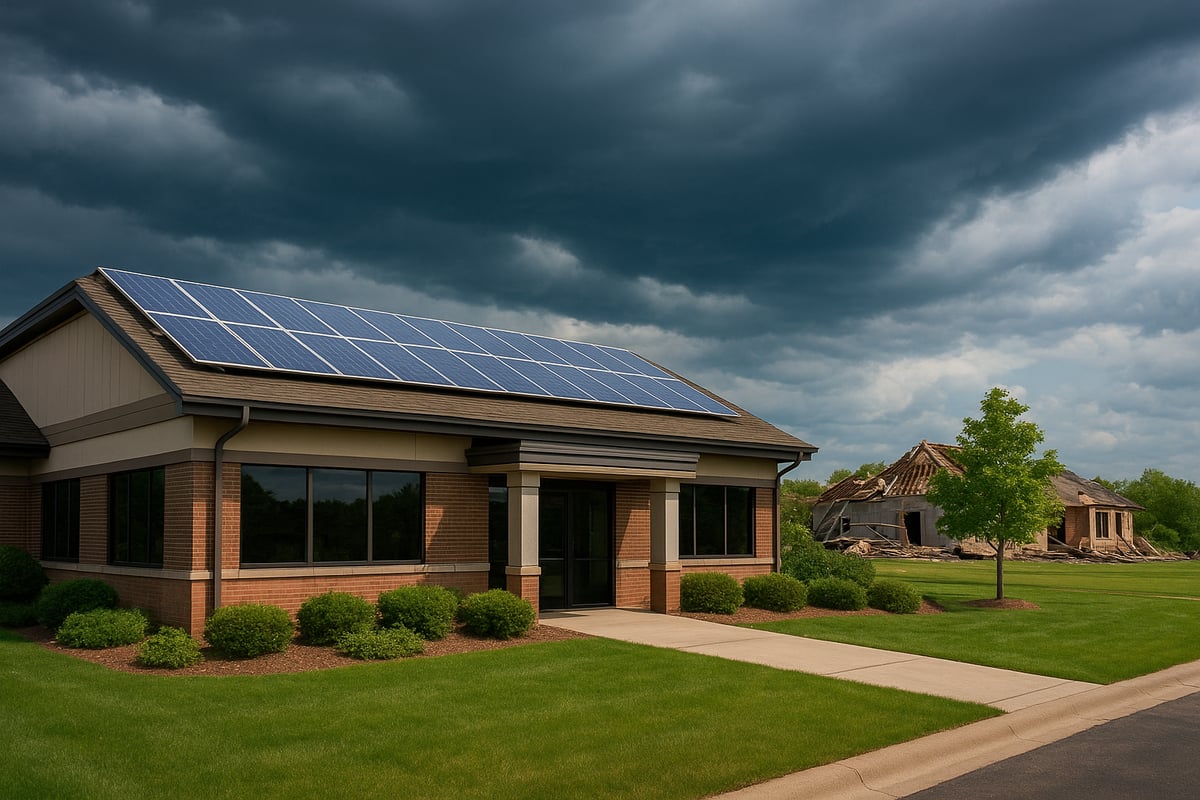
Minnesota property policy options for 2026 increasingly include coverage for green upgrades and energy efficiency. Property owners in St. Cloud are adding solar panels and qualifying for green endorsements that cover the cost to rebuild sustainably after a loss.
Consider this table comparing traditional and green coverage options:
| Feature | Traditional Policy | Green Endorsement |
|---|---|---|
| Solar Panel Coverage | No | Yes |
| Energy Efficiency Upgrades | No | Yes |
| Premium Impact | Standard | 5-10% higher |
About 30 percent of new policies in Minnesota now include green building options. Ask your agent about these endorsements to future-proof your property policy.
Market Trends: Premiums, Availability, and Competition
Property policy premiums are on the rise in Minnesota, especially after the 2025 flooding in the south. According to Minnesota Homeowners Insurance Premiums Jump Double Digits, average premiums are projected to climb 8 percent statewide, with some homeowners seeing double-digit increases.
- High-risk zones (like the Minnesota River valley) face the largest hikes
- Competition among insurers remains strong in low-risk areas
- Shopping around is crucial to avoid overpaying
Review your property policy annually and compare quotes to ensure you’re not missing out on better rates or coverage.
Customizing Coverage for Business and Personal Needs
No two properties are alike, and the best property policy is one tailored to your specific needs. Farms in Stearns County, condos in downtown Minneapolis, and mixed-use buildings all require specialized endorsements.
For example:
- Farms may need extra protection for equipment and outbuildings
- Condo owners must coordinate with association master policies
- Businesses can add endorsements for cyber risk or business interruption
Work with your agent to customize your property policy, ensuring every asset is covered.
Preparing for Renewal: 2026 Checklist
A proactive approach to property policy renewal can save you money and heartache later. Use this simple checklist:
- Review your current policy for changes or gaps
- Update your property inventory with new purchases or renovations
- Reassess risks, especially after local weather events
- Compare quotes from multiple insurers
- Schedule an annual meeting with your insurance agent
Minnesota property owners who review their policy each year reduce their risk of coverage gaps by 20 percent. Don’t wait until renewal—prepare now for a smoother, more confident 2026.
Practical Steps to Optimize Your Property Policy
Optimizing your property policy is not just about buying a policy and forgetting it. Instead, it’s an ongoing process that protects your Minnesota assets, keeps your coverage relevant, and helps you respond confidently to claims. Follow these six practical steps to make sure your property policy delivers the security you expect.
Step 1: Conduct a Comprehensive Property Audit
Start by taking a detailed inventory of every asset covered by your property policy. List your Minnesota buildings, equipment, inventory, and even landscaping. Use digital tools or spreadsheets so nothing is overlooked.
Photograph and document each major item. This record is vital if you ever need to file a claim. For example, a Freeport manufacturing facility can streamline claims by keeping updated photos and serial numbers of machinery.
A thorough audit helps you verify that your property policy limits are accurate. Accurate audits reduce disputes and speed up settlements. Don’t underestimate the value of this foundational step.
Step 2: Identify and Address Coverage Gaps
Next, compare your current property policy against your actual risks and property values. Many policyholders in Minnesota only discover gaps after a disaster strikes. Work with an insurance professional for a gap analysis—especially if your property includes special features or is in a high-risk zone.
For instance, a St. Paul business may find it lacks flood protection, a costly oversight given recent weather events. According to industry data, one in four claims is denied due to uncovered perils.
If you’re unsure how to spot gaps, resources like Insurance for Building Protection can help you understand what your property policy should include.
Step 3: Evaluate Policy Options and Endorsements
Review all available endorsements and optional coverages that could strengthen your property policy. Don’t just settle for the standard package—consider options like equipment breakdown, cyber risk, or green building endorsements.
For example, adding equipment breakdown coverage can be vital for a Minneapolis tech company. While endorsements may increase your premium by 10 to 15 percent, the added protection can save your business during a crisis.
Balance the cost of each endorsement with the risks your Minnesota property faces. Customizing your property policy ensures you’re not paying for coverage you don’t need, while avoiding costly gaps.
Step 4: Implement Risk Management Improvements
Upgrading your property’s safety features can pay off in more ways than one. Install fire alarms, sprinkler systems, and security cameras. Regularly maintain roofs, windows, and HVAC systems to prevent claims.
A St. Cloud warehouse that installs a modern sprinkler system often qualifies for premium discounts. According to recent data, Minnesota properties with recent safety upgrades see premiums drop by 5 to 10 percent.
Risk management is a win-win: you reduce the likelihood of loss and make your property policy more affordable. Document all improvements so your insurer can factor them into your rates.
Step 5: Review and Update Annually
Schedule an annual review of your property policy with your agent or broker. This helps you catch any changes, such as renovations, new acquisitions, or shifting risks in your Minnesota neighborhood.
Use a checklist: update your property inventory, reassess risks, and compare quotes from multiple carriers. Staying current with local laws is critical. For more on state requirements, visit the Rules and Regulations / Minnesota.gov page.
Regular updates prevent underinsurance and reduce the chance of claim issues. Make this review part of your business’s annual routine.
Step 6: Prepare for Claims Before They Happen
The best time to get ready for a claim is before disaster strikes. Organize your documentation, know your insurer’s claim process, and save important contact numbers.
For Minnesota’s storm season, create an emergency claim kit with photos, receipts, and inventory lists. Prepared policyholders settle claims up to 30 percent faster than those who scramble after a loss.
Preparation gives you peace of mind and ensures your property policy works when you need it most. Don’t wait for a crisis—be ready now.
Frequently Asked Questions About Property Policy for 2026
Property owners across Minnesota have important questions about how their property policy will protect them in 2026. Get clear answers below to ensure you’re confident and prepared.
What’s the difference between building and personal property coverage?
Understanding your property policy starts with knowing what’s covered. Building coverage insures the physical structure, including walls, roof, fixtures, and permanently installed equipment. Personal property coverage, on the other hand, protects movable items like furniture, computers, inventory, and tools inside the building.
For example, a St. Cloud office building’s structure would be under building coverage, while the desks and computers inside fall under personal property. Both types matter because 60% of claims in Minnesota involve losses to both. Having both in your property policy ensures you’re not left with costly gaps if disaster strikes.
Are natural disasters like floods and tornadoes covered in Minnesota?
Standard property policy exclusions often leave out flood and certain storm coverage, which can catch many Minnesota property owners off guard. For example, after the 2025 floods in southern Minnesota, only 20% of affected properties had proper flood endorsements.
Tornadoes are generally covered, but floods require a separate endorsement. To stay informed about changing regulations and state efforts to address coverage challenges, review updates from the Task Force on Homeowners and Commercial Property Insurance. Assess your local risks and consult your agent to make sure your property policy gives you the protection you need.
How do policy deductibles work?
A deductible is the amount you pay out of pocket before your property policy kicks in to cover a loss. Choosing your deductible affects your premium and claims process. For example, selecting a $5,000 deductible instead of $1,000 can reduce your annual premium by 10–20%, but you’ll pay more if you file a claim.
Think of your deductible as your share in the risk. Choose a level that fits your financial comfort and cash flow. Your property policy should balance affordable premiums with manageable out-of-pocket costs in the event of a loss.
What steps should I take before renewing my property policy?
Before renewal, be proactive. Use this checklist:
- Review your current property policy for changes in coverage or exclusions.
- Update your property inventory with recent purchases or renovations.
- Reassess local risks, such as weather trends in Minnesota.
- Compare quotes from different insurers for the best value.
Data shows policyholders who review their property policy annually experience fewer claim issues. Preparation leads to better protection and peace of mind.
Can I switch insurers or policies mid-term?
Yes, you can switch your property policy or insurer mid-term, but consider timing and potential penalties. If you find better terms with another provider, such as lower premiums or improved coverage, you may cancel your current policy, though some carriers may charge a short-rate penalty.
Every year, about 15% of Minnesota policyholders switch providers. Weigh the pros and cons, such as continuity of coverage and claim history. If you do switch, make sure your new property policy starts immediately, so there’s no lapse in protection.