
Navigating the insurance landscape can feel overwhelming, especially when you're trying to protect your business, family, or property. With countless insurance companies offering different policies, coverage limits, and pricing structures, how do you know you're getting the best value? This is where an insurance broker becomes your most valuable ally. Unlike agents who represent a single insurance company, brokers work for you, searching through multiple carriers to find coverage that truly fits your unique situation. Whether you're running a farm in rural Minnesota or managing a growing business in Albany or Freeport, understanding how brokers operate can transform your insurance experience and potentially save you thousands of dollars.
What Makes an Insurance Broker Different
The distinction between an insurance broker and a traditional insurance agent is fundamental to understanding the value they provide. An insurance agent typically represents one insurance company and sells only that company's products. Their loyalty lies with their employer, and their commission structure incentivizes selling their company's policies regardless of whether they're the best fit for you.
In contrast, insurance brokers act as independent intermediaries who represent your interests. They don't work for insurance companies; they work for you. This independence creates a completely different dynamic in the insurance buying process.
The Fiduciary Responsibility
Minnesota insurance brokers operate under a fiduciary duty to their clients. This legal obligation means they must:
- Place your interests above their own financial gain
- Disclose any potential conflicts of interest
- Provide honest recommendations based on your actual needs
- Maintain confidentiality regarding your business and personal information
- Exercise reasonable care and skill in their professional duties
Understanding these professional obligations helps you appreciate why working with a broker offers superior protection compared to simply calling an insurance company directly.

How Insurance Brokers Add Value to Your Coverage Search
The value proposition of working with an insurance broker extends far beyond simple comparison shopping. These professionals bring expertise, market access, and advocacy that you simply cannot replicate on your own.
Access to Multiple Insurance Markets
One of the most significant advantages is market access. A quality broker maintains relationships with dozens of insurance carriers. Guardian Insurance Services MN, for example, works with over 35 top insurance companies, giving clients access to:
- National carriers with competitive rates and broad coverage options
- Regional specialists who understand Minnesota-specific risks
- Niche insurers for unique situations like farm insurance or specialized commercial coverage
- Alternative markets for hard-to-place risks
This breadth of options means your broker can shop your coverage annually, ensuring you're never stuck with escalating premiums or deteriorating service.
Time Savings and Efficiency
Consider the alternative to working with a broker. You would need to:
- Research insurance companies individually
- Request quotes from multiple carriers
- Decode policy language and coverage differences
- Compare apples-to-apples across different policy structures
- Negotiate pricing and terms on your own
- Manage renewals and policy changes with multiple companies
An insurance broker condenses this weeks-long process into a single conversation. They handle all the legwork, presenting you with pre-vetted options that meet your specifications.
| DIY Insurance Shopping | Working with a Broker |
|---|---|
| 15-20 hours of research time | 1-2 hour consultation |
| Limited carrier access | 35+ insurance companies |
| No expert policy analysis | Professional coverage review |
| Self-negotiation of terms | Broker advocates for best rates |
| Ongoing policy management burden | Full-service policy administration |
The Insurance Broker Process: What to Expect
Understanding how brokers operate demystifies the process and helps you maximize the relationship. Here's what happens when you engage an insurance broker in Minnesota.
Initial Consultation and Needs Assessment
Your broker begins by conducting a thorough needs analysis. This isn't a sales pitch; it's a discovery process. For commercial insurance clients, this includes:
- Understanding your business operations and revenue
- Identifying assets that need protection
- Assessing liability exposures specific to your industry
- Reviewing existing coverage for gaps or redundancies
- Discussing budget parameters and coverage priorities
For personal insurance, brokers explore your family situation, property values, recreational equipment, and risk tolerance. The depth of this conversation determines the quality of the recommendations you receive.
Market Research and Quote Comparison
Armed with comprehensive information about your needs, your insurance broker approaches their carrier network. They're not simply requesting quotes; they're negotiating on your behalf before you even see the proposals.
This behind-the-scenes work includes:
- Highlighting your positive risk characteristics to underwriters
- Requesting coverage enhancements at no additional cost
- Negotiating premium reductions based on market conditions
- Structuring policies to optimize coverage while managing costs
According to recent industry analysis, the insurance brokerage market continues to grow as more consumers recognize the value of professional representation in an increasingly complex insurance landscape.

Policy Placement and Ongoing Service
Once you select coverage, your broker doesn't disappear. They facilitate the entire policy issuance process, ensuring:
- Application accuracy to prevent coverage disputes later
- Timely policy delivery and documentation
- Proper certificate issuance for business requirements
- Addition of required endorsements or riders
More importantly, they remain your advocate throughout the policy period. When you file a claim, your broker assists with the process, communicates with adjusters, and ensures fair treatment. This advocacy often makes the difference between a frustrating claims experience and a smooth resolution.
Types of Coverage Where Brokers Excel
While an insurance broker can help with virtually any type of coverage, certain insurance products particularly benefit from broker expertise.
Commercial Insurance Specializations
Business insurance represents one area where broker value shines brightest. The complexity of commercial coverage makes professional guidance essential.
General Liability Insurance
Protecting your business from third-party claims requires understanding policy exclusions, coverage triggers, and limit adequacy. General liability insurance varies significantly between carriers, and brokers know which companies offer the best coverage for specific industries.
Professional Liability Coverage
Consultants, accountants, engineers, and other professionals face unique liability exposures. Professional liability insurance requires specialized knowledge to properly structure, and brokers with expertise in this area prevent costly coverage gaps.
Workers Compensation
Minnesota employers must provide workers compensation coverage, but rates and service levels vary dramatically. An experienced broker helps you find carriers with strong safety programs, effective claims management, and competitive pricing for your industry classification.
Personal Lines Expertise
Personal insurance may seem straightforward, but substantial value differences exist between carriers. Brokers help Minnesota residents with:
- Homeowners insurance that properly accounts for rebuilding costs in the current construction market
- Auto insurance with appropriate liability limits and coverage for Minnesota's unique risks
- Life insurance solutions tailored to your family's financial security needs
Farm and Agricultural Insurance
Minnesota's agricultural community faces specialized insurance needs that require deep market knowledge. Farm insurance encompasses property, liability, equipment, livestock, and crop coverage. An insurance broker with agricultural expertise understands seasonal cash flow, equipment values, and the specific carriers that provide comprehensive farm protection.
Common Misconceptions About Insurance Brokers
Several myths persist about working with brokers. Let's address the most common misconceptions that prevent people from accessing broker services.
"Brokers Cost More Than Buying Direct"
This is perhaps the most damaging myth. Insurance brokers don't charge you additional fees. They receive commissions from the insurance companies whose policies they place, just like captive agents do. The difference is that brokers shop multiple companies, often securing better rates than you could obtain directly.
In fact, because brokers have relationships with multiple carriers and understand market conditions, they frequently obtain lower premiums than direct purchasers. Insurance companies know that brokers place significant business with them and often provide preferential pricing.
"I Can Get the Same Quotes Online"
Online quote engines have limitations that seriously compromise their effectiveness:
- They don't customize coverage to your specific situation
- They can't explain policy differences or exclusions
- They lack access to all available markets
- They provide no advocacy during claims
- They can't negotiate terms or pricing on your behalf
An insurance broker provides customized analysis that no algorithm can replicate. They understand that the cheapest quote isn't always the best value.
"Brokers Only Work with Large Businesses"
While some brokers specialize in large commercial accounts, many independent brokers serve individuals, families, and small businesses throughout Minnesota. Whether you're insuring a single vehicle or a complex business operation, quality brokers provide the same level of service and market access.
Selecting the Right Insurance Broker
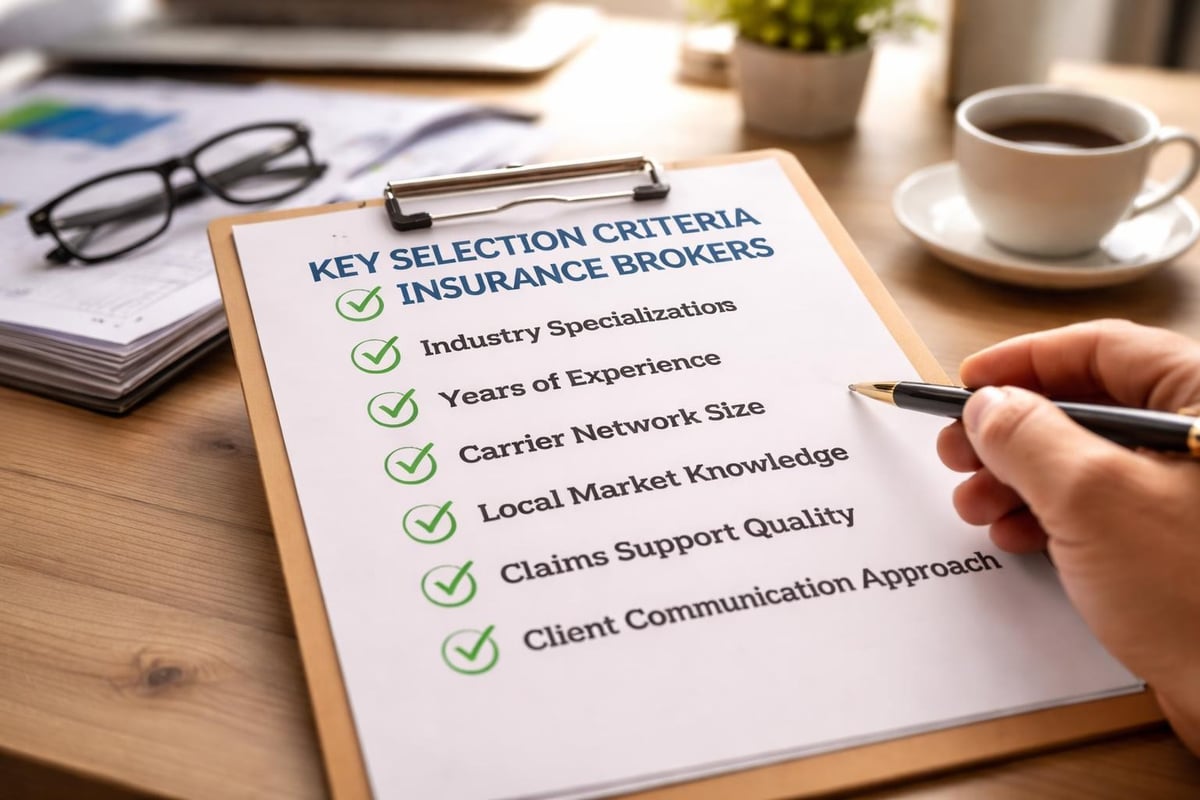
Not all brokers offer the same value. Here's how to identify a broker who will truly serve your interests.
Experience and Specialization
Look for brokers with demonstrated expertise in your specific insurance needs. Ask about:
- Years of experience in the insurance industry
- Specialized certifications or designations
- Carrier relationships and market access
- Industry-specific knowledge (agriculture, construction, professional services, etc.)
A broker specializing in commercial property insurance for Minnesota businesses brings different value than one focused primarily on personal lines.
Local Presence and Accessibility
Geographic proximity matters. While some aspects of insurance can be handled remotely, having a broker with physical offices in your community provides significant advantages. Local brokers understand:
- Regional weather patterns and natural disaster risks
- Minnesota-specific insurance regulations and requirements
- Local construction costs for property coverage adequacy
- Community business dynamics and industry challenges
Brokers operating in communities like Albany and Freeport understand central Minnesota risks in ways that distant providers cannot match.
Questions to Ask Prospective Brokers
Before committing to a broker relationship, conduct a thorough vetting process:
- How many insurance companies do you represent? More options typically mean better pricing and coverage fit.
- What is your approach to policy reviews? Annual reviews ensure your coverage evolves with your changing needs.
- How do you handle claims? The best brokers actively advocate during the claims process.
- Can you provide client references? Speaking with current clients reveals service quality.
- What happens if you retire or sell your business? Understanding continuity plans protects your long-term interests.
The Future of Insurance Brokerage
The insurance brokerage industry continues evolving to meet changing client needs and market dynamics. Industry forecasts through 2031 indicate continued growth as consumers increasingly value professional guidance in an complex insurance environment.
Technology Enhancement, Not Replacement
Modern brokers leverage technology to improve service delivery while maintaining the personal relationships that define broker value. Expect to see:
- Digital policy management portals for 24/7 access to your insurance documents
- Automated renewal processing that speeds up administrative tasks
- Advanced analytics that identify coverage gaps and optimization opportunities
- Mobile apps for certificate requests and claim reporting
However, technology enhances rather than replaces the broker relationship. Complex coverage decisions still require human expertise, negotiation skills, and professional judgment.
Specialized Expertise Growth
As insurance products become more specialized, brokers increasingly develop niche expertise. Areas of growing specialization include:
- Cyber insurance for businesses facing digital threats
- Environmental liability coverage
- Employment practices liability
- Directors and officers insurance
This specialization benefits clients who receive deeper expertise in their specific risk areas.
Maximizing Your Broker Relationship
Getting the most value from your insurance broker requires active participation. Here's how to optimize the partnership.
Maintain Open Communication
Your broker can't protect you from risks they don't know about. Inform them promptly about:
- Business expansion or contraction
- New equipment purchases or property acquisitions
- Changes in operations or services offered
- Hiring employees or independent contractors
- Life changes affecting personal insurance needs
This ongoing communication ensures your coverage remains adequate as circumstances evolve.
Schedule Annual Policy Reviews
Even if your premium seems reasonable, annual reviews identify opportunities for improvement. Market conditions change, new carriers enter the market, and your risk profile evolves. A comprehensive annual review ensures you're not overpaying or underinsured.
During these reviews, discuss:
- Claims experience and its impact on renewals
- Coverage adequacy given current asset values
- New endorsements or coverage options available
- Competitive market alternatives
- Multi-policy bundling opportunities
Consolidate Coverage When Possible
While you're not obligated to place all insurance through one broker, consolidation offers advantages:
- Simplified administration with one point of contact
- Multi-policy discounts that reduce overall costs
- Comprehensive coverage coordination that eliminates gaps
- Stronger broker advocacy when they represent more of your insurance spend
Many Minnesota businesses and families find that consolidating commercial insurance and personal insurance with one trusted broker streamlines their insurance management.
Red Flags to Watch For
While most insurance brokers operate ethically and professionally, awareness of potential warning signs protects your interests.
Pressure Tactics and Urgency Claims
Legitimate brokers don't pressure you into immediate decisions. Be wary of:
- Claims that quotes expire within hours
- Pressure to switch carriers without clear justification
- Reluctance to provide written proposals for your review
- Dismissal of your questions or concerns
Quality brokers want you to make informed decisions, even if that means taking time to review options carefully.
Limited Market Access
If a broker consistently recommends the same one or two carriers regardless of your situation, they may have limited market access or financial incentives that compromise their independence. Ask specifically which companies they've approached for your coverage.
Poor Claims Support
The true test of a broker relationship occurs during claims. Warning signs include:
- Unavailability when you report a claim
- Directing you to handle claims entirely on your own
- Lack of follow-up during the claims process
- Unwillingness to advocate when disputes arise
Understanding broker responsibilities during claims helps you recognize when service falls short of professional standards.
Industry Trends Affecting Broker Value
Several insurance industry trends are increasing the value that brokers provide to their clients in 2026.
Market Hardening and Capacity Constraints
Certain insurance markets have experienced tightening capacity and rising premiums. This "hard market" environment makes broker expertise more valuable than ever. When insurance companies become selective about the risks they'll insure, brokers with strong carrier relationships can access coverage that might otherwise be unavailable.
Increasing Policy Complexity
Insurance policies continue growing more complex, with new exclusions, sublimits, and conditions that affect coverage. Reading and understanding modern commercial insurance policies requires professional expertise. Brokers who stay current with policy language changes protect you from unpleasant surprises during claims.
Emerging Risk Categories
New risks continue emerging that require specialized coverage solutions:
- Cyber threats and data breach exposures
- Social media liability
- Autonomous vehicle operations
- Drone usage for business purposes
- Cannabis-related business operations
An insurance broker with market knowledge can identify appropriate coverage for these evolving risks.
Building Long-Term Broker Partnerships
The most successful insurance broker relationships extend across years or even decades. This continuity provides significant advantages.
Institutional Knowledge of Your Risks
A broker who has worked with you for years develops deep understanding of your insurance needs, claims history, and coverage priorities. This institutional knowledge enables increasingly sophisticated risk management advice.
Relationship Capital with Carriers
Long-term brokers build relationship capital on your behalf. When your broker has consistently placed quality business with an insurance company, they have leverage to negotiate favorable terms, obtain coverage exceptions, or secure competitive renewal pricing.
Proactive Risk Management Guidance
Experienced brokers transition from simply placing coverage to providing proactive risk management consulting. They might identify:
- Safety improvements that reduce workers compensation claims
- Contract language that transfers liability to other parties
- Security enhancements that lower cyber insurance premiums
- Loss prevention strategies specific to your industry
This evolving relationship creates value far beyond premium savings.
Working with an insurance broker transforms insurance from a confusing obligation into a strategic asset that protects what matters most. The right broker brings market access, expertise, and advocacy that you simply cannot replicate on your own, whether you're protecting a Minnesota farm, growing business, or family. With locations serving Albany and Freeport communities, Guardian Insurance Services MN provides the independent broker expertise and personalized service that turns insurance shopping from a frustrating chore into a confident decision. Reach out today to experience the difference that working with a dedicated insurance broker makes in protecting your future.