
Imagine waking up in Minneapolis or Duluth to find your home damaged by a fierce storm, only to realize your home insurance in 2026 falls short. With increasing property risks from unpredictable Minnesota weather, securing the right policy is more important than ever.
This essential guide will help you understand home insurance in today’s landscape, breaking down the latest updates, coverage options, and smart strategies for Minnesota homeowners. Wondering what’s changed, how to save, or how to confidently file a claim? You’re in the right place.
Explore what’s new, learn how to protect your biggest investment, and take action to ensure your home insurance in meets the challenges of 2026.
Understanding Home Insurance in 2026
Homeowners in Minnesota face a rapidly changing landscape when it comes to protecting what matters most. As severe weather, inflation, and technology evolve, understanding home insurance in 2026 is essential for staying ahead of risk and securing your future.

The Evolving Landscape of Home Insurance
Minnesota’s weather is getting more unpredictable, and home insurance in this state is adapting fast. Recent years have seen increased hailstorms, flooding in communities like St. Cloud, and severe winter ice in Duluth. These changes, driven by climate shifts, are making insurers rethink how they assess risk and set premiums.
Regulatory updates for 2026 now require more detailed property inspections and may introduce stricter minimum coverage amounts, ensuring that home insurance in Minnesota keeps up with real-world risks. Insurers are also scrutinizing property maintenance and occupancy more closely, especially for seasonal cabins or vacant homes.
Digital management is now the norm, letting Minnesota homeowners handle policies and claims online. Smart home technology, such as leak detectors and security cameras, is not only preventing losses but can also lead to discounts or special policy endorsements.
It is important to note that standard policies often do not cover every peril. According to Allstate, many homeowners are surprised to learn that flood or earth movement is excluded from most home insurance in Minnesota. For a deeper dive on what is required locally, check out this Minnesota homeowners insurance guide.
What Does Home Insurance Cover?
The foundation of home insurance in Minnesota is comprehensive protection for your property and liability. Here is a quick breakdown of the core coverages:
| Coverage Type | What It Protects | Example Scenario |
|---|---|---|
| Dwelling | Home’s structure | Rebuilding after a tornado |
| Personal Property | Belongings inside the home | Electronics stolen in a break-in |
| Liability | Injuries/damages to others | Guest slips on icy walkway |
| Medical Payments | Minor guest injuries, regardless of fault | Neighbor’s child hurt at BBQ |
| Loss of Use | Temporary living expenses | Hotel stay after kitchen fire |
While home insurance in Minnesota usually covers theft, fire, windstorm, and frozen plumbing, there are important exclusions. Flood, earth movement, business use, and wear and tear are typically not covered, as noted by Allstate. For example, if a kitchen fire forces you to leave your home, loss of use coverage can pay for temporary relocation, but damage from river flooding would require a separate flood policy.
Policy limits and sub-limits matter, too. You might have a $1,500 cap on jewelry or a $2,000 cap on electronics. Knowing these details helps you avoid costly surprises and ensures your home insurance in Minnesota is truly comprehensive.
Types of Home Insurance Policies in Minnesota
Choosing the right policy form is key for home insurance in Minnesota. The most common is HO-3, which covers your home for all risks except those specifically excluded. HO-5 offers broader protection, ideal for high-value homes in places like Edina or Wayzata. Condos, mobile homes, and rental properties have their own specialized forms.
Another big decision is between replacement cost and actual cash value. Replacement cost pays to rebuild or replace items at today’s prices, while actual cash value factors in depreciation. For a lakeside cabin in Bemidji, you may need extra coverage for water damage, especially with Minnesota’s heavy snows and spring melts.
State requirements often mandate specific protections against tornado, hail, or snow damage. Optional endorsements, such as sump pump failure or identity theft coverage, can add a layer of security to your home insurance in Minnesota. Review these annually to make sure your policy keeps up with your needs.
Key Home Insurance Coverages Explained
Understanding the protection your policy offers is the first step to confidently securing your future with home insurance in Minnesota. With climate risks and market changes on the rise, knowing exactly what your coverage includes is more important than ever. Let’s break down the six essential coverages every Minnesota homeowner should review for 2026.
Dwelling Coverage
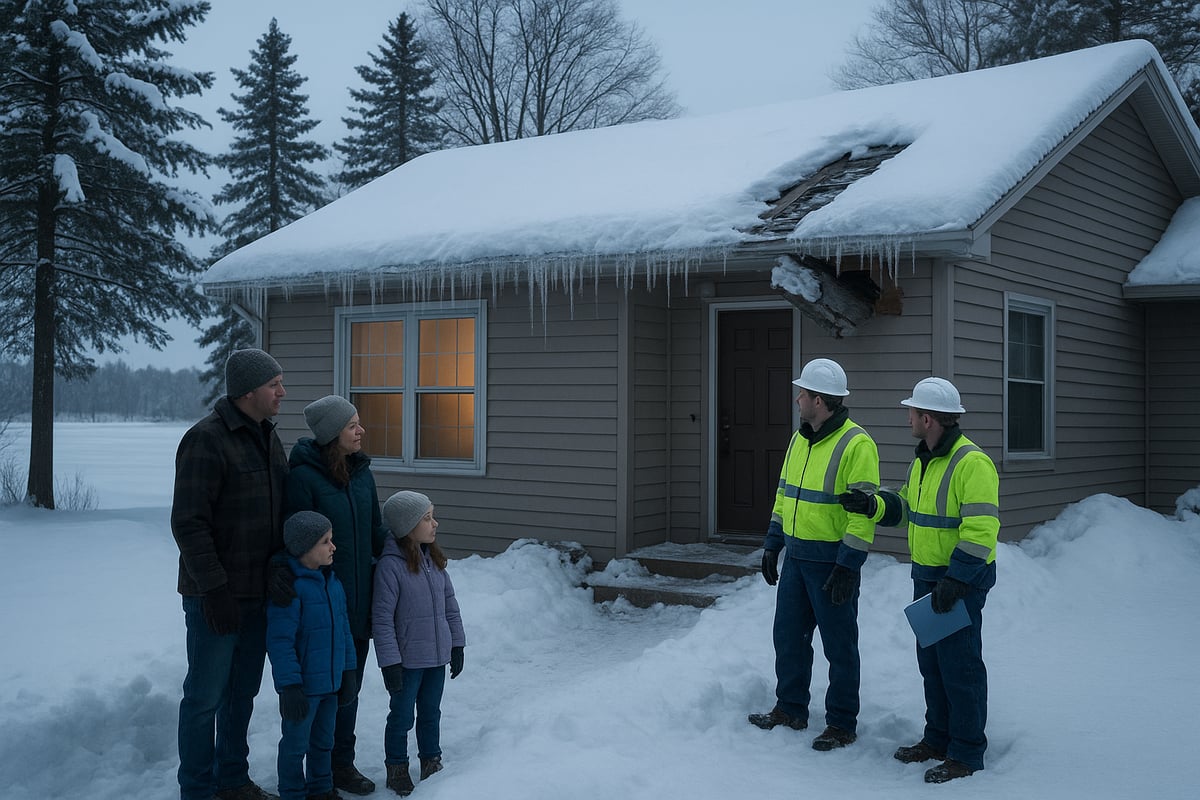
Dwelling coverage forms the backbone of home insurance in Minnesota. It protects the structure of your house, including walls, roof, and attached fixtures, against covered perils like fire, wind, and blizzard damage. Calculating adequate coverage means considering current construction costs, which have risen with inflation and supply shortages.
For example, after a severe Minnesota blizzard, rebuilding costs can spike, making accurate coverage crucial. GEICO and other insurers stress that dwelling protection is the foundation of every policy. To ensure your policy keeps pace in 2026, review your limits annually and factor in upgrades or renovations.
Personal Property Coverage
Personal property coverage under home insurance in Minnesota safeguards your belongings, from furniture and clothing to electronics and appliances. Most policies set limits and sub-limits for valuables like jewelry or artwork, so it’s smart to check these details.
Imagine electronics stolen during a break-in or water damage ruining your living room set during a spring thaw. Without proper documentation, reimbursement can be delayed or reduced. Create a digital inventory and keep receipts to streamline claims and ensure your home insurance in covers all your prized possessions.
Liability Protection
Liability protection is a critical part of home insurance in Minnesota, shielding you if someone is injured or their property is damaged due to your actions. This coverage pays for legal expenses, medical bills, and lost wages if, for example, a guest slips on icy steps during a St. Cloud winter.
Industry reports show liability claims are among the most expensive, making sufficient limits essential. Homeowners often overlook this, but a single accident can lead to financial stress. Evaluate your liability limits each year as part of your home insurance in review to avoid surprises.
Medical Payments to Others
Medical payments coverage pays for minor injuries to guests, regardless of fault. This feature of home insurance in Minnesota is perfect for covering quick medical bills, such as if a neighbor’s child gets hurt during a backyard BBQ.
Typical limits are modest, often ranging from $1,000 to $5,000, and this coverage is not a substitute for full liability protection. Still, it’s an important safety net. Always confirm your policy’s medical payments section when updating your home insurance in to ensure guests are protected.
Loss of Use/Additional Living Expenses
Loss of use, or additional living expenses coverage, helps with temporary costs if your home becomes uninhabitable after a covered loss. This can include hotel stays, extra meal costs, and transportation. For example, after a kitchen fire in Duluth, your home insurance in Minnesota might cover your family’s hotel bills until repairs are done.
GEICO highlights the importance of tracking every expense for easy reimbursement. Keep receipts and log all costs to make your claims process smoother and ensure you’re not paying out of pocket during stressful times.
Optional Endorsements & Riders
Optional endorsements and riders let you customize home insurance in Minnesota for risks like floods, sewer backup, or identity theft. Many Minnesota homes, especially those near lakes or with basements, benefit from sump pump failure coverage. Smart home device discounts and water leak sensors are increasingly popular with insurers.
Review your add-ons annually, especially as weather patterns shift. To learn more about how to tailor your policy, check out this resource on understanding property insurance policies for Minnesota homeowners. The right endorsements can mean the difference between full recovery and costly surprises.
Home Insurance Costs in 2026: What Minnesota Homeowners Should Expect
Rising costs are top of mind for anyone shopping for home insurance in Minnesota. Across the state, homeowners are facing unprecedented premium increases. Severe weather in Duluth, tornadoes near Rochester, and flooding along the Mississippi River have all contributed to higher risks. This, combined with inflation and evolving property values, is reshaping the landscape for home insurance in 2026.

Factors Affecting Premiums
Several factors are pushing premiums for home insurance in Minnesota to new heights. Location is key. Homes near lakes in Brainerd or in tornado-prone areas like Albert Lea may face higher rates due to increased risk. The age and construction of your home matter as well. Older houses in Saint Paul with aging roofs or outdated plumbing often cost more to insure.
Smart home technology is now influencing premiums. Installing security cameras or water leak sensors can reduce costs, especially in Minneapolis neighborhoods. Credit scores and claims history also play a major role. Homeowners with higher credit and fewer claims often get better deals.
Recent reports show Minnesota homeowners are seeing double-digit premium jumps, largely due to severe weather and inflation. For an in-depth look at these trends, see Minnesota Homeowners Insurance Premiums Jump Double Digits.
| Factor | Impact on Premiums | Example Location |
|---|---|---|
| Proximity to Water | Higher | Lake Minnetonka |
| Roof Age | Higher (older roofs) | St. Cloud |
| Smart Devices | Lower (if installed) | Minneapolis suburbs |
| Claims History | Higher (frequent claims) | Rochester |
Understanding these influences is crucial when evaluating home insurance in 2026.
How to Save on Home Insurance
There are actionable steps you can take to lower your costs for home insurance in Minnesota. First, compare quotes annually. Rates can change quickly, especially after storms like the 2025 hail event in Stearns County. Shopping around can uncover significant savings.
Next, maximize discounts. Many insurers offer reduced rates for bundling home insurance in with auto policies, staying claims-free, or installing monitored alarm systems. If you’ve just replaced your roof in Moorhead or updated electrical systems in Mankato, ask your insurer about available discounts.
Consider raising your deductible if you have savings set aside for smaller repairs. This can lead to lower monthly premiums. Avoid filing small claims for minor damage; frequent claims can increase your rates.
Here are top ways to save:
- Bundle policies (home and auto)
- Install smart security devices
- Increase your deductible
- Stay claims-free for discounts
Taking these steps can make a real difference in what you pay for home insurance in 2026. Make it a habit to review your policy every year, especially after major updates or purchases.
Common Mistakes That Raise Costs
Many Minnesota homeowners unknowingly make errors that drive up the cost of home insurance in the long run. Underinsuring your home or personal property is a common pitfall, particularly after renovations in places like Edina or after purchasing new valuables in Duluth.
Forgetting to update your policy after a remodel or big-ticket purchase can leave you exposed. Ignoring policy exclusions, such as not adding flood coverage for a home near the Mississippi River, is another costly oversight.
Other mistakes to avoid:
- Letting your policy lapse or missing payments
- Overlooking policy sub-limits on valuables
- Not reviewing your coverage annually
By steering clear of these errors, you can keep your home insurance in check and ensure your Minnesota property is well protected in 2026.
The Home Insurance Claims Process: Step-by-Step for 2026
Navigating the home insurance in Minnesota can feel overwhelming, especially after a disaster. Knowing exactly what steps to follow will help you get your home and life back on track faster. Here’s a clear, five-step guide that every Minnesota homeowner should keep handy.

Step 1: Assessing Damage and Ensuring Safety
Immediately after an incident, your first priority is safety. Make sure everyone is out of harm’s way, especially during Minnesota’s intense winters. For example, if an ice dam causes water to leak into your living room, turn off the electricity in affected areas and keep your family safe from slippery floors.
Once everyone is secure, begin documenting the damage for your home insurance in claim. Use your phone to take clear photos and videos from multiple angles. Record the date, time, and details of each damaged item or area. This evidence is crucial for a smooth claims process and ensures you get the compensation you deserve.
Step 2: Contacting Your Insurance Company
As soon as it’s safe, notify your insurer about the loss. Most companies now offer digital claims through apps or online portals, making the home insurance in process faster and easier. In Minnesota, prompt communication is vital, especially after widespread events like tornadoes or hailstorms.
Have your policy number, photos, and a list of damages ready when you call or log in. For a detailed walkthrough, check out the Filing an insurance claim process resource. Acting quickly helps you secure your place in line for inspections and repairs, which can fill up fast during peak storm seasons.
Step 3: Working with Adjusters
After you file your home insurance in claim, your insurer will assign an adjuster to assess the damage. The adjuster may visit your property or, increasingly, conduct virtual inspections using your submitted photos and videos. In Minnesota, this is common during harsh weather when travel is difficult.
Prepare by gathering repair estimates and keeping all documentation organized. For instance, after a tornado in Otter Tail County, homeowners who provided detailed records saw their claims resolved more efficiently. Be honest and thorough when answering the adjuster’s questions to avoid delays.
Step 4: Understanding Payouts and Repairs
Once your claim is reviewed, the insurer will determine the payout based on your home insurance in policy. Know whether your coverage is for replacement cost or actual cash value, as this affects your reimbursement. In Minnesota, rebuilding costs can spike after blizzards or storms, so review bids from local contractors carefully.
Keep all receipts for repairs and temporary living expenses, like hotel stays. Create a simple spreadsheet to track costs. This makes it easier to provide proof and ensures you’re reimbursed quickly for every eligible expense.
Step 5: Avoiding Common Claims Pitfalls
To avoid complications with your home insurance in claim, never delay reporting damage or making urgent repairs. Keep copies of every communication with your insurer and follow their instructions closely. In Minnesota, some claims are denied because homeowners make unauthorized repairs before an adjuster’s visit.
Common mistakes include missing deadlines, failing to document damage, or not understanding policy exclusions. Learning from others’ experiences can help you avoid these pitfalls and get the best results from your home insurance in coverage. Review your policy annually so you’re always prepared for the unexpected.
Choosing the Right Home Insurance Policy in Minnesota for 2026
Selecting the right home insurance in Minnesota for 2026 is crucial as risks and requirements evolve. With changing weather patterns and rising costs, making the right choice can protect your home, finances, and peace of mind. Let’s walk through the essential steps to help you confidently choose the best policy for your needs.
Assessing Your Coverage Needs
Start by evaluating your home's value, location, and specific risks unique to Minnesota. Homes in Duluth or along the North Shore may face different hazards than properties in the Twin Cities or Rochester. Consider whether your property is a year-round residence, a seasonal lakeside cabin, or a historic home in Albany.
Calculate the replacement cost of your home, not just its market value. This ensures your home insurance in 2026 will fully cover rebuilding after a disaster. Factor in local construction costs, which may rise due to inflation or supply shortages. Think about unique risks like tornadoes, hail, or flooding, especially if your home is near the Mississippi River or Mille Lacs Lake.
Check if you need extra protection for valuables, outbuildings, or new renovations. Using professional appraisals or online insurance calculators can help you determine accurate coverage levels. With climate change increasing severe weather events, comprehensive home insurance in Minnesota is more important than ever.
Comparing Insurance Providers
Choosing the right insurer is about more than price. Compare local Minnesota companies with national brands to find the best fit for your home insurance in 2026. Local providers may offer better insight into area-specific risks, while national carriers often have more digital tools and broader discounts.
Here’s a quick comparison:
| Feature | Local Insurers (e.g., St. Paul, Mankato) | National Brands |
|---|---|---|
| Knowledge of Local Risks | High | Moderate |
| Digital Tools | Varies | Extensive |
| Customer Service | Personalized | 24/7 Support |
| Discount Options | Limited | Wide Range |
| Premium Trends | Steady | May Rise Faster |
Minnesota home insurance premiums are expected to rise by up to 15% in 2025 due to increased severe weather claims, according to Minnesota home insurance premiums to rise 15% in 2025. Compare reviews, financial strength, and claim satisfaction to ensure your provider can deliver when you need it most. Always get multiple quotes before deciding.
Reading the Fine Print: Policy Exclusions & Limits
It’s easy to overlook exclusions and sub-limits in your home insurance in Minnesota, but these details can make a huge difference. Common exclusions include flood damage, earth movement, and business use of your home office. If you live near a river or in a flood-prone area like St. Cloud, you may need separate flood insurance.
Check sub-limits for valuables like jewelry, art, or collectibles. For example, your policy might only cover a few thousand dollars for jewelry, even if your total personal property limit is much higher. Review endorsements or riders for extra protection if you have high-value items.
Understand the difference between replacement cost and actual cash value coverage. Replacement cost pays to rebuild or replace items at today’s prices, while actual cash value deducts for depreciation. Reading every line of your policy ensures you’re not caught off guard after a loss.
When to Review and Update Your Policy
Major life events and changes to your property should always trigger a review of your home insurance in Minnesota. Renovations, such as finishing your basement or adding a sunroom, can increase your home’s value and risk profile. Marriage, acquiring expensive electronics, or purchasing art are also reasons to update your policy.
Set a reminder to review your coverage annually, ideally before your renewal date. Check if your coverage still matches your needs and the current replacement cost of your home. If you’ve made improvements or your neighborhood has changed, update your policy to reflect those differences.
Failing to update your policy can lead to being underinsured or denied claims. For example, after finishing a basement in a Bloomington home, adding coverage for water backup or sump pump failure could be essential. Regular reviews keep your home insurance in line with your lifestyle.
Expert Tips for Minnesota Homeowners
Getting the most from your home insurance in Minnesota means being proactive and detail-oriented. Start by documenting your belongings with photos, receipts, and serial numbers. Store this information in a secure digital location for easy access if you need to file a claim.
Schedule regular roof and foundation inspections, especially before winter in places like Brainerd or Moorhead. Staying on top of maintenance can prevent costly damage and even earn you discounts. Stay informed about local risks by signing up for city alerts or weather warnings.
Consult with a local insurance professional who understands Minnesota’s specific risks. Their insights can help you customize your policy and avoid common pitfalls. For more actionable advice, check out these tips to get better coverage and make sure your protection is always up to date.
Home Insurance Trends and Innovations for 2026
Minnesota homeowners face a fast-changing environment as we head into 2026. From digital tools to climate risks, the landscape for home insurance in our state is evolving quickly. Staying ahead of these trends is essential for protecting your investment and ensuring peace of mind.
Smart Home Technology & Insurance
Smart home technology is transforming home insurance in Minnesota. More Minnesotans are installing devices like smart smoke detectors, water leak sensors, and security cameras. These tools not only make your home safer, but also help lower your premiums.
Insurers now reward homeowners for using connected devices. For example, installing a water shutoff sensor in your Minneapolis home can reduce the risk of costly water damage and may qualify you for a discount. Data from these devices help insurers respond faster to claims and prevent bigger losses.
If you want to maximize savings on home insurance in 2026, consider upgrading your home with smart devices. Not only will you enjoy modern convenience, but you’ll also contribute to claims prevention and a safer neighborhood.
Climate Change & Coverage Adjustments
Climate change is directly affecting home insurance in Minnesota. Increased hail, heavier rain, and even wildfire risks are driving up premiums and making coverage harder to find. Insurers are updating flood zone maps and tightening underwriting standards, especially in places like Stearns County.
According to Climate change impacts on Minnesota insurance costs, many residents are seeing higher costs and new policy exclusions. If your home is near a lake or in an area with frequent storms, you may need to adjust your coverage.
To stay protected, review your policy every year and talk to your agent about climate-related risks. Keeping your home insurance in line with changing weather patterns is the best way to avoid surprises.
Digital Tools & Customer Experience
Digital transformation is making home insurance in Minnesota more accessible and user-friendly. Most insurers now offer online policy management, mobile apps, and virtual adjuster visits. Filing a claim after a storm in Duluth is now as simple as snapping photos and submitting them through an app.
These tools speed up the claims process and keep you informed at every step. For official guidance on claims, the Minnesota Department of Commerce: Settling a Claim provides helpful resources.
Embracing digital solutions will make managing your home insurance in 2026 smoother and more efficient. Always keep your account information updated for quick access during emergencies.
Legislative & Regulatory Changes in Minnesota
Laws and regulations for home insurance in Minnesota are changing to reflect new risks and technologies. In 2026, stricter building codes and updated coverage minimums are being put in place to protect homeowners from severe weather and other threats.
Consumer protection laws now require more transparency from insurance agents. For example, new rules mandate clear disclosure of policy limits and exclusions. This makes it easier for you to compare home insurance in Minnesota and avoid costly surprises.
Stay informed about these changes by talking to your agent or checking state government updates. Understanding the legal landscape will help you make smarter decisions about your policy.
Future-Proofing Your Home Insurance
To keep your home insurance in strong shape for the future, regularly reassess your risks. With smart home devices, climate change, and new threats like identity theft, your needs will shift over time.
Work with a local Minnesota expert to review your policy every year. Consider adding cyber protection as smart devices become more common. Keep detailed records of upgrades and belongings, so your home insurance in 2026 always reflects your true needs.
Being proactive now is the best way to safeguard your home and your finances for years to come.