
Are you certain your most valuable assets are truly protected? In Minnesota, knowing the difference between home insurance car insurance can make all the difference when disaster strikes.
With severe storms, icy roads, and unpredictable risks, 2026 brings new challenges for homeowners and drivers alike. This article will help you understand the unique features of each policy, so you can confidently choose the right protection.
We’ll walk you through what each type covers, how claims work, what affects your costs, and the legal requirements in Minnesota. Get ready to make smarter insurance decisions and secure peace of mind for your future.
What Is Home Insurance?
If you own a home in Minnesota, protecting it is one of the smartest moves you can make. Home insurance car insurance are designed to shield your most valuable assets from unexpected risks, but home insurance specifically focuses on your property, possessions, and liability as a homeowner. This section explains what home insurance is, what it covers, and how it works for Minnesota residents.
Definition and Purpose of Home Insurance
Home insurance car insurance policies are essential for safeguarding your house, its contents, and your financial well-being. Home insurance protects the physical structure of your home, personal belongings, and provides liability protection if someone is injured on your property.
In Minnesota, severe weather events like hail, snow, and wind make home insurance a must-have for peace of mind. Most mortgage lenders also require proof of coverage before approving a loan. For more in-depth information specific to Minnesota, check out the Minnesota Homeowners Insurance Guide.
Types of Coverage Included
Standard home insurance car insurance policies in Minnesota typically include several key protections:
- Dwelling coverage: Repairs or rebuilds your home after damage from fire, storms, or vandalism.
- Personal property coverage: Protects your belongings, such as furniture, electronics, and clothing, from theft or disaster.
- Liability coverage: Pays legal and medical expenses if someone is injured on your property.
- Loss of use: Covers temporary living expenses if your home becomes uninhabitable.
Optional add-ons include flood insurance, sewer backup, and coverage for valuable items like jewelry or art. Each option is tailored to address risks common in Minnesota communities.
Common Exclusions and Limitations
Home insurance car insurance policies do not cover every scenario. Typical exclusions include:
- Earthquake damage
- Flooding (unless you add separate flood insurance)
- Normal wear and tear
- Pest infestations
Policies also have limits on certain types of property, such as jewelry, electronics, or collectibles. Sub-limits may apply, so it is vital to review your policy details. Understanding these exclusions helps you avoid surprises during a claim.
Claims Process for Homeowners
If you need to file a home insurance car insurance claim in Minnesota, follow these steps:
- Document the damage: Take clear photos and write a description of what happened.
- Notify your insurer: Contact your insurance company as soon as possible.
- Meet with an adjuster: An insurance adjuster will visit your property to assess the damage.
- Get repair estimates: Work with approved contractors or repair shops.
- Claim resolution: The insurer provides a payout or coordinates repairs, depending on your policy.
Keep all receipts and communication for your records. Quick action can speed up the claims process and help you recover faster.
Real-World Example: Minnesota Storm Damage
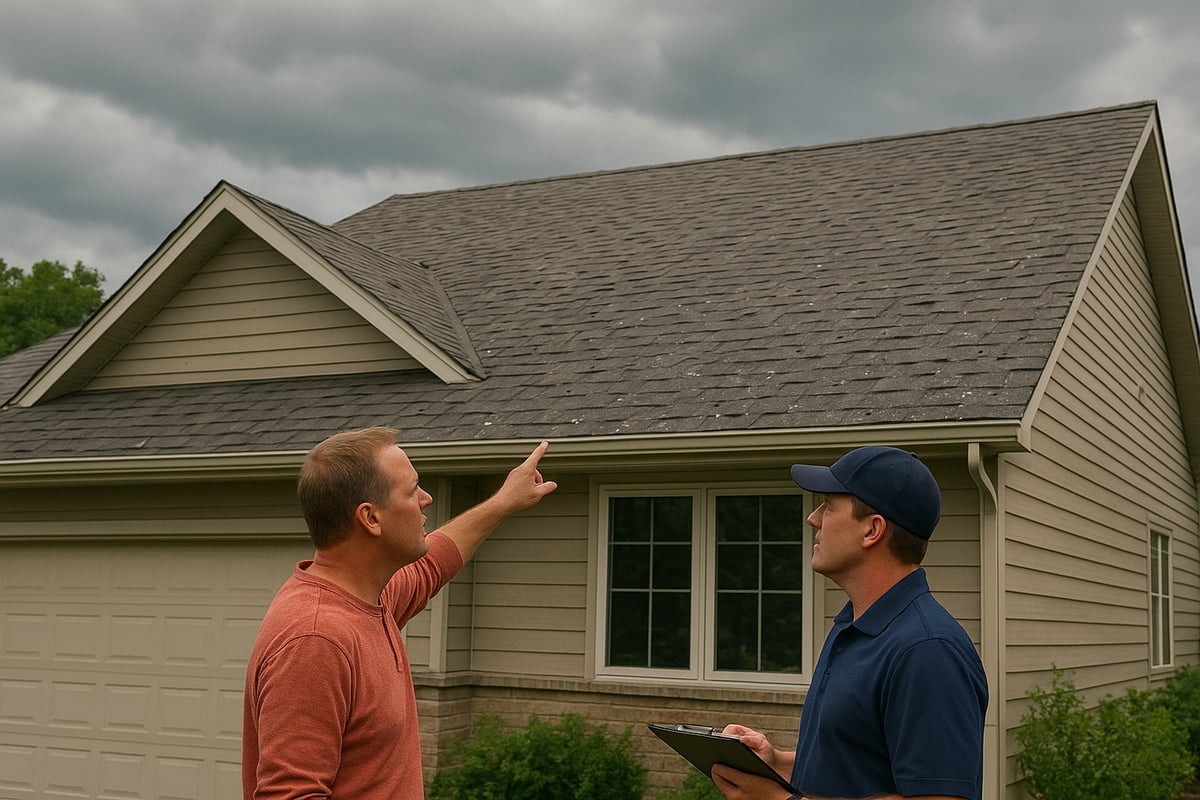
After a severe hailstorm in Albany, MN, a homeowner noticed significant roof damage. They contacted their insurer, documented the loss, and met with an adjuster. The claim was approved, and repairs were completed within weeks. The main lesson: comprehensive coverage and prompt action make recovery smoother.
What Is Car Insurance?
Understanding car insurance is essential for every Minnesota driver. When comparing home insurance car insurance, it is clear that car insurance plays a vital role in protecting you, your vehicle, and your finances. Without the right policy, a single accident could leave you facing major expenses. Let’s break down what car insurance covers, how it works, and why it’s so important for residents across Minnesota.
Definition and Purpose of Car Insurance
Car insurance is a contract between you and your insurer that offers financial protection in case of accidents, theft, or damage involving your vehicle. In Minnesota, car insurance is not just a recommendation, it’s a legal requirement. The main goal is to safeguard drivers from unexpected costs due to property damage or injuries from a crash.
When you think about home insurance car insurance, remember that car insurance covers your vehicle and driving-related liabilities, unlike home insurance, which protects your house. This difference is crucial for Minnesota drivers who face unique risks like icy roads and heavy snow.
Types of Coverage Included
A typical car insurance policy in Minnesota includes several important protections. These usually cover:
| Coverage Type | What It Protects |
|---|---|
| Liability | Damage/injury to others |
| Collision | Damage to your car from a crash |
| Comprehensive | Theft, vandalism, non-collision damage |
| Uninsured/Underinsured Motorist | Costs if other driver lacks coverage |
| Personal Injury Protection (PIP) | Medical expenses for you/your passengers |
Minnesota requires drivers to carry liability, PIP, and uninsured/underinsured motorist coverage. Many drivers add extra options for more protection. For more details on coverage, see Understanding Car Insurance Coverage. Comparing home insurance car insurance helps you see why these options matter for your family’s safety.
Common Exclusions and Limitations
No car insurance policy covers every situation. Typical exclusions include intentional damage, using your car for racing, or commercial use unless you add special coverage. There are also limits and deductibles that affect your out-of-pocket costs.
For example, if you use your car for rideshare in St. Cloud without telling your insurer, you might not be covered in an accident. Understanding the difference between home insurance car insurance helps you avoid costly surprises. Always check your policy for limitations and ask your agent about anything unclear.
Claims Process for Auto Insurance
If you have an accident in Minnesota, start your claim by documenting the scene and contacting your insurer. You’ll need a police report, photos, and a detailed description of what happened. Your insurance company may send an adjuster to inspect the damage.
Many insurers partner with repair shops across Minnesota for faster service. Compared to home insurance car insurance, auto claims are often resolved more quickly, especially for minor collisions. Stay in touch with your claims adjuster and keep all paperwork organized for a smoother process.
Real-World Example: Winter Accident in Minnesota
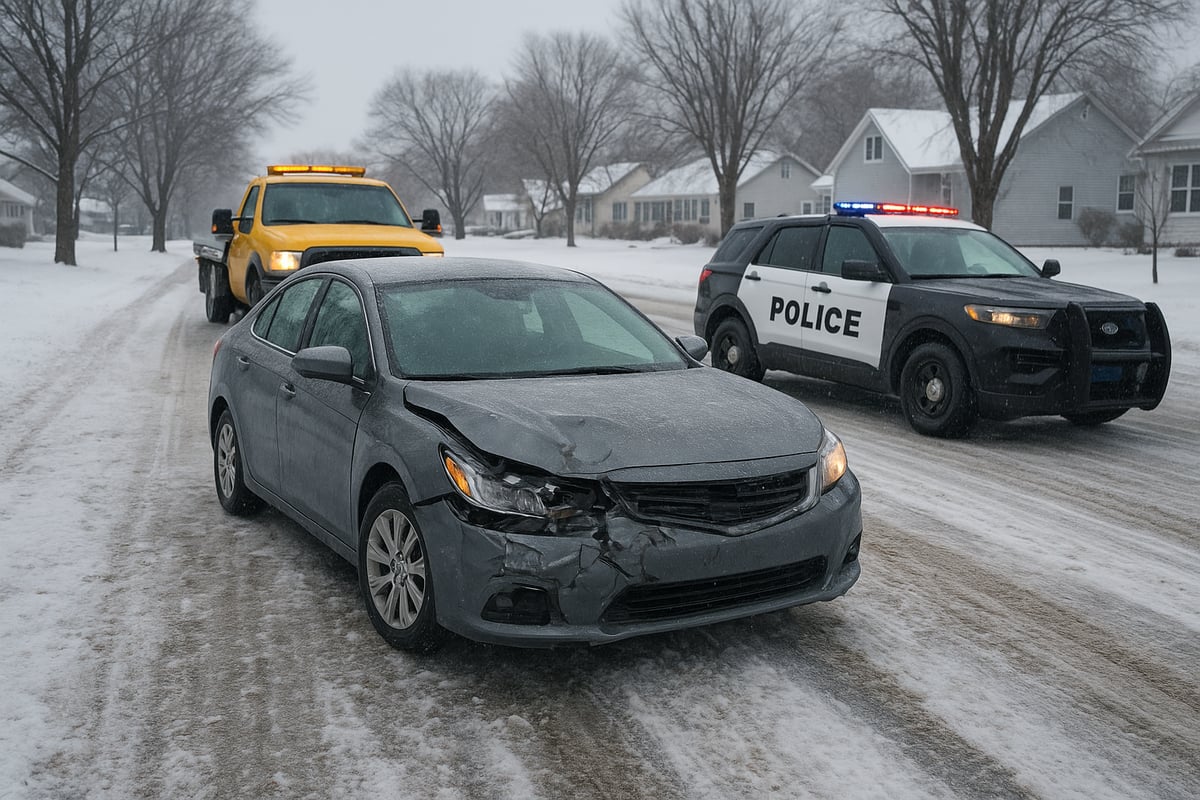
Imagine a driver in Freeport, Minnesota, loses control on an icy road and hits a guardrail. They file a claim with their car insurer, submit a police report, and get an inspection. The insurer covers repairs minus the deductible, and the driver is back on the road within a week.
This example shows why reviewing your home insurance car insurance is so important. Quick resolutions and the right coverage mean you can recover from unexpected events with less stress. Always review your policy to ensure you’re prepared for Minnesota’s unique driving risks.
Key Differences Between Home and Car Insurance
Understanding the key differences between home insurance car insurance is essential for Minnesota residents who want to make smart, informed choices. Each policy type comes with its unique features, protections, and requirements. Let’s break down exactly how they compare so you can confidently protect what matters most.
Coverage Scope and What’s Protected
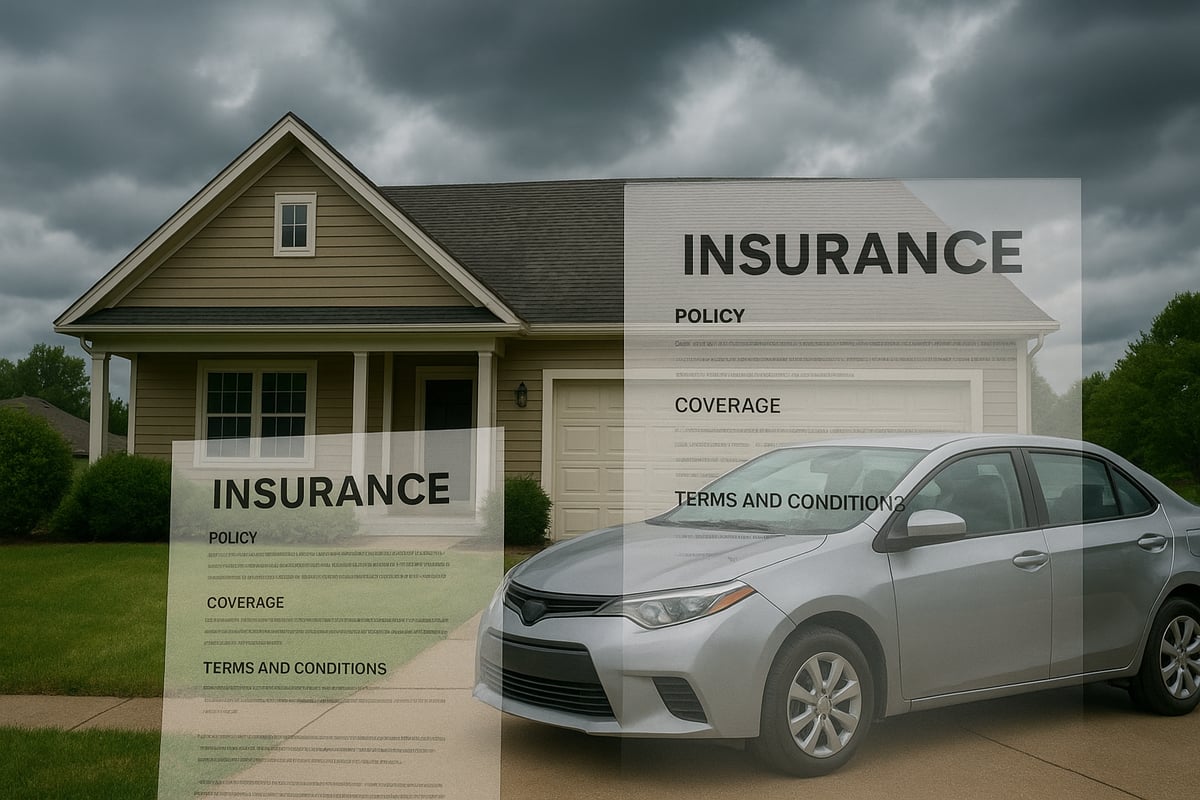
At their core, home insurance car insurance policies are designed to shield different types of assets. Home insurance focuses on your dwelling, attached structures, and personal property. It provides liability protection if someone is injured on your property in St. Cloud or elsewhere in Minnesota. Common perils covered include fire, theft, and storm damage.
Car insurance, in contrast, protects your vehicle against collisions, theft, vandalism, and weather events. It also includes liability coverage if you’re at fault in an accident. Here’s a quick comparison:
| Feature | Home Insurance | Car Insurance |
|---|---|---|
| Main Asset Covered | House, belongings | Vehicle |
| Liability Coverage | Personal injury/property | Bodily injury/property |
| Common Perils | Fire, hail, theft | Collision, theft, hail |
| Optional Add-ons | Flood, valuables | Roadside, rental car |
For example, if a hailstorm hits in Mankato, home insurance car insurance will respond differently: home insurance pays for your roof, while car insurance repairs hail dents on your vehicle.
Policy Structure and Customization
Home insurance car insurance policies offer various ways to customize coverage, but their structures differ. Home insurance often bundles dwelling, personal property, and liability into one policy, with options to add endorsements like sewer backup or jewelry coverage.
Car insurance lets you select coverages such as collision, comprehensive, or uninsured motorist protection. In Minnesota, you can often bundle both policy types with the same insurer for a discount. Customizations are shaped by your needs—maybe you add extra coverage for a classic car in Duluth or increase liability limits for a larger home in Rochester.
Both policies can be tailored, but the process and available add-ons vary, so it’s vital to review your options annually.
Legal Requirements and Mandates
A major distinction between home insurance car insurance is legal mandates. In Minnesota, car insurance is required by law for all drivers. You must carry minimum liability, personal injury protection, and uninsured/underinsured motorist coverage.
Home insurance, meanwhile, isn’t mandated by the state, but mortgage lenders nearly always require it to protect their investment. Skipping required car insurance can result in fines, license suspension, or even jail time.
To stay compliant, check the latest Minnesota Auto Insurance Requirements in 2026 for detailed information on coverage minimums and recommendations.
Cost Factors and Premium Determinants
When it comes to pricing, home insurance car insurance rates depend on different factors. For homes, location plays a big role—living in areas like Moorhead, prone to storms, can raise premiums. Home value, security features, and claims history also influence cost.
Car insurance premiums are shaped by your driving record, vehicle type, annual mileage, and credit score. For example, a driver in Minneapolis with a clean record and a newer car may pay less than someone with accidents or driving an older vehicle.
Here’s a quick list of premium influencers:
- Home: Age, construction, proximity to fire stations, local crime rates
- Car: Age, make, anti-theft devices, usage (commute or pleasure)
- Both: Bundling discounts, deductible choices, claims frequency
Minnesota’s average home insurance premium is rising, so compare quotes and coverage each year.
Claims Frequency and Process Differences
Home insurance car insurance differ in how often claims are filed and how the process plays out. Home claims are less frequent but usually involve higher dollar amounts—think roof replacements after a storm in Alexandria.
Auto claims are more common, especially during Minnesota winters. However, these claims often involve lower repair costs per incident. With car insurance, you’ll usually work with approved repair shops and may have a faster resolution.
Both policies require prompt reporting, documentation, and cooperation with adjusters. Yet, timelines and the repair process can vary, especially if supply chain delays impact home repairs.
Impact of Location: Minnesota-Specific Considerations
Minnesota’s unique risks influence home insurance car insurance in distinct ways. Severe weather—hail, snow, ice, tornadoes—raises the likelihood of claims for both homes and vehicles. For example, a blizzard in Bemidji could damage your roof and cause a fender bender.
Urban areas like Minneapolis may face higher theft or vandalism risks, impacting premiums for both policy types. State regulations also affect coverage options, minimums, and claim processes.
Always consider local crime stats, weather trends, and regional laws when choosing your protection.
Real-World Scenarios: Comparing Claim Outcomes
Let’s compare how home insurance car insurance respond to major incidents in Minnesota. Imagine a fire in your Brainerd home—your policy covers rebuilding, replacing belongings, and temporary living costs. The claim process is thorough, often taking months but resulting in significant financial help.
Now, consider a serious car accident on icy roads in Maple Grove. Car insurance covers repairs, medical bills, and liability for injuries. Claims are typically resolved faster, but the financial impact is usually smaller than a total home loss.
In both cases, the right coverage can mean the difference between a manageable setback and a financial crisis. Reviewing your home insurance car insurance regularly ensures you’re ready for whatever Minnesota throws your way.
Factors to Consider When Choosing Coverage
Choosing between home insurance car insurance policies in Minnesota is not a one-size-fits-all decision. Your needs, assets, and local risks all shape what coverage is right for you. Let’s break down the key factors so you can make confident, informed choices that protect what matters most in places like Duluth, Rochester, and St. Cloud.

Assessing Your Assets and Risks
Start by taking inventory of your major assets. For home insurance car insurance decisions, consider the value of your house, your vehicles, and personal belongings. Ask yourself: How much would it cost to replace everything after a disaster or accident?
Think about local risks. Do you live near the Mississippi River in Winona, increasing flood risk? Is your commute in Minneapolis long, raising accident chances? Your family size, lifestyle, and travel habits all impact your exposure. The more you understand your risks, the better you can tailor your home insurance car insurance coverage.
Legal and Lender Requirements in Minnesota
For home insurance car insurance, some coverage is not negotiable. Minnesota law requires all drivers to carry minimum car insurance, including liability, personal injury protection, and uninsured motorist coverage. Home insurance is often mandatory if you have a mortgage, since lenders want their investment protected.
To ensure you meet state mandates, review the Minnesota Auto Insurance Requirements. Not carrying proper coverage can lead to fines, license suspension, or even foreclosure. Double-check with your lender or agent so your home insurance car insurance policies are always compliant.
Deductibles, Limits, and Premium Options
Deductibles and policy limits are the levers that control your coverage and premium costs. With home insurance car insurance, a higher deductible usually means a lower premium, but you’ll pay more out of pocket when filing a claim.
Consider your emergency savings. Can you afford a $2,000 deductible after hail damages your house in Mankato? Are your car’s liability limits high enough if you cause a multi-vehicle crash in Bloomington? Balancing premium savings with the risk of big expenses is key for both home insurance car insurance.
Bundling Policies: Pros and Cons
Many Minnesota insurers offer discounts for bundling home insurance car insurance. Bundling can simplify your bills and save money—sometimes up to 20 percent annually. It also means one point of contact for claims or questions.
However, there are drawbacks. If you file multiple claims in a short time, it could affect both policies. Sometimes, the cheapest bundle is not the best value. Compare standalone and bundled quotes to make sure your home insurance car insurance package fits your needs.
Customer Service and Claims Satisfaction
When disaster strikes, you want responsive, fair claims service. Research customer satisfaction ratings for home insurance car insurance providers in Minnesota. Look for testimonials, local reviews, and J.D. Power scores.
Claims satisfaction matters, especially after tornado damage in Moorhead or a winter pileup in Eden Prairie. Choose insurers known for quick payouts, helpful adjusters, and strong support. A company’s reputation can be just as important as its price when it comes to home insurance car insurance.
Reviewing and Updating Policies Regularly
Life changes fast—so should your coverage. Review your home insurance car insurance every year, or after big events like buying a new car, remodeling your home, or adding family members.
Ask your agent for a policy checkup each fall before Minnesota’s snow and storm season. Update your coverage to reflect new assets or risks. Staying proactive ensures your home insurance car insurance always matches your current situation, not last year’s.
Common Myths and Misconceptions
Many Minnesota residents believe home insurance car insurance are interchangeable, but this is far from the truth. Misunderstandings can lead to costly mistakes and leave your most valuable assets unprotected. Let’s debunk some of the most persistent myths so you can make smarter coverage choices.
“Home Insurance Covers My Car in the Garage”
One of the most common misconceptions is that home insurance car insurance policies overlap when your vehicle is parked at home. In reality, if a fire destroys both your house and your car in the garage, your home insurance will only cover the structure and your personal belongings, not the vehicle itself.
- Home insurance excludes vehicles registered for use on public roads.
- You need a separate car insurance policy for your vehicle, even when parked at home.
- Filing a claim for both requires contacting both insurers.
For more details on what home insurance covers, check out the Home Insurance Basics – Minnesota Department of Commerce. Understanding these boundaries prevents surprises and ensures you are fully protected in places like Duluth, St. Cloud, or Rochester.
“Car Insurance Follows the Driver Everywhere”
It’s easy to assume that home insurance car insurance policies are attached to you as a driver, no matter whose vehicle you operate. However, Minnesota law is clear: your car insurance primarily covers the specific vehicles listed on your policy, not every vehicle you drive.
- Coverage may not extend to rental or borrowed cars without endorsements.
- Exclusions apply if you drive a friend’s car without permission.
- Policy language varies, so always check the details.
Stay updated on the latest legal requirements by reviewing Minnesota Car Insurance Laws and Requirements: What is Changing in 2026. Don’t risk a gap in coverage while driving around Minneapolis or Moorhead.
“All Policies Offer the Same Protection”
Some believe every home insurance car insurance policy offers identical coverage, but this assumption can leave you dangerously underinsured. Each policy is unique, with different terms, exclusions, and limits shaped by your insurer, your assets, and your location in Minnesota.
Consider these differences:
- Policy limits for personal property or liability can vary widely.
- Optional coverages like flood, sewer backup, or roadside assistance may not be included.
- Exclusion specifics depend on your chosen provider.
Always read the fine print and compare options before choosing a policy, especially if you live in areas prone to severe weather like Mankato or Brainerd.
“Cheapest Policy Is Always Best”
Choosing the lowest-priced home insurance car insurance plan might seem like smart budgeting, but it can backfire when you need it most. Cheap policies often come with higher deductibles, lower limits, and strict exclusions that leave you exposed.
- Insufficient coverage can lead to denied claims or out-of-pocket expenses.
- You could face financial hardship after a major loss.
- Comprehensive protection includes evaluating your real risks, not just the price.
Invest in the right coverage for your needs in Minnesota, rather than just the cheapest policy, to avoid unwelcome surprises during a crisis.
Emerging Trends in Home and Car Insurance for 2026
Staying ahead of the curve with home insurance car insurance is essential for Minnesota residents. The landscape is rapidly evolving, driven by technology, climate concerns, and changing consumer needs. Let’s explore the biggest trends shaping your coverage decisions in 2026.
Technology and Smart Devices in Home Insurance
Smart home technology is transforming how Minnesota homeowners protect their properties. Today’s home insurance car insurance policies often reward you for installing devices like security cameras, leak detectors, and smart thermostats.
For example, insurers now offer premium discounts if you have monitored alarms or water shutoff sensors. These devices lower the risk of costly claims from theft or water damage. Many Minnesota companies even provide free or discounted smart home kits to encourage adoption.
As more Twin Cities households embrace these tools, expect smarter, more proactive coverage options. This trend is making home insurance car insurance not only safer but also more affordable and tailored to your needs.
Telematics and Usage-Based Auto Insurance
Telematics is revolutionizing how car insurers assess risk in Minnesota. By installing a small device or using a smartphone app, your driving habits are tracked in real time. Factors like speed, braking, and mileage help determine your premium.
Home insurance car insurance providers in Minneapolis and Rochester are increasingly offering usage-based discounts. Safe drivers see lower rates, while those with riskier habits may pay more. This approach rewards responsible behavior and encourages safer roads.
Privacy is a growing concern, so always review how your data is used. Still, telematics is likely to become the norm for Minnesota drivers seeking flexible and personalized home insurance car insurance.
Climate Change and Catastrophic Risk
Minnesota’s weather is growing more unpredictable, leading to higher risks for both home insurance car insurance. Severe storms, hail, and flooding are becoming more common, impacting claim frequency and costs.
As a result, premiums are expected to rise. In fact, Minnesota Home Insurance Premiums to Rise 15% in 2025 highlights how recent storms and climate shifts are driving up costs for homeowners statewide.
Insurers are responding with new coverage options and revised risk maps. If you live in St. Cloud or Duluth, be sure to review your home insurance car insurance to ensure you’re protected against evolving threats.
Evolving Legal and Regulatory Landscape
Minnesota’s insurance laws are adapting to new realities. Recent changes affect both home insurance car insurance, including updated minimum coverage requirements and expanded consumer protections.
For instance, the state has tightened regulations on claims processing timelines and transparency. This means you can expect faster responses and clearer policy language when dealing with insurers in the Twin Cities or Mankato.
Staying informed about local legal shifts helps you avoid gaps in coverage. Regularly reviewing your home insurance car insurance ensures you remain compliant and fully protected under Minnesota law.
Personalized Policies and Customer Experience
Insurers are now leveraging data to offer highly personalized home insurance car insurance. Instead of one-size-fits-all policies, you can choose coverage that matches your lifestyle and needs.
Digital claims processing is now standard in Minnesota. You can file and track claims from your phone, often receiving payouts faster than ever before. Customer service is also improving, with chatbots and dedicated agents available 24/7.
This focus on the customer makes home insurance car insurance more responsive and user-friendly. If you value convenience and tailored solutions, now is the time to explore these new offerings.
Sustainability and Green Insurance Options
Environmental awareness is shaping home insurance car insurance in Minnesota. Many insurers now offer discounts for eco-friendly homes or hybrid and electric vehicles.
Options include:
- Coverage for green home rebuilds using sustainable materials
- Premium reductions for energy-efficient upgrades
- Incentives for driving low-emission vehicles
These programs support Minnesota’s sustainability goals while helping you save on home insurance car insurance. Ask your provider about available eco-friendly options and how they can benefit you.
Data Security and Insurance Fraud Prevention
With more digital tools in use, protecting your information is crucial. Home insurance car insurance companies in Minnesota are investing heavily in cybersecurity and fraud detection.
Advanced algorithms now flag suspicious activity, reducing the risk of fraudulent claims. Your personal data is encrypted and monitored for breaches, giving you peace of mind.
As technology advances, expect even stronger safeguards in your home insurance car insurance. Always use secure apps and keep your login credentials private to further protect your coverage.