
Running a handyman business in Minnesota means facing daily risks that could threaten your livelihood. Whether you're installing cabinets in St. Cloud, repairing decks in Rochester, or providing general maintenance services throughout the Twin Cities, one accident could cost you everything you've built. That's why securing proper handyman liability insurance isn't just smart business practice-it's essential protection that separates thriving contractors from those forced to close their doors after a single lawsuit.
Why Minnesota Handymen Cannot Afford to Skip Liability Coverage
Minnesota handymen operate in an environment where homeowners and commercial property managers expect professional results and maintain high standards. When something goes wrong, the financial consequences can be devastating without proper coverage.
Consider this: you're repairing a bathroom in Duluth, and accidentally damage a water line, causing thousands of dollars in flood damage throughout the home. Or imagine installing shelving in Bloomington that later falls and injures a homeowner. These aren't hypothetical scenarios-they happen regularly across Minnesota.
The financial risks you face every day include:
- Property damage claims averaging $10,000 to $50,000
- Bodily injury lawsuits that can exceed $100,000
- Legal defense costs that quickly surpass $15,000
- Tool and equipment theft or damage
- Professional mistakes that require expensive corrections
Understanding general liability insurance forms the foundation of your business protection strategy. This coverage addresses the most common risks handymen encounter, but it's just the starting point.
Essential Coverage Components Every Handyman Needs
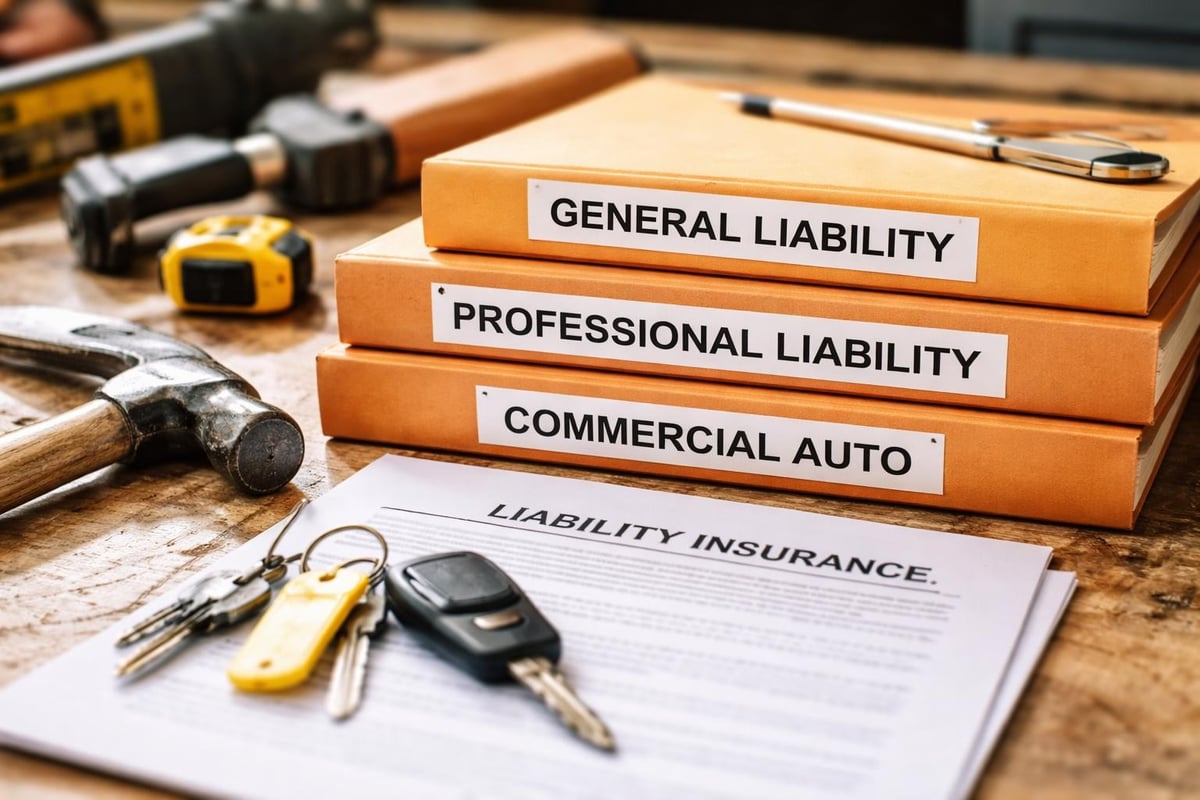
Handyman liability insurance isn't a single policy-it's a comprehensive protection package designed to address multiple risk areas. Understanding each component helps you make informed decisions about your coverage needs.
General Liability Insurance: Your First Line of Defense
General liability forms the cornerstone of your insurance portfolio. This coverage protects you when your work causes bodily injury or property damage to others. According to industry insurance experts, this is the most critical policy for contractors.
What general liability covers:
- Third-party bodily injuries on job sites
- Property damage from your operations
- Personal and advertising injury claims
- Medical payments for minor injuries
- Legal defense costs and settlements
In Minnesota, where seasonal weather creates unique challenges, general liability proves especially valuable. Ice during winter months increases slip-and-fall risks, while summer projects may involve working on elevated surfaces or handling materials that could damage customer property.
Professional Liability: Protecting Your Workmanship
While general liability handles accidents, professional liability (also called errors and omissions insurance) covers mistakes in your actual work. If you install a ceiling fan that later malfunctions or build shelving that doesn't meet specifications, this coverage responds.
Minnesota handymen working in cities like Minneapolis and St. Paul often encounter strict building codes and demanding customers who expect perfection. Professional liability insurance gives you confidence to take on complex projects without fearing financial ruin from honest mistakes.
| Coverage Type | What It Protects | Average Annual Cost |
|---|---|---|
| General Liability | Accidents & property damage | $500 – $1,500 |
| Professional Liability | Workmanship errors | $400 – $1,200 |
| Commercial Auto | Vehicle accidents | $1,200 – $2,500 |
| Workers Compensation | Employee injuries | $2,000 – $5,000 |
| Tools & Equipment | Theft or damage | $300 – $800 |
Commercial Auto Insurance: Covering Your Mobile Office
Your vehicle isn't just transportation-it's essential business equipment carrying tools, materials, and supplies to job sites across Minnesota. Personal auto insurance won't cover business use, making commercial auto insurance mandatory.
Whether you're driving from Albany to a job site in Freeport or making multiple stops throughout the day, commercial auto insurance protects you from accidents, vehicle damage, and liability claims arising from business use of your vehicle.
How Much Handyman Liability Insurance Costs in Minnesota
Pricing varies significantly based on multiple factors, but Minnesota handymen typically invest between $1,500 and $4,000 annually for comprehensive coverage packages. Understanding what influences your premiums helps you budget effectively and potentially reduce costs.
Key factors affecting your insurance rates:
- Years of experience in the handyman industry
- Types of services you offer (electrical work costs more than painting)
- Annual revenue and number of projects
- Claims history and safety record
- Coverage limits and deductibles selected
- Geographic location within Minnesota
The Association of Certified Handyman Professionals recommends obtaining quotes from multiple carriers to ensure competitive pricing. As an independent broker with access to over 35 insurance companies, we help Minnesota handymen compare options efficiently.
Strategies to Reduce Your Insurance Premiums
Smart handymen don't just accept the first quote they receive. Several proven strategies can lower your handyman liability insurance costs without sacrificing essential protection.
Bundling multiple policies with one carrier often triggers substantial discounts. Combining general liability, commercial auto, and tools coverage can save 15-25% compared to purchasing separate policies. Additionally, maintaining a clean claims history demonstrates lower risk to insurers.
Proven cost-reduction tactics:
- Increase deductibles on property coverage
- Install security systems for tool storage
- Complete safety certification programs
- Implement written safety protocols
- Join professional handyman associations
Required vs. Recommended Coverage Levels
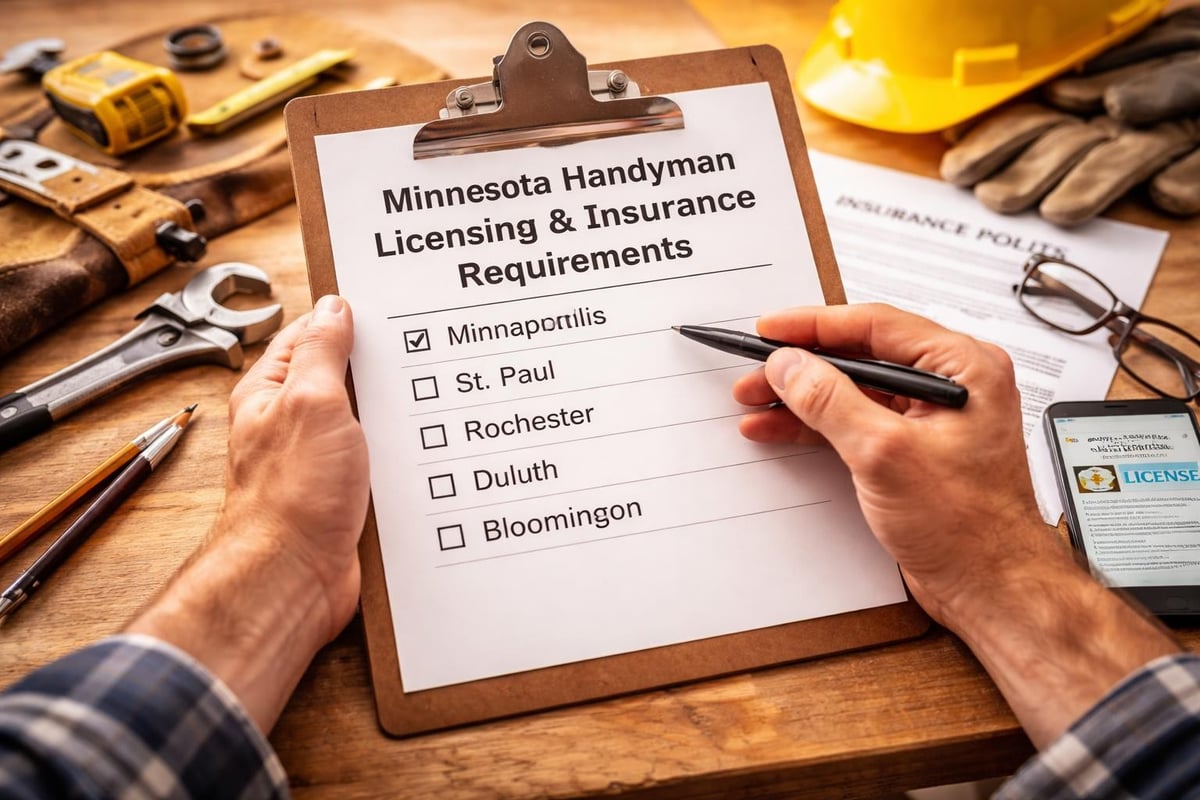
Minnesota doesn't mandate handyman liability insurance for sole proprietors, but that doesn't mean you should operate without it. Many clients, particularly commercial property managers and homeowners associations, require proof of insurance before allowing contractors on their properties.
Minimum Coverage Recommendations
Industry standards suggest carrying at least $1 million per occurrence and $2 million aggregate for general liability. This provides adequate protection for most handyman operations while satisfying client requirements. However, if you work on high-value properties in areas like Edina or Wayzata, consider increasing limits to $2 million per occurrence.
Professional liability coverage should match your general liability limits to ensure comprehensive protection. If you carry $1 million in general liability, maintain similar limits for professional liability.
Workers compensation becomes legally required when you hire employees in Minnesota. Even if you operate solo now, understanding workers compensation insurance coverage prepares you for future growth.
Special Coverage Considerations for Minnesota Handymen
Minnesota's climate and geography create unique insurance needs that handymen in warmer states don't face. Winter weather, ice dams, and seasonal property maintenance generate specific risks requiring attention.
Seasonal Weather Risks
Winter projects in Rochester or Mankato involve working in conditions that increase accident risks. Ice accumulation, snow removal, and frozen equipment all contribute to higher injury potential. Your handyman liability insurance should address these seasonal challenges.
Winter-specific coverage needs include:
- Slip-and-fall protection during ice events
- Property damage from snow and ice removal
- Equipment breakdown coverage for frozen tools
- Increased liability during winter roof repairs
Spring and summer bring their own challenges, particularly water damage risks during the wet season. Ensure your policy adequately covers water-related incidents when working on roofs, gutters, or outdoor projects.
High-Risk Services Requiring Additional Coverage
Not all handyman services carry equal risk. Certain specialties demand enhanced coverage or separate policies. Electrical work, plumbing modifications, and HVAC repairs typically require specialized licensing and insurance beyond standard handyman liability insurance.
If you offer these services in Minnesota, discuss endorsements or separate policies with your insurance broker. Commercial insurance for specialized businesses often includes customizable options for contractors expanding their service offerings.
| Service Type | Risk Level | Additional Coverage Needed |
|---|---|---|
| Painting/Staining | Low | Standard coverage sufficient |
| Carpentry/Woodwork | Medium | Consider increased limits |
| Electrical Work | High | Requires contractor's license + enhanced coverage |
| Plumbing | High | Specialized endorsements recommended |
| Structural Repairs | High | Professional liability essential |
Tools and Equipment Coverage: Protecting Your Livelihood
Your tools represent a significant investment-often $10,000 to $30,000 for established handymen. Standard handyman liability insurance doesn't automatically protect this equipment from theft, damage, or loss.
Inland marine coverage (also called tools and equipment insurance) fills this gap. This specialized protection follows your tools wherever they go, whether locked in your truck overnight in Brooklyn Park or stored at a job site in Burnsville.
What tools and equipment coverage protects:
- Power tools and hand tools
- Ladders and scaffolding
- Specialty equipment
- Tools stolen from vehicles
- Accidental damage on job sites
Consider actual cash value versus replacement cost coverage. Replacement cost policies cost more but ensure you can replace stolen or damaged tools with new equivalents, not depreciated values.
Obtaining and Using Certificates of Insurance
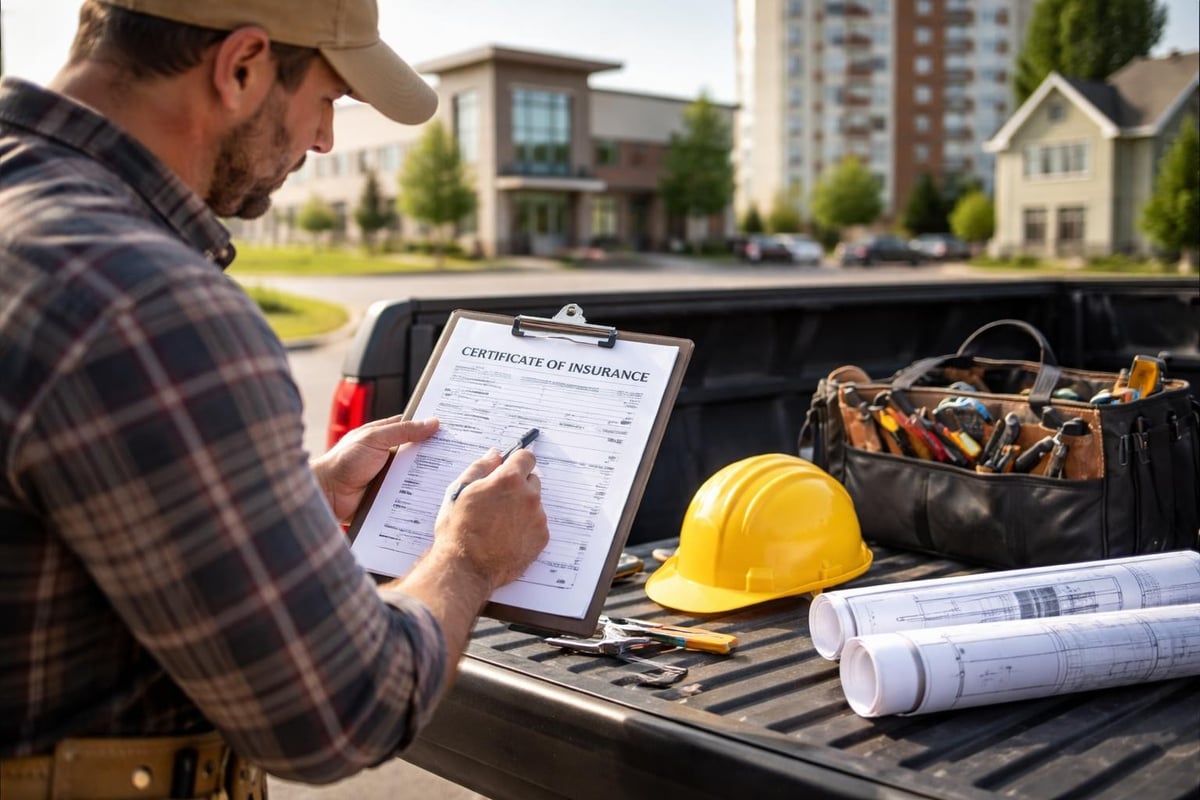
Clients frequently request certificates of insurance before hiring contractors. These documents prove you maintain adequate coverage and meet their insurance requirements. Understanding how to obtain and present certificates professionally separates amateur handymen from established professionals.
Your insurance broker can issue certificates within hours, typically at no additional cost. The certificate lists your coverage types, policy numbers, effective dates, and coverage limits. According to business insurance resources, maintaining ready access to current certificates streamlines the bidding process.
What Clients Look for on Certificates
Property managers and homeowners associations in Minneapolis and St. Paul typically require specific coverage elements before approving contractors. Understanding these requirements helps you bid confidently on larger projects.
Standard certificate requirements include:
- General liability with $1-2 million limits
- Commercial auto insurance (if applicable)
- Workers compensation (if you have employees)
- Additional insured endorsements
- Current policy dates without lapses
Some clients require being named as "additional insured" on your policy. This endorsement extends your coverage to protect them from liability arising from your work. Discuss this option with your broker before signing contracts requiring additional insured status.
Comparing Insurance Providers for Minnesota Handymen
Not all insurance companies understand the unique needs of handyman businesses. Working with a broker specializing in contractor insurance ensures you receive appropriate coverage at competitive rates. According to Simply Business insurance guidance, comparing multiple carriers is essential for finding optimal coverage.
What to Look for in an Insurance Provider
Experience with handyman businesses matters significantly. Insurers familiar with your industry understand the risks you face and structure policies accordingly. They also process claims more efficiently because they recognize common handyman scenarios.
Essential qualities in your insurance provider:
- Specialization in contractor coverage
- Financial strength ratings (A.M. Best A- or higher)
- Responsive claims service
- Flexible payment options
- Multiple coverage customization options
Independent brokers like Guardian Insurance Services MN offer advantages over direct insurers by providing access to multiple carriers. This means you can compare coverage options without contacting dozens of companies individually.
Flexible Coverage Options for Growing Businesses
Your insurance needs evolve as your handyman business grows. What worked when you operated solo from your garage in Sauk Rapids may not suffice when you employ three workers and maintain commercial office space in St. Cloud.
On-Demand and Flexible Policies
Some insurers now offer on-demand handyman liability insurance that you can activate for specific projects. Thimble’s handyman insurance options exemplify this trend, allowing contractors to purchase coverage by the day, month, or year.
While convenient for occasional handymen, full-time professionals typically benefit more from annual policies that provide continuous coverage and often lower per-day costs. However, on-demand options work well for specific high-risk projects requiring temporarily increased limits.
Scaling Coverage as You Hire Employees
The moment you hire your first employee in Minnesota, workers compensation insurance becomes legally mandatory. This represents a significant cost increase, but it's non-negotiable. Budget for this expense when planning to expand your team.
Employee additions also necessitate higher general liability limits since more workers mean increased risk exposure. Review your coverage annually with your broker to ensure limits keep pace with business growth.
Common Claims and How Insurance Responds
Understanding typical handyman liability insurance claims helps you appreciate why this coverage matters. Real-world scenarios from Minnesota handymen illustrate how policies respond when things go wrong.
Property Damage Scenarios
A handyman in Moorhead accidentally drilled into a concealed water pipe while installing shelving, causing $18,000 in water damage throughout the home. His general liability policy covered the property damage, cleanup costs, and temporary housing for the displaced family.
Another contractor in Owatonna knocked over a valuable antique while moving furniture during a painting job. The $4,500 vase shattered. General liability covered the replacement cost without requiring the handyman to pay out of pocket.
Common property damage claims include:
- Water damage from plumbing errors
- Fire damage from electrical work
- Flooring damage from dropped tools
- Wall damage during installations
- Broken fixtures or furnishings
Bodily Injury Claims
A homeowner in Winona tripped over a handyman's extension cord and broke their wrist. Medical bills totaled $8,200, and the homeowner missed three weeks of work. The contractor's general liability policy covered medical expenses and lost wages.
These scenarios demonstrate why adequate limits matter. A single serious injury claim can exceed $100,000 when considering medical costs, lost wages, and pain and suffering damages. Comprehensive liability insurance coverage protects your business assets and personal savings from such catastrophic claims.
Beyond Liability: Additional Coverage to Consider
While handyman liability insurance addresses the most critical risks, several supplementary coverages deserve consideration as your business matures.
Business Personal Property Coverage
If you maintain an office, shop, or storage facility in Minnesota, business personal property coverage protects inventory, supplies, and equipment stored at these locations. This differs from inland marine coverage, which protects tools traveling to job sites.
Umbrella Liability Policies
Umbrella policies provide additional liability coverage above your primary policies. If your general liability policy has $1 million limits but you face a $1.5 million claim, umbrella coverage responds to the excess $500,000.
These policies cost relatively little (often $200-400 annually for $1 million additional coverage) but provide significant peace of mind when working on high-value properties or complex projects.
| Additional Coverage | Purpose | Who Needs It |
|---|---|---|
| Business Personal Property | Protects shop inventory | Handymen with permanent facilities |
| Umbrella Liability | Excess liability protection | Those working on expensive properties |
| Cyber Liability | Data breach protection | Handymen storing customer information |
| Employment Practices | Employee lawsuit protection | Businesses with 3+ employees |
| Surety Bonds | Contract completion guarantee | Those bidding commercial projects |
Making the Right Insurance Decision for Your Handyman Business
Choosing appropriate handyman liability insurance requires balancing adequate protection against affordable premiums. The cheapest policy rarely provides the best value if it leaves critical gaps in coverage.
Start by identifying your specific risk exposures. Do you work primarily on residential properties or commercial buildings? What services generate the highest revenue? Which tasks carry the greatest liability risks? Honest answers to these questions guide coverage decisions.
Next, determine appropriate coverage limits based on your typical project values and client requirements. If most projects fall below $50,000, standard $1 million limits likely suffice. However, if you regularly work on properties valued at $500,000 or more, consider $2 million limits.
Finally, review your coverage annually. As your Minnesota handyman business grows and evolves, your insurance needs change. What protected you adequately in 2024 may leave dangerous gaps in 2026. Schedule annual reviews with your broker to ensure continuous, appropriate coverage.
According to EZ Insure’s handyman insurance analysis, contractors who regularly review and update their coverage experience fewer coverage disputes and faster claim resolutions than those who purchase policies and forget about them.
Questions to Ask Before Purchasing Coverage
Don't sign insurance contracts without understanding exactly what you're buying. Ask these critical questions to ensure you receive appropriate protection.
Essential questions for your insurance broker:
- What specific exclusions apply to my policy?
- How does the claims process work?
- Can I adjust coverage limits as needed?
- What discounts are available?
- How quickly can you issue certificates of insurance?
- What happens if I miss a premium payment?
- Does my policy include automatic inflation protection?
A knowledgeable broker answers these questions clearly and helps you understand policy language. If your broker can't explain coverage terms in plain English, find one who can.
Detailed insurance information from EInsurance provides additional guidance on coverage components and helps you prepare informed questions for insurance consultations.
Protecting your handyman business with appropriate liability insurance isn't optional in 2026-it's the foundation that allows you to operate confidently and professionally across Minnesota. Whether you're installing cabinets in Albany, repairing decks in Freeport, or providing maintenance services throughout the state, the right coverage protects everything you've worked to build. Guardian Insurance Services MN specializes in helping Minnesota handymen navigate insurance options, comparing coverage from over 35 top carriers to find the perfect protection for your specific needs. Contact our team today to discuss your handyman liability insurance requirements and discover how personalized service and local expertise can provide the coverage you need at rates that fit your budget.