
Choosing the right protection for your home represents one of the most critical financial decisions you'll make. With property values climbing across Minnesota and weather events becoming more unpredictable, homeowners need coverage they can trust. The challenge isn't finding insurance companies for homeowners insurance, it's identifying which providers offer the best combination of comprehensive coverage, competitive pricing, and responsive service when you need it most. Whether you own a historic Victorian in St. Paul, a lakeside cabin near Brainerd, or a modern farmhouse in Albany, understanding your options empowers you to make informed decisions that protect your investment.
Understanding What Homeowners Insurance Covers
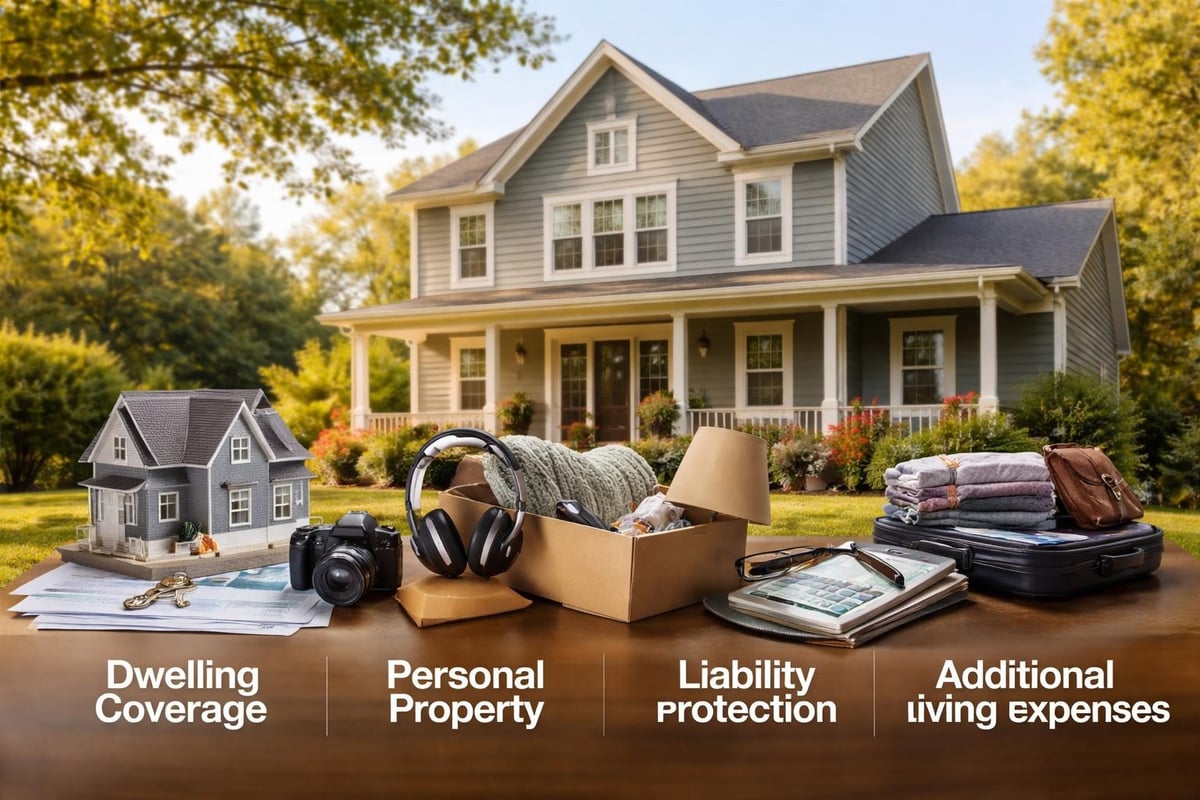
Homeowners insurance protects your property against specific perils outlined in your policy. Standard coverage typically includes your dwelling structure, personal belongings, liability protection, and additional living expenses if your home becomes uninhabitable.
Standard Coverage Components:
- Dwelling coverage pays for damage to your home's structure from covered perils like fire, wind, or hail
- Personal property protection covers belongings inside your home, from furniture to electronics
- Liability coverage protects you financially if someone is injured on your property
- Additional living expenses cover temporary housing if you need to relocate during repairs
- Medical payments handle minor injuries to guests regardless of fault
Minnesota homeowners face unique risks that require specific attention. Severe winter storms, spring flooding, and summer hail storms create distinct coverage needs. Understanding property policy requirements helps you identify gaps before disaster strikes.
Special Considerations for Minnesota Properties
Minnesota's climate creates coverage considerations that differ from other regions. Ice dam damage, frozen pipe bursts, and wind-driven snow require specific policy provisions. Many standard policies exclude certain water damage, making it essential to review your coverage carefully.
The age and construction of your home significantly impacts both coverage availability and pricing. Historic homes in Minneapolis or Duluth may require specialized insurers who understand period construction methods and replacement costs for vintage materials.
Top Insurance Companies for Homeowners Insurance
Selecting from insurance companies for homeowners insurance requires evaluating multiple factors beyond price alone. Financial stability ratings, claims processing speed, customer service quality, and coverage flexibility all influence your long-term satisfaction.
According to comprehensive industry reviews, the best providers combine strong financial ratings with responsive claims handling. However, national rankings don't always reflect regional performance or specific Minnesota needs.
| Insurance Company | Financial Strength | Average Premium | Claims Satisfaction | Minnesota Availability |
|---|---|---|---|---|
| State Farm | A++ (Superior) | Competitive | High | Excellent |
| Auto-Owners | A++ (Superior) | Moderate | Very High | Excellent |
| Travelers | A++ (Superior) | Higher | High | Excellent |
| Allstate | A+ (Superior) | Variable | Moderate | Excellent |
| Nationwide | A+ (Superior) | Competitive | Moderate | Excellent |
Regional and National Provider Options
National carriers offer extensive resources and established claims networks. They typically provide digital tools for policy management and claims filing, along with nationwide coverage if you travel frequently.
Regional insurers often deliver more personalized service and better understanding of local conditions. They may offer more competitive rates for Minnesota-specific risks and provide faster local claims response. Working with general insurance agencies gives you access to both national and regional options.
Independent brokers represent multiple insurance companies for homeowners insurance simultaneously, comparing coverage and pricing across dozens of providers. This approach often uncovers savings and coverage options you wouldn't find working directly with a single carrier.
Evaluating Coverage Options and Policy Types
Not all homeowners policies provide equal protection. Understanding the difference between policy types prevents unpleasant surprises when you file a claim.
HO-3 Special Form Policies
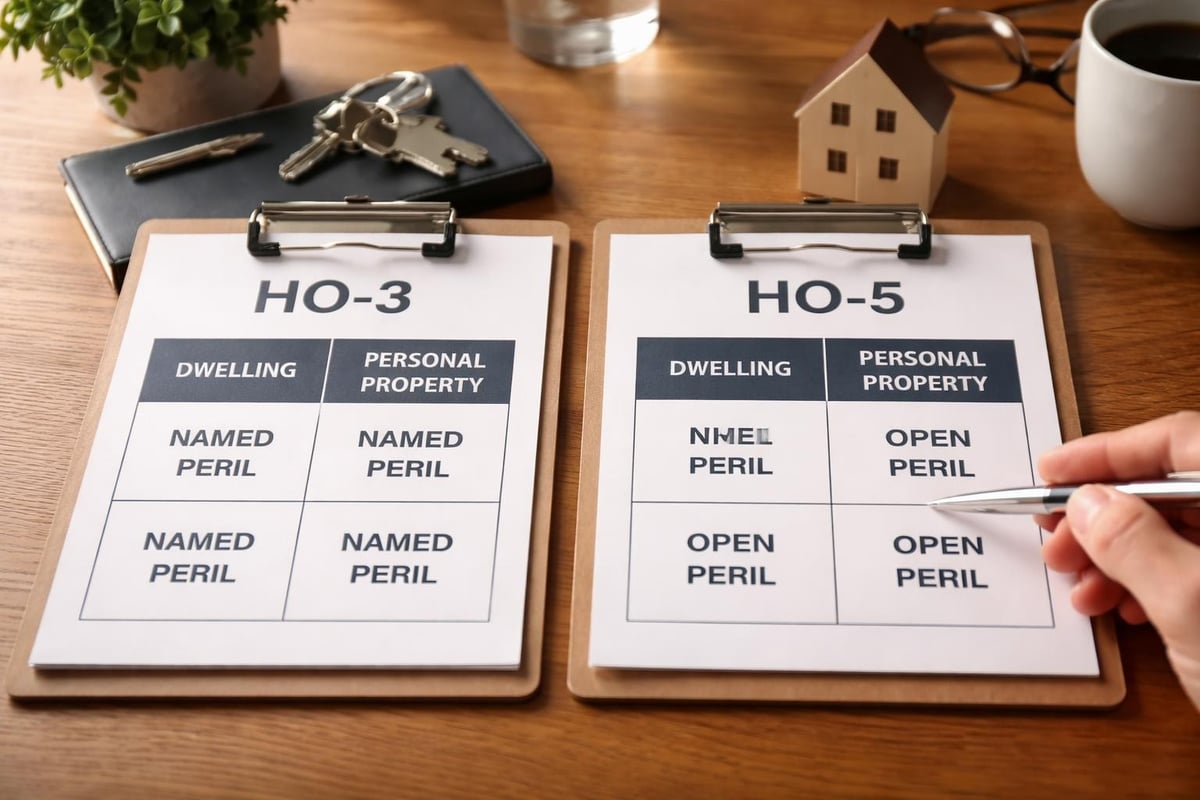
The most common policy type covers your dwelling on an "open peril" basis, protecting against all risks except those specifically excluded. Personal property receives "named peril" coverage, protecting only against specifically listed events.
HO-5 Comprehensive Form Policies
These premium policies provide open peril coverage for both dwelling and personal property. While more expensive, they offer superior protection by covering a broader range of scenarios without requiring specific listing.
Key Policy Features to Compare:
- Replacement cost vs. actual cash value for personal property
- Guaranteed or extended replacement cost for dwelling coverage
- Water backup coverage limits and exclusions
- Ordinance or law coverage for code upgrades during repairs
- Personal liability limits and umbrella policy compatibility
Insurance companies for homeowners insurance increasingly offer endorsements that customize coverage. Scheduled personal property endorsements protect high-value items like jewelry or art. Identity theft coverage addresses modern risks that didn't exist when traditional policies were designed.
Factors That Influence Your Premium Costs
Understanding what drives your insurance costs empowers you to make strategic decisions that reduce premiums without sacrificing protection. Multiple factors combine to determine your final rate.
Your home's characteristics significantly impact pricing. Age, construction type, roof condition, heating systems, and electrical wiring all affect risk assessment. Homes in Rochester with newer roofs and updated electrical systems receive better rates than those with original 1950s components.
Premium-Influencing Factors:
- Location and proximity to fire protection services
- Claims history on the property and your personal record
- Credit score in states where credit-based insurance scoring applies
- Coverage limits and deductible amounts selected
- Security features like alarm systems and deadbolt locks
- Bundling discounts when combining home and auto policies
Detailed homeowners insurance research shows that small changes in coverage structure can yield substantial savings. Increasing your deductible from $500 to $1,000 typically reduces premiums by 15-25 percent.
Discount Opportunities You Shouldn't Miss
Insurance companies for homeowners insurance offer numerous discounts that many policyholders overlook. Multi-policy discounts alone can save 15-20 percent when you bundle home and auto coverage. New home discounts reward recently constructed properties with lower rates for the first few years.
Protective device discounts apply to homes with monitored security systems, fire alarms, or smart home water leak detection systems. Some insurers offer loyalty discounts after you've maintained coverage for several years without claims.
The Independent Insurance Broker Advantage
Navigating insurance companies for homeowners insurance independently consumes significant time and often leads to suboptimal coverage choices. Independent brokers streamline this process while expanding your options.
Unlike captive agents who represent a single insurer, independent brokers access dozens of carriers simultaneously. This competitive marketplace approach ensures you see the full range of available options rather than whatever one company offers.
| Approach | Number of Options | Price Comparison | Coverage Customization | Service Model |
|---|---|---|---|---|
| Direct to Carrier | 1 company | None | Limited to one carrier | Self-service focused |
| Captive Agent | 1 company | None | Limited to one carrier | Agent supported |
| Independent Broker | 35+ companies | Comprehensive | Extensive across carriers | Personalized service |
Working with brokers in Albany or Freeport means you get face-to-face service combined with extensive market access. They handle policy shopping, comparison, and ongoing service, including claims assistance when problems arise.
Expert Guidance Through Complex Decisions
Minnesota's diverse property landscape requires nuanced insurance knowledge. A lakefront property near Alexandria faces different risks than a St. Cloud suburban home or a rural farmstead near Freeport. Commercial property insurance expertise translates to better understanding of property risks across all categories.
Independent brokers review your specific situation, identify unique risks, and match you with insurers who specialize in your property type. This personalized approach prevents coverage gaps that surface only after a claim denial.
What Minnesota Homeowners Should Know About Current Market Conditions
The homeowners insurance market experienced significant turbulence in recent years, with many carriers reevaluating their risk exposure. While Minnesota avoided the extreme disruptions affecting states like Florida and California, understanding market dynamics helps you make strategic timing decisions.
According to industry reporting on insurance market challenges, consumers nationwide express concerns about rising rates and availability. Minnesota homeowners generally maintain better access to competitive options, but rates continue climbing due to increased claim costs and severe weather events.
Construction costs surged following pandemic supply chain disruptions, making dwelling replacement more expensive. This reality necessitates regular coverage reviews to ensure your limits reflect current rebuilding costs. Underinsured properties create financial hardship when claims exceed outdated coverage limits.

Preparing for Your Annual Policy Review
Smart homeowners treat insurance as a dynamic protection strategy rather than a set-it-and-forget-it product. Annual reviews ensure your coverage evolves with your property and life changes.
Annual Review Checklist:
- Document home improvements and additions completed during the year
- Update personal property inventory with new high-value purchases
- Review claims filed and assess impact on future premiums
- Compare current coverage limits against updated replacement cost estimates
- Shop competing quotes from insurance companies for homeowners insurance
- Evaluate deductible adjustments based on financial situation changes
Major life events trigger immediate policy reviews rather than waiting for annual renewal. Marriage, divorce, starting a home business, or acquiring valuable collections all necessitate coverage adjustments. Personal insurance portfolios should reflect current circumstances.
Maximizing Your Coverage While Controlling Costs
Strategic insurance purchasing balances comprehensive protection against budget constraints. Several approaches help you achieve this equilibrium without compromising essential coverage.
Bundling policies with a single provider or broker generates immediate savings. Combining homeowners, auto, and umbrella liability coverage typically reduces total premiums compared to spreading policies across multiple carriers. However, bundling only makes sense if the combined price beats unbundled alternatives.
Higher deductibles reduce premiums but require adequate emergency savings to cover out-of-pocket costs when claims occur. A $2,500 deductible might save $400 annually compared to a $1,000 deductible, but only makes financial sense if you can comfortably absorb that cost during an emergency.
Home Improvements That Reduce Insurance Costs
Strategic home improvements deliver dual benefits: enhanced property value and lower insurance premiums. New roofs, updated electrical systems, modern plumbing, and heating system replacements all reduce risk profiles.
Impact-resistant roofing materials reduce hail damage risk, qualifying for premium discounts in many policies. Water leak detection systems prevent catastrophic water damage, the leading source of homeowners insurance claims. These investments often pay for themselves through reduced premiums over 5-10 years.
Security system installations not only protect against theft but also generate ongoing premium discounts. Central station monitoring provides maximum discount potential compared to local alarm-only systems.
Understanding the Claims Process Before You Need It
Knowing how to navigate claims before disaster strikes reduces stress and improves outcomes. Different insurance companies for homeowners insurance maintain varying claims processes, but understanding general procedures helps you prepare.
Immediately after a loss, prioritize safety and prevent further damage. Most policies require you to take reasonable steps to protect your property from additional harm. Covering broken windows, tarping damaged roofs, or shutting off water sources demonstrates responsible ownership.
Effective Claims Filing Steps:
- Contact your insurance company or broker immediately to report the loss
- Document all damage with photographs and video before cleanup
- Create detailed lists of damaged or destroyed personal property
- Obtain multiple contractor estimates for repair costs
- Maintain records of all expenses related to the loss
- Cooperate fully with insurance adjusters during property inspection
Working with independent brokers provides advocacy during claims processing. They understand policy language, negotiate with adjusters, and ensure you receive fair settlements. This support proves invaluable when facing large or complex claims.
Specialty Coverage Needs for Unique Properties
Standard homeowners policies don't adequately protect all property types. Unique homes require specialized coverage from insurance companies for homeowners insurance that understand non-traditional risks.
Historic homes in Minneapolis or Red Wing often contain irreplaceable architectural elements and require specialized craftsmen for proper restoration. Standard policies may not provide sufficient coverage for authentic period restoration methods and materials.
High-value homes exceeding $750,000 in value need enhanced coverage limits and specialized insurers. These properties typically require extended replacement cost coverage guaranteeing full rebuilding regardless of policy limits, along with higher personal property and liability limits.
Rural properties and hobby farms face exposures beyond standard homeowners coverage. Outbuildings, farm equipment, livestock, and agricultural operations require specific policy provisions or separate farm insurance policies.
Vacation and Seasonal Properties
Cabins and seasonal properties near Lake Mille Lacs, Otter Tail County, or along the North Shore require different coverage approaches. Unoccupied properties face increased vandalism and freeze damage risks that many insurers address through seasonal property policies with specific provisions and potentially higher premiums.
Rental properties, whether long-term or vacation rentals, need landlord or dwelling fire policies rather than standard homeowners coverage. Personal homeowners policies exclude coverage for rental activities, creating dangerous coverage gaps if you rent your property without proper policy adjustments.
How to Compare Quotes Effectively
Simply collecting quotes from multiple insurance companies for homeowners insurance doesn't guarantee you'll make the best decision. Effective comparison requires analyzing coverage details beyond premium numbers.
Quotes should reflect identical coverage limits, deductibles, and endorsements for accurate comparison. Requesting replacement cost coverage from one insurer and actual cash value from another produces misleading price differences that don't reflect true value.
Leading insurance comparison resources emphasize examining coverage details rather than focusing exclusively on price. The cheapest policy frequently provides inferior coverage that costs more in the long run through denied claims or inadequate limits.
Quote Comparison Factors:
- Dwelling coverage limits and replacement cost guarantees
- Personal property coverage type and limits
- Liability coverage amounts and exclusions
- Deductible amounts for different peril types
- Additional endorsements included or available
- Discount applications and eligibility requirements
- Financial strength ratings of the insurance company
- Customer service reviews and claims satisfaction scores
Request quotes from both national carriers and regional insurers through an independent broker. This comprehensive approach surfaces options you wouldn't discover working with a single source.
Making Your Final Decision
After gathering information, comparing options, and understanding coverage nuances, you need a framework for making your final selection among insurance companies for homeowners insurance.
Financial stability should rank as a top priority. An insurer's ability to pay claims matters more than premium savings. Choose carriers with A.M. Best ratings of A or higher, indicating superior financial strength and claim-paying ability.
Customer service quality affects your experience throughout the policy lifetime, not just during claims. Read recent customer reviews, ask for references, and test responsiveness by calling with questions before purchasing. Companies that respond slowly during the sales process rarely improve after binding coverage.
Coverage comprehensiveness matters more than premium cost in most scenarios. Gaps in coverage expose you to potentially devastating financial losses that dwarf premium savings. Ensure your selected policy provides adequate protection for your specific property and circumstances.
Protecting your Minnesota home requires finding the right balance between comprehensive coverage and affordable premiums. Working with experienced professionals who understand both your unique needs and the full marketplace of insurance companies for homeowners insurance ensures you secure optimal protection. Whether you own property in Albany, Freeport, or anywhere across Minnesota, Guardian Insurance Services MN provides access to over 35 top insurance companies, delivering personalized service that helps you find the best coverage at the most competitive rates.