
Providing health insurance to employees has become one of the most critical decisions Minnesota business owners face in 2026. Whether you're running a small operation in St. Cloud or managing a growing enterprise in Minneapolis, your health benefits strategy directly impacts recruitment, retention, and your bottom line. Minnesota employers who understand the nuances of employee health coverage gain a competitive advantage in attracting top talent while managing costs effectively. The landscape of employer-sponsored health benefits continues to evolve with new regulations, rising premiums, and changing employee expectations, making it essential for business owners to stay informed about their options and obligations.
Why Minnesota Employers Should Prioritize Health Insurance Benefits
Minnesota businesses face intense competition for skilled workers across industries from agriculture to technology. Offering comprehensive health insurance to employees signals that you value your workforce and their wellbeing.
The recruitment advantage cannot be overstated. When job seekers compare opportunities in Rochester or Duluth, robust health benefits often tip the scales. Prospective employees frequently rank health coverage as their top priority, sometimes even above salary considerations.
Beyond recruitment, retention becomes significantly easier when employees feel protected. Workers who worry about medical costs or lack coverage are constantly scanning job boards. Your investment in their health becomes an investment in stability and reduced turnover expenses.
Financial Implications for Minnesota Business Owners
Understanding the true cost of providing health insurance to employees requires looking beyond monthly premiums. According to comprehensive employer health benefits survey data, average annual premiums for employer-sponsored health insurance have continued their upward trajectory, with family coverage now exceeding $24,000 annually in many cases.
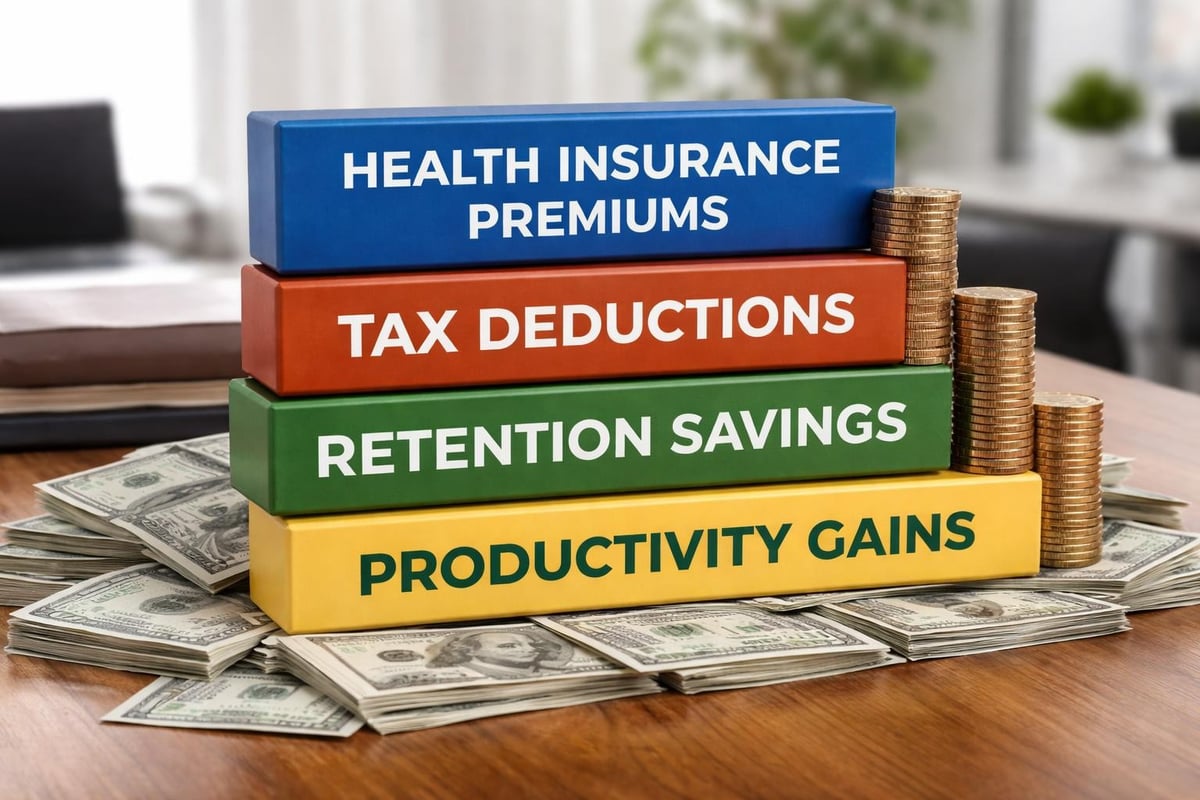
However, these costs tell only part of the story:
- Tax advantages reduce your actual expenditure through deductible business expenses
- Employee productivity increases when workers access preventive care and treatment
- Reduced absenteeism saves money through fewer sick days and better health outcomes
- Lower recruitment costs offset premium expenses through improved retention rates
Minnesota businesses that partner with independent insurance brokers offering commercial coverage gain access to multiple carriers and can compare options efficiently. This approach helps identify cost-effective solutions without compromising coverage quality.
Navigating Legal Requirements and Compliance Standards
The regulatory landscape surrounding health insurance to employees creates complexity for Minnesota business owners. Federal and state requirements intersect in ways that demand careful attention to avoid penalties.
Affordable Care Act Employer Mandate
Businesses with 50 or more full-time equivalent employees must offer affordable, minimum-value health coverage. The IRS reporting requirements for employer health insurance outline specific documentation obligations that apply annually.
Key compliance thresholds include:
- Coverage must be offered to at least 95% of full-time employees and their dependents
- The employee contribution for self-only coverage cannot exceed 9.12% of household income in 2026
- The plan must cover at least 60% of total allowed costs of benefits
- Annual reporting through Forms 1094-C and 1095-C remains mandatory
Smaller Minnesota employers with fewer than 50 employees aren't subject to the mandate but may benefit from tax credits through the Small Business Health Options Program (SHOP) when they choose to offer coverage voluntarily.
Minnesota-Specific Considerations
Minnesota law adds additional layers of protection and requirements. State continuation coverage (similar to COBRA) applies to employers with 2 or more employees, broader than federal thresholds. Mental health parity requirements and mandated coverage for specific treatments affect plan design.
| Requirement Type | Applicable To | Key Provision |
|---|---|---|
| ACA Employer Mandate | 50+ FTE employees | Must offer affordable coverage |
| Minnesota Continuation | 2+ employees | Extended coverage rights |
| Mental Health Parity | All group plans | Equal treatment limitations |
| Preventive Care | All ACA-compliant plans | No cost-sharing for preventive services |
Working with employee benefits specialists in Minnesota helps ensure your business remains compliant while maximizing the value you provide to your team.
Designing an Effective Health Benefits Package
Creating the right health insurance to employees program requires balancing cost containment with meaningful coverage. Minnesota employers have numerous plan types and structures to consider.
Plan Type Comparisons
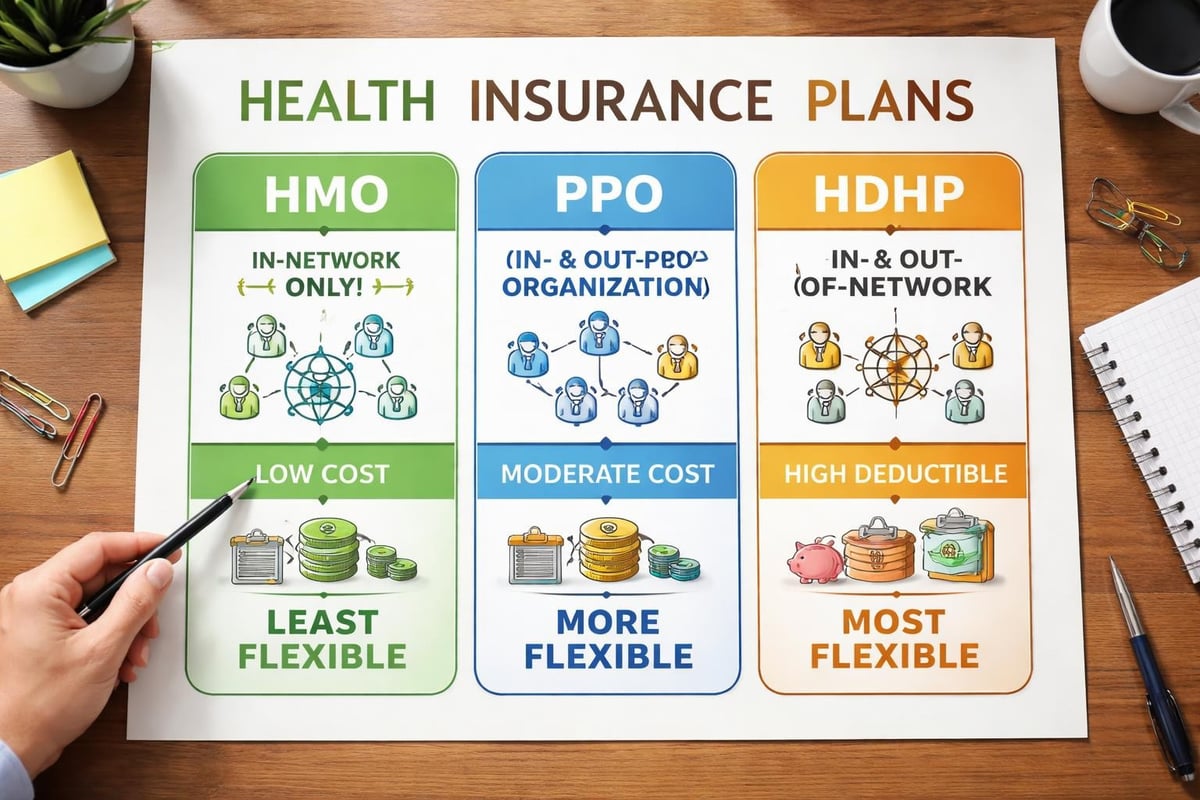
Health Maintenance Organizations (HMOs) dominate Minnesota's market, particularly in the Twin Cities metro area. These plans offer lower premiums and predictable costs but require employees to use network providers and obtain referrals for specialists.
Preferred Provider Organizations (PPOs) provide greater flexibility with out-of-network coverage options. Employees throughout Minnesota appreciate the ability to see specialists without referrals, though higher premiums and deductibles come with this freedom.
High-Deductible Health Plans (HDHPs) paired with Health Savings Accounts create tax-advantaged savings opportunities. These plans work particularly well for younger, healthier workforces or as supplementary options in a multi-tier benefits strategy.
Coverage Tier Strategies
Minnesota employers typically offer coverage at different contribution levels:
- Employee-only coverage: The baseline tier that most employers subsidize heavily
- Employee plus spouse: Common for dual-income households
- Employee plus child(ren): Critical for working parents
- Family coverage: Comprehensive option covering the entire household
Contribution strategies vary widely. Some Mankato and Bloomington businesses cover 100% of employee-only premiums while requiring larger employee contributions for family tiers. Others use percentage-based approaches, covering 75-80% across all tiers.
The key is communicating value clearly. When employees understand both the coverage they receive and your financial contribution, they appreciate the full scope of their compensation package.
Cost Management Strategies That Work
Controlling the expense of health insurance to employees without sacrificing quality requires strategic thinking and ongoing management.
Wellness Program Integration
Minnesota businesses that implement comprehensive wellness initiatives see measurable returns. Research on workplace health promotion programs demonstrates reduced healthcare utilization when employees engage in preventive activities.
Effective wellness programs include:
- Annual health screenings and biometric assessments
- Smoking cessation support and nicotine-free incentives
- Weight management and fitness challenges
- Mental health resources and stress management workshops
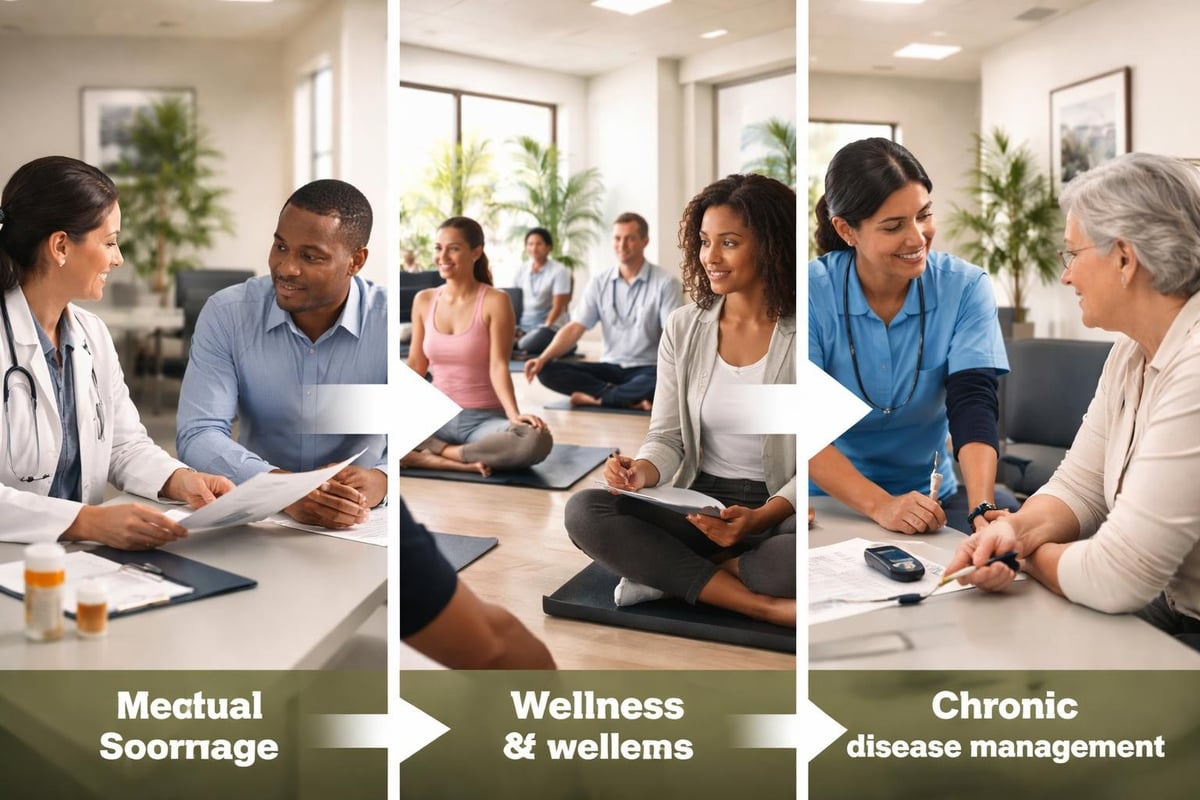
- Chronic disease management for conditions like diabetes and hypertension
A farming operation near Willmar might focus on injury prevention and ergonomics, while a Rochester tech company might emphasize mental health and work-life balance. Tailor your wellness strategy to your workforce demographics and risk factors.
Plan Design Innovations
Narrow network plans reduce costs by steering employees toward high-value providers. While these plans offer less choice than broad PPOs, they deliver significant premium savings when the network includes quality providers accessible to your workforce.
Reference-based pricing sets reimbursement levels based on Medicare rates or other benchmarks rather than accepting provider charges. This strategy requires careful implementation but can dramatically reduce claims costs.
Telemedicine benefits have exploded in popularity since 2020 and continue providing value in 2026. Virtual urgent care visits cost a fraction of emergency room visits and improve access for employees in rural Minnesota communities.
Selecting the Right Insurance Partner
The relationship between health insurance to employees and your insurance broker significantly impacts your program's success. Minnesota employers should seek partners who understand local market dynamics and bring genuine expertise.
Questions to Ask Potential Brokers
When evaluating insurance advisors for your business in areas like St. Paul or Edina, consider these critical questions:
- How many carrier relationships do you maintain, and which ones specialize in our industry?
- What experience do you have with businesses of our size in Minnesota?
- How do you stay current on ACA compliance and state-specific regulations?
- What employee communication and enrollment support do you provide?
- Can you provide references from similar Minnesota businesses?
General insurance agencies that serve Minnesota businesses should demonstrate deep familiarity with local providers, regulations, and market conditions specific to the state.
The Value of Independent Brokers
Independent brokers access multiple carriers rather than representing a single insurance company. This structure creates competitive pressure that benefits your business through better rates and enhanced service.
For businesses with diverse insurance needs, working with a broker who handles both commercial insurance and employee benefits creates efficiency. A single advisor understanding your complete risk profile can identify coverage gaps and coordination opportunities.
Implementation and Communication Best Practices
Successfully rolling out health insurance to employees demands more than simply selecting a plan and deducting premiums. The implementation phase determines whether employees value and utilize their benefits effectively.
Timeline for New Benefit Programs
| Timeframe | Action Items | Responsible Party |
|---|---|---|
| 120 days before | Evaluate current program, gather employee feedback | HR/Management |
| 90 days before | Request proposals, compare carrier options | Broker/HR |
| 60 days before | Select plans, finalize contribution strategy | Leadership team |
| 45 days before | Prepare communication materials, schedule meetings | HR/Broker |
| 30 days before | Conduct employee education sessions | Broker/HR |
| 15 days before | Individual enrollment assistance, answer questions | HR/Broker |
| Effective date | Monitor enrollment completion, resolve issues | HR |
| 30 days after | Follow-up communication, address initial claims | HR/Broker |
Communication Strategies That Drive Engagement
Multiple touchpoints ensure your message reaches all employees. Combine group presentations with written materials, video content, and one-on-one consultation opportunities. Don't assume a single announcement suffices.
Simplify complexity through clear comparisons and real-world examples. Rather than insurance jargon, explain scenarios: "If you have a baby in 2026, here's what you'll pay with each plan option."
Emphasize total compensation by showing the employer contribution clearly. When a Brainerd manufacturing employee sees you're contributing $8,000 annually toward their family coverage, they understand the true value of their benefits package.
Adapting Your Strategy Over Time
The health insurance to employees landscape never remains static. Minnesota employers must regularly reassess their approach to maintain competitiveness and cost-effectiveness.
Annual Renewal Optimization
Start early with renewal discussions. Begin conversations with your broker 120-150 days before your renewal date to allow time for market shopping if current rates prove uncompetitive.
Analyze utilization data to understand how employees use their coverage. High emergency room usage might indicate a need for better urgent care education. Low preventive care utilization suggests communication gaps about covered services.
Survey employee satisfaction to gather feedback beyond claims data. Employees might struggle with narrow networks, confusing cost-sharing, or poor customer service from the carrier, even if claims process smoothly.
Emerging Trends in Employee Health Benefits
Direct primary care arrangements are gaining traction in Minnesota. These models pair a high-deductible plan with unlimited primary care access for a flat monthly fee, reducing insurance utilization and improving care relationships.
Mental health expansion continues accelerating as employers recognize the connection between psychological wellbeing and productivity. Enhanced mental health coverage, including therapy and counseling services, has become a competitive differentiator.
Chronic condition programs target specific populations with diabetes, heart disease, or other ongoing conditions. These initiatives combine coaching, monitoring technology, and medication management to prevent complications and reduce costs.
Making the Decision: When and How to Offer Coverage
Minnesota businesses without current health insurance to employees programs face the decision of whether and when to begin offering coverage. Several factors should guide this choice.
Calculating Your Break-Even Point
Tax benefits reduce your effective cost significantly. Employer contributions are tax-deductible business expenses, and you avoid payroll taxes on amounts contributed to employee health insurance. The actual cost might be 25-35% lower than the gross premium depending on your tax situation.
Retention savings accumulate when employees stay longer. If replacing an employee costs 50-200% of their annual salary (depending on position and industry), preventing even one departure through better benefits can fund your health insurance program for multiple employees.
Productivity gains emerge from healthier employees who address medical issues promptly rather than delaying care. Reduced absenteeism and presenteeism (working while sick) deliver measurable value.
Alternative Approaches for Smaller Businesses
Health Reimbursement Arrangements (HRAs) allow businesses to reimburse employees for individual market premiums or medical expenses. Individual Coverage HRAs (ICHRAs) have grown popular since regulations clarified in 2020, offering flexibility for employers who want to contribute to health costs without sponsoring a group plan.
Qualified Small Employer HRAs (QSEHRAs) serve businesses with fewer than 50 employees who don't offer group coverage. Annual contribution limits apply, but this structure provides tax-advantaged health benefits without the complexity of group plan administration.
Stipend programs offer the simplest approach, though without tax advantages. Employers provide additional compensation designated for health insurance, but employees pay taxes on these amounts and purchase individual coverage independently.
Maximizing Your Investment in Employee Health
Beyond selecting quality coverage, Minnesota employers can amplify the value of health insurance to employees through strategic enhancements and thoughtful administration.
Voluntary Benefit Integration
Dental and vision coverage complement major medical plans at relatively low cost. Many Minnesota employees prioritize these benefits, particularly families with children who need regular dental care and eye exams.
Life and disability insurance provide financial security that employees value highly. Group term life insurance offers affordable protection, while short-term and long-term disability coverage protects income during illness or injury.
Critical illness and accident insurance fill gaps in major medical coverage by providing lump-sum payments when employees face cancer diagnoses, heart attacks, or serious accidents. These supplemental products cost modest amounts but deliver significant peace of mind.
Employee Education and Support
Benefits orientation sessions should occur at hire and annually during open enrollment. Don't assume employees understand deductibles, coinsurance, and out-of-pocket maximums without explanation.
Decision support tools help employees choose appropriate coverage levels. Online calculators that estimate annual costs based on expected usage patterns enable more informed choices.
Year-round assistance keeps your HR team or broker available for questions that arise during the plan year. When an employee faces a major medical event in Duluth or Rochester, knowledgeable guidance about coverage and claims procedures reduces stress.
Working with experienced advisors who understand workers’ compensation and other business insurance products ensures comprehensive protection across your entire risk profile. Coordinating health benefits with other coverage types prevents gaps and duplication.
Addressing Common Challenges and Obstacles
Even well-designed health insurance to employees programs encounter obstacles. Anticipating these challenges and developing proactive solutions protects your investment.
Managing Premium Increases
Multi-year rate guarantees aren't realistic, but understanding renewal timing helps with budgeting. Most Minnesota group health plans renew annually with rate adjustments based on claims experience and market trends.
Plan design modifications can offset increases. Moving from a $1,000 deductible to $1,500 might reduce premiums enough to keep employee contributions stable while your business absorbs a smaller increase.
Contribution strategy adjustments require clear communication. If you need to shift more cost to employees, explain the context honestly and provide adequate notice before open enrollment.
Handling Special Enrollment Situations
Qualifying life events trigger special enrollment rights outside annual open enrollment periods. Marriages, births, adoptions, and loss of other coverage all create 60-day windows for coverage changes.
Documentation requirements vary by event type. Your HR team or benefits administrator should maintain clear checklists for each qualifying event to ensure compliance and timely enrollment.
COBRA administration creates ongoing obligations when employees terminate. While frustrating to manage, proper COBRA compliance protects your business from penalties and lawsuits.
Supporting Employees Through Claims Issues
Provider billing disputes confuse employees who receive unexpected bills. Teaching employees to verify coverage before procedures and to contest incorrect charges protects them from unfair costs.
Explanation of benefits education helps employees understand what insurance paid versus what they owe. Many employees don't realize EOBs aren't bills and panic unnecessarily.
Appeals support demonstrates your commitment when insurance denies legitimate claims. Assisting employees through the appeals process, potentially involving your broker, can reverse denials and build tremendous goodwill.
Offering health insurance to employees represents a significant commitment that delivers measurable returns through improved recruitment, enhanced retention, and increased productivity throughout your Minnesota workforce. The complexity of selecting appropriate coverage, managing costs, and maintaining compliance requires expertise and ongoing attention to evolving regulations and market conditions. Whether you're operating in Albany, Freeport, or anywhere across Minnesota, Guardian Insurance Services MN provides the independent broker experience and access to over 35 top insurance carriers needed to design a health benefits program that protects your employees while managing your costs effectively. Contact their team today to explore your options and discover how the right employee benefits strategy can transform your business.