
Minnesota homeowners face unpredictable weather, from ice storms in Duluth to summer hail in Minneapolis. Are you confident your home is ready for 2026?
This guide unpacks house insurance mn, helping you understand exactly what protection you need for your Minnesota home. Our goal is to empower you with the latest, most actionable advice so you can make smart, confident choices.
We will break down the essentials of house insurance mn, spotlight 2026 policy changes, and explore coverage options, cost factors, claims, and expert tips. Get ready to secure your peace of mind and your most valuable asset.
Understanding House Insurance in Minnesota
Whether you own a classic craftsman in Minneapolis or a lakeside cabin near Brainerd, understanding house insurance mn is your first step toward real peace of mind. Minnesota’s unique climate and local risks make it essential to know what protections you need and why. Let’s break down the basics, so you can confidently protect your biggest investment.
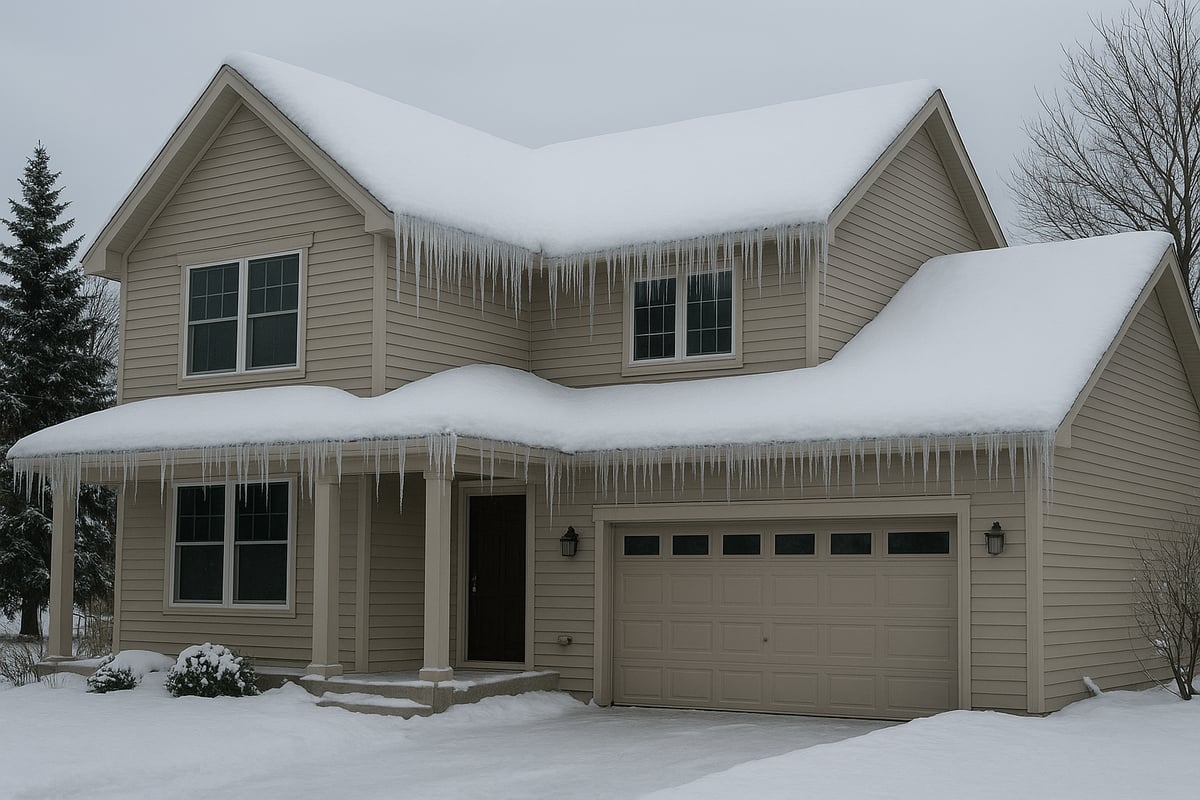
What is House Insurance?
House insurance mn covers your home’s structure, personal belongings, and liability in case of unexpected events. It’s different from renters or condo insurance, which protect only personal property or shared spaces. Key terms include dwelling (the main house), liability (legal protection), and personal property (your stuff).
In Minnesota, regulations may require minimum coverage, especially if you have a mortgage. For a deeper dive into what’s covered, see the Minnesota Homeowners Insurance Guide. Understanding these basics is vital before choosing a policy.
Why House Insurance is Essential in Minnesota
Severe weather is a fact of life in Minnesota. Tornadoes, hail, ice dams, and even flooding can strike cities like Rochester or Moorhead. House insurance mn serves as your financial safety net against these unpredictable risks.
Crime rates have also increased in places such as Minneapolis and St. Paul. Mortgage lenders often require proof of coverage before you can close on a home. Without insurance, a single disaster or theft could create overwhelming financial hardship.
Mandatory vs. Optional Coverage in MN
Minnesota law doesn’t require house insurance mn by statute, but lenders almost always do. Basic policies typically cover fire, wind, and theft. Optional add-ons are popular for local risks, such as flood insurance, sewer backup, or identity theft protection.
For example, a standard policy might cover hail damage in Duluth but not basement flooding unless you add that endorsement. Always check which claims are covered and which are excluded so you’re never caught off guard.
Recent Trends and 2026 Policy Updates
The landscape for house insurance mn is changing fast. In 2026, new regulations are set to address climate-driven risks, like increased flooding and windstorms. Insurers are now offering endorsements for ice dam and snow load damage, which are becoming more common.
According to recent data, average premiums in Minnesota have risen by over 15% from 2023 to 2026. This trend reflects both more frequent claims and higher rebuilding costs. Staying updated on policy changes is crucial for every homeowner.
Common Misconceptions about House Insurance
Many homeowners believe house insurance mn always covers flood damage, but this is rarely true without a separate policy. Another myth is that your home’s market value equals its insured value—policies usually cover rebuilding costs, which may differ.
Reading policy exclusions is essential. Some assume all belongings are covered, yet high-value items like jewelry often need special riders. Don’t let these misunderstandings leave you exposed when you need help the most.
Key Types of House Insurance Coverage in MN
Understanding your coverage options is crucial when choosing house insurance mn policies. Minnesota homeowners face unique challenges, so knowing what each coverage type protects can help you make smarter, more confident decisions. Let’s break down the core coverage options every homeowner should consider.
Dwelling Coverage
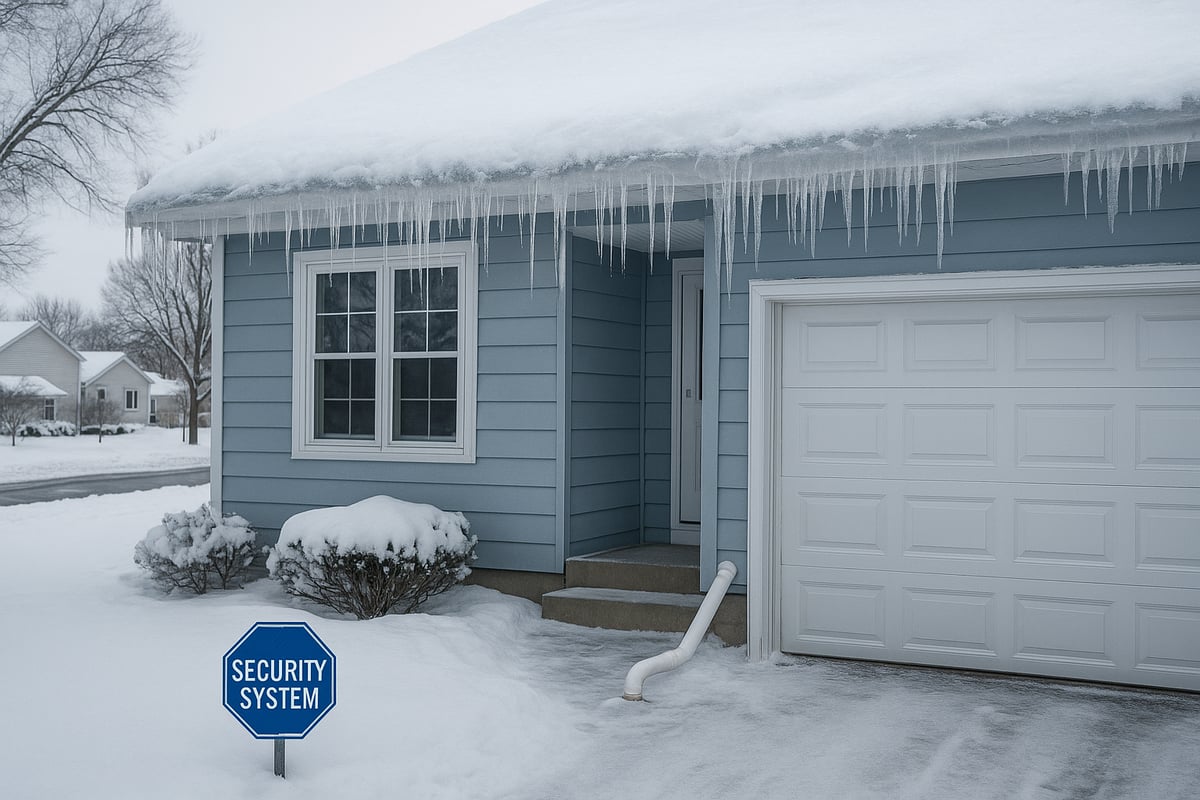
Dwelling coverage is the backbone of every house insurance mn policy. It protects the structure of your home, including the walls, roof, and attached garages. Built-in appliances, such as furnaces and water heaters, are also included.
Minnesota’s harsh winters, heavy snow, and spring storms make dwelling coverage essential. Ice dams, wind, and fire damage are all common risks in places like St. Paul and Duluth. Most policies set coverage limits based on the cost to rebuild your home, not the market value. Typical Minnesota homes may require higher limits due to rising construction costs, so review your policy annually to stay protected.
Personal Property Protection
Personal property protection in house insurance mn covers your belongings, from electronics and furniture to clothing and jewelry. If a fire, theft, or storm damages your items, this coverage helps pay for replacements.
Keep in mind, there are limits on high-value items like art, collectibles, or expensive jewelry. You might need extra riders for full protection. To avoid gaps, create a detailed home inventory with photos and receipts. This is particularly important for Minnesota residents, as weather-related claims can impact everything from snow gear to electronics. Review your inventory yearly to ensure nothing is missed.
Liability Protection
Liability protection is a must-have in any house insurance mn plan. It shields you if someone is injured on your property, such as slips on icy sidewalks in Minneapolis or dog bites in Rochester. With lawsuits and medical bills on the rise, solid liability coverage is vital.
Most policies cover legal fees, settlements, and related costs if you’re found responsible. Minnesota law requires certain minimums, but you can increase your limits for added peace of mind. Remember, accidents happen, and being prepared with the right liability protection can save your finances and reputation.
Loss of Use/Additional Living Expenses
If your home becomes uninhabitable after a disaster, loss of use coverage in your house insurance mn policy pays for temporary living expenses. This includes hotel stays, meals, and rental costs while repairs are made.
Minnesota homeowners in cities like Duluth or St. Cloud often use this coverage after severe storms, fires, or flooding. Insurers typically set limits based on a percentage of your dwelling coverage. Keep all receipts and document expenses carefully, as proper records ensure you’re reimbursed quickly. This protection provides stability during stressful times when you need it most.
Specialized Add-Ons for Minnesota Homes
Minnesota’s unique climate means many homeowners need specialized add-ons for full house insurance mn protection. Common endorsements include:
- Flood insurance, especially in FEMA-designated floodplains.
- Sewer and sump pump backup coverage for spring thaws.
- Ice dam and snow load endorsements for harsh winters.
- Identity theft protection for added security.
To explore these add-ons and understand Minnesota’s specific requirements, visit the Minnesota Department of Commerce Homeowner Insurance Guide for detailed information. Tailoring your policy with local risks in mind ensures your home is covered in every season.
House Insurance Costs in Minnesota: Factors & Saving Strategies
Protecting your home in Minnesota means understanding the real cost behind house insurance mn. Many homeowners in Minneapolis, Duluth, and Rochester are surprised by how much premiums can vary. By knowing what influences your rates and learning practical ways to save, you can confidently secure the right coverage for your unique needs.
What Drives House Insurance Premiums in MN?
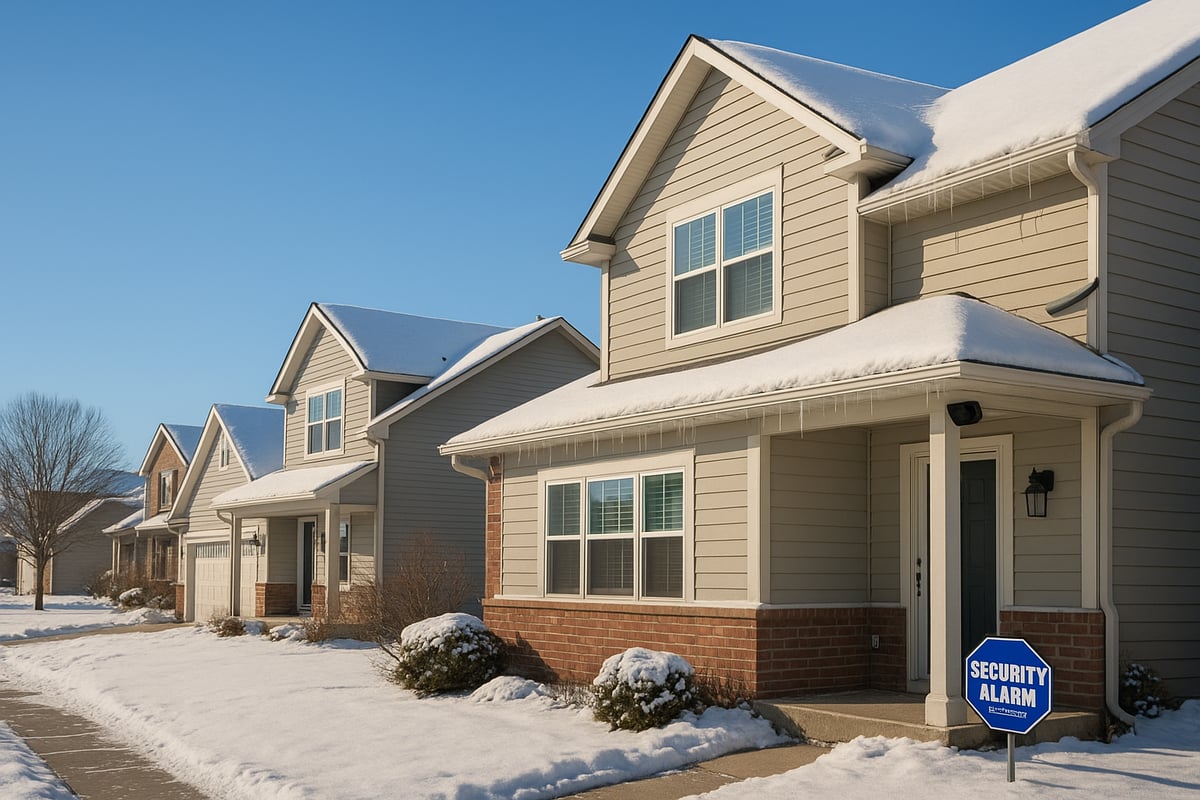
Several factors determine your house insurance mn premium. Your location matters: Minneapolis and St. Paul often have higher rates due to increased property crime and weather risks, while rural areas like Bemidji may see lower costs. The age and construction of your home, especially roof type and materials, directly impact premiums. Homes with newer roofs and modern construction typically qualify for better rates.
Claims history is another big factor. If you have filed multiple claims, your premiums may be higher. Your credit score also plays a role. In Minnesota, insurers use credit-based insurance scores to set prices. According to recent data, the average annual premium for house insurance mn is about $1,800 as of 2024. Curious about the details? Check out this breakdown of Home Insurance Cost Factors MN for a deeper look at what affects your price.
How to Lower Your House Insurance Costs
Reducing your house insurance mn premium is possible with a few smart moves. Bundling your home and auto policies with the same insurer can lead to significant discounts. Many Minnesota homeowners also save by installing security systems and smart smoke detectors, which lower risk in the eyes of insurance companies.
Consider raising your deductible if you have a solid emergency fund. Higher deductibles usually mean lower premiums. Loyalty discounts and claim-free rewards are also available—ask your provider if you qualify. By being proactive, you can keep your house insurance mn affordable without sacrificing essential protection.
Comparing Quotes: What to Look For
When comparing house insurance mn quotes, focus on more than just the price. Understand if the policy offers replacement cost coverage or actual cash value. Replacement cost will pay to rebuild your home at today's prices, while actual cash value deducts for depreciation.
Make sure you are comparing policies with similar deductibles, coverage limits, and endorsements. Using an independent agent can help you get unbiased advice, while online tools offer fast comparisons. Always review the fine print to avoid surprises later. A careful comparison ensures you get the best value for your house insurance mn investment.
Real-World Examples of Savings in MN
Minnesota homeowners are finding creative ways to save on house insurance mn. For example, a family in Mankato reduced their premium by 15 percent after upgrading their roof to impact-resistant shingles. Others in St. Cloud have saved by switching insurers, with average savings of 10 percent for those who shop around every few years.
Improving your credit score can also cut costs. In Duluth, one homeowner saw their premium drop by $250 after paying off credit card debt. These real-life stories show that small changes can make a big difference in your house insurance mn expenses.
Common Mistakes That Raise Your Premiums
Avoiding costly errors is key to keeping your house insurance mn reasonable. Many Minnesotans underinsure their homes, forgetting to update coverage after renovations or major purchases. This can leave you exposed in case of a claim.
Failing to review your policy annually is another pitfall. If you file small claims frequently, you may face higher premiums or risk being dropped by your insurer. Stay vigilant and work with a trusted agent to ensure your house insurance mn policy keeps up with your life changes and protects your biggest investment.
Step-by-Step Guide: Securing House Insurance in MN for 2026
Ready to secure your home and peace of mind in Minnesota? Follow this step-by-step guide to navigate house insurance mn in 2026 with confidence. From assessing your unique risks to reviewing your policy each year, these expert-backed steps will help you get the right protection at the best value.

Step 1: Assess Your Coverage Needs
Start your house insurance mn journey by understanding what you truly need. Evaluate the value of your home, its contents, and your personal liability risks. Minnesota’s weather can be unpredictable, so factor in risks like hail, ice dams, and flooding.
Create a detailed home inventory. Use your phone to snap photos of belongings, receipts, and serial numbers. This will make claims easier if disaster strikes in Minneapolis or Duluth.
Ask yourself:
- Do you own high-value items needing extra coverage?
- Is your property in a flood-prone area?
- Do you need coverage for outbuildings or detached garages?
Taking time to assess your needs now ensures your house insurance mn policy will fully protect you later.
Step 2: Research and Shortlist Providers
Next, investigate which insurers offer the best house insurance mn options. Compare both local Minnesota companies and national brands. Check their financial stability, claim satisfaction, and customer reviews.
The Minnesota Department of Commerce offers valuable resources for checking licenses and consumer complaints. For a convenient way to compare options, you can Compare Home Insurance Providers side-by-side before making a decision.
Make a shortlist of three to five reputable insurers. Look for those with experience handling Minnesota-specific risks, like severe winter weather or flooding in the Twin Cities.
Step 3: Get and Compare Quotes
Gathering multiple quotes is crucial for saving on house insurance mn. Prepare your home details, such as square footage, year built, updates, and any past insurance claims.
Request quotes from at least three providers on your shortlist. Ask for both replacement cost and actual cash value options to compare coverage levels. Ensure each quote uses the same deductibles and limits so you can make a true apples-to-apples comparison.
Take note of any special discounts, like those for new roofs or security systems in Rochester, to maximize savings.
Step 4: Customize Your Policy
Once you have quotes, tailor your house insurance mn coverage to fit your needs. Add endorsements for Minnesota-specific risks, such as ice dam, sewer backup, or sump pump failure.
Adjust deductibles to balance premiums and out-of-pocket costs. Higher deductibles can lower your annual premium, but make sure you can afford them in an emergency.
Review all exclusions and limitations. If you have high-value items, like jewelry or collectibles, add extra protection. Double-check that your policy meets lender requirements if you have a mortgage on your St. Paul home.
Step 5: Finalize and Purchase
Before you commit, carefully review your chosen house insurance mn policy. Read all documents to ensure coverage matches your expectations and needs.
Set up your payments and mark your policy renewal date on your calendar. Understand cancellation and refund policies, just in case your situation changes.
Once you purchase, keep copies of your policy and contact information in a safe place, both physically and digitally. This makes it easier to access your insurance details if you need to file a claim in the future.
Step 6: Annual Review and Update
House insurance mn is not a “set it and forget it” decision. Each year, review your policy to make sure it still matches your home’s value and your life changes.
Update your insurer after renovations, additions, or major purchases. Stay informed about changes in Minnesota insurance laws or weather risks that could affect your coverage.
An annual review keeps your protection strong, your premium competitive, and your peace of mind secure, whether you’re in Moorhead, St. Cloud, or the heart of the Twin Cities.
Navigating Claims: What Minnesota Homeowners Need to Know
When disaster strikes in Minnesota, knowing how to navigate the house insurance mn claims process is crucial for a fast recovery. From ice dam leaks in St. Paul to basement flooding in Moorhead, understanding what to do next can make all the difference. This section breaks down each step so you can approach any claim with confidence.
Preparing for a Claim: Documentation and Inventory
Preparation is your secret weapon when it comes to house insurance mn claims. Start by keeping digital and physical copies of receipts for major purchases like appliances, electronics, and furniture. Take clear photos or videos of every room in your Minnesota home, showing serial numbers and unique features.
Create a detailed home inventory list. Free apps and spreadsheets can help, but keep a backup offsite or in the cloud. For added protection, update your inventory after big purchases or renovations. If you ever need to file a house insurance mn claim, these records will speed up the process and help maximize your payout.
Filing a Claim: Step-by-Step in MN
When you need to file a house insurance mn claim, act quickly. First, ensure everyone’s safety and prevent further damage. Then, contact your insurer as soon as possible, providing your policy number, a description of the event, and supporting evidence like photos and receipts.
Follow your insurer’s instructions carefully. Be ready to submit your home inventory and any documentation they request. For a detailed checklist and more tips, visit Tips for Filing Insurance Claims. Keep a record of all communications with your insurance company for future reference. Prompt, organized action can help you avoid delays and denials.
What to Expect During the Claims Process
After you submit your house insurance mn claim, an adjuster will visit your Minnesota property to assess the damage. Be present during the inspection and provide any additional evidence. Ask questions and take notes to ensure you understand the next steps.
If there’s a dispute about the settlement, know your rights. You can appeal the decision, provide more documentation, or request a second opinion. Common reasons for claim denials in Minnesota include insufficient documentation or uncovered events. Always review your policy’s exclusions to avoid surprises with your house insurance mn claim.
Real-Life Claim Scenarios in Minnesota
Minnesota homeowners face unique risks. In St. Paul, ice dam roof damage often leads to claims, especially after harsh winters. Moorhead residents may deal with basement flooding due to spring thaws, while Bloomington sees theft-related house insurance mn claims.
Each scenario requires swift action and thorough documentation. For more guidance on handling claims after disasters, check out the Minnesota Attorney General’s Disaster Information page. Staying informed and proactive ensures you get the most from your house insurance mn policy, no matter what comes your way.
House Insurance Tips for Minnesota Homeowners in 2026
Minnesota homeowners know how unpredictable the weather and insurance markets can be. If you want to feel confident about your house insurance mn policy in 2026, these tips will help you weather any storm, save money, and avoid costly mistakes.
Staying Ahead of Weather Risks
Minnesota’s climate means your house insurance mn policy faces unique challenges every year. The best defense is a strong offense: prepare your home before the winter and storm seasons hit.
- Clean gutters and downspouts to prevent ice dams.
- Upgrade to impact-resistant roofing materials.
- Insulate pipes and attics to lower the risk of freezing.
- Trim trees away from your roof to prevent wind damage.
Sign up for local weather alerts in Minneapolis, Duluth, and Rochester to stay informed. A little proactive maintenance can prevent major claims and keep your house insurance mn costs in check.
Maximizing Discounts and Savings
With Minnesota home insurance premiums on the rise—recent reports show annual costs nearing $3,000—every dollar saved counts. Ask your provider about loyalty discounts, multi-policy bundles, and claim-free rewards. Inquire about new 2026 incentive programs, which may offer savings for smart home upgrades or energy-efficient improvements.
Check if your neighborhood qualifies for community mitigation discounts, such as firewise initiatives. According to Minnesota Home Insurance Premiums Near $3K Annually, staying on top of discounts is essential for controlling house insurance mn expenses.
Avoiding Common Pitfalls
Many Minnesota homeowners make costly mistakes with their house insurance mn policies. Avoid these frequent pitfalls:
- Forgetting to update your policy after a renovation.
- Overlooking changes in local building codes that affect coverage.
- Failing to report small damages promptly, which can lead to denied claims later.
Set a yearly reminder to review your policy and discuss any major changes with your agent. Staying vigilant helps you avoid unpleasant surprises when you need coverage most.
Resources for Minnesota Homeowners
Take advantage of the many resources available to help you navigate house insurance mn decisions. The MN Department of Commerce offers comprehensive insurance guides tailored for Minnesota residents. Local insurance agents and consumer advocacy groups provide personalized support and updates on policy changes.
Attend home safety workshops in Minneapolis, Duluth, or Rochester to learn hands-on tips for protecting your property. For more statewide data and trends, the Insurance Information Institute Homeowners and Renters Insurance Statistics site is a valuable reference.