
Car insurance premiums are changing fast in 2026, and Minnesota drivers cannot afford to ignore what’s coming next. If you have ever felt frustrated by unpredictable car premiums or worried about the impact on your wallet, you are not alone. Understanding how car premiums are set, what drives costs in 2026, and how you can take control is essential for every driver in Minnesota.
This guide gives you the tools to navigate these changing times. You will discover how car premiums are calculated, the latest trends for 2026, the main factors influencing your costs, and smart ways to save. Ready to get ahead? Keep reading for expert insights tailored to Minnesota drivers.
Understanding Car Premiums: The Basics for 2026
Car premiums are a crucial piece of the financial puzzle for every Minnesota driver. Before you can make sense of your bill or choose the right policy, it's essential to grasp how these costs are defined, calculated, and influenced. Let’s break down the basics so you can take control of your car premiums in 2026.

What Is a Car Premium?
A car premium is the amount you pay your insurance company to keep your auto policy active. Unlike a “rate,” which is a base cost per unit of coverage, the premium is the total price you pay for your chosen coverage and options.
Insurance companies set car premiums at both the individual and group levels. Your personal driving profile, vehicle, and coverage choices all play a role, but you’re also affected by trends among similar drivers in Minnesota.
Car premiums matter for budgeting. For example, the national average full-coverage premium in 2025 was $2,144, and Minnesota drivers often see numbers close to this benchmark.
How Car Premiums Are Calculated
Car premiums are not random. Insurers use sophisticated risk assessment and data analysis to set your price. They look at accident statistics, average repair costs, and the safety features in your car.
Actuarial data and predictive modeling help insurers forecast risk. If you’re a driver between 20 and 70 with a clean record, your car premiums will likely reflect median costs for your age group.
Here are some factors that play into your calculation:
- Your driving history, including tickets or accidents
- The number of claims you’ve filed in Minnesota
- Your vehicle’s safety rating and how expensive it is to repair
- Your location, from Minneapolis to Duluth
A history of multiple claims or violations usually pushes car premiums higher. On the other hand, a spotless record and a safe vehicle can help lower your bill. Insurers also consider broader trends, like Minnesota’s accident rates and repair shop costs, to fine-tune car premiums for everyone.
Key Terms Every Driver Should Know
Understanding car premiums means knowing the language insurers use. Here’s a quick reference table:
| Term | What It Means |
|---|---|
| Rate | The base cost per coverage unit |
| Premium | The total price you pay for your policy |
| Deductible | What you pay out-of-pocket before insurance kicks in |
| Coverage Limit | The maximum amount your insurer will pay |
| Liability | Covers injury/damage you cause to others |
| Comprehensive | Covers theft, fire, and non-collision damage |
| Collision | Covers damage to your car from collisions |
| Full Coverage | Includes liability, comprehensive, and collision |
| Minimum Liability | The lowest coverage allowed by Minnesota law |
Policies with higher coverage limits or lower deductibles tend to come with higher car premiums. Choosing only the minimum liability reduces your cost, but may leave you exposed.
Types of Coverage and Their Impact on Premiums
Minnesota drivers must choose between several coverage types, each affecting car premiums differently. The main options include:
- Liability: Mandatory in Minnesota, covers damages you cause
- Collision: Repairs your car after an accident
- Comprehensive: Handles theft, weather, or animal damage
- Uninsured/Underinsured Motorist: Protects if the other driver lacks insurance
Minnesota requires minimum liability coverage, but many drivers add extras for peace of mind. Common add-ons like roadside assistance or rental reimbursement can raise car premiums.
For a deeper dive into how these coverage types work and how they influence your costs, check out Understanding Car Insurance Coverage.
Choosing the right mix of coverage is key. Opting for more protection increases car premiums, but it can also safeguard your finances when the unexpected happens.
Major Factors Influencing Car Premiums in 2026
Understanding what drives car premiums is key if you want to control your costs in Minnesota. The price you pay is shaped by a blend of personal details, where you live, your vehicle, the choices you make on your policy, and the broader market. Let's break down each influence so you can see where you have the most power to save.

Personal Factors: Age, Driving Record, and More
Your personal profile is the foundation for how insurers calculate car premiums in Minnesota. Age is a major influence, with drivers under 25 and those over 65 often facing higher costs. Why? Statistically, these groups are involved in more accidents, increasing risk for insurers.
Driving history is next. If you have past violations, at-fault accidents, or a record of frequent claims, expect your car premiums to rise. Insurers reward clean records with better rates, so one ticket or minor fender-bender can make a big difference. For example, a Minnesota driver with multiple claims may pay several hundred dollars more each year than someone with a spotless record.
Credit score also plays a role, as insurers see it as a measure of financial responsibility. The higher your score, the lower your risk, which can lead to more affordable car premiums. All these factors combine to create a highly personalized premium that reflects your unique situation.
Geographic Factors: Minnesota and Beyond
Where you live in Minnesota impacts your car premiums just as much as who you are. Insurers look at urban versus rural areas, population density, and local accident or theft rates. For example, drivers in Minneapolis may pay more than those in smaller towns like Bemidji or Alexandria due to higher traffic and theft risks.
Minnesota's average car premiums also differ from national trends. While some states saw dramatic swings in 2025, such as Wyoming with a 30 percent drop and New Jersey with a 20 percent increase, Minnesota's changes were more moderate. Even within the state, you will notice premium variations between the Twin Cities and outstate regions. This is why comparing your situation to friends or family in other Minnesota cities can reveal surprising differences.
| Location | Average Premium (2025) | Change from Previous Year |
|---|---|---|
| Minneapolis | $2,300 | +5% |
| Duluth | $1,950 | +2% |
| St. Cloud | $1,870 | +1% |
| Rochester | $2,100 | +3% |
Your ZIP code is more than just an address, it is a key ingredient in how your car premiums are set.
Vehicle-Related Factors
The type, make, and model of your car have a direct impact on car premiums in Minnesota. Insurers look at how much your vehicle would cost to repair or replace, its safety ratings, and the likelihood of theft. High-tech features like advanced driver assistance systems can lower your risk of an accident but may raise repair costs if something goes wrong.
For instance, in 2025, models like the Kia Forte and Subaru Outback saw premium reductions, partly due to improved safety records and lower repair bills. On the other hand, luxury vehicles or those with expensive parts tend to have higher car premiums. Choosing a car with strong safety ratings and affordable repairs can make a noticeable difference in your insurance costs.
Policy Choices and Customization
Your own decisions about coverage play a crucial role in determining car premiums. Opting for higher liability limits or adding features like comprehensive and collision will increase your costs, but may provide better protection. On the flip side, raising your deductible can lower your premium, though it means more out-of-pocket expenses if you file a claim.
Many Minnesota drivers also bundle their car insurance with home or renters policies, unlocking multi-policy discounts. Optional add-ons, such as roadside assistance or rental car coverage, will affect your total premium as well. Smart customization helps you balance coverage and affordability for your specific needs.
External Market Trends Impacting 2026 Premiums
Even if you have a perfect driving record and a safe car, outside forces can still push car premiums higher in Minnesota. Inflation continues to raise repair and medical costs. Supply chain disruptions and labor shortages make parts and skilled mechanics more expensive. Political decisions, such as new tariffs or regulatory changes, may add further upward pressure.
For 2026, experts predict a modest 1 percent average increase in car premiums nationwide, but that could jump to 4 percent if new tariffs are passed on to drivers. Staying informed about these factors influencing 2026 car insurance premiums will help you anticipate changes and plan your budget. By understanding these trends, you put yourself in a stronger position to shop smart and keep your costs in check.
Car Premium Trends: What’s New in 2026?
Staying ahead of car premiums in 2026 means understanding how trends are shifting in Minnesota. While national averages tell one story, local changes can have a big impact on your wallet. Let’s break down what’s happening with car premiums this year so you can make the smartest choices for your coverage and budget.
National and Minnesota-Specific Premium Trends
In 2026, car premiums are showing signs of stabilization after a rollercoaster ride in previous years. Nationally, drivers saw a 6% average drop in car premiums during 2025, giving some much-needed relief. However, in 2026, the national average is projected to see a slight 1% increase.
Minnesota drivers, though, may experience a different story. While the state has typically hovered close to the national average, recent months have seen modest increases due to unique regional factors. For instance, the average full-coverage car premium in Minnesota is now estimated at $2,068, which is slightly below the U.S. average. When compared to neighboring states, Minnesota fares better than Wisconsin, which experienced a 14% decrease, and Iowa, where premiums dropped by 25%.
Here’s a quick comparison of recent average premium changes:
| State | 2025 Change | 2026 Projection |
|---|---|---|
| Minnesota | +2% | +1.5% |
| Iowa | -25% | +0.5% |
| Wisconsin | -14% | +1% |
For a deeper dive into local costs, see the Minnesota Car Insurance Cost Analysis.
Regional disparities within Minnesota are also notable. Urban drivers in the Twin Cities often see higher car premiums due to population density and accident rates, while those in smaller towns and rural areas may pay less.
Key Drivers of 2026 Premium Changes
What’s behind the movement in car premiums this year? First, the rising cost of high-tech vehicle repairs is playing a major role. Many new cars on Minnesota roads are equipped with advanced driver-assistance systems, which make collisions less likely but repairs much more expensive when accidents do occur.
Second, accident severity is increasing. Post-pandemic driving habits have shifted, leading to more severe accidents despite fewer total claims. Supply chain delays and labor shortages have also driven up repair bills, directly affecting car premiums.
Another key factor is the adoption of telematics and usage-based insurance. More Minnesota insurers are using driving data to set car premiums, rewarding safe drivers and encouraging better habits.
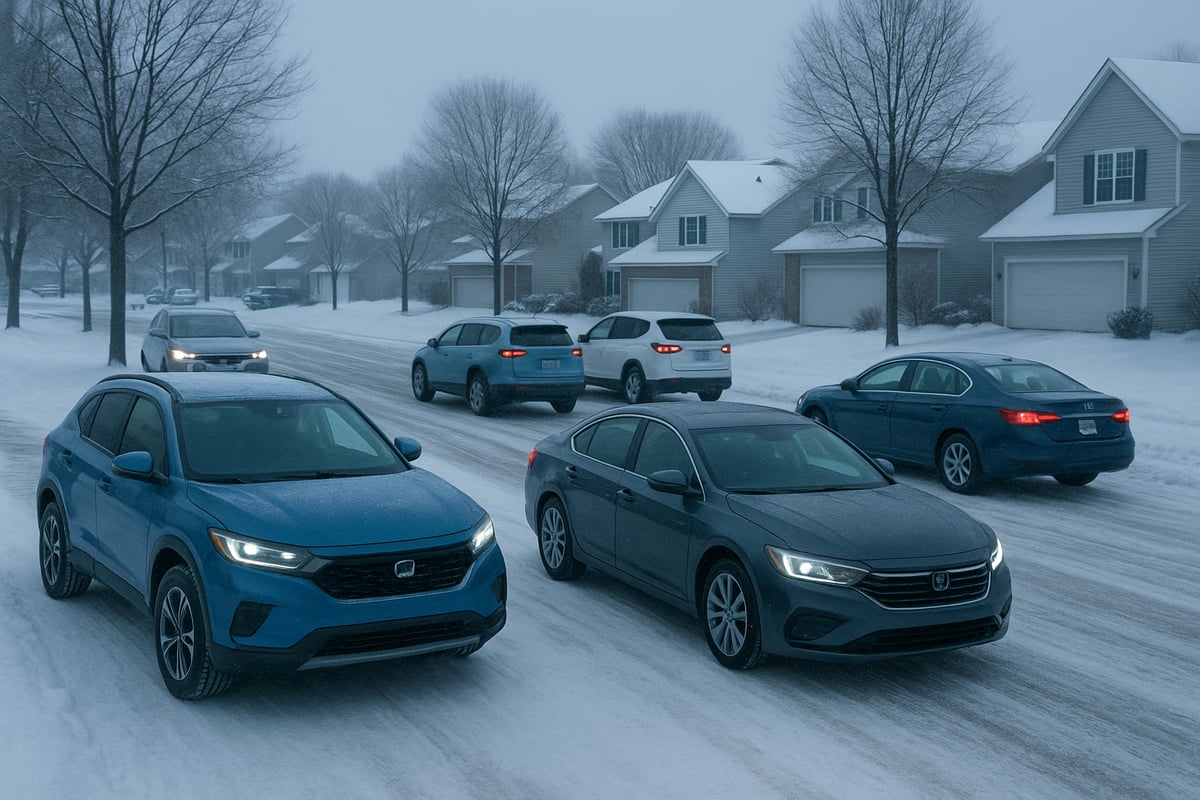
Lastly, weather events unique to Minnesota, like hail and snowstorms, can spike claims in certain years, causing short-term premium increases.
The Role of Auto Technology and Telematics
Auto technology is reshaping car premiums across Minnesota. Telematics, which uses in-car devices or mobile apps to monitor driving behavior, is gaining popularity. Insurers can offer discounts to drivers who consistently demonstrate safe habits, such as gentle braking and low annual mileage.
Advanced safety features, like automatic emergency braking and lane-keeping assist, are lowering accident rates. However, when repairs are needed, costs tend to be higher due to the complexity of these systems. As a result, car premiums for vehicles with cutting-edge tech may not always be lower than for older models.
Self-driving features are slowly entering the Minnesota market. While they promise fewer accidents in the long run, the short-term effect is mixed: some drivers see savings, while others experience higher car premiums due to expensive parts and specialized repairs.
Regulatory and Economic Influences
State and federal regulations continue to shape car premiums for Minnesota drivers. In 2026, new guidelines around minimum coverage requirements and claims processes are making waves. Insurers are adjusting their pricing models to stay compliant, which can lead to premium fluctuations.
Economic trends also play a role. Inflation, market volatility, and even global events like tariffs on auto parts can influence repair costs and, by extension, car premiums. If insurers depend more on premium revenue during market downturns, they may raise car premiums to offset financial risks.
Overall, staying informed about these evolving trends puts you in the driver’s seat when it comes to managing your car premiums in Minnesota.
How to Lower Your Car Premium in 2026: Actionable Strategies
Saving on car premiums in 2026 is more achievable than many Minnesota drivers realize. With costs shifting across the state, a proactive approach can keep your budget in check and ensure you never pay more than you should. Let’s break down the smartest ways to lower your car premiums this year.

Smart Shopping and Policy Customization
Comparison shopping is one of the most effective ways to reduce car premiums. Gather quotes from several insurers, including both national companies and trusted Minnesota-based agencies. Consider working with an independent broker who can tailor coverage to your unique needs.
Adjusting your deductible is another smart move. A higher deductible means you’ll pay more if you file a claim, but it can lower your car premiums significantly in the meantime. Review your coverage limits—opting for what fits your situation, not just what’s standard. For more actionable tips, visit these Strategies to Reduce Auto Insurance Costs.
Taking Advantage of Discounts
Most insurers offer a wide menu of discounts that can help trim your car premiums. Are you a safe driver with a clean record? You may qualify for a lower rate. Bundling your auto and home insurance through the same provider is another popular option for savings.
Consider these common discounts:
- Multi-policy (auto plus home or renters)
- Good student (for teens or college drivers)
- Vehicle safety and anti-theft devices
- Telematics-based safe driving programs
Always ask your agent about stacking discounts for maximum impact.
Improving Your Risk Profile
Your individual risk profile is a big driver of car premiums. Keeping a clean driving record is key—traffic violations and at-fault accidents can quickly push your rates higher. Aim to reduce your annual mileage, as lower usage often leads to savings.
In Minnesota, credit-based insurance scores may also play a role. Improving your credit score where allowed can offer another lever to reduce car premiums. Consistent, responsible behavior pays off over time.
Choosing the Right Vehicle
The car you drive has a direct impact on your car premiums. Generally, vehicles with high safety ratings and lower repair or replacement costs are cheaper to insure. For Minnesota drivers, models like the Subaru Outback or Honda CR-V have historically carried lower premiums.
When shopping for a new or used vehicle, research insurance costs before making a purchase. Avoid cars known for expensive repairs or theft risk. Safe, reliable vehicles not only protect your family, but also your wallet.
Minnesota-Specific Savings Opportunities
Minnesota offers unique programs and discounts that can make a real difference in your car premiums. Some local insurers provide reduced rates for drivers in rural areas, where accident and theft rates are lower than in cities like Minneapolis or St. Paul.
Check for state-sponsored safe driving initiatives or regional partnerships. If you live in Greater Minnesota, you might be eligible for additional savings compared to metro-area drivers. Always explore what’s available in your specific county or community.
When to Review and Update Your Policy
Life changes can affect your car premiums, sometimes in ways you might not expect. Moving to a new city, buying a different vehicle, getting married, or even changing your daily commute all warrant a policy review.
Set a reminder to check your policy every year. Comparing rates and coverage regularly ensures you are always getting the best deal on your car premiums. Don’t leave money on the table—stay proactive and in control.
Frequently Asked Questions About Car Premiums in 2026
What’s the Difference Between Rate and Premium?
Understanding the difference between rate and premium is essential for Minnesota drivers. The rate is the base price per unit of insurance, while the premium is the total amount you pay for your car premiums each term. Your premium is calculated by multiplying the rate by factors like your coverage choices, driving record, and car type.
Insurers group drivers by risk categories, which can affect both rates and premiums. For more details, see Car Insurance Groups Explained. Knowing these terms helps you make smarter decisions when comparing car premiums.
Why Are My Premiums Higher Than My Neighbor’s?
Car premiums can differ even between neighbors in Minneapolis or Duluth. Insurers look at many personal factors, including your driving history, vehicle, credit score, and even how far you commute.
For example, if your neighbor drives fewer miles or has a different car model, their car premiums might be lower. Even living on opposite sides of the same city can mean different risk levels, which affects what you pay.
How Often Do Premiums Change?
Most Minnesota car premiums are reviewed once a year at renewal. However, your premium can change sooner if you update your policy, file a claim, or change vehicles.
Insurers also adjust rates based on market trends and regulatory shifts. It is smart to review your car premiums annually and after any major life changes, like moving to a new city or adding a teen driver.
Do Newer Cars Always Mean Higher Premiums?
Not always. In Minnesota, car premiums for newer vehicles can be higher if the car has expensive technology, but advanced safety features may lower your premium.
For example, the 2025 Subaru Outback saw lower car premiums due to excellent safety ratings, while some electric cars had higher premiums because of repair costs. It pays to research before buying a new vehicle.
Will Telematics Lower My Premium in Minnesota?
Telematics, or usage-based insurance, is growing in the Twin Cities and across Minnesota. This technology tracks your driving habits and can reward safe drivers with lower car premiums.
If you avoid hard braking, drive fewer miles, and keep a clean record, you might see significant discounts. Local insurers increasingly offer telematics programs, so ask about this option when reviewing your car premiums.
What Should I Do If My Premium Increases Unexpectedly?
If your car premiums jump unexpectedly, start by contacting your insurer to ask why. Compare quotes from other Minnesota providers and review your coverage for unnecessary extras.
Look for available discounts, such as multi-policy or safe driver incentives. Consider raising your deductible to save on car premiums, but make sure it fits your budget before making changes.
Are There Special Considerations for Rural vs. Urban Drivers in Minnesota?
Yes, location affects car premiums in Minnesota. Urban drivers in Saint Paul or Rochester often pay more due to higher accident and theft risks, while rural drivers may see lower premiums.
Rural areas also benefit from programs like Uninsured and Underinsured Motorist Coverage, which can be crucial where fewer drivers have full coverage. Always compare options based on where you live to get the best car premiums.
The Future of Car Premiums: What to Expect Beyond 2026
Minnesota drivers are facing a new era for car premiums. With technology, weather, regulation, and consumer habits all evolving, understanding what lies ahead is essential. This section highlights the trends and strategies you need to stay ahead of the curve and protect your wallet.
Emerging Technologies and Insurance
The next decade will see technology play an even bigger role in car premiums. Electric vehicles (EVs) are becoming common on Minnesota roads, and insurers are adapting policies to account for higher repair costs and unique risks. Autonomous driving features and connected devices, such as advanced driver-assistance systems (ADAS), are reducing accidents but making repairs more expensive.
For example, a fender bender in a self-driving car can cost more due to sensors and specialized parts. This means car premiums may not always drop, even with fewer accidents. Insurers are also using telematics and real-time driving data to reward safe habits, offering discounts to drivers who opt in.
To see how these trends impact rates, explore the Impact of Vehicle Technology on Insurance Rates. As Minnesota drivers adopt these innovations, staying informed will help you get the best value on car premiums.
Climate, Weather, and Regional Risks
Extreme weather is a growing concern for anyone paying car premiums in Minnesota. Harsh winters, heavy snow, hailstorms, and even flash flooding can cause widespread vehicle damage. Insurers factor these risks into premium calculations, and climate trends suggest more volatility ahead.
Minnesota cities like Duluth and Rochester are already seeing increased claims from weather-related incidents. This could mean higher car premiums for drivers in affected areas, especially after major storms. Staying aware of regional risks helps you understand why your premium may change and how to prepare.
Evolving Regulatory Landscape
Insurance regulations are always shifting, and Minnesota is no exception. Lawmakers are considering updates to liability minimums, consumer protections, and how insurers use data for setting car premiums. Federal changes may also impact the way rates are calculated, especially as telematics and usage-based policies become the norm.
Minnesota’s Department of Commerce reviews insurance practices regularly, and future reforms could bring both opportunities and challenges for drivers. Keeping an eye on these developments ensures you won’t be caught off guard if your car premiums change due to new rules.
Consumer Behavior and Market Disruption
Consumer expectations are reshaping the insurance market. More Minnesotans are using direct-to-consumer platforms, comparing car premiums online, and demanding transparency from insurers. This shift is leading to increased competition and often better deals for those willing to shop around.
At the same time, digital tools and instant quotes make it easier than ever to customize coverage. If you’re proactive, you can leverage these trends to secure more favorable car premiums. Insurers are also responding with flexible policies and innovative discounts, making it a great time to review your options.
Preparing for the Unexpected: Financial Planning Tips
Smart financial planning is crucial when navigating future car premiums. Start by reviewing your policy annually and budgeting for possible increases. Set aside emergency funds to cover unexpected hikes or higher deductibles.
Consider bundling auto with home insurance for added savings. Use available tools to compare rates, and don’t hesitate to ask your agent about new discounts or programs. For more on how different coverage choices impact your premium, check out the Vehicle Insurance Benefits Overview. Being prepared puts you in control, no matter how the market shifts.
Resources for Minnesota Drivers
Take advantage of local support to manage car premiums wisely:
- Minnesota Department of Commerce: Regulatory updates and consumer guides
- Local insurance agents: Personalized advice for your region
- Consumer advocacy groups: Help with disputes and questions
- Online quote comparison tools: Find the best car premiums in Minnesota
By staying connected to these resources, you can confidently navigate the changing landscape of car premiums.