
Confused by the fine print in your personal car insurance policy? You’re not alone, as many Minnesota drivers only realize what’s truly covered after an accident. This guide will help you take control of your coverage for 2026 by breaking down every section and explaining what matters most. We’ll clarify required and optional protections, common exclusions, how to read your declarations page, and provide expert tips to maximize your peace of mind. Get ready to make confident decisions and ensure your next policy really works for you.
What Is a Personal Car Insurance Policy?
Trying to make sense of your personal car insurance policy can feel overwhelming, especially with so many changes in 2026. Understanding what this coverage actually means for Minnesota drivers is the first step to making informed choices and protecting yourself on the road.
Definition and Overview
A personal car insurance policy in 2026 is a contract that protects Minnesota drivers from financial loss if their vehicle is involved in an accident, stolen, or damaged. These policies have evolved in recent years due to new regulations and technology, making it easier to customize coverage for your lifestyle.
Personal car insurance policy options differ from commercial auto insurance, which is designed for business vehicles. In Minnesota, coverage typically applies to private cars, pickups, and SUVs under 10,000 pounds. For example, Minnesota law requires every personal car insurance policy to include at least $30,000 per person and $60,000 per accident in bodily injury liability.
Core Components of a Policy
Every personal car insurance policy in Minnesota includes several key parts:
- Liability Coverage: Pays for injuries and property damage you cause to others.
- Medical Payments and PIP: Covers your own injuries and medical bills.
- Uninsured/Underinsured Motorist: Protects against drivers with too little or no insurance.
- Physical Damage (Collision/Comprehensive): Repairs or replaces your vehicle.
The policyholder is the main person insured, but additional drivers can be listed. Your policy period is usually six or twelve months, with easy renewal. Endorsements and riders let you add or change coverage, such as adding a new driver or custom equipment. In Minnesota, a typical personal car insurance policy structure lists coverages, limits, and all drivers on the declarations page.
Who Needs Personal Car Insurance?
Minnesota law requires every driver to carry a personal car insurance policy. This applies whether you commute to work in Minneapolis, drive your family to school in Duluth, or are a student at the University of Minnesota. Seniors and young drivers alike must be covered.
Driving without a personal car insurance policy can lead to fines, license suspension, and major financial risk. If your car is financed or leased, lenders demand proof of full coverage. According to recent statistics, about 9% of Minnesota drivers are uninsured, putting everyone else at risk on the road.
How Policies Are Regulated in Minnesota
Minnesota sets strict minimums for every personal car insurance policy, overseen by the Department of Commerce. In 2026, state law requires specific coverage limits, and new legislative updates may affect your premiums or coverage options. Minnesota's "no-fault" system means your own policy pays for injuries, regardless of who causes an accident, which is different from neighboring states.
Consumers have strong protections and can file complaints if they experience unfair treatment. To see the latest requirements or file a complaint, visit the Minnesota Department of Commerce Auto Insurance Guide.
Key Coverages Explained
Understanding what your personal car insurance policy really covers is crucial for every Minnesota driver. Whether you're navigating icy roads in Duluth or commuting in Minneapolis, the right coverages can protect your finances and peace of mind. Let's break down the essential protections in your policy so you know exactly where you stand.
Liability Coverage
Liability coverage is the backbone of your personal car insurance policy. It protects you if you cause injuries or property damage to others in an accident. Minnesota law requires every driver to carry minimum liability limits, which for 2026 are $30,000 per person and $60,000 per accident for bodily injury, plus $10,000 for property damage.
This coverage helps pay for the other party's medical bills, repairs, and legal costs if you're found at fault. It covers not just you, but also family members and anyone with permission to drive your car. For example, if your friend borrows your vehicle in St. Paul and causes a multi-car collision, your personal car insurance policy steps in to cover the damages up to your chosen limits.
It's important to note that if damages exceed your policy limits, you could be held personally responsible for the difference. That's why many Minnesota drivers choose higher limits for better protection. Liability coverage is fundamental to your personal car insurance policy and should never be overlooked.
Personal Injury Protection (PIP) and Medical Payments
Minnesota's no-fault system makes Personal Injury Protection (PIP) a required part of every personal car insurance policy. PIP covers your own medical expenses, lost wages, and certain other costs, regardless of who caused the accident.
PIP goes beyond basic medical payments (MedPay) by also including coverage for rehabilitation, replacement services, and funeral expenses. For instance, after a minor fender-bender in Rochester, PIP can help pay for your hospital bills and even missed paychecks if you can't work.
While MedPay is optional and typically provides a smaller benefit, PIP is mandatory in Minnesota. Your personal car insurance policy coordinates with your health insurance, reducing out-of-pocket costs after an accident. Understanding the difference between PIP and MedPay ensures you're not left with unexpected expenses.
Uninsured and Underinsured Motorist Coverage
Uninsured motorist (UM) and underinsured motorist (UIM) coverages are vital parts of your personal car insurance policy in Minnesota. They protect you if you're hit by a driver with no insurance or not enough coverage to pay for your losses.
Minnesota's 2026 minimums for UM/UIM are set at $25,000 per person and $50,000 per accident. This coverage applies in situations like hit-and-runs or when the at-fault driver’s policy is inadequate. Some exclusions may apply, such as accidents involving non-listed drivers or business use.
If you want more details and real-life examples, check out this Uninsured and underinsured motorist guide for in-depth Minnesota-specific insights. Having UM/UIM in your personal car insurance policy can make the difference between full recovery and financial hardship after a crash.
Collision and Comprehensive Coverage
Collision and comprehensive coverages add robust protection to your personal car insurance policy. Collision covers damage to your car from accidents with other vehicles or objects, like hitting a guardrail in Bloomington. Comprehensive handles non-collision losses, such as theft, fire, vandalism, hailstorms, or even deer strikes common in rural Minnesota.
Both coverages come with deductibles, which you choose when setting up your policy. A higher deductible lowers your premium but increases your out-of-pocket costs if you file a claim. For financed or leased vehicles, lenders and lessors typically require both collision and comprehensive as part of your personal car insurance policy.
Imagine a severe hailstorm in Mankato damaging your car. A comprehensive claim would help cover repairs after you pay your deductible. Adjusting your coverage and deductibles can balance premium savings with peace of mind.
Optional Coverages and Endorsements
Your personal car insurance policy can be customized with optional coverages and endorsements for extra protection. Popular add-ons in Minnesota include roadside assistance, rental reimbursement, and gap insurance for newer vehicles.
- Roadside Assistance: Covers towing, jump-starts, and flat tires.
- Rental Reimbursement: Pays for a rental car if yours is in the shop after a covered accident.
- Gap Insurance: Covers the difference between your car’s value and what you owe if it’s totaled.
Other endorsements might include coverage for custom equipment or rideshare activities. For example, after an accident in Eden Prairie, rental reimbursement ensures you stay mobile while your car is repaired. These options help fill potential gaps in your personal car insurance policy.
Exclusions and Limitations
Every personal car insurance policy has exclusions and limitations that define what is not covered. Common exclusions in Minnesota include business use of your vehicle, racing, or intentional damage. Your responsibilities as a policyholder—like maintaining your car and reporting claims promptly—are also critical.
Exclusions are listed in your policy documents. For example, if you use your car for deliveries in Maple Grove without proper coverage, a claim might be denied. Always review your personal car insurance policy for these details so you’re not caught off guard.
Reading and Understanding Your Policy Documents
Getting the most from your personal car insurance policy starts with knowing how to read the documents you receive. Every detail matters, from the bold coverage limits to the fine print exclusions. If you only skim, you could miss out on vital protection or pay for coverage you do not need. By breaking down each section, you will feel empowered to make better decisions and address any issues before they become problems.
The Declarations Page Demystified
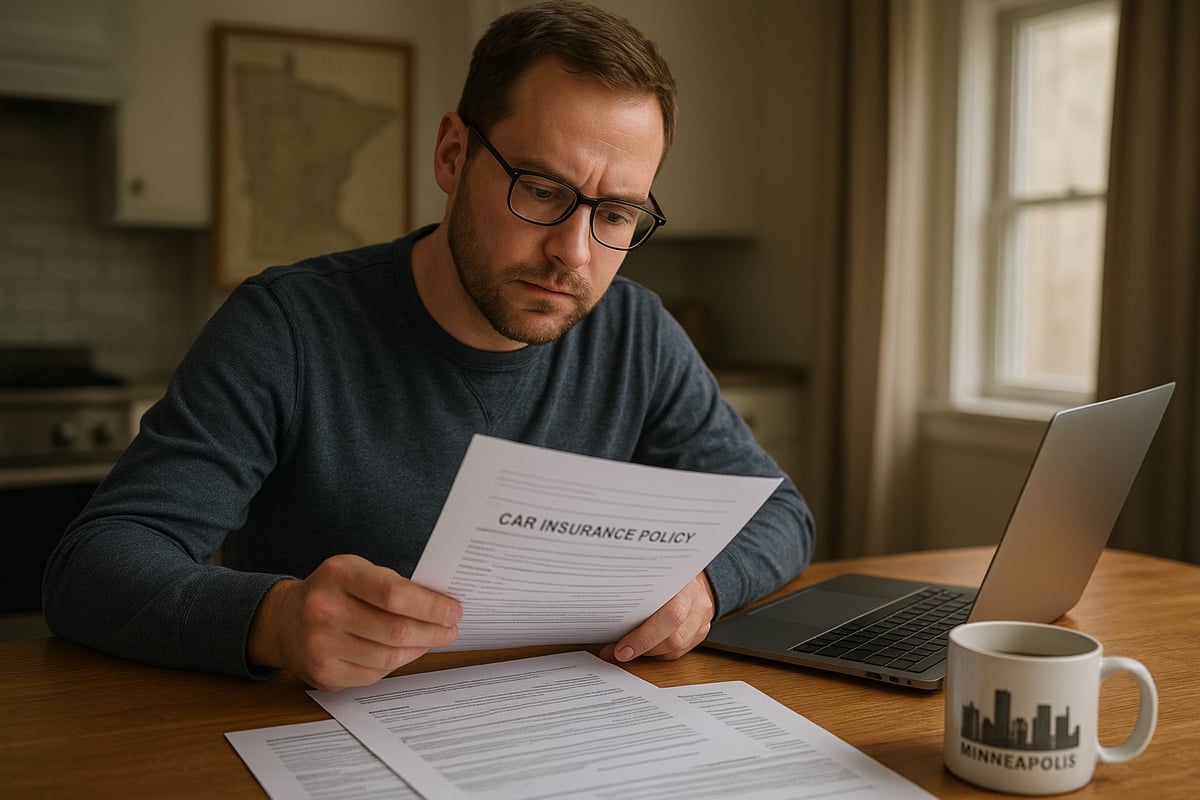
The declarations page, or “dec page,” is the summary of your personal car insurance policy. It lists your vehicles, drivers, coverage amounts, deductibles, and any special endorsements. Double-check that all vehicles and drivers in your Minnesota household are listed correctly. Even a small typo or missing information could delay or deny a claim. Review your dec page at each renewal and after life changes. For example, if you recently added a new car in St. Paul, verify it appears on your policy so you are fully protected.
Policy Terms and Definitions
Insurance policies are filled with terms like “named insured,” “permissive use,” “actual cash value,” and “replacement cost.” Each one impacts how your personal car insurance policy works in Minnesota. Understanding these definitions is key. For instance, “comprehensive” covers theft or hail, while “collision” pays for crash damage. If you need a refresher, you can find Understanding car insurance basics to help decode the language. Mastering these terms ensures you do not overlook valuable coverage.
Endorsements, Riders, and Amendments
Endorsements and riders are official changes or add-ons to your personal car insurance policy. Minnesota drivers often use them to add a teen driver, increase rental car coverage, or include custom equipment. Always request changes in writing and confirm that the new details show up on your declarations page. For example, if you modify your vehicle in Duluth, you may need an endorsement for custom parts. Reviewing these updates ensures your policy grows with your needs and keeps you protected.
How to Compare Policies Effectively
Comparing personal car insurance policy options in Minnesota is easier when you know what to look for. Focus on coverage limits, exclusions, deductibles, and the premium breakdown. Use online tools or talk to independent agents in cities like Rochester for personalized help. Here’s a quick table to help you compare:
| Feature | Insurer A | Insurer B |
|---|---|---|
| Liability Limit | $50,000 | $100,000 |
| Collision Deductible | $500 | $1,000 |
| Rental Reimbursement | Yes | No |
By reviewing these details, you will spot differences that matter for your budget and peace of mind.
Common Mistakes to Avoid
Many Minnesota drivers make simple mistakes when handling their personal car insurance policy. Overlooking coverage gaps or failing to update after selling a car can leave you exposed. Do not forget to remove old vehicles, add new drivers, or revise endorsements after life changes. One common error is assuming your policy automatically updates when you move to a new city like Bloomington. Regular reviews and proactive updates keep your coverage current and claims hassle-free.
Claims, Duties, and Policyholder Responsibilities
When you need your personal car insurance policy the most, understanding your duties as a policyholder can make all the difference. Minnesota drivers who know what to do after an accident, how to file a claim, and how to avoid common pitfalls are better protected and face fewer surprises. Let’s break down the essential steps and responsibilities every policyholder should know.
What to Do After an Accident
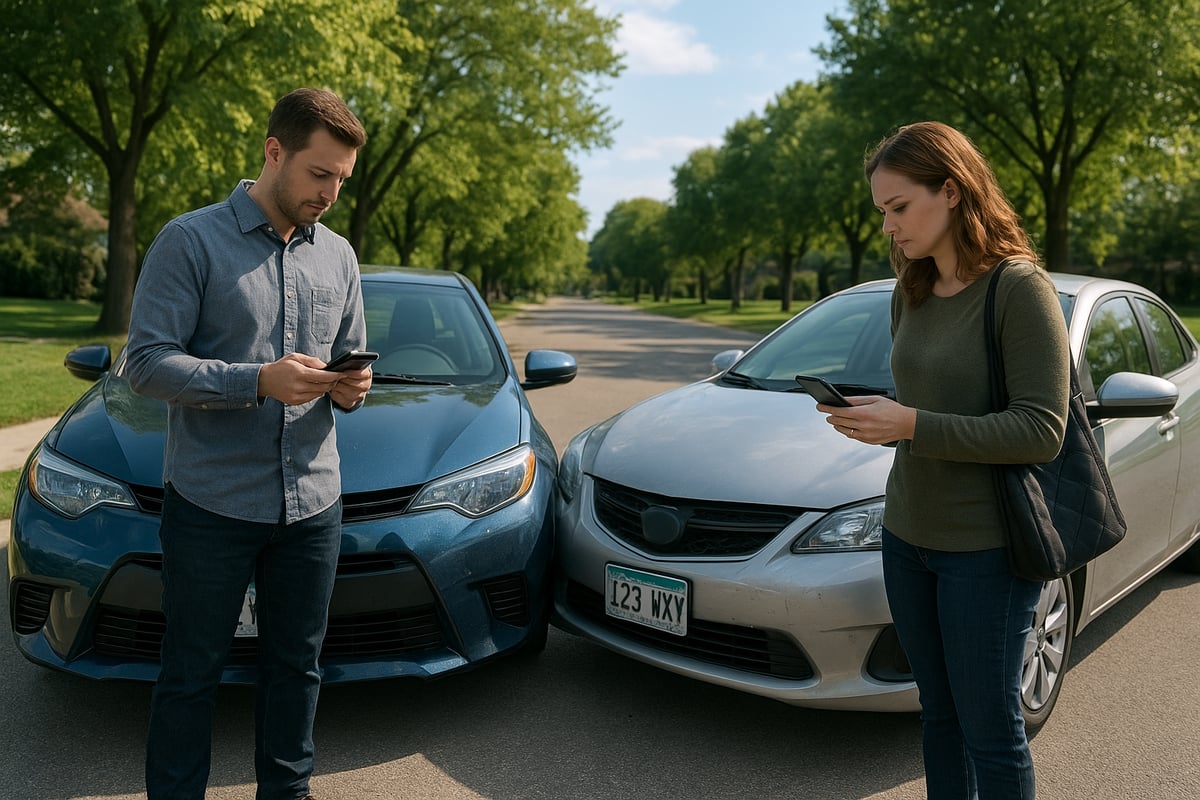
After any accident in Minnesota, your personal car insurance policy requires you to act quickly and responsibly. First, check for injuries and move vehicles to a safe spot if possible. Call 911 for medical help or a police report, especially if there are injuries or significant damage.
Next, document the scene. Take photos of all vehicles, the crash location, and any visible injuries. Exchange contact and insurance information with the other driver. Gather witness names and phone numbers.
Notify your insurer as soon as possible. Minnesota law may require you to report certain accidents immediately. Review your personal car insurance policy for specific timelines and required forms. Prompt action helps protect your rights.
The Claims Process Step-by-Step
Filing a claim under your personal car insurance policy in Minnesota involves clear steps. After reporting the incident, your insurer assigns a claims adjuster to investigate. You’ll submit documentation, such as photos, police reports, and repair estimates.
The adjuster may inspect the damage in person or via photos. Next, they determine fault and coverage according to your policy. You’ll receive an initial settlement offer for repairs or medical bills.
Most claims in Minnesota are settled within a few weeks, but complex cases can take longer. For a detailed walkthrough of Minnesota’s claim process and timelines, see the Minnesota Car Insurance Guide by Insurance.com.
Policyholder Duties and Obligations
Your personal car insurance policy outlines duties that protect your coverage. You must cooperate with your insurer, provide truthful information, and allow vehicle inspections. Keep all medical appointments if required for injury claims.
Submit all requested paperwork, such as medical records and repair bills, promptly. Maintain your vehicle in safe, working condition. Failing to meet these obligations can lead to claim denial or even policy cancellation.
A helpful checklist:
- Notify insurer quickly
- Provide accurate documentation
- Attend medical evaluations
- Allow vehicle inspections
- Respond to insurer communications
Staying organized ensures your personal car insurance policy works when you need it.
When and Why Claims Are Denied
Claims under your personal car insurance policy can be denied for several reasons. Common issues include late reporting, using the vehicle for business when not covered, or having an unlisted driver operate your car.
Misrepresentation or incomplete information can also lead to denial. If your claim is denied, Minnesota law gives you the right to appeal. Contact your insurer for the appeals process and consult state resources if needed.
Example: A driver in Saint Paul let a friend borrow their car, but the friend wasn’t listed on the policy. After an accident, the insurer denied the claim due to this exclusion. Always review your personal car insurance policy to avoid these costly mistakes.
Factors Affecting Your Premium and Coverage Choices
Understanding what shapes the cost and details of your personal car insurance policy helps you stay in control of your budget and protection. Minnesota drivers face unique factors that determine their rates and coverage options. Let’s break down what you should know so you can make the smartest decisions for your situation.
How Insurers Calculate Your Premium
Insurers use several factors to set your personal car insurance policy premium in Minnesota. They look at your age, driving record, ZIP code, type of vehicle, and even how far you drive each year. For example, drivers in Minneapolis or St. Paul often pay higher rates due to higher accident rates and theft risks.
Today, many companies use telematics, which are apps or devices that monitor your driving habits. Safe driving can lower your premium. However, a single speeding ticket in Minnesota could increase your rate for years.
Here’s a quick comparison of key premium factors:
| Factor | Impact on Premium |
|---|---|
| Age | Young drivers pay more |
| Driving Record | Clean record = lower rates |
| Location | Cities cost more |
| Vehicle Type | Sports cars cost more |
| Mileage | Less driving saves money |
Understanding these details helps you anticipate changes in your personal car insurance policy.
Adjusting Coverage for Your Needs
Your personal car insurance policy should fit your life, not the other way around. Choosing higher deductibles can lower your monthly bill, but you’ll pay more out-of-pocket if you have a claim. Consider dropping collision or comprehensive coverage if you own an older car outright.
If you have a teen driver or a new family member, tailor your policy to add the right protections. For those who just paid off a car loan, now may be a smart time to revisit your coverage and limits. For more on optimizing your protection, see Better coverage options for drivers.
Review your policy after big life changes, and always ensure your personal car insurance policy matches your current needs.
Discounts and Savings Opportunities
Minnesota insurers offer many ways to save on your personal car insurance policy. Safe driver discounts reward those with clean records. Bundling your car and home insurance with the same company can unlock big savings, often between 10% and 25%.
Other common discounts include:
- Anti-theft device credits
- Good student discounts for young drivers
- Low mileage savings for those who drive less
Ask your agent about Minnesota-specific programs and check if you qualify for multiple discounts at once. For example, bundling and safe driving together can lead to significant reductions in your premium. Always seek out every possible way to lower your personal car insurance policy costs.
How Life Changes Affect Your Policy
Major life events can impact your personal car insurance policy. If you move from Rochester to Duluth, your rates may change based on local risk factors. Marriage, adding a spouse, or welcoming a new driver into your family all require a policy update.
Changing jobs or starting to work from home can also affect your annual mileage, which in turn may lower your premium. Always notify your insurer right away after any big life change to make sure your coverage stays valid.
For example, after adding a spouse to your policy, you might qualify for new discounts or need to adjust your coverage limits to reflect shared assets.
Shopping for Insurance in Minnesota
Comparing quotes is essential to find the best personal car insurance policy for your needs. Use Minnesota’s online resources, or consult with an independent agent who can shop multiple companies on your behalf.
Here’s a quick checklist:
- Gather quotes from at least three providers
- Review coverage limits and exclusions
- Check customer reviews and claims satisfaction
Using Minnesota’s state insurance resources can help you make an informed decision. Don’t just focus on price — consider the service, support, and flexibility each insurer offers. The right personal car insurance policy will give you peace of mind on every Minnesota road.
Legal and Regulatory Considerations for Minnesota Drivers
Minnesota drivers face unique rules and protections when it comes to their personal car insurance policy. Navigating these regulations is essential to avoid costly mistakes and ensure you are fully protected on the road.
State Minimum Requirements and Recent Updates
Minnesota law requires every driver to carry a personal car insurance policy that meets specific minimums. For 2026, these limits include:
| Coverage Type | Minimum Amount |
|---|---|
| Bodily Injury | $30,000/person |
| Bodily Injury (total) | $60,000/accident |
| Property Damage | $10,000 |
| Personal Injury Prot. | $40,000/person |
| Uninsured Motorist | $25,000/$50,000 |
| Underinsured Motorist | $25,000/$50,000 |
Recent legislative updates have increased penalties for driving uninsured and introduced new distracted driving rules, which can impact your premium. Always check your personal car insurance policy to ensure you meet these requirements. For a comprehensive breakdown of Minnesota’s car insurance laws, the LawHelp Minnesota Car Insurance Guide is an excellent resource.
No-Fault Insurance in Minnesota
Minnesota is a no-fault state, meaning your personal car insurance policy must include Personal Injury Protection (PIP). This coverage pays for your own medical expenses and lost wages after an accident, regardless of who caused it.
You can only sue another driver for severe injuries or expenses exceeding your PIP limits. These thresholds help streamline minor claims and reduce legal disputes. Understanding how no-fault affects your personal car insurance policy will help you avoid surprises if you are ever in a crash.
Consumer Rights and Protections
As a Minnesota policyholder, you have strong legal protections. If your personal car insurance policy claim is denied or delayed, you have the right to:
- Receive a clear explanation for the denial.
- File a complaint with the Minnesota Department of Commerce.
- Request a review or mediation if you believe your insurer acted unfairly.
State law also guards against unfair rate hikes and deceptive sales practices. Always review your personal car insurance policy for changes, and keep records of all communication with your insurer.
Insurance Fraud and How to Avoid It
Insurance fraud can drive up costs for everyone in Minnesota. Common scams include staged accidents and fake claims.
To protect your personal car insurance policy:
- Verify all accident details and keep thorough records.
- Never sign blank forms or documents you do not understand.
- Report suspicious activity to your insurer or state authorities.
Stay alert and proactive to keep your coverage secure.
Policy Review, Renewal, and Making Changes
Regularly reviewing your personal car insurance policy gives you peace of mind and ensures you are fully protected on Minnesota roads. Many drivers overlook this step, but a quick review can reveal gaps, outdated information, or missed opportunities for savings. Let’s break down when to review, how renewals work, and what’s needed to update your policy so you always stay a step ahead.
When and How to Review Your Policy
Make it a habit to review your personal car insurance policy every year and after major life changes. Moving to a new city like Duluth, adding a teen driver, or purchasing a new vehicle can all impact your coverage needs.
Use this checklist for a thorough review:
- Confirm all drivers and vehicles are listed correctly.
- Double-check your coverage limits and deductibles.
- Review optional coverages like roadside assistance.
- Look for discounts you might now qualify for.
A quick policy checkup now can save you headaches later. For more insight into the benefits of keeping your coverage up to date, see Vehicle insurance benefits explained.
Renewals, Non-Renewals, and Cancellations
In Minnesota, your personal car insurance policy typically renews every six or twelve months. Your insurer will send a renewal notice in advance, outlining any changes in premium or coverage.
Non-renewal can happen for reasons such as excessive claims or major traffic violations. If you receive a non-renewal notice, shop for a new policy before your current one ends to avoid a lapse. Cancellations may occur if you miss payments or provide false information.
Switching insurers is straightforward. Compare quotes, ensure no coverage gap, and notify your old insurer of the change.
Making Changes and Updating Your Policy
Life moves fast in places like Minneapolis and Rochester, so your personal car insurance policy should keep up. Add or remove drivers, update your address, or adjust coverage limits as your needs change.
To make updates:
- Contact your agent or use your insurer’s online portal.
- Provide documentation for major changes, such as a vehicle purchase agreement.
- Request endorsements for new coverages or drivers.
- Keep confirmation records for all changes.
Staying proactive ensures your policy always matches your real-life situation, keeps you protected, and maximizes your benefits in every season.