
In Minnesota, 2026 brings new challenges and opportunities when it comes to protecting your assets and livelihood. With unpredictable weather, evolving legal risks, and changing insurance options, understanding damages insurance has never been more important.
This guide is crafted to help Minnesota residents and business owners cut through the confusion. You will discover what damages insurance covers, the main types of damages, policy exclusions, coverage limits, and the latest trends.
By the end, you will be empowered to make smart choices, close coverage gaps, and take action to safeguard your future in Minnesota.
Understanding Damages Insurance: What It Is and Why It Matters
In 2026, damages insurance is a critical piece of financial protection for individuals and businesses across Minnesota. As unpredictable risks emerge and legal landscapes shift, having the right coverage can mean the difference between financial recovery and devastating loss.
Damages insurance is designed to cover the costs associated with losses or injuries that you, your property, or your business might suffer or cause to others. Its primary goal is to manage risk by transferring financial responsibility from the policyholder to the insurer. This coverage is especially relevant in Minnesota, where weather events, property claims, and legal disputes are on the rise.
It is important to understand how damages insurance differs from other types of coverage. While property insurance protects physical assets and auto insurance covers vehicles, damages insurance often steps in to address a broader range of losses, including those tied to liability. For example, if someone is injured on your property or your business is held responsible for a client’s loss, damages insurance can provide crucial protection.
The legal and financial significance of damages insurance in Minnesota cannot be overstated. Policyholders, insurers, and third parties each play a role in the claims process. For individuals, having proper coverage means not shouldering overwhelming expenses after an accident or disaster. For businesses, the right policy can help avoid bankruptcy following a lawsuit or major incident. Insurers, in turn, assess risk and process claims based on the terms of each policy.
Real-world examples make the value of damages insurance clear. Consider a Minneapolis driver involved in a multi-car collision, or a Saint Paul business facing a customer injury lawsuit. In both cases, damages insurance helps cover medical bills, legal costs, and property repairs. Minnesota homeowners may also rely on their policies after severe storms or fires—situations that have become more common in recent years.
Recent trends highlight the growing need for robust damages insurance. According to industry reports, Minnesota has seen a steady increase in claims frequency and average payouts, particularly for property and liability incidents. In fact, the state experienced a significant rise in homeowners insurance complaints and claim denials from 2020 to 2023, pointing to the importance of understanding coverage details and policy limits.
Businesses in Minnesota should pay special attention to liability risks. The state’s evolving legal landscape, coupled with increased litigation and higher settlement amounts, makes comprehensive damages insurance indispensable. For a deeper dive into how liability coverage protects against a variety of losses, see this resource on Commercial General Liability Insurance Coverage.
Climate change and shifting weather patterns are also pushing more Minnesotans to review their damages insurance. With more frequent severe storms and flooding, both residents and business owners must reassess their risk exposure and coverage needs.
Ultimately, damages insurance is foundational for financial stability in Minnesota in 2026. Whether you are a homeowner, driver, or business leader, taking time to review your policies, understand your risks, and ensure adequate coverage will help you weather whatever comes next.

Policy Limits, Exclusions, and Coverage Gaps in 2026
Understanding the fine print of your damages insurance policy is critical for Minnesota homeowners and business owners alike. Policy limits, exclusions, and hidden coverage gaps can determine whether you are fully protected or left paying out of pocket when disaster strikes.
Policy limits define the maximum amount your insurer will pay for a covered loss. There are three main types:
| Limit Type | What It Means | Example |
|---|---|---|
| Per Incident | Max payout for a single event | $50,000 for one car accident |
| Per Person | Max payout per injured person in an incident | $25,000 per injured individual |
| Aggregate | Max total payout for all claims within a policy period | $100,000 in a 12-month period |
If your damages insurance has low limits, you could face significant out-of-pocket costs, especially after a major claim. For example, if your auto policy has a $30,000 bodily injury limit but you are liable for $80,000, you must cover the $50,000 difference yourself.
Exclusions are another crucial element. These are situations or losses your damages insurance will not cover. Common exclusions in Minnesota policies include:
- Intentional acts or willful misconduct
- Criminal activity or fraud
- Certain natural disasters, like floods or earthquakes
- Pre-existing conditions or gradual wear and tear
Not knowing about exclusions can lead to nasty surprises. Imagine a business owner in Saint Paul discovering that business interruption from a cyberattack is excluded, or a Minneapolis homeowner finding flood damage is not covered by standard homeowners insurance.
Coverage gaps occur when overlapping policies still leave risks exposed. For instance, even if you have both auto and umbrella damages insurance, intentional damage or some catastrophic losses might fall outside both policies. Minnesota law sets minimum coverage requirements for auto and homeowners insurance, but these minimums often fall short of the actual costs of major claims.
Here is a real-world scenario: After a severe hailstorm in Rochester, a homeowner files a claim for roof repairs. The claim exceeds the policy’s per-incident limit, leaving the homeowner responsible for thousands in repairs. In another case, a Twin Cities business discovers its policy’s property damage exclusion means it is not covered for vandalism losses.
Recent data shows the risk of underinsurance is growing. According to Minnesota homeowners insurance complaints rose 108% from 2020 to 2023, many complaints stem from claim denials and unexpected out-of-pocket costs. This trend highlights how misunderstanding policy limits and exclusions can lead to financial hardship across Minnesota.
To avoid these pitfalls, it is vital to review your damages insurance policy documents at least once a year, especially after major life events or business changes. Seek advice from a licensed Minnesota insurance broker, who can help you identify gaps, understand exclusions, and customize your coverage.
Ultimately, the difference between financial security and vulnerability in Minnesota often comes down to the details of your damages insurance. Proactive management and regular policy reviews are the smartest ways to ensure you are never caught off guard.

Steps to Maximize Your Damages Insurance Coverage
Making sure your damages insurance is up to date is essential for protecting your home, car, and business in Minnesota. With unpredictable weather and evolving legal requirements, taking a proactive approach can mean the difference between a denied claim and comprehensive coverage.

Below, you will find a step-by-step plan to help you get the most out of your damages insurance policy in 2026.
Step 1: Assess Your Risk Profile
Start by evaluating your personal or business risks. Think about your location in Minnesota, your type of property, your vehicles, and any business activities. Are you in a flood-prone area? Do you own expensive equipment? Identifying these risks ensures your damages insurance addresses real-world threats.
Step 2: Inventory Assets and Liabilities
Make a detailed list of your assets, such as your home, vehicles, business property, and valuable items. Add up liabilities like loans or potential legal exposures. This inventory will help determine the right amount of damages insurance you need to avoid being underinsured.
Step 3: Compare Policy Options
Research damages insurance policies from several insurers. Focus on what is covered, policy limits, and any exclusions that might apply. Look for differences in coverage for economic losses, like repairs, and non-economic damages, such as emotional distress. Consider using a comparison table to keep track:
| Policy Feature | Insurer A | Insurer B | Insurer C |
|---|---|---|---|
| Coverage Amount | $300,000 | $250,000 | $350,000 |
| Exclusions | Flood | Mold | Earthquake |
| Deductible | $1,000 | $500 | $1,200 |
Step 4: Work With a Licensed Minnesota Broker
A licensed broker in Minnesota can help tailor your damages insurance to your unique needs. Brokers understand local risks, know state regulations, and have access to multiple insurers. They can spot coverage gaps and recommend solutions that fit your budget and risk profile.
Step 5: Understand Claim Procedures
Familiarize yourself with how to file a claim for both economic and non-economic damages. Keep necessary documentation, such as receipts, photos, and repair estimates, organized and ready. Knowing what your insurance company expects will make the process smoother if you ever need to use your damages insurance.
Step 6: Schedule Annual Policy Reviews
Life changes fast. Review your damages insurance every year, especially after major events like buying a new property, adding a business location, or experiencing a Minnesota storm. For example, a homeowner in Minneapolis adjusted their policy after a tornado, ensuring full protection by consulting their broker and referencing Homeowners Insurance in Minnesota.
Step 7: Stay Informed About Updates
Minnesota insurance laws can change, and so can market trends. Stay up to date on new regulations, premium increases, and innovative coverage types. This keeps your damages insurance responsive to current risks and ensures you do not fall behind on essential protections.
Taking these steps gives you peace of mind and helps you get the most from your damages insurance. Proactive management, regular reviews, and expert advice will keep you prepared for whatever comes your way in Minnesota.
Emerging Trends and Future Outlook for Damages Insurance in 2026
Staying informed about the evolving landscape of damages insurance is essential for Minnesota residents and business owners alike. As we look toward 2026, new risks and rapid changes are shaping how damages insurance protects financial security across the state.
Climate Change and Weather-Driven Risks
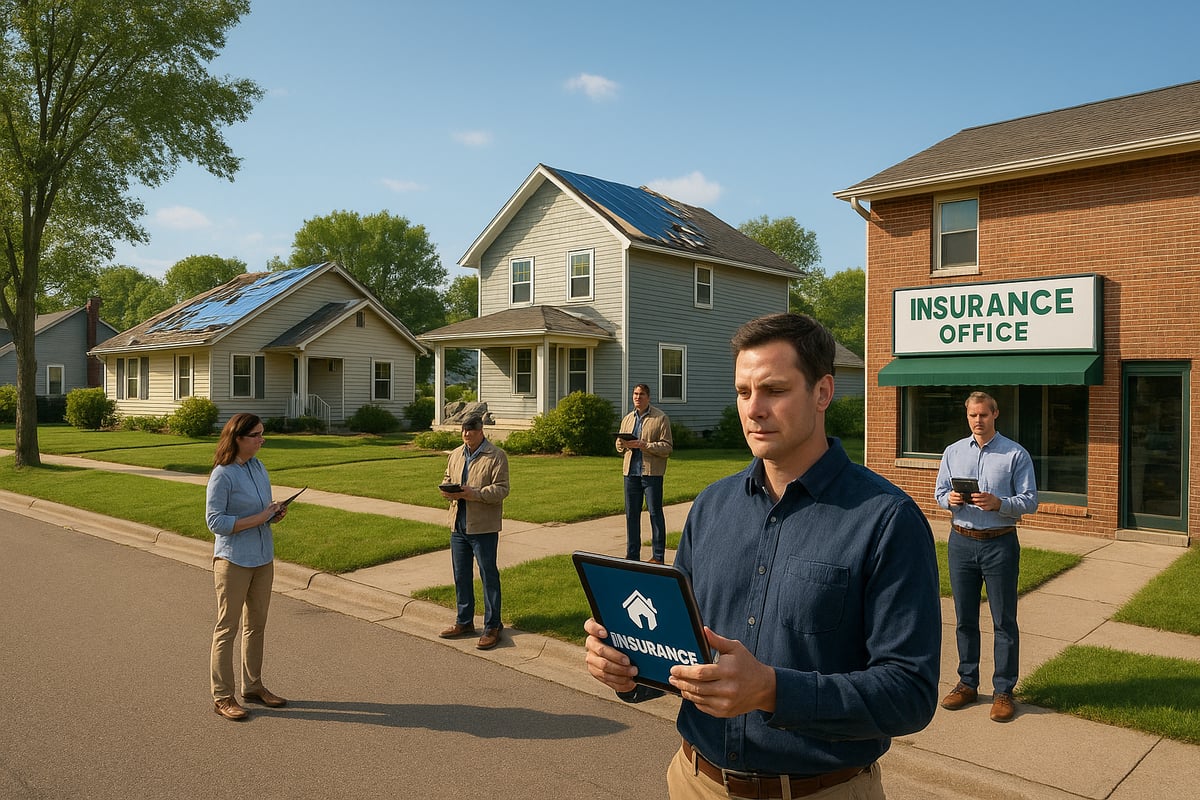
Minnesota is experiencing more frequent and severe weather events, from powerful summer storms in Minneapolis to spring flooding along the Mississippi River. This surge in extreme weather has led to a significant rise in insurance claims, driving up costs for homeowners and businesses.
In fact, Minnesota home insurance premiums to rise 15% in 2025 due to a spike in weather-related claims. Damages insurance policies are adapting, but many Minnesotans may face higher deductibles and stricter underwriting. If you live in St. Paul or operate a business in Duluth, reviewing your damages insurance coverage is a smart move to avoid costly gaps as weather risks intensify.
Technology Reshaping Damages Insurance
Technological innovation is transforming damages insurance in Minnesota. Insurers are using artificial intelligence to speed up claims processing, reducing wait times for policyholders. Telematics, now standard in many auto policies, tracks driving habits and rewards safe drivers in places like Rochester and Bloomington.
Smart home technology, including leak detectors and security systems, is being integrated with damages insurance policies, giving homeowners in Eden Prairie real-time protection and potential premium discounts. Adopting these tools can help you save money and improve your claims experience.
Legal, Regulatory, and Cost Pressures
Minnesota's legal landscape is evolving, impacting damages insurance for both individuals and businesses. Changes to state liability statutes and damages caps mean more claims for non-economic and even punitive damages. New consumer protection laws are also influencing how insurers handle disputes and appeals.
At the same time, costs keep rising. Inflation, higher medical bills, and construction expenses are pushing up claims payouts. According to Minnesota workers’ compensation costs per claim increased 10% annually from 2021 to 2023, businesses from Moorhead to Mankato are feeling the squeeze. Damages insurance is more important than ever to shield your assets from these financial shocks.
Market Shifts and Proactive Strategies
The damages insurance market is becoming more personalized, with usage-based and bundled policies gaining traction in Minnesota. Insurers are offering tailored solutions, but this also means policyholders must be more proactive. Increased litigation, especially for non-economic losses, creates added complexity.
Here’s a quick comparison of key trends:
| Trend | Impact on Damages Insurance in Minnesota |
|---|---|
| Extreme weather | Higher premiums, stricter policy reviews |
| AI and technology | Faster claims, usage-based pricing |
| Legal/regulatory changes | Expanded claim types, new consumer protections |
| Rising costs | Larger payouts, risk of underinsurance |
To stay protected, Minnesotans should regularly review damages insurance policies, embrace new technologies, and consult local experts. Keeping ahead of these trends ensures your coverage meets tomorrow’s challenges.
Frequently Asked Questions About Damages Insurance in Minnesota
Navigating damages insurance in Minnesota can feel overwhelming, especially with new risks emerging in 2026. Below are answers to the most common questions local residents and businesses ask about damages insurance so you can make the smartest coverage decisions.
What are the most common types of damages covered by insurance in Minnesota?
In Minnesota, damages insurance typically covers economic damages such as medical bills, property repairs, and lost wages. Non-economic damages like pain and suffering may be included, depending on your policy type and limits. Always check your specific coverage for details.
How do policy limits affect claim payouts?
Policy limits determine the maximum amount your insurer will pay for a covered claim. If your damages exceed these limits, you may be responsible for the remaining costs. Reviewing your damages insurance limits annually is crucial to avoid unexpected financial shortfalls.
Are non-economic damages always included in standard policies?
No, non-economic damages are not always included in standard damages insurance policies. Many auto and homeowners policies exclude non-economic losses unless you purchase additional coverage. Clarify this with your agent to avoid surprises.
What should I do if my claim is denied?
If your claim is denied, carefully review the denial letter and policy documents. Gather supporting evidence and consider appealing the decision. For motor vehicle claims, learning about Uninsured and Underinsured Motorist Coverage can help protect against gaps when at-fault drivers lack sufficient insurance.
How often should I review my insurance coverage?
It is wise to review your damages insurance coverage at least once a year. Also, update your policy after major life changes, such as buying property, starting a business, or experiencing severe weather in Minnesota.
Can a broker help me find better damages insurance options?
Absolutely. Licensed Minnesota brokers have local market expertise and can compare multiple insurers to find the best damages insurance for your needs. They also assist with claims and help you understand policy exclusions.
What are the latest legal changes affecting coverage in Minnesota?
Recent Minnesota law updates include changes to minimum liability requirements and consumer protections. Staying informed ensures your damages insurance remains compliant and provides the best possible protection.
If you have more questions or need tailored advice, reach out to a Minnesota insurance expert who understands the local landscape. Protecting your future starts with the right information and the right policy.