
Construction projects in Minnesota are facing more complex risks than ever as 2026 approaches. If you are a contractor, project owner, or stakeholder, you know that a single unexpected event can put your investment in jeopardy. This comprehensive guide to contractors risk insurance is here to help you protect your project from unforeseen losses and disruptions.
Understanding contractors risk insurance is not just wise, it is essential for minimizing financial exposure and keeping your projects on track. In the sections ahead, you will learn what contractors risk insurance covers, who needs it, how it compares to other policies, and the steps you should take to secure the right coverage for your Minnesota projects in 2026.
What Is Contractors Risk Insurance?
Contractors risk insurance, often called Contractors All Risks (CAR) insurance, is a specialized policy designed to protect construction projects from unpredictable setbacks. At its core, contractors risk insurance shields your investment from accidental physical loss or damage during the building process. If you are a contractor, project owner, or developer in Minnesota, this coverage is the frontline defense against costly interruptions.
Unlike standard property insurance, contractors risk insurance is tailored for the active, high-risk environment of construction sites. Its primary purpose is to ensure that both new structures and renovations can weather sudden incidents without derailing timelines or draining finances. For example, if a storm damages framing on a new St. Cloud apartment complex, this policy could cover repair costs and help keep the project moving forward.
What exactly does contractors risk insurance cover? Most policies are written on an “all risks” basis, which means they protect against a broad range of perils unless specifically excluded. Common covered risks include fire, theft, vandalism, severe weather, and accidental damage. For instance, if copper wiring is stolen from a Minneapolis job site, or a windstorm topples scaffolding in Bloomington, contractors risk insurance steps in to absorb the financial blow.
However, it’s important to recognize what contractors risk insurance does not cover. Exclusions typically include normal wear and tear, faulty design or materials, and intentional acts. If a construction error leads to a collapse in Rochester, or if equipment breaks down due to poor maintenance, those losses may not be reimbursed. Knowing these limits is crucial for building an effective insurance portfolio.
Contractors risk insurance is widely used in both the United States and international markets. In Minnesota, project owners, general contractors, and even lenders often require this protection as a condition of financing or permitting. Policies come in two main forms: project-specific, which covers a single build from start to finish, and annual, which can encompass multiple projects throughout the year. Annual policies are especially popular with active contractors managing several sites in places like Duluth, Mankato, and the Twin Cities.
Real-world incidents illustrate the value of contractors risk insurance. In one recent Minnesota case, a fire broke out overnight at a commercial build in Eden Prairie, destroying materials and halting work. With contractors risk insurance, the project owner recovered losses and resumed construction within weeks. In another situation, a vandalism spree at a St. Paul redevelopment caused tens of thousands of dollars in damage. The insurance payout covered repairs and helped the contractor avoid legal disputes and costly delays.
Industry data reinforces the importance of this coverage. According to national construction reports, weather-related events and theft are among the most frequent claims, accounting for nearly 60% of all reported losses on active sites. In Minnesota, where harsh winters and unpredictable storms are common, the risk exposure is even higher. The average claim for a mid-sized project can exceed $75,000, underlining why comprehensive protection is non-negotiable.
If you are ready to explore your options or want to see how contractors risk insurance fits within your broader business strategy, take a look at Commercial Insurance Solutions for a deeper dive into available coverages.
Understanding contractors risk insurance is not just about compliance—it is about safeguarding your team, your reputation, and your bottom line. With the right policy in place, Minnesota contractors can focus on building the future, knowing they have a robust safety net in place.

Key Coverage Components of Contractors Risk Insurance
Understanding the key coverage components of contractors risk insurance is essential for any Minnesota project. This insurance is designed to be comprehensive and flexible, giving you confidence that your investment is protected from a range of threats. Let’s break down the main sections that make up a robust contractors risk insurance policy.
Project Property Coverage
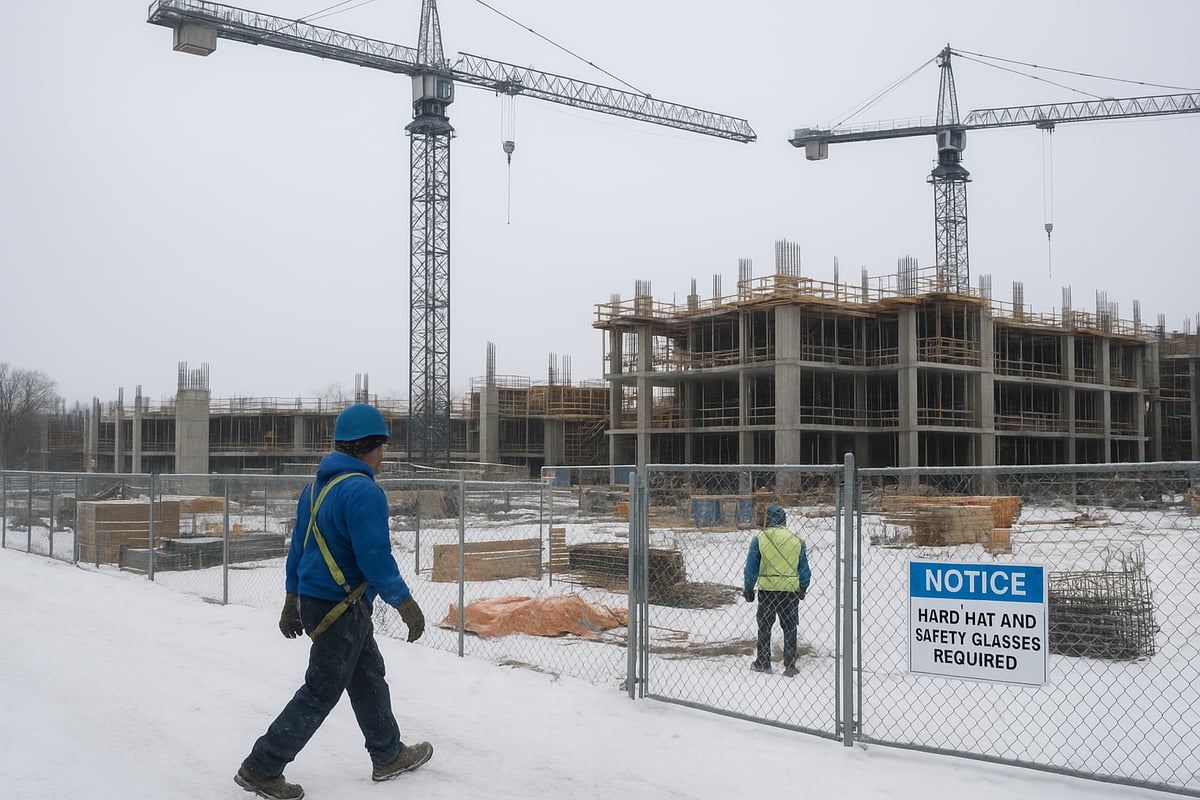
Project property coverage is the foundation of contractors risk insurance. It protects buildings under construction, temporary structures like scaffolding, and construction materials. This coverage applies whether materials are on-site, stored off-site, or in transit within Minnesota.
Imagine a scenario in Minneapolis where copper wiring is stolen from a locked storage area on a job site. With the right contractors risk insurance, the cost to replace the wiring, as well as any resulting delays, could be covered. This protection extends to damage from fire, vandalism, or severe weather—risks that are all too common in Minnesota’s unpredictable climate.
Coverage limits and sub-limits are crucial. For example, there may be a specific sub-limit for materials stored off-site or in transit, ensuring you don’t face unexpected out-of-pocket expenses. However, not everything is covered. Common exclusions include:
| Covered Events | Common Exclusions |
|---|---|
| Fire | Normal wear and tear |
| Theft | Faulty design/workmanship |
| Vandalism | Intentional acts |
| Weather events | Mechanical breakdown |
Understanding these details is vital for making sure your contractors risk insurance fits your project’s needs. Always review your policy’s wording, especially if you’re working on high-value projects in Minnesota cities like Rochester or Duluth.
Third-Party Liability Coverage
Third-party liability coverage is another key feature of contractors risk insurance, especially for projects in densely populated Minnesota areas. This section responds to claims from third parties for bodily injury or property damage resulting from your construction activities.
For example, if a pedestrian in St. Paul trips over unsecured materials and is injured, your contractors risk insurance can help cover legal defense costs and any settlements. This is distinct from general liability insurance, though in some policies outside the U.S., they may be combined. In Minnesota, these coverages are usually separate, but both are crucial for full protection. You can learn more about how these policies complement each other in this General Liability Insurance Guide.
Third-party liability coverage typically pays for:
- Legal defense costs
- Settlements or judgments
- Medical expenses for injured parties
It’s important to note the limits of your contractors risk insurance for liability claims, as well as any exclusions, such as liabilities arising from pollution or contractual disputes. Properly structuring your insurance portfolio ensures you’re not left exposed if an accident happens on your Minnesota project site.
Delay in Start-Up (DSU)/Soft Costs Coverage
Delay in Start-Up (DSU), sometimes called soft costs coverage, is an optional but highly recommended component of contractors risk insurance for Minnesota builders. DSU coverage protects you from financial losses if your project is delayed due to an insured event—think major storm damage in Duluth or a fire at a supply warehouse in Rochester.
This part of contractors risk insurance covers lost income, extra interest payments, and additional overhead expenses that can accumulate during a delay. For example, if a severe blizzard halts construction on a commercial build, DSU coverage can help offset the costs of extended project management and lost rental income.
Consider these typical soft costs:
- Extended project financing interest
- Additional legal or design fees
- Lost income from delayed project opening
DSU is not always included automatically, so it’s crucial to assess whether it fits your project’s risk profile. Reviewing your contractors risk insurance with a local Minnesota broker ensures these optional coverages are tailored to your unique needs.
With these three core components—property, liability, and DSU—contractors risk insurance provides a safety net for every stage of your Minnesota construction project.
Who Needs Contractors Risk Insurance?
Every construction project in Minnesota, no matter the size or scope, faces unpredictable risks. Contractors risk insurance is essential for anyone involved in building, renovating, or developing property, providing a safety net when things go wrong.
Construction in Minnesota brings together a diverse group of stakeholders, each with their own interests and exposures. The main groups who need contractors risk insurance include:
- General contractors: They manage the project from start to finish and bear primary responsibility for onsite risks.
- Subcontractors: Often required to be covered under the general contractor’s policy, especially when handling specialized work.
- Project owners and developers: Their financial investment is on the line, so they need protection from damages or delays.
- Lenders and financial institutions: Many will not finance a project unless contractors risk insurance is in place.
In Minnesota, municipalities and project partners often mandate that contractors risk insurance is secured before permitting any work to begin. Local regulations and lender requirements can dictate minimum coverage amounts, ensuring that both public and private interests are protected.
Whether you are building a single-family home in Rochester or managing a large infrastructure upgrade in St. Paul, contractors risk insurance is crucial. Small residential projects face risks like theft or vandalism, while larger commercial builds might encounter severe weather or supply chain disruptions. Regardless of size, every project can experience setbacks that lead to significant financial loss.
Recent trends show that claims are not limited to one group. In fact, a majority of claims in Minnesota are filed by general contractors and project owners, but subcontractors are increasingly added as named insureds to protect their work and materials. Developers also benefit, as delays or damages can directly impact profitability and reputation.
Minnesota’s unique climate adds another layer of complexity. Projects in Minneapolis and Duluth must plan for snow, ice, and flooding risks. Contractors risk insurance can be tailored to address these regional challenges, offering peace of mind when facing unpredictable weather.
Contractual obligations drive much of the demand for contractors risk insurance. Lenders, municipalities, and even project partners require proof of coverage before breaking ground. This not only protects their own interests but also ensures that everyone involved is financially shielded from potential losses.
It is important to note that while contractors risk insurance covers a wide range of perils, it should be part of a broader risk management plan. Other policies, such as workers compensation insurance, are often needed to fill gaps in coverage, especially for employee injuries that occur onsite.
Ultimately, anyone with a financial stake in a Minnesota construction project—whether a general contractor, subcontractor, owner, or developer—should secure contractors risk insurance. It is a fundamental tool for minimizing financial exposure, meeting regulatory requirements, and ensuring that projects can move forward even when the unexpected happens.

Contractors Risk Insurance vs. Other Construction Policies
Choosing the right protection for your construction project in Minnesota is not just about checking a box. Understanding the differences between contractors risk insurance and other common policies is crucial for minimizing financial risk and ensuring your project stays on track, even when the unexpected happens.

Comparing Key Construction Insurance Policies
Not all construction insurance is created equal. Here's a quick comparison to clarify how contractors risk insurance stacks up against other essential policies:
| Policy Type | What It Covers | Who Needs It | Typical Duration | Notable Exclusions |
|---|---|---|---|---|
| Contractors Risk Insurance | Accidental physical loss or damage to project works, materials | Contractors, owners, lenders | Life of the project or annual | Wear and tear, faulty design |
| Builders Risk Insurance | Physical damage to structure during construction | Owners, developers, lenders | Project duration | Liability, professional errors |
| General Liability | Third-party bodily injury and property damage | Contractors, subs, owners | Ongoing business operations | Employee injuries, project damage |
| Professional Liability | Claims from design errors, omissions, professional negligence | Architects, engineers | Per project or annual | Intentional acts, property damage |
Builders risk insurance, for example, has seen explosive demand as project values rise. The builders risk insurance market is projected to reach $8.75 billion by 2033, highlighting the importance of robust coverage for construction assets.
When Each Policy Is Necessary
Contractors risk insurance is essential for protecting the physical aspects of your Minnesota project, covering losses like fire, theft, or storm damage. Builders risk insurance is sometimes confused with contractors risk insurance, but it usually focuses on the structure itself rather than all project participants.
General liability insurance is necessary to shield your business from lawsuits if someone is injured or property is damaged at your site. Professional liability insurance is vital for design professionals, covering claims from errors or omissions in their work.
For most Minnesota projects, these policies work best together, each filling a distinct role in a comprehensive risk management plan.
Why You Need Multiple Policies for Twin Cities Renovations
Imagine renovating a historic building in downtown Minneapolis. Contractors risk insurance will protect your project from physical losses, like a fire caused by a welding accident. But if a pedestrian is hurt by falling debris, only general liability will respond to that claim.
Minnesota regulations often require proof of both contractors risk insurance and general liability before issuing permits, especially for public or large-scale projects. Coordinating these coverages ensures you are not left exposed if disaster strikes.
By understanding the distinct purposes of contractors risk insurance and other policies, Minnesota contractors and project owners can confidently safeguard their investments and meet all legal requirements.
How to Secure the Right Contractors Risk Insurance in 2026: Step-by-Step Guide
Protecting your Minnesota construction project starts with a proactive approach. Securing the right contractors risk insurance is not just about checking a box, it is about building a financial safety net that can make or break your project’s success. Here is a step-by-step guide tailored for 2026, making the process clear and actionable for general contractors, owners, and stakeholders across Minnesota.
Step 1: Assess Project Risks and Requirements
Start by conducting a detailed risk assessment for your project. Consider unique factors like Minnesota’s unpredictable weather, proximity to lakes, and urban versus rural location. Review all contracts and loan agreements to identify mandatory insurance requirements.
For example, if you are building near Lake Minnetonka, evaluate flood and storm risks. Contractors risk insurance should be tailored to these specific exposures. Collaborate with engineers and project managers to document every potential threat, from theft to natural disasters. This groundwork ensures your coverage is both adequate and compliant.
Step 2: Compare Policy Options and Providers
Next, research reputable insurers and brokers who understand the Minnesota construction landscape. Compare contractors risk insurance policies by examining coverage limits, exclusions, deductibles, and available endorsements. Request sample policies to clarify any ambiguous terms.
Look for providers with specialized credentials, like those highlighted in the Contractors RiskPRO Certification Launch, to ensure your broker brings expert knowledge to the table. This expertise is crucial for navigating evolving risks in 2026. Make sure your shortlist includes companies with a strong Minnesota claims record.
Step 3: Customize Coverage for Your Project
No two projects are identical, so tailor your contractors risk insurance to match your site’s needs. Adjust policy limits based on the project’s total value, select appropriate deductibles, and add extensions for offsite storage or expensive materials.
For a St. Paul apartment build, you might include delay in start-up coverage if weather could impact your timeline. Ensure all stakeholders are properly listed as named insureds. Customization helps avoid gaps that generic policies might miss, especially for complex Minnesota builds.
Step 4: Understand Claims Process and Documentation
Understanding how to file and support a claim is essential for getting the most from your contractors risk insurance. Know the steps: notify your insurer immediately after a loss, document the event thoroughly with photos, receipts, and incident reports, and cooperate fully during the investigation.
For instance, after a storm damages roofing materials in Mankato, keep detailed records of materials, progress photos, and weather reports. Well-organized documentation speeds up claim approval and helps you recover faster, minimizing project downtime.
Step 5: Review and Update Coverage Regularly
As your project evolves, so do your risks and insurance needs. Schedule regular policy reviews—at key milestones or after significant changes in scope or value. Adjust your contractors risk insurance for new exposures, increased materials on-site, or regulatory updates.
Stay current with Minnesota’s changing insurance requirements. Ongoing communication with your insurer prevents coverage gaps and ensures compliance. This vigilance keeps your investment secure and your project on track.
Expert Tips for Maximizing Protection and Minimizing Premiums
Navigating the world of contractors risk insurance in Minnesota requires more than just purchasing a policy. To truly safeguard your projects and manage costs, you need a proactive, strategic approach. Let’s look at proven ways to maximize protection and keep premiums in check—so your bottom line stays healthy and your projects move forward with confidence.
Bundle Policies and Leverage Broker Expertise
One of the fastest ways to save on contractors risk insurance is to bundle multiple policies with a single provider. Many Minnesota contractors have cut costs by combining their contractors risk insurance with general liability, equipment, and even auto coverage. This approach often unlocks multi-policy discounts and simplifies claims management.
Working with an experienced broker who specializes in Minnesota construction can also help. Brokers know the local landscape, from weather risks to regulatory quirks, and can negotiate better rates or spot coverage gaps you might miss. Consider joining industry associations or group purchasing programs, which frequently offer members-only rates on contractors risk insurance and related policies.
| Policy Bundle Type | Average Savings |
|---|---|
| Annual Contractors Risk + General Liability | 10-15% |
| Full Suite (Risk, Auto, Equipment) | 20%+ |
Proactive Risk Management: The Minnesota Advantage
Reducing claims begins with smart risk management. Install site security systems, enforce safety training, and maintain strict access controls to minimize the chance of theft, vandalism, or injury. These steps do more than protect your jobsite—they signal to insurers that you’re a low-risk client, which can lead to premium reductions.
Stay informed about evolving industry risks, like the ones highlighted in Top Risks for Contractors in 2025, to anticipate exposures before they become costly claims. For instance, a Minneapolis builder recently slashed costs by implementing a security camera system after a string of material thefts. The result: fewer claims, lower future premiums, and a stronger reputation with carriers.
Annual Reviews and Policy Customization
Contractors risk insurance should never be a set-it-and-forget-it purchase. Schedule annual or mid-project reviews to adjust your coverage as project values, timelines, or risks shift. If you expand to a new site in St. Cloud or add expensive equipment, update your policy right away to avoid coverage gaps.
Customize your contractors risk insurance to match your specific needs. Add endorsements for offsite storage if you’re staging materials in multiple Minnesota locations. Evaluate deductible options and sub-limits. The more tailored your policy, the more likely you are to prevent costly surprises during a claim.
Claims History, Credit, and Communication
Insurers scrutinize your claims history and business credit when setting contractors risk insurance premiums. Fewer claims and a good credit score demonstrate responsibility, making you eligible for better rates. Keep detailed records of incidents and repairs, and always report claims promptly.
Maintain open communication with your insurer. Notify them immediately about changes in project scope, site conditions, or ownership. Quick updates help prevent denied claims and ensure your contractors risk insurance remains effective throughout every phase, from groundbreaking in Rochester to ribbon-cutting in Duluth.
Ready to take control? Start applying these tips today to secure the best protection at the best price for your Minnesota projects.
Frequently Asked Questions About Contractors Risk Insurance
Navigating contractors risk insurance can feel overwhelming, especially with the unique challenges Minnesota projects face. Here, we answer the most common questions to help you make confident, informed decisions about protecting your construction investments.
What types of losses are most commonly claimed under contractors risk insurance?
The most frequent claims in Minnesota involve weather-related damage, theft of building materials, and accidental site incidents. Severe storms, vandalism, and fires are also common. Contractors risk insurance is designed to respond to these unpredictable losses, giving you peace of mind during every stage of your project.
Is contractors risk insurance mandatory in Minnesota?
While not legally required for every project, most lenders, municipalities, and project owners in Minnesota insist on contractors risk insurance as a condition of financing or permitting. This requirement helps ensure all parties are financially protected if disaster strikes during construction.
How long does contractors risk insurance last for a typical project?
Coverage usually begins when site work starts and ends at project completion or handover. For Minnesota builds, policy durations range from several months for residential homes to multiple years for major infrastructure projects. It is vital to match your policy period to your project timeline.
Can subcontractors be added mid-project?
Yes, many contractors risk insurance policies allow you to add subcontractors as named insureds even after work has started. This ensures everyone working on your Minnesota project is protected. Always notify your insurer before making changes to your project team.
What happens if the project scope changes?
If your Minnesota project expands or changes, promptly update your contractors risk insurance. Increased project value, new structures, or extended timelines may require endorsements or adjusted limits. Keeping your policy current prevents dangerous coverage gaps.
Are natural disasters like tornadoes or floods covered?
Most contractors risk insurance policies cover sudden events such as tornadoes, windstorms, or hail. However, coverage for flooding may require a special endorsement. Always review your policy’s exclusions and consider additional protection if your Minnesota site is near water or in a flood-prone area.
How does contractors risk insurance interact with other business insurance policies?
Contractors risk insurance covers physical loss or damage to your project, while general liability, professional liability, and surety insurance each address different risks. For a deeper look at how surety insurance complements your insurance portfolio, see Surety Insurance Insights. Coordinating all coverages is essential for total protection.
Glossary of Key Terms and Policy Features
Understanding contractors risk insurance starts with the basics. Here are key terms every Minnesota contractor and project owner should know:
- All Risks: A broad form of coverage that protects against most types of accidental physical loss or damage, unless specifically excluded.
- Named Insured: The individual or company explicitly listed on the policy as having coverage rights.
- Deductible: The amount you must pay out-of-pocket before the insurance policy responds to a claim.
- Subrogation: The insurer's right to pursue a third party responsible for a loss after paying your claim.
- DSU (Delay in Start-Up): Optional coverage for financial losses if a project is delayed due to an insured event.
- Exclusions: Specific risks or causes of loss that are not covered by the contractors risk insurance policy.
- Limit of Liability: The maximum amount the insurer will pay under the policy for a covered loss.
- Endorsement: An amendment or addition to the insurance policy that changes or adds coverage terms.
- Project-Specific Policy: Coverage designed for a single construction project, common for unique builds in Minnesota.
- Annual Policy: A policy covering multiple projects over a year, often used by active contractors.
Familiarity with these terms ensures you're ready to navigate contractors risk insurance for any Minnesota project.